
REVIEW · TOKYO
Tokyo: 3-hour Guided E-Bike Tour of the City’s Hidden Gems
Tokyo is easiest to understand when you move through it at street level. This three-hour e-bike tour carries you past Tokyo Station, the Imperial Palace, temples, gardens, shrines, and waterfront bridges, while still reaching places a walking tour could not. I especially like the choice of three routes and the chance to stop for a Japanese snack along the way.
I also like the electric assist. You can cover serious ground without the strain of a regular bicycle, even on the Tokyo Tower route’s hills. Guides including Hiro, Yota, Miki, and Shinobu add local stories and keep the ride moving. The main drawback is that you must be comfortable cycling near pedestrians and traffic, and some route sections use shared footpaths.
Key points to know before booking
- Three routes, three different Tokyos: Choose city sights and gardens, Tokyo Bay and sunset views, or temples and Tokyo Tower.
- Electric assistance saves your legs: The bikes make hills and a three-hour ride manageable, but you still need basic cycling confidence.
- Local stops add character: Expect gardens, shrines, temples, side streets, bridges, and a traditional snack, not just major photo stops.
- English-speaking guides set the pace: Guides such as Hiro, Yota, Miki, and Shinobu explain customs, history, and everyday city life.
- The bay route is especially scenic: Wide roads, bridges, open water, the Gundam statue, Odaiba’s Statue of Liberty, and possible sunset views give it a different feel.
- Check the restrictions carefully: Children under 13 are not permitted, and the information gives slightly different minimum heights of 145 and 147 centimeters, so confirm before booking.
What this Tokyo e-bike tour is really like
At $65 per person, this is not the cheapest way to see Tokyo. It is a reasonable price if you want a guide, a bicycle, helmet, luggage storage, a snack, and access to several parts of the city in one outing.
The value comes from the distance covered. On foot, you might spend a full morning reaching only two or three nearby sights. By bus or subway, you get from point to point quickly but miss the ordinary streets between them. An e-bike gives you a middle ground: you move efficiently, stop often, and see Tokyo at eye level.
The tour begins and ends at the same meeting point. Arrive 15 minutes early for the briefing, bike fitting, and safety instructions. The group cannot wait for late arrivals, and you cannot join partway through the route.
Your guide leads the way in English. The strongest part of the experience is the conversation while riding and stopping. Guides such as Hiro, Yota, Miki, Shinobu, Yugo, and Sho have been praised for explaining customs, sharing local stories, helping with photographs, and making sure everyone keeps up.
More E-Bike Tours in Japan
- Tokyo Top Highlights 3h Guided E-bike Tour
★ 5.0 · 714 reviews - 3h Tokyo E-Bike Tour: Hidden Gems, and Local Life with guide
★ 5.0 · 670 reviews - Tokyo: 3-Hour Bike or E-Bike City Highlights Tour
★ 4.8 · 435 reviews
Choosing between the three routes
The route matters more than almost anything else when booking. Each option offers a different view of Tokyo, and you should not assume that choosing a city tour means you will see the bay or Tokyo Tower.
Tokyo City Route: station streets, gardens, and old Tokyo
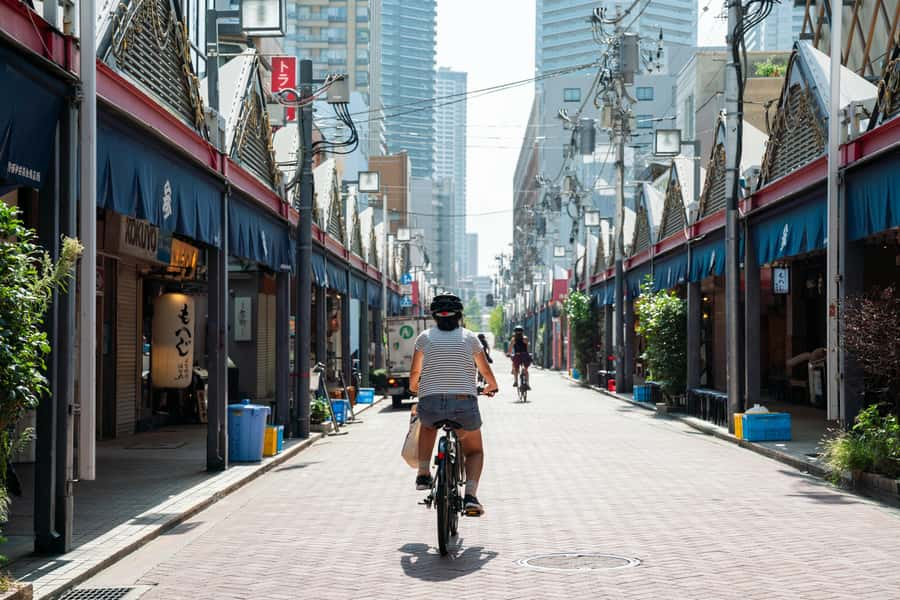
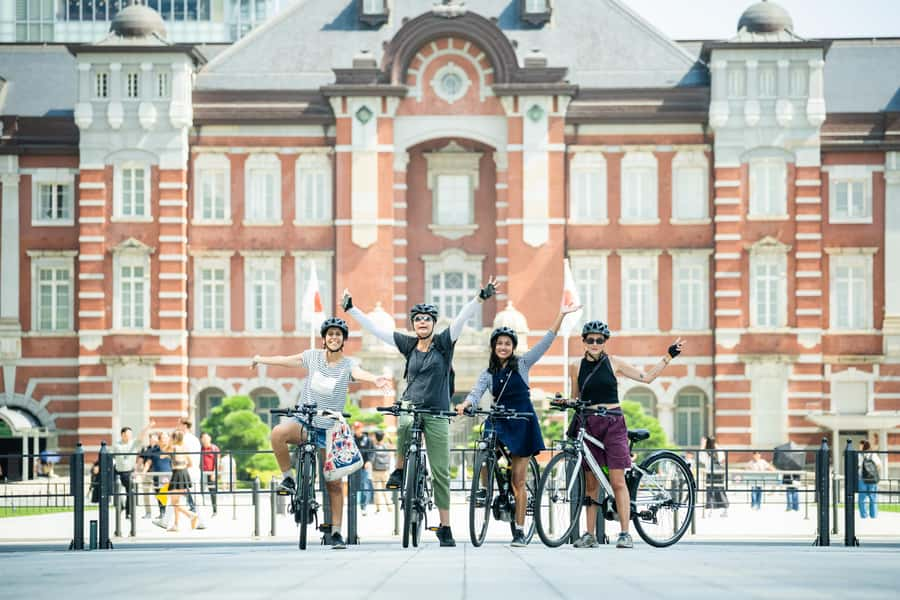
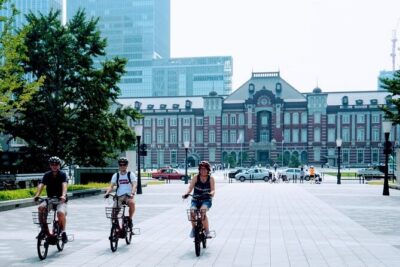
The City Route is the best all-round choice if you want a mix of famous sights and quieter local stops. It starts around the Tokyo fish market neighborhood, then moves through Ginza, the Imperial Palace area, Tokyo Station, Nihonbashi, Kiyosumi Japanese Garden, and Tomioka Hachimangu Shrine.
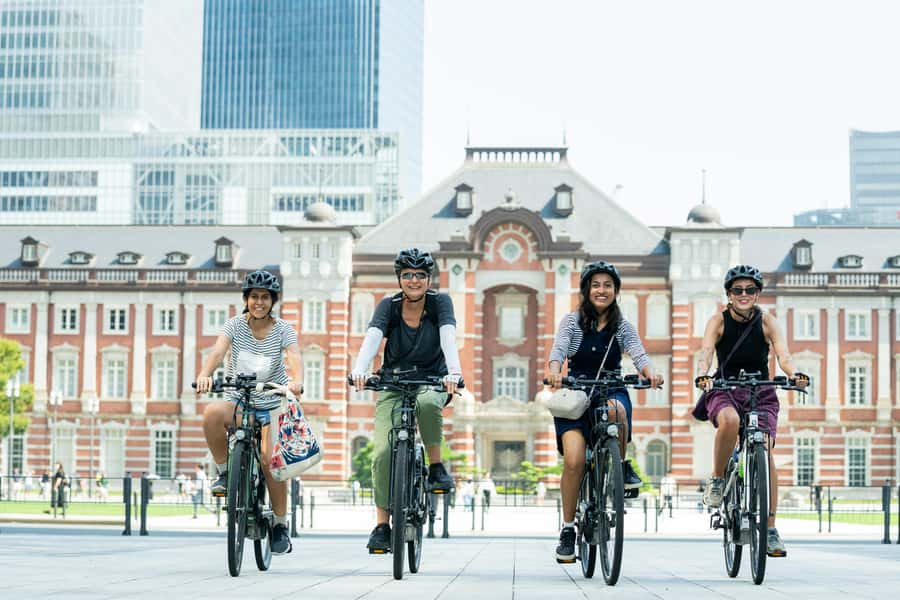
Ginza and the Imperial Palace are passed rather than visited in depth. That is useful for orientation and photographs, but you should not book this route expecting long stops at every major sight. Tokyo Station gives you one of the city’s most recognizable architectural views, while Nihonbashi connects modern Tokyo with older commercial traditions.
The garden is the real treat. You can leave the bike for a short walk and see carefully arranged Japanese nature inside the city. It offers a calm break from traffic and gives the tour a change of pace. Several people particularly enjoyed the garden and temple portions, so this route works well if you want more than city streets.
The stop for a traditional Japanese snack adds a small but welcome local touch. It is not a full meal, so eat beforehand if you need substantial food. Tomioka Hachimangu Shrine provides another look at Japanese religious customs and architecture.
One limitation is that the Tokyo Station and Nihonbashi area may feel less visually dramatic than Asakusa, Akihabara, or Shinjuku. If your main goal is Tokyo’s most famous visitor districts, this route may not match your wish list. If you want a broader sense of how central Tokyo changes from commercial streets to gardens and shrines, it is a good fit.
Tokyo Bay Route: bridges, open water, and Odaiba
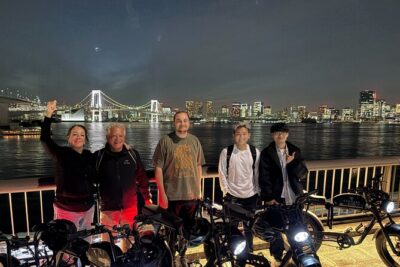
Choose the Bay Route for the widest views and the strongest sunset potential. The route includes Sumiyoshi Shrine, Tsukuda Tendai Temple, TeamLab Tokyo, Tokyo Big Sight, the Gundam statue, Odaiba’s Statue of Liberty, Aqua City, and a pass by Rainbow Bridge.
Odaiba is built on reclaimed land, so the area is flatter and more open than central Tokyo. That makes it a comfortable place for an e-bike ride. The broad roads and bridges provide a sense of space that is rare in the denser parts of the city.
The route also gives you a good contrast between old and new. A shrine and a lesser-known temple appear alongside exhibition buildings, modern waterfront developments, giant pop-culture figures, and futuristic views. TeamLab Tokyo and Tokyo Big Sight are passed rather than entered, so treat them as points of reference, not included attractions.
The Gundam statue and Statue of Liberty are easy photo stops. They are playful examples of Odaiba’s manufactured, modern character, while the waterfront and bridges provide the more scenic moments. Aqua City is where you receive a local snack, and the route may finish with city lights or sunset depending on the season.
Starting time changes by month, which matters if you are specifically booking the sunset version. Ask for the seasonal timing before you commit. The Bay Route is also a strong choice if you want an evening activity that does not demand much physical effort. One guide planned the ride so the group saw Tokyo Harbor and the skyline in both daylight and darkness, which is exactly what makes this option appealing.
More E-Bike Tours in Tokyo:
- 3-Hour Tokyo Private E-Bike Tour Starting from Your Hotel
★ 5.0 · 117 reviews - Tokyo: 3-Hour Bike or E-Bike Tour of City’s Hidden Gems
★ 4.7 · 81 reviews - Tokyo: 3h Private E-bike Tours, Starting at Your Hotel
★ 5.0 · 36 reviews - Tokyo: Private Cycling Tour with cute E-bike
★ 5.0 · 11 reviews
Tokyo Tower Route: temples, hills, and city views
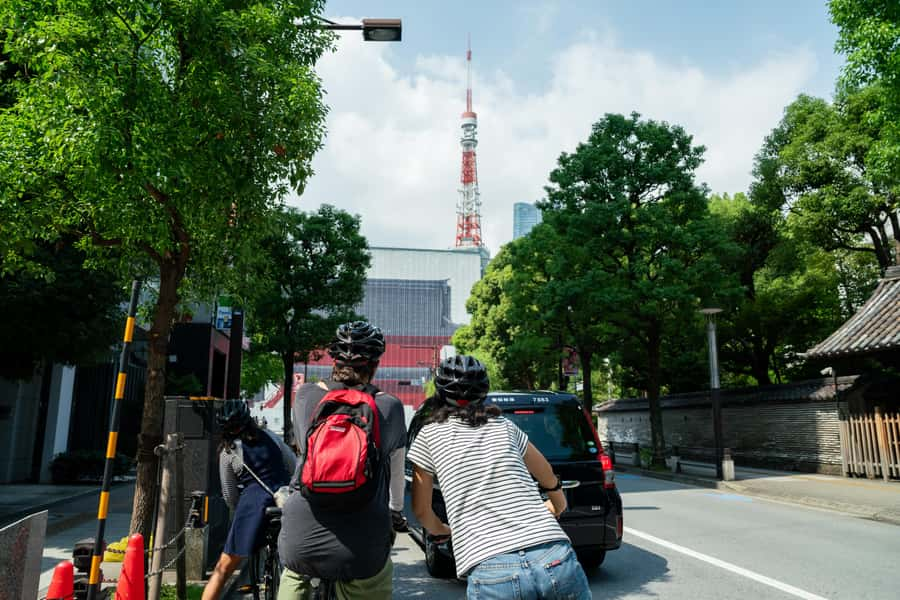
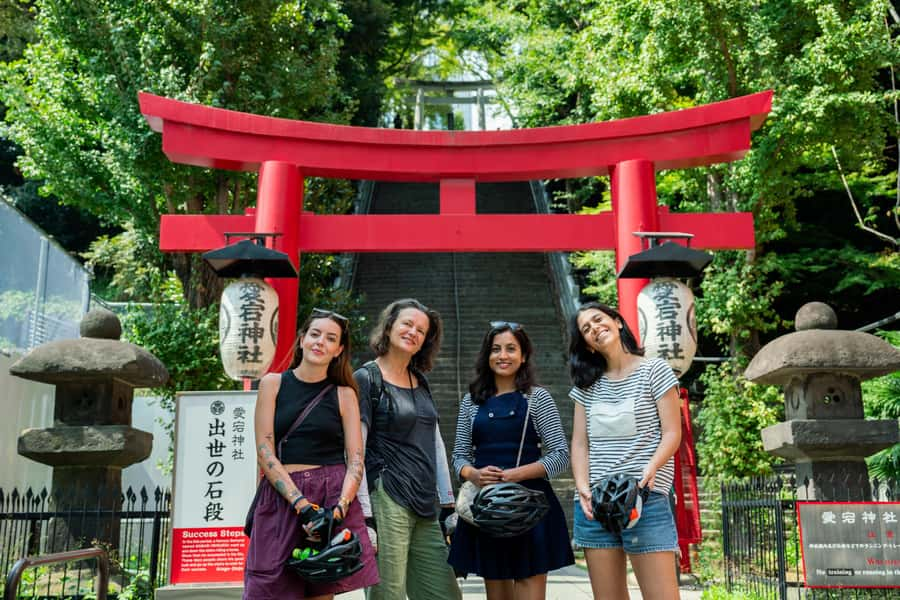
The Tokyo Tower Route gives you the clearest contrast between traditional religious sites and modern government and commercial architecture. It includes Zojo-ji Temple, Tokyo Tower, Atago Shrine, the National Diet Building, the Imperial Palace, and Hibiya Park.
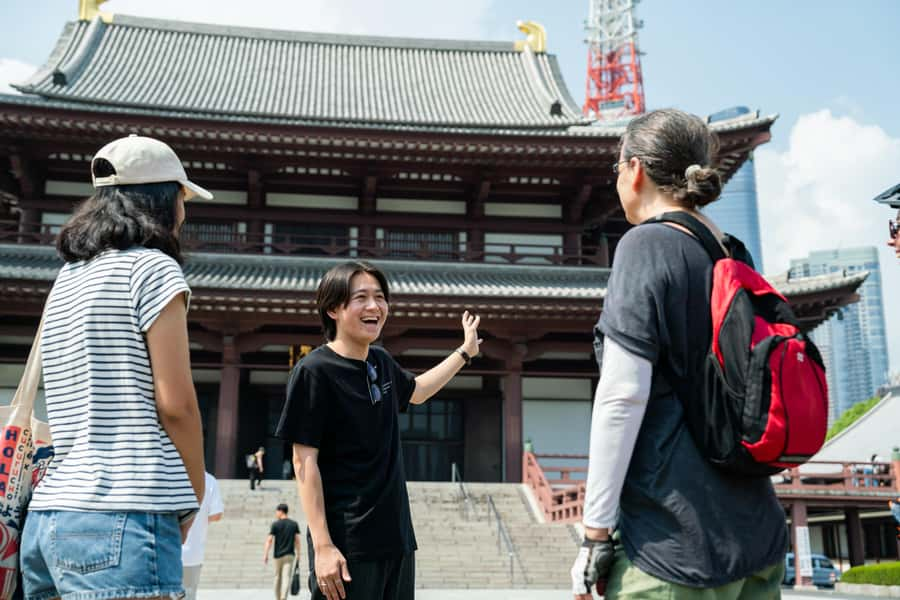
Zojo-ji and Tokyo Tower make a classic Tokyo pairing. You get a temple setting followed by a major city landmark, with a photo stop at the tower. Atago Shrine adds a more unusual visit and brings the route into a hilly part of town.
The electric assistance matters most here. The route includes hills, but the bike motor reduces the effort. You still need to pedal and control the bike, yet the climb should not feel like a test of athletic ability. If you are nervous about a long ride, this is a practical reason to choose an e-bike rather than a standard bicycle.
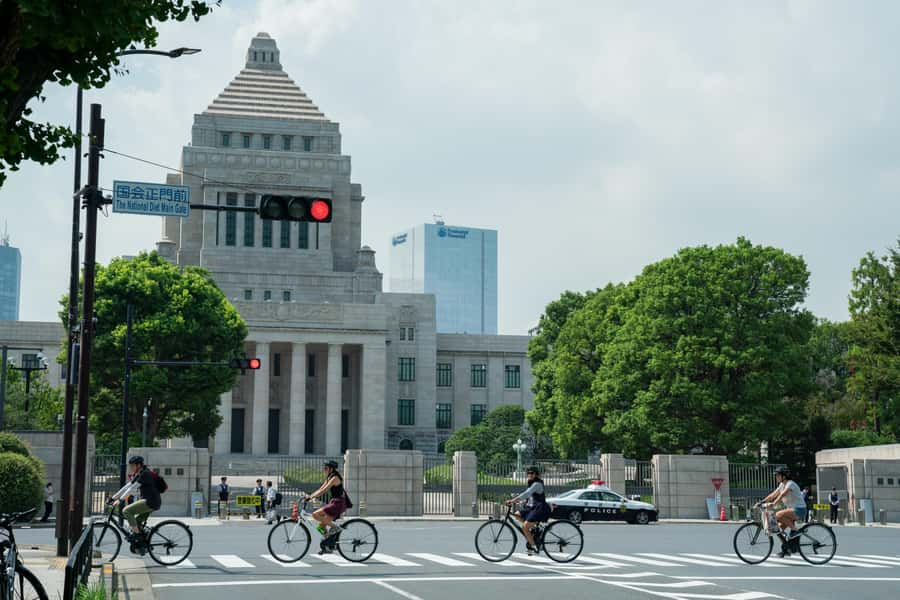
The National Diet Building and Imperial Palace provide more context about Tokyo as Japan’s political center. Hibiya Park supplies a green finish in the middle of the city. As with the other routes, some major locations are passed rather than entered, so the strength is the sequence of views and stops rather than extended sightseeing inside each place.
How easy are the e-bikes to ride?
The bikes are designed to reduce effort, not replace cycling skills. Several riders found them easy after a short adjustment, though one person noted that the bike proportions took a little getting used to. Give yourself time during the briefing to understand the controls, braking, turning, and electric assistance.
A three-hour tour is a long time to spend on a bicycle if you rarely ride. The motor helps with hills and heat, but you still sit on the bike for most of the outing. The tour is not suitable for anyone under the stated height or weight limits, and it is not designed for wheelchair users.
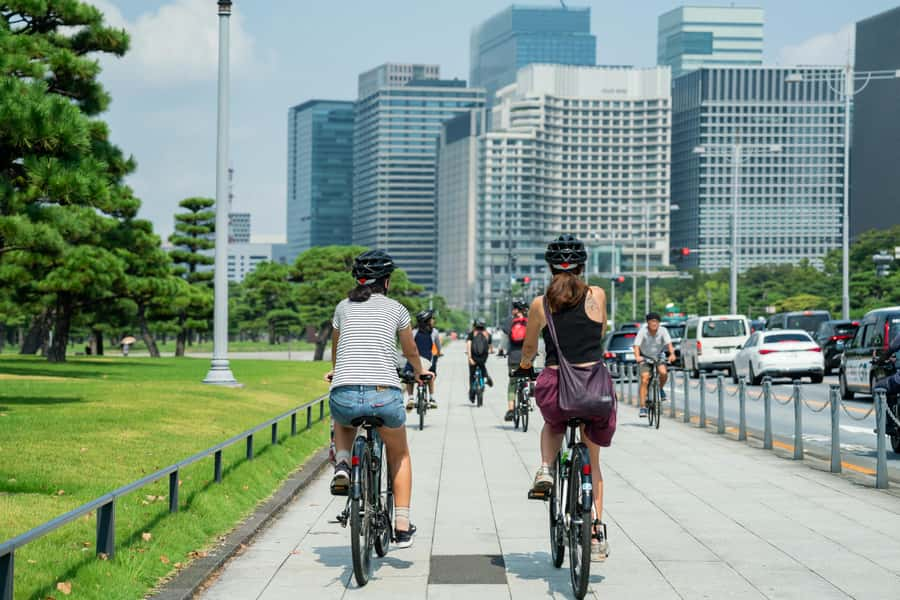
The ride can include roads with moving traffic and footpaths shared with pedestrians. Tokyo’s streets are orderly, but busy areas still require attention. You should be comfortable steering, braking, slowing down, and following a guide’s instructions. If you are an anxious cyclist, this may not be the best first bike tour.
The pace appears to be managed carefully. Guides have helped slower riders keep up, paused for photographs, and adjusted when people needed a moment. Still, this is an active sightseeing experience, not a vehicle tour where you simply sit back.
The guide makes the difference
The guide is more than the person at the front of the line. A good guide explains why a shrine matters, points out local customs, helps you cross busy sections, and tells you what you are looking at before you move on.
Hiro has been praised for being entertaining, patient, and helpful, including assisting with directions to a train station after the ride. Yota has been noted for planning scenic routes, offering snacks, and making sure everyone could keep up. Miki has been especially attentive with photographs and less crowded stops.
Shinobu has received strong praise for commentary during a Tokyo Bay ride, while Sho has been appreciated for explaining details beyond the basic sightseeing program. These names may not be your guide on the day, but they give you a useful idea of the personal style the operator aims for.
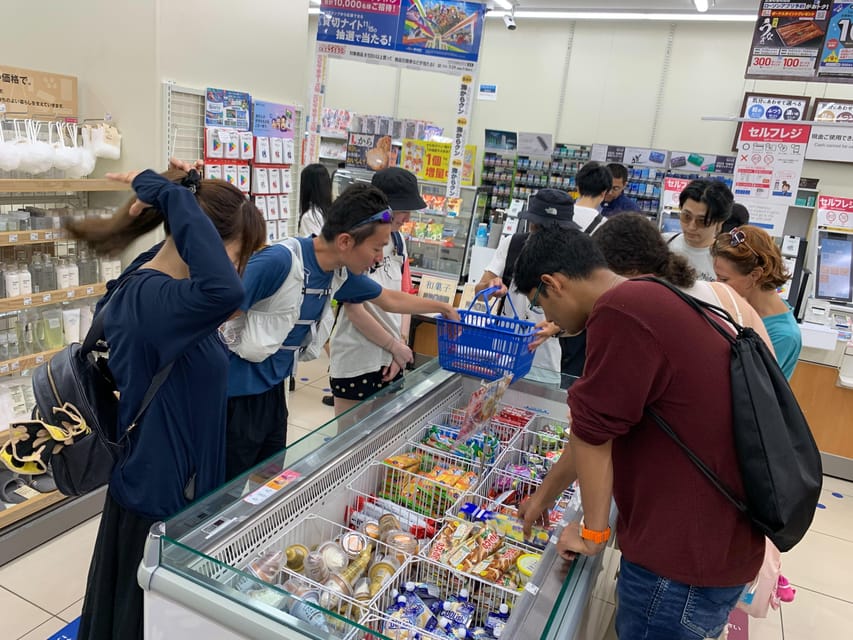
The guides also add small moments that you might miss alone. One group was able to see a monk ceremony by chance, while others stopped at a convenience store or tried Japanese snacks by the waterfront. Those moments are part of the tour’s appeal. They connect the major landmarks with ordinary Tokyo life.
What to wear and bring
Wear comfortable clothes that allow easy movement. Closed shoes are sensible, and you should dress for the season because the tour runs outdoors for three hours.
Gloves are provided in winter. A knapsack is available if you need one, and luggage storage is included. Bring water, sunscreen in warm months, and a camera or phone for the many photo stops.
Summer can be hot and humid. One rider appreciated a garden break during a particularly warm outing, and the electric assist helps reduce the physical load. Even so, do not treat the motor as a substitute for hydration or suitable clothing.
Check the weather before your ride. If rain or other unsafe conditions are expected, the operator may cancel and send notice by email the day before. Conditions can also change on the day, so a cancellation for safety remains possible.
Who should book this experience?
I would recommend it to first-time visitors who want a broad introduction to Tokyo without spending the entire day underground or on foot. It also suits repeat visitors who have already seen the main districts and want gardens, shrines, bridges, and less familiar streets.
It is a good match for couples, friends, and families with older teenagers. Children under 13 are not permitted. The information also says the tour is not suitable for pregnant people or those with heart problems.
Confident beginners can manage the tour if they are willing to listen carefully during the briefing. Regular cyclists will probably settle in quickly. You should choose another activity if you dislike riding near traffic, have difficulty balancing, or want long, unhurried visits inside museums and monuments.
The City Route suits culture and gardens. The Bay Route is best for open views, bridges, and sunset. The Tokyo Tower Route is the choice for temples, hills, and the contrast between old architecture and modern Tokyo.
Practical details that can affect your decision
The tour is offered in English and costs $65 per person. It includes the e-bike, guide, helmet, luggage storage, a knapsack if needed, and a traditional Japanese snack. Winter gloves are also provided.
The ride returns to the original meeting point, and the scheduled three hours can run about 30 minutes late because of traffic or other course conditions. Do not plan a tight dinner reservation or train connection immediately afterward.
There is free cancellation up to 24 hours in advance, and you can reserve now and pay later. The operator gives slightly different minimum height information, 145 centimeters in one place and 147 centimeters in another. Since children under 12 and under 13 are also described differently, use the stricter limit of under 13 and confirm the height requirement before paying.
Should you book the Tokyo e-bike tour?
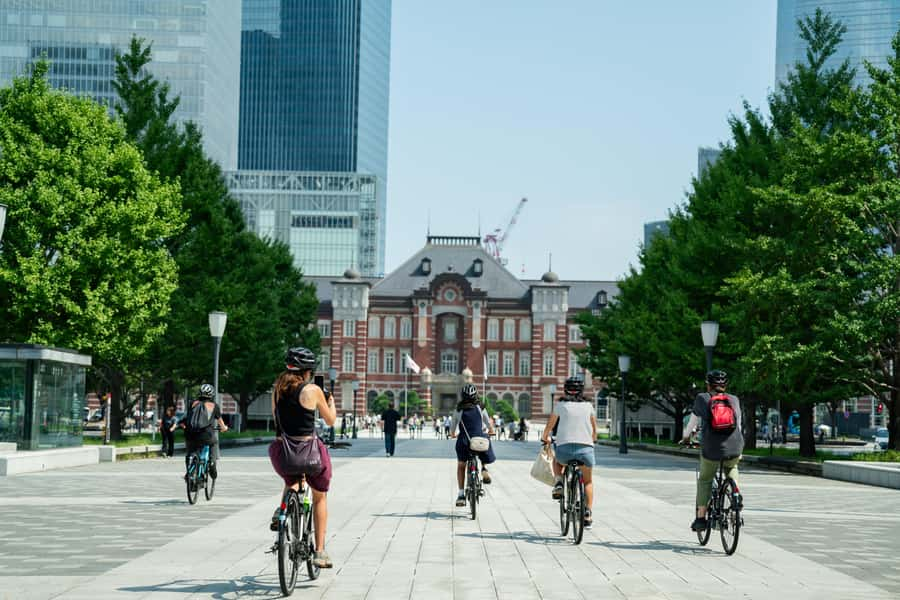
Book it if you want to cover more ground than a walking tour allows and still experience Tokyo at street level. The electric bike, friendly English-speaking guide, local snacks, gardens, shrines, and waterfront views make $65 a fair price for an active half-day outing.
Choose the route with care. I would pick the Bay Route for scenery and evening light, the City Route for gardens and traditional sites, and the Tokyo Tower Route for hills, temples, and classic city photographs.
Skip it if you are not comfortable cycling around pedestrians and cars, or if you want extended visits at major attractions. For the right rider, though, this is a fun way to see the city between the headline sights, with enough local detail to make the ride feel personal rather than mechanical.
FAQ
How long does the Tokyo e-bike tour last?
The tour is scheduled for three hours. The end can be delayed by about 30 minutes because of traffic or other course conditions.
Which sights are included on the Tokyo City Route?
The City Route passes Ginza, the Imperial Palace, Tokyo Station, and Nihonbashi. It also stops for a traditional Japanese snack, visits Kiyosumi Japanese Garden, and includes Tomioka Hachimangu Shrine.
Which sights are included on the Tokyo Bay Route?
The Bay Route includes Sumiyoshi Shrine, Tsukuda Tendai Temple, and stops or pass-bys at TeamLab Tokyo, Tokyo Big Sight, the Gundam statue, Odaiba’s Statue of Liberty, Aqua City, and Rainbow Bridge.
Which sights are included on the Tokyo Tower Route?
The Tokyo Tower Route includes Zojo-ji Temple, a Tokyo Tower photo stop, Atago Shrine, a traditional snack, the National Diet Building, the Imperial Palace, and Hibiya Park.
Is the tour suitable for people who have never used an e-bike?
The bikes are described as easy to ride, and the tour includes a briefing. You should still be comfortable on a bicycle because some sections use roads with traffic and footpaths shared with pedestrians.
What is included in the $65 price?
The price includes the e-bike rental, English-speaking guide, helmet, luggage storage, a knapsack if needed, and a traditional Japanese snack. Gloves are included during the winter season.
Can children join the tour?
Children under 13 are not permitted. The information also gives different minimum height figures, 145 and 147 centimeters, so confirm the current requirement before booking.
What happens if it rains?
If the tour cannot safely operate because of rain or another issue, the operator may notify you by email the day before. A cancellation can also happen on the tour day if the weather changes and safety becomes a concern.
Can I cancel the booking?
You can cancel up to 24 hours before the tour for a full refund. Reserve and pay later is also available.
More Three-Hour Bike Tours in Tokyo
- 3-Hour Porto Highlights on a Electric Bike Guided Tour
★ 5.0 · 4,392 reviews - 3-hour Complete Prague Bike Tour
★ 5.0 · 3,674 reviews - Porto: City Highlights 3-Hour Guided Electric Bike Tour
★ 4.8 · 3,092 reviews - Copenhagen: Highlights 3 Hour Bike Tour with a Local Guide
★ 4.8 · 2,312 reviews
Just added around Tokyo
- Tokyo: Private Cycling Tour with cute E-bike★ 5.0 · 11 reviews
- Tokyo: West-Side Cycling and Food Tour with Guide★ 5.0 · 37 reviews
- Tokyo: Rice Ball Making Class★ 5.0 · 14 reviews
- Tokyo Bike Tour: Shibuya, Harajuku & Hidden Gems★ 5.0 · 20 reviews
- Tokyo: Hidden Gems Guided Bike Tour with Lunch★ 4.5 · 30 reviews
- Tokyo: Discover Traditional Tokyo Full-Day Bicycle Tour★ 4.7 · 131 reviews
- Tokyo: 3h Private E-bike Tours, Starting at Your Hotel★ 5.0 · 36 reviews
- Tokyo: 2-Hour Night Bike Tour of the City’s Hidden Gems★ 4.9 · 25 reviews
Tokyo Bike Tours, compared.
3h Tokyo E-Bike Tour: Hidden Gems, and Local Life with guide
Read our review →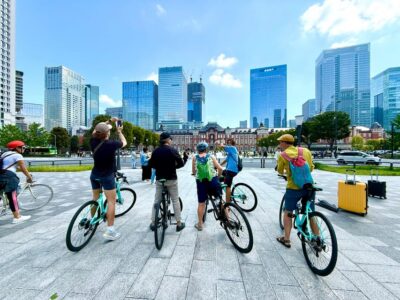
Discover Traditional Tokyo Full-Day Bicycle Tour
Read our review →
3-Hour Tokyo Private E-Bike Tour Starting from Your Hotel
Read our review →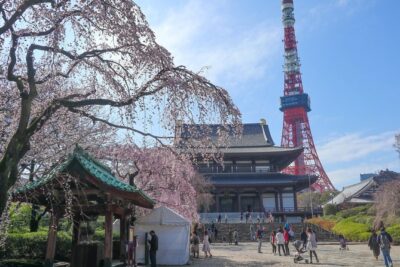
5-Hour Tokyo & Edo Hidden Gem Bike Tour with Lunch
Read our review →Browse the lists this tour appears in