
REVIEW · HIROSHIMA
Hiroshima: City and Miyajima Bike and Boat Tour
Hiroshima and Miyajima make a strong pair: one tells the story of war and recovery, the other offers forested hills, Shinto architecture, and quiet lanes beside the sea. This 7.5-hour bike and boat tour links both places without asking you to solve the train and ferry connections yourself.
I like the flat cycling route, which makes the city portion manageable even for casual riders, and the small group, capped at eight people. Guides such as Ishan, Aimee-Linh, Melissa, and Sage have been praised for clear historical explanations, humor, and patience with slower riders.
The main drawback is the pace. You cover a lot in one day, and Miyajima deserves more time than a short island visit can provide. You also need to be able to ride a bicycle, and the tour is not suitable for wheelchair users or pregnant women.
Key points at a glance
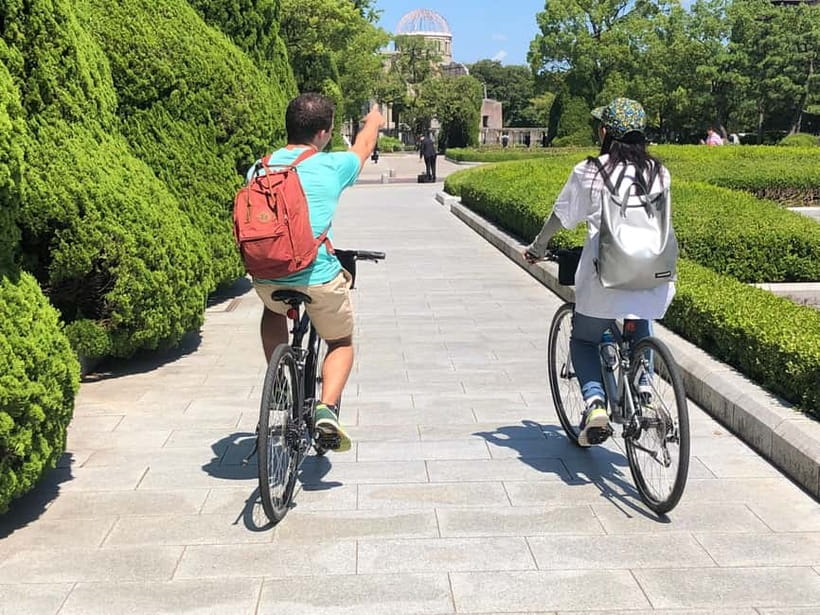
- Peace Park by bicycle: Ride around the A-bomb Dome and memorial area on a completely flat route.
- A serious history lesson: Hear about the atomic bombing, Hiroshima’s recovery, and the city’s feudal past.
- Hiroshima Castle included: See the city’s pre-Meiji story before leaving for Miyajima.
- Train and ferry made simple: Your boat ticket and transfers to Miyajima are included.
- Miyajima’s religious heart: Walk through the island’s lanes and visit Itsukushima Shrine.
- Small-group equipment: Trek bikes, helmets, step-through frames, and child-sized bikes are available.
Why this Hiroshima day tour works so well
The clever idea here is contrast. In the morning, you pedal through a city shaped by one of the most destructive events in modern history. Later, you cross the water to Miyajima, where orange Shinto buildings, wooded slopes, and old religious traditions create a very different mood.
That change of setting gives the day its shape. You are not seeing Hiroshima as one long museum visit. You are seeing how the city remembers, how it rebuilt, and how its nearby island preserved a more traditional religious character.
The cycling also helps you cover more ground than a walking tour while keeping the pace gentle. The route around Peace Park is completely flat, and the tour is designed for anyone who can ride a bike. You do not need road-racing skills or special fitness, but you should be comfortable cycling in a group.
With no more than eight people, the guide can answer questions and keep an eye on the group. This matters on a day with several moving parts. The strongest guide feedback centers on enthusiasm, historical explanation, and support for slower riders. Ishan was praised for answering many questions, while Sage helped a group manage a rainy day. Aimee-Linh was noted for combining history with humor, and Melissa was especially effective at explaining both the painful and hopeful sides of Hiroshima’s story.
More Bike and Boat Tours in Japan:
- Hiroshima and Miyajima by Bike and Boat
★ 5.0 · 172 reviews - Ninh Binh Full-Day Tour from Hanoi to Hoa Lu, Tam Coc & Mua Cave Via Boat & Bike
★ 5.0 · 4,384 reviews - From Perth: Rottnest Island Full-Day Bike and Ferry Trip
★ 4.7 · 2,548 reviews
Cycling through Peace Park and the A-bomb Dome
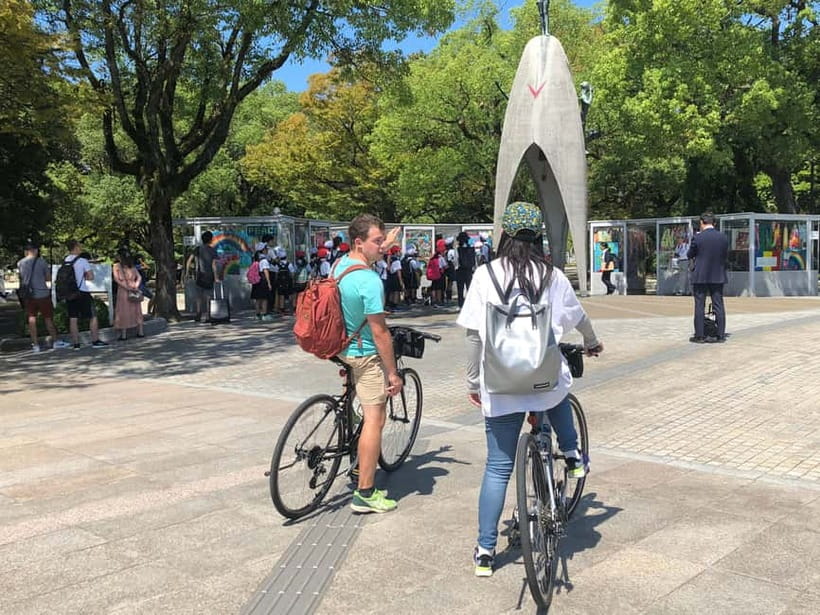
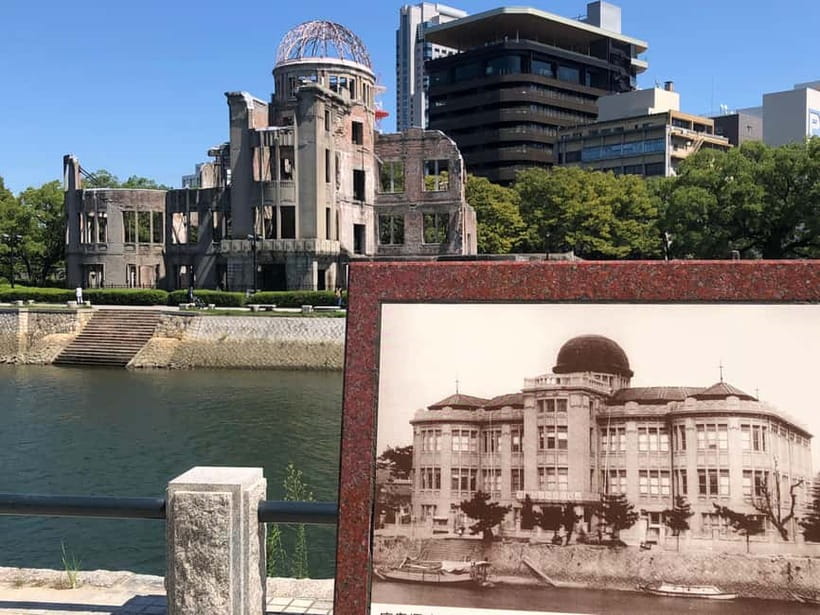
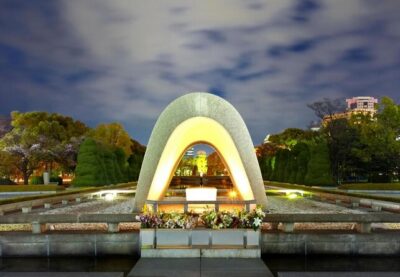
The first major section takes you around Hiroshima’s Peace Park by bicycle. This is not a place for quick sightseeing and a few photographs. The A-bomb Dome and the surrounding memorial grounds ask you to slow down and pay attention.
A guide gives context as you move around the area, helping you understand what you are seeing rather than leaving you to piece it together from signs. That makes a real difference here. Hiroshima’s memorial sites can feel overwhelming, especially if you arrive without knowing how the buildings and monuments relate to the bombing and the city’s later efforts to remember it.
A bicycle is useful in this setting because it lets you move between key points without spending the whole morning on foot. At the same time, the route is described as easy and slow-paced, not a race through the memorial district. You will still need to behave respectfully around the park, but the format gives you a practical way to see more of it.
The emotional weight is part of the experience. Guides have been especially appreciated for presenting the difficult story plainly while also explaining Hiroshima’s recovery and its message of peace. You should expect serious subject matter, not a light sightseeing introduction.
Bring comfortable clothes and shoes. You will be cycling first and walking later, so thin city shoes or stiff footwear could make the long day less pleasant. Water is included, but carrying only what you need will make the bicycle portion easier.
Hiroshima Castle and the city before the bomb
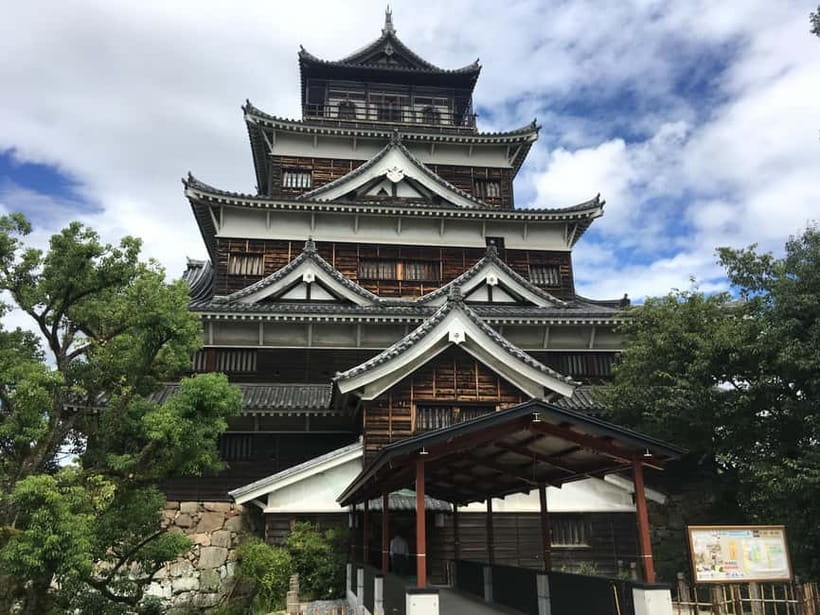
After Peace Park, the route turns to Hiroshima Castle. This stop adds an important layer to the city’s story. Hiroshima is not only a place defined by 1945. It also has a feudal past, and the castle helps place the modern city within that longer timeline.
The visit is valuable because it breaks up the memorial focus. You move from the history of the atomic bombing to the story of the city before the Meiji period, giving you a wider view of Hiroshima’s identity. The guide’s commentary connects the castle to the city’s earlier political and social life.
Do not expect a long, detailed castle tour with hours inside the site. The day has to keep moving toward Miyajima. Instead, treat Hiroshima Castle as a well-chosen historical stop that helps explain what came before the modern city.
This is one of the tour’s strengths. A weaker day trip might focus only on Peace Park, then hurry to the island. Here, the castle gives the morning more balance. You see Hiroshima as an old Japanese city, a wartime target, and a modern place of remembrance.
Taking the train and ferry to Miyajima
The transfer to Miyajima uses a train followed by a ferry, with the boat ticket included. That is more than a transport detail. The change from bicycle to rail to boat gives the day a natural break after the morning’s history.
You can use the crossing to reset before the island walk. The ferry also creates a clear sense of arrival. Hiroshima’s city streets give way to open water, then to Miyajima’s wooded setting and orange Shinto buildings.
The guide handles the route as part of the tour, so you are not left to work out the connection on your own. Still, this is a full day with several changes, and you should be ready to follow directions and stay with the group.
Lunch and water are included. The available information does not specify the exact menu, so you should provide dietary restrictions when booking. That is especially important if you have allergies or follow a particular diet.
The tour asks for everyone’s height in advance. This helps the operator prepare the right bicycle, since the fleet includes Trek bikes in several sizes, step-through models, and child-sized bikes. Give accurate measurements rather than guessing. A properly sized bike makes a flat route much more comfortable.
More City Tours in Japan:
- Tokyo: 3-Hour Bike or E-Bike City Highlights Tour
★ 4.8 · 435 reviews - Tokyo: 3-hour Guided E-Bike Tour of the City’s Hidden Gems
★ 4.8 · 251 reviews - Kyoto: City Secrets eBike Tour
★ 4.9 · 196 reviews - Tokyo: 3-Hour Bike or E-Bike Tour of City’s Hidden Gems
★ 4.7 · 81 reviews
Walking Miyajima’s religious lanes
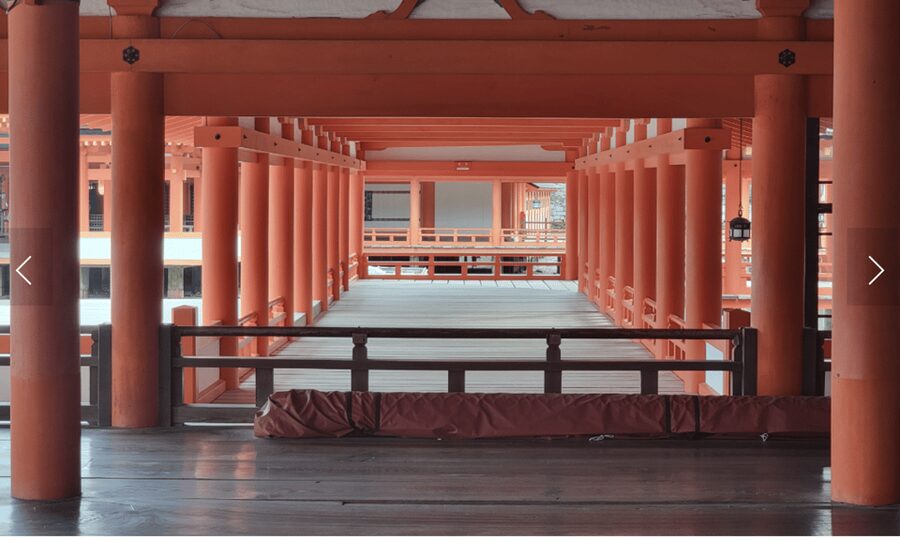
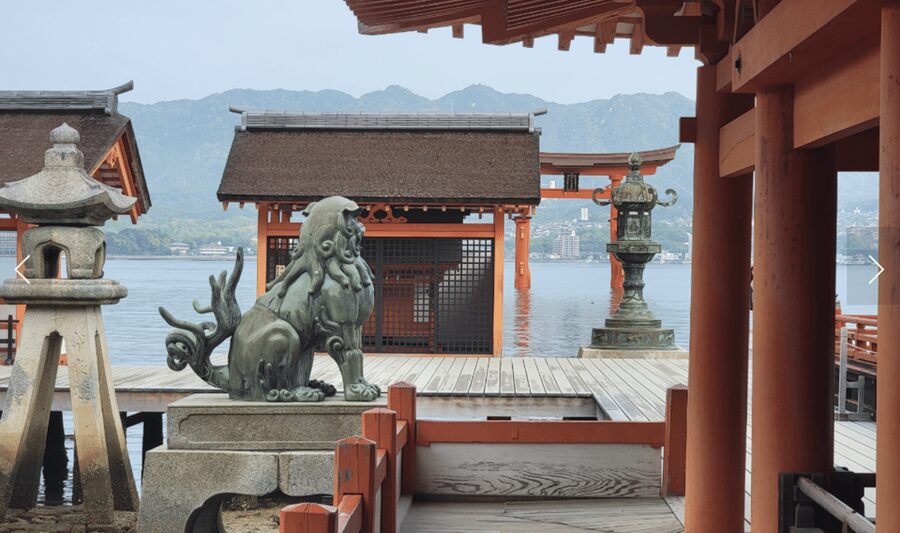
Miyajima offers the day’s sharpest change of mood. The island’s greenery frames orange Shinto buildings, and the walking tour explains how Miyajima developed as a religious center.
The point is not simply to photograph attractive architecture. Your guide gives the island a cultural setting, showing why this place mattered as a religious destination and how its sacred character shaped its streets and buildings.
The island’s lanes provide plenty of visual interest. You will have chances to photograph the architecture and the surrounding greenery, but the guide’s explanation helps keep the visit from becoming a string of pretty views without context.
The visit to Itsukushima Shrine is included. This is the key island stop and one of the clearest expressions of Miyajima’s Shinto identity. The contrast with Peace Park is powerful: in the morning, you are considering modern war and its consequences; later, you are walking through a place shaped by long-standing religious practice.
You should keep your expectations in check. A 7.5-hour tour cannot offer every corner of Miyajima or a slow afternoon on the island. The day is designed as an introduction, not a complete island stay. If Miyajima is your top priority, you may prefer to visit it separately and spend more time there.
For a first visit to Hiroshima, though, the pairing makes sense. You get the island’s central sights and religious setting while still having time for the city’s major historical locations.
What the $138 price really covers
At $138 per person, this is not the cheapest way to see Hiroshima and Miyajima. But the price includes more than a guide and a few stops.
You receive:
- A guided bicycle tour around Peace Park and the A-bomb Dome
- A bicycle and helmet
- Commentary on Hiroshima’s history
- Hiroshima Castle
- Train and ferry transfers to Miyajima
- The boat ticket
- A guided Miyajima walk
- Itsukushima Shrine
- Lunch and water
- An English-speaking guide
The value comes from the combination. Booking these pieces separately would require arranging a bicycle, finding a suitable route, navigating the train and ferry, and organizing your own historical explanations. The tour also saves you from spending time deciding which parts of Hiroshima and Miyajima can realistically fit into one day.
The strongest value is for someone with limited time in Hiroshima. If you have only one full day, this gives you a broad first look at both the city and the island. If you have several days, the price is easier to question because you could spread the sites out and use local transport at a lower cost.
Lunch and water also remove a little planning. The exact meal is not described, so do not book this solely for a special food experience. Book it for the route, guide, equipment, and historical context.
Bikes, comfort, and physical demands
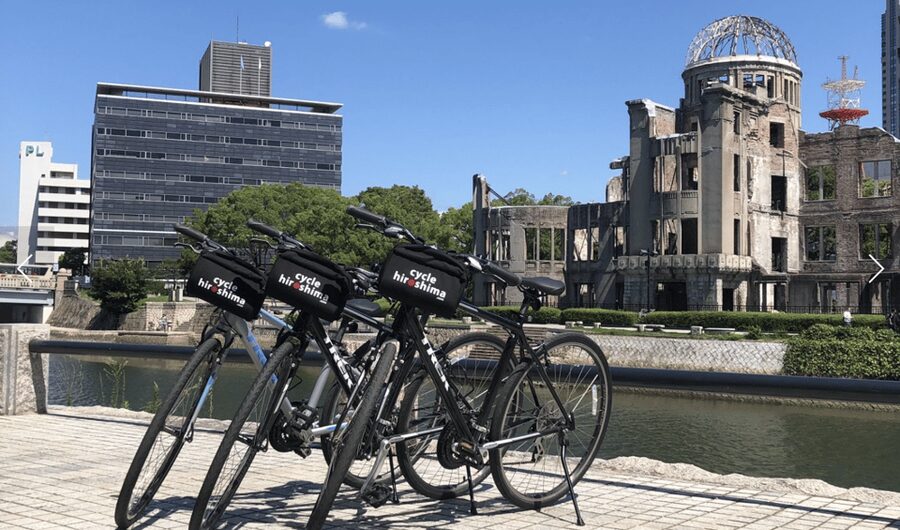
The route is flat, and the cycling is suitable for all skill levels except people who cannot ride. That is the most reassuring detail for casual cyclists. You do not need to be fast, and slower riders receive support from the guide.
The bicycles include Trek models in different sizes, plus step-through bikes and child-sized bikes. Step-through frames are useful if you find a standard bicycle awkward to mount. Children can also be accommodated, though you should provide heights for everyone in your group.
This is still an active day. You will cycle, walk around Peace Park, move through Hiroshima Castle, take public transport, walk on Miyajima, and return by the end of a long seven-and-a-half-hour schedule. Comfortable shoes and clothing are essential.
The experience is not suitable for wheelchair users, pregnant women, or people who cannot ride a bike. Those limits are worth taking seriously. The tour does not offer a non-cycling version as the normal format.
Rain can also change the plan. If the weather is poor, the operator may offer a walking tour around Peace Park instead of cycling, or a full refund. You need to be reachable so the change can be discussed. This gives the tour some flexibility, but it also means you should not assume the bicycle portion will operate in every weather condition.
The small-group advantage
A group limit of eight is a real benefit on this particular route. The day has sensitive historical sites, public transport, bicycles, and a ferry connection. A large group would be harder to manage and less personal.
A small group also gives you room to ask questions. The guide can explain a point about the bombing, the castle, or Miyajima without turning the whole day into a lecture. The positive guide feedback repeatedly focuses on this personal quality, especially the willingness to answer questions and help people who ride slowly.
The guide names associated with the experience include Ishan, Aimee-Linh, Melissa, and Sage. Your guide may be someone else, but these examples show the kind of leadership to expect: clear explanations, humor when appropriate, and close attention to the group.
The subject matter requires tact. A good guide needs to explain Hiroshima’s painful past without reducing it to a dramatic attraction. The strongest accounts of this experience point to guides who present both the horror of the bombing and the city’s later message of peace.
Who should book this experience?
I would choose this tour if you want a guided first look at Hiroshima and Miyajima in one day. It suits solo visitors, couples, families with bicycle-capable children, and anyone who prefers a small group to a large coach.
It is especially useful if you are staying in Hiroshima for a short time. The route gives you a reliable framework for the city’s most important themes: the atomic bombing, peace remembrance, the feudal past, and Miyajima’s religious traditions.
You may want another plan if your priority is a slow Miyajima visit, extended time at museums, or a long bicycle ride. This is not a specialist cycling tour, and it does not leave much spare time for wandering away from the planned route.
The tour also requires emotional readiness. Peace Park is not a casual photo stop, and the historical explanations may be heavy. The later ferry ride and island walk provide a change of mood, but they do not erase the seriousness of the morning.
Should you book the Hiroshima and Miyajima bike tour?
Book it if you want an efficient, well-guided day that joins Hiroshima’s most important memorial area with Miyajima’s Itsukushima Shrine. The flat route, Trek bikes, small group, included ferry ticket, lunch, and English commentary make the $138 price reasonable for a time-limited visit.
Skip it if you cannot ride, use a wheelchair, are pregnant, or want to explore Miyajima at a very slow pace. For everyone else, this is a practical way to see two very different sides of the Chugoku Region, with enough historical explanation to make the sights matter.
FAQ
How long does the Hiroshima and Miyajima tour last?
The tour lasts 450 minutes, or 7.5 hours. It includes cycling in Hiroshima, a visit to Hiroshima Castle, train and ferry transfers, and a walking tour on Miyajima.
Is the cycling route difficult?
The cycling route is completely flat and suitable for all skill levels, as long as you can ride a bike. Slower riders are supported by the guide.
What kind of bicycles are available?
The tour provides Trek bicycles in a range of sizes, along with step-through bicycles and child-sized bikes. You should provide the height of everyone in your group in advance.
Are the train and ferry included?
Yes. The train and ferry transfers to Miyajima are included, and the boat ticket is covered.
Is lunch included?
Yes. Lunch and water are included. You should provide information about any dietary restrictions when booking.
What happens if it rains?
If rain affects the cycling portion, the operator may offer a walking tour around Peace Park or a full refund. You should remain reachable in case the plan needs to change.
Just added around Japan
- Iya Valley BROMPTON Slow Cycling Tour★ 5.0 · 28 reviews
- eTour de Matsumoto – Electric Bike Tour★ 5.0 · 16 reviews
- ONLY YOU in the Bamboo Forest! 4 hours E-bike tour with a local★ 5.0 · 45 reviews
- Pedal Adventure Kyoto’s iconic landmarks on an e-bike tour★ 5.0 · 189 reviews
- South Kyoto in a Nutshell: Gentle Backstreet Bike Tour!★ 5.0 · 225 reviews
- The Beauty of Kyoto by Bike: Private Tour★ 5.0 · 47 reviews
- Explore Hidden Alleyway with a Local Expert (Afternoon Tour)★ 5.0 · 17 reviews
- Secret Eastern Kyoto Biking Adventure★ 5.0 · 44 reviews
Hiroshima Bike Tours, compared.
Hiroshima in a Nutshell: Morning Bike Adventure
Read our review →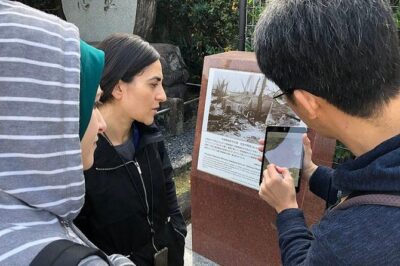
Hiroshima 2hr Peace Cycling Tour with Local Guide
Read our review →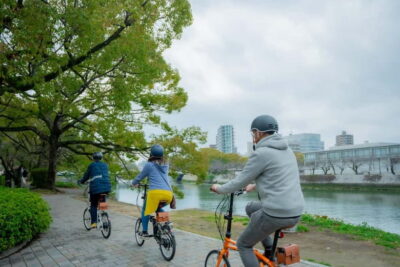
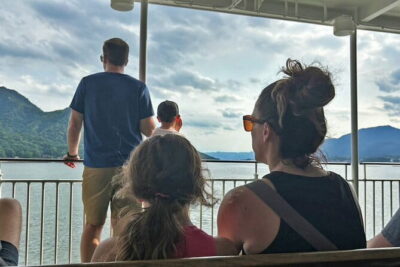

Hiroshima 3hr Peace Cycling Tour with Local Guide
Read our review →

Hiroshima Country Cycling: Explore Rural Life 1 HR from City
Read our review →
Browse the lists this tour appears in