
REVIEW · HIROSHIMA
Hiroshima in a Nutshell: Morning Bike Adventure
Hiroshima’s main sights are spread across the city, and a bicycle lets you connect them without waiting for buses or walking long stretches between stops. This morning ride takes you from the Peace Memorial Park and Atomic Bomb Dome to Hiroshima Castle and Shukkei-en Garden, while your guide adds the stories and local details that give each place meaning.
I like the small group of no more than eight, which makes it easier to ask questions and keep a comfortable pace. I also like that the tour covers both the difficult history of 1945 and quieter parts of modern Hiroshima, including canals, gardens, and back streets.
The main consideration is that this is not a relaxed, sightseeing-from-the-saddle ride. You will stop often, get on and off the bike, and listen to substantial commentary. The city is mostly flat, but you still need to be comfortable cycling for several hours. E-bikes may be available for an extra fee, often around ¥2,000, but they are limited and should be arranged ahead of time.
Key points to know before you book
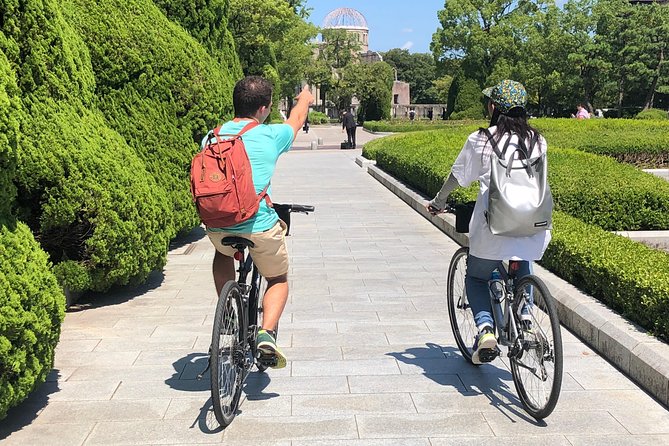
- Four major Hiroshima sights in one morning: Visit Peace Memorial Park, the Atomic Bomb Dome, Hiroshima Castle, and Shukkei-en Garden.
- A useful first-day orientation: The route helps you understand how the central sights fit together before you explore them on foot.
- Mostly flat city cycling: The ride is generally manageable, but the repeated stops and warm weather can make an ordinary bike tiring.
- Guides add the real value: Awais, Melissa, James, Yuki, Amy, Levi, Ihsan, and other guides have led departures, with strong attention to history and safety.
- Small groups keep things personal: The maximum group size is eight, a good fit for questions and steady supervision.
- Practical inclusions: A bike, helmet, bottled water, English-speaking guide, and Shukkei-en admission are covered.
Why a bicycle works so well in Hiroshima
Hiroshima is easy to explore in pieces, but the distances between its key sights can waste time. Peace Memorial Park, the castle, and Shukkei-en Garden are close enough to connect by bike, yet far enough apart that a walking route takes much of a morning.
A bicycle gives you a better sense of the city between the famous stops. You ride along canals and through ordinary urban areas instead of seeing Hiroshima only through museum entrances and memorial gates. That matters here. The city’s present-day calm is part of the story.
The riding itself is usually gentle. One guide described the route as roughly 6.8 miles over more than four hours, though the distance and timing can vary. Expect a steady pace rather than a race. Guides explain hand signals, check the bikes, adjust seat height, and keep the group together.
You will also get off the bikes repeatedly. That is a benefit at the memorial sites, where you need time to listen and reflect, but it means the tour is not continuous cycling. If you want a pure bike workout, choose something else. If you want to cover ground while learning the city, this format works well.
More Morning Rides in Japan:
- Kyoto: Arashiyama Bamboo Forest Morning Tour by Bike
★ 5.0 · 115 reviews - Private-group Morning Cycling Tour in Hida-Furukawa
★ 5.0 · 105 reviews - 3-Hour Morning Bike Tour of Jaipur
★ 5.0 · 1,253 reviews
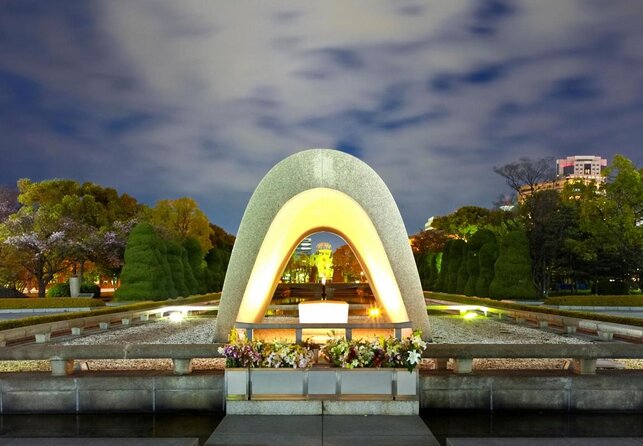
Peace Memorial Park: starting with care and context
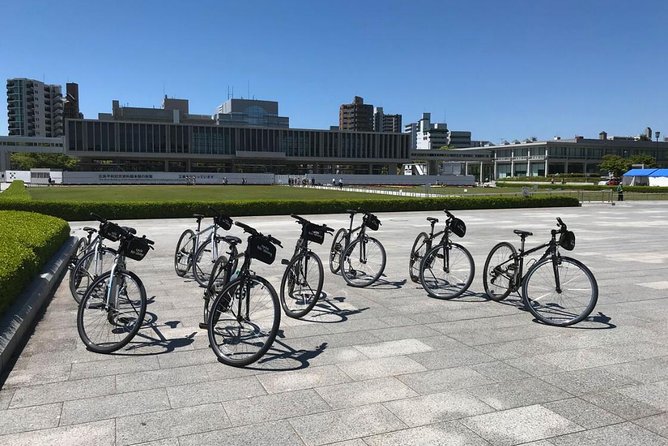
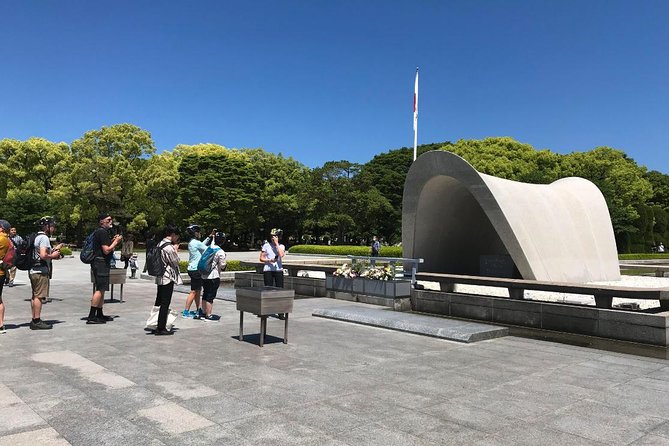
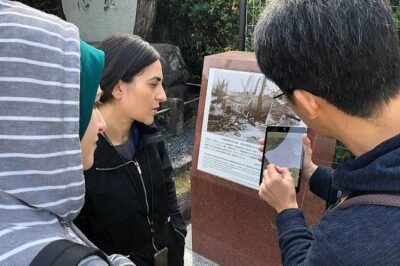
The ride through Hiroshima Peace Memorial Park is slow and quiet. This is the emotional center of the morning, and the guide typically gives a short explanation while showing older images of the area before the bombing.
Those photographs help you picture the city that existed before 1945. The park can otherwise feel orderly and abstract, with open paths, monuments, and broad spaces. The old images bring the lost city and its residents into focus.
You should expect a serious tone here. The tour deals directly with the atomic bombing and its aftermath, but the presentation is not limited to dates and military facts. Guides such as Awais, Melissa, James, Amy, and Levi have been praised for combining clear explanations with a respectful approach.
This part lasts about 20 minutes, not enough for a full museum visit. That is useful if you have only one day in Hiroshima, since you can return later for the Peace Memorial Museum and spend as much time as you wish. The bike tour works as an introduction, not a replacement for the museum.
The Atomic Bomb Dome and the power of a short stop
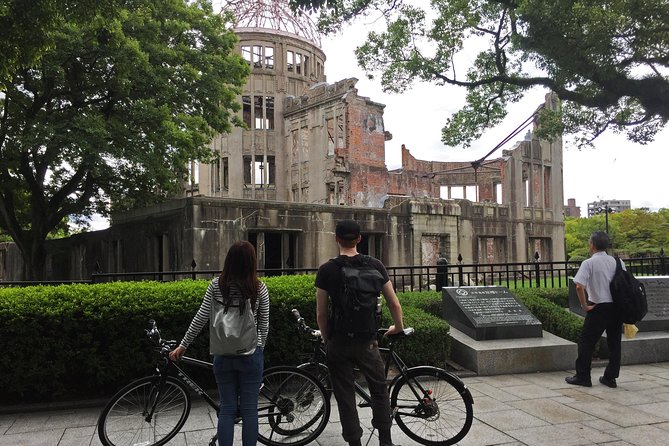
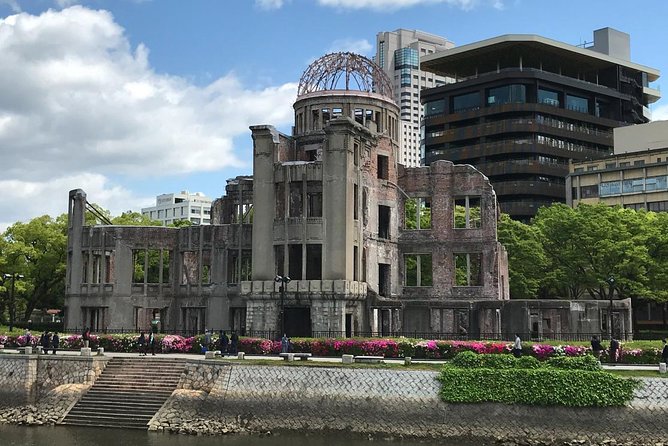
The Atomic Bomb Dome is a brief stop, planned for about 10 minutes. You can take photographs, look closely at the surviving structure, and consider how it became one of the world’s best-known symbols of the bombing.
Ten minutes may sound short, but the stop follows the longer explanation in the park. The guide can provide context, then give you a clear view of the building without turning the visit into a rushed photo break.
The Dome is one of those places where scale can be misleading. It is easy to photograph quickly and move on. A good guide slows the moment down with the human and local context behind the structure. This is one reason the guide matters more than the bike itself.
You should also know that the subject can become politically sensitive. The tour aims to give a balanced account, but one past participant felt that parts of the discussion became political. If you prefer a strictly neutral or museum-style presentation, keep this in mind. If you want an open discussion of Hiroshima’s past and its wider consequences, you may value the added perspective.
Hiroshima Castle: a change of mood
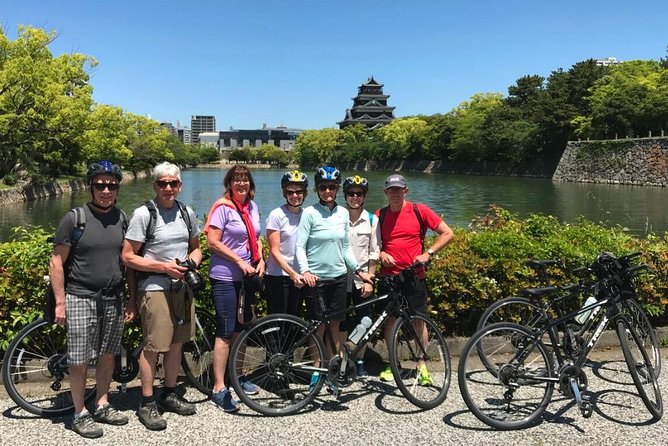
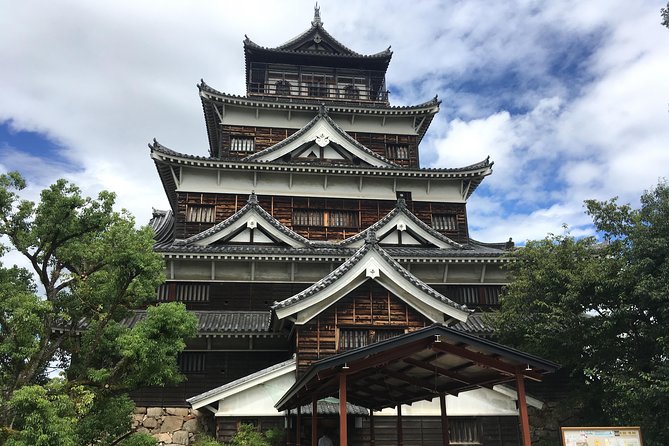
After the memorial sites, the ride shifts to Hiroshima Castle. The contrast is helpful. You move from the city’s twentieth-century tragedy to an older chapter of Japanese history, with castle grounds, trees, and open paths.
The stop lasts about 25 minutes. You ride through the landscaped grounds, see the castle up close, and hear about its role in Hiroshima’s past. The tour focuses on the exterior and surrounding grounds rather than giving you a long indoor visit.
That approach keeps the morning moving, though it may leave you wanting more time inside the castle. If you have a strong interest in samurai-era history, make a note to return independently. The tour’s purpose is to give you a broad introduction to several parts of Hiroshima, not to explore one attraction in depth.
I like this section because it prevents the morning from becoming a single-topic memorial tour. You get a better picture of Hiroshima as a living city with layers of history, rather than a place defined only by 1945.
A few more bike tours around Japan worth a look
- Hidden Kyoto E-Biking tour
★ 5.0 · 1,843 reviews - Tokyo Guided Small-Group Biking Tour
★ 5.0 · 1,250 reviews - Bike Tour Exploring North Kyoto plus Lunch
★ 5.0 · 1,087 reviews - Tokyo Great Cycling Tour
★ 5.0 · 811 reviews
Shukkei-en Garden: the calm final stop
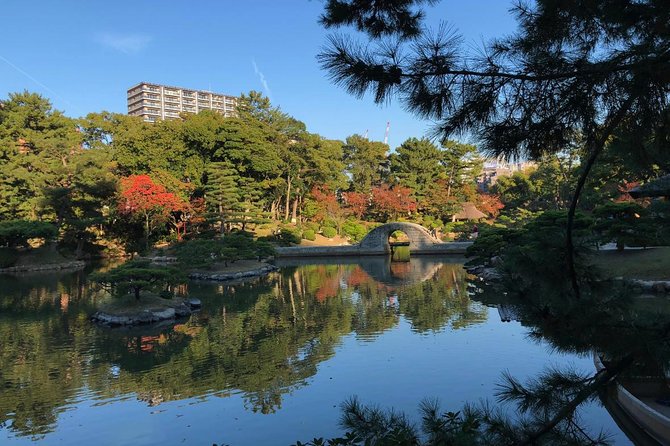
Shukkei-en Garden provides the quietest finish. The garden is arranged around greenery, water, and carefully balanced views. Your guide explains how Japanese gardens are planned and why the placement of elements matters.
Admission is included, which is a useful detail. You do not need to handle another ticket while the group is moving. The visit lasts about 25 minutes, enough for an introduction and a short walk, though not enough to see every corner at a slow pace.
This stop also gives your legs a break from cycling. The garden is best taken at an unhurried pace, so do not expect to spend the full morning on the bike. The variety is the point: memorial park, surviving wartime structure, historic castle, and a traditional garden.
If you plan to return, Shukkei-en may reward a longer visit than the tour allows. The included stop helps you decide if it deserves more of your afternoon.
The guides are the heart of the experience
The bikes get you from place to place, but the guides give the tour its shape. Guides named in recent departures include Awais, Melissa, James, Yuki, Amy, Levi, and Ihsan. The exact guide depends on your date.
Awais has been singled out for detailed explanations, friendly conversation, and a willingness to answer questions. He has also taken photographs for guests and extended a tour when the group needed more time for the stories. Melissa has been praised for her energy and warmth, while James is known for careful safety instructions and a strong command of local history.
Levi begins with a history lesson before the riding, which suits anyone who likes context before seeing the monuments. Amy has included origami cranes connected with the Children’s Peace Monument. Those touches show how different guides can shape the morning while following the same broad route.
The strongest pattern is clear communication. Guides explain hand signals, check that everyone has the right bike, adjust seats, provide water, and ride at a steady pace. English ability can vary by guide, but the named guides in the supplied information were repeatedly described as clear and engaging.
Bike choice, fitness, and safety
A standard bicycle is included, along with a helmet and bottled water. The route is mostly flat, and one 12-year-old managed a regular bike on a hot day, though the official guidance says the tour is not recommended for children aged 12 and under.
You must be at least 140 centimeters tall to ride. The operator says most people can participate, but you should still judge your own comfort honestly. You will be cycling, stopping, standing, and remounting for three to four hours.
An e-bike may be available for an extra ¥2,000. This can be worthwhile if you have not ridden a normal bicycle recently, are concerned about heat, or do not want to work hard between stops. Do not assume an e-bike is guaranteed. Availability is limited, so ask when booking.
The tour’s safety routine is a real advantage for less confident riders. Guides explain signals and monitor the group. Still, you need to follow instructions and remain aware of traffic and other cyclists. This is a city ride, not a closed cycling path.
Timing, meeting point, and what the price covers
The tour starts at 10:00 a.m. from Cycle Hiroshima at 4-chōme-5-4 Ōtemachi, Naka Ward. It ends back at the same meeting point, which makes planning the rest of your day easier.
At $72.96 per person, the price is not the cheapest way to move around Hiroshima. The value comes from combining equipment, a small group, an English-speaking guide, bottled water, four major stops, and Shukkei-en admission in one morning.
For a first visit, I think the price is fair if you have only a day or two in the city. You cover more ground than on foot and get a useful explanation of the sites before deciding where to spend extra time. It is also practical for a cruise-ship stop, since one departure was used successfully by people visiting Hiroshima for the day.
The value is weaker if you already know the city well, plan to visit each site at length, or prefer using public transportation at your own pace. You can reach the main sights independently for less, but you will need to organize the route and supply your own historical context.
The tour normally lasts three to four hours. Delays, extended explanations, or weather can change the timing. Allow extra space afterward if you have a train to catch. One guide went out of his way to help a rider who was worried about missing a Bullet Train, but you should not build your schedule around that kind of rescue.
Weather and practical planning
The experience depends on good weather. If poor conditions force cancellation, you can choose another date or receive a full refund. Free cancellation is available up to 24 hours before the start time. Changes or cancellations inside that window are not accepted for a refund.
Wear clothes suitable for cycling and bring anything you need for sun or rain. Water is supplied, but a hot day can still make a standard bike feel harder than expected. The tour can sometimes shift from cycling to walking in wet weather, though the exact arrangement depends on conditions.
The start and finish are the same, but hotel pickup and drop-off are not included. Plan your own way to the meeting point and leave enough time to check in, choose a bike, and listen to the safety briefing.
Who should book this Hiroshima bike tour?
I would choose this tour if you are visiting Hiroshima for the first time and want a fast, meaningful orientation. It suits people who like history but do not want to spend an entire morning indoors. It is also a good option if you have limited time and want to see the major sites before returning to the ones that interest you most.
Families with older children can enjoy it, especially if the children are comfortable on bikes and meet the 140-centimeter minimum. The official guidance makes it unsuitable for children aged 12 and under, so do not book it for younger riders without checking directly.
You should think twice if you dislike frequent stops, find cycling uncomfortable, or want long visits at the Peace Memorial Museum, Hiroshima Castle, or Shukkei-en Garden. The tour introduces these places, but it does not replace a full visit.
Should you book it?
Book it if you want a thoughtful city overview with real historical context, especially during a short stay. The mostly flat route, small group, included equipment, and strong guide involvement make it an efficient way to connect Hiroshima’s key sights.
Skip it if you want complete independence or a long, quiet visit at each stop. For most first-time visitors who can comfortably ride a bicycle, this is a useful and moving morning, with enough variety to show both Hiroshima’s painful past and its peaceful present.
FAQ
How long does the Hiroshima bike tour last?
The tour lasts approximately three to four hours and begins at 10:00 a.m.
Where does the tour start and finish?
It starts and ends at Cycle Hiroshima, 4-chōme-5-4 Ōtemachi, Naka Ward, Hiroshima, 730-0051, Japan.
What sights does the tour visit?
The route includes Hiroshima Peace Memorial Park, the Atomic Bomb Dome, Hiroshima Castle, and Shukkei-en Garden.
Are bikes and helmets included?
Yes. Bike rental, a helmet, bottled water, and an English-speaking guide are included. Admission to Shukkei-en Garden is also included.
Can children join the tour?
The tour is not recommended for children aged 12 and under, and riders must be at least 140 centimeters tall.
What happens if the weather is bad?
The tour is subject to weather conditions. If it is canceled because of poor weather, you can choose an alternative date or receive a full refund.
Just added around Japan
- Kyoto: Afternoon Bamboo Forest and Monkey Park Bike Tour★ 4.9 · 83 reviews
- 4.5-hr Kyoto Historical Highlights Bike Tour with UNESCO★ 4.7 · 13 reviews
- 3-Hour Tokyo Private E-Bike Tour Starting from Your Hotel★ 5.0 · 117 reviews
- Private-group Morning Cycling Tour in Hida-Furukawa★ 5.0 · 105 reviews
- Private Afternoon Cycling Tour in Hida-Furukawa★ 5.0 · 109 reviews
- 1-Day Private Rural E-Bike Tour in Hida★ 5.0 · 188 reviews
- Eat, Drink & Cycle: Osaka Foodie Bike Tour★ 5.0 · 224 reviews
- One-Day Osaka Bike Adventure: 5–6 Hours★ 5.0 · 246 reviews
Hiroshima Bike Tours, compared.
Hiroshima 2hr Peace Cycling Tour with Local Guide
Read our review →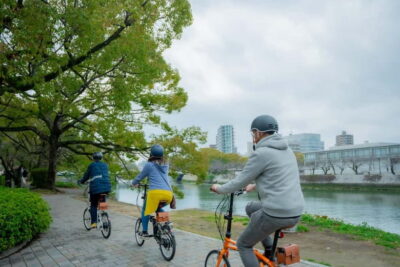
Browse the lists this tour appears in