
REVIEW · KYOTO
Hidden Kyoto E-Biking tour
Kyoto’s best moments are not always found at its busiest temples. This small-group e-bike tour links Kinkakuji and Kitano Tenmangu with quiet lanes, Zen gardens, and lesser-known corners of northern Kyoto. I like the easy electric bikes and the chance to see a lot without burning half the day on foot. I also like the guides, especially Yuta, Michael, Sean, and Henry, who bring real feeling to stories about Zen, Shinto, geisha culture, and feudal Japan.
The main drawback is that this is still a cycling tour, not a slow temple walk. You need to arrive ready to ride, handle a few hills and descents, and keep to the group’s pace. Long guide talks can also reduce your time at the sights, so tell your guide if you prefer shorter explanations and more exploring.
Key points to know before you book
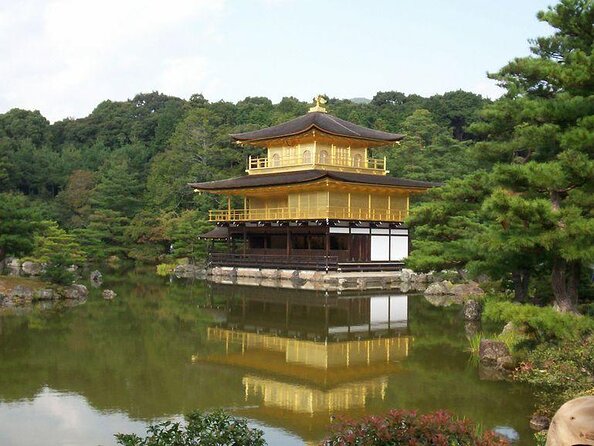
- Northern Kyoto without the usual crowds: The route uses back streets and quieter temple grounds around Kinkakuji, Daitokuji, and Kitano.
- Electric assistance makes the hills manageable: The included e-bikes reduce the effort, though you still need basic cycling confidence.
- Small groups keep the ride personal: The maximum is eight people, which makes questions and pace adjustments easier.
- Guides add cultural context: Yuta, Michael, Sean, Henry, Shizuka, and Mike have been praised for clear storytelling about Buddhism, Shinto, geisha, samurai, and local customs.
- A half-day with plenty packed in: The ride lasts about 3 hours and 45 minutes and covers roughly 7 to 8 kilometers.
- The weather matters: The tour requires good weather. If NORU cancels because of poor conditions, you can choose another date or receive a full refund.
Why this ride shows you a calmer Kyoto
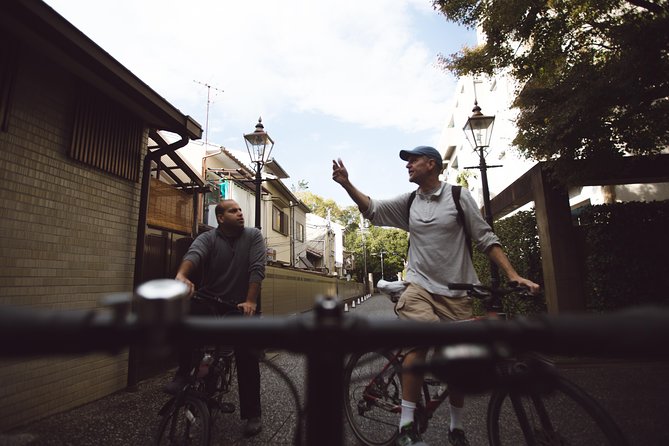
Kyoto can feel like a parade of buses, umbrellas, and selfie sticks, especially around its famous temples. The smart idea here is to use the bicycle for the spaces between the headline sights. You move from a major landmark to a quiet neighborhood, then from a neighborhood to a temple garden that many visitors would miss on a first visit.
The route begins at NORU Kyoto Bike Tours in Kamigyo Ward. After receiving your folding rental bike, helmet, and water, you get a basic introduction to the e-bike. That matters even if you have ridden bicycles for years. Several people who had not cycled in a long time found the bikes easy to handle, but an electric bicycle still has its own controls and braking feel.
The ride is described as easy, but that does not mean completely flat. You may face hills and some fairly steep descents. The electric motor takes much of the strain out of uphill riding, yet you still need to steer, brake, and watch the road. The guides keep an eye on the group, and one guide may stay close to a less confident rider, but you should not book this if you cannot ride a bicycle.
With a maximum of eight people, the experience feels more like a guided outing than a moving crowd. You can ask about a temple detail, pause for clarification, and hear the guide without standing at the back of a large group. The smaller size also helps the ride use lanes and spaces where a full bus group simply could not go.
More E-Bike Tours in Japan
- 5 Top Highlights of Kyoto Full Day Bike Tour (E-bike option)
★ 5.0 · 511 reviews - Kyoto: Memory Kyoto E-Bike Tour
★ 4.8 · 297 reviews - E-Bike Tours of the highlights of Kyoto!!!
★ 5.0 · 291 reviews
Kinkakuji, the famous first stop
Kinkakuji, the Golden Pavilion, is the tour’s best-known stop. Its gold-covered upper stories and pond setting are instantly recognizable, and it gives you the headline Kyoto sight many people want to see.
The tradeoff is obvious: Kinkakuji is famous for a reason, so it is unlikely to feel secret or empty. Your visit works best when you accept that this is the busy anchor of the route, then appreciate how quickly the ride moves beyond the standard sightseeing circuit.
A guide can help you read the place rather than simply photograph it. The tour’s broader focus on Zen and Japanese religious traditions gives Kinkakuji more context, especially if you are unsure how Buddhist temples differ from Shinto shrines. You can ask about etiquette, customs, and the meaning behind what you are seeing.
Keep your expectations practical. This is not a private, extended tour of every corner of Kinkakuji. It is one stop in a wider ride, and the real pleasure comes from the contrast between this celebrated site and the quieter places that follow.
Daitokuji and the rhythm of temple life
Daitokuji is a large temple complex rather than one single building. Its collection of sub-temples and gardens gives the ride a more intimate feel than the major landmark at Kinkakuji.
This is a good place for the guides’ cultural explanations. Zen Buddhism comes up often on the tour, and the setting gives those ideas a physical form through gates, garden spaces, simple architecture, and carefully framed views. Yuta, in particular, has been praised for explaining Zen teachings and Japanese traditions in a way that feels connected to the places you visit.
Do not expect every sub-temple to be open at all times. The itinerary names Daitokuji, Koto-in, and Zuihoin, but access can depend on the day and site conditions. Your guide handles the route, and the exact amount of time at each place may change.
The complex also marks a shift in the tour. Kinkakuji is a major sightseeing stop. Daitokuji feels more like a place where you slow down and notice details. If you like gardens, religious architecture, and thoughtful explanations, this part may be more rewarding than the famous pavilion.
Kitano Tenmangu and Kyoto’s neighborhood side
Kitano Tenmangu is a major shrine dedicated to Sugawara no Michizane, a figure associated with learning. It gives you a chance to compare Shinto space with the Buddhist temples on the route.
Your guide may explain how to behave at a shrine, how Shinto and Buddhism differ, and how religious customs fit into daily life in Japan. These practical details are useful. You will leave better prepared for the rest of your Kyoto visit, rather than simply collecting another photograph.
The area around Kitano also helps show why a bicycle works so well here. Instead of going directly from one attraction to the next by taxi or bus, you pass through ordinary streets and residential corners. That in-between time is part of the experience. You see the city at street level, with time to notice small lanes and traditional-looking buildings without needing to plan a separate neighborhood walk.
Traffic awareness still matters. Kyoto’s quieter streets are not car-free, and you are riding in a group. Follow the guide’s instructions, leave space between bicycles, and be especially careful on descents.
More E-Bike Tours in Kyoto:
- Arashiyama Bamboo Forest E-Biking Tour
★ 5.0 · 183 reviews - Historical Kyoto E-Bike Tour
★ 5.0 · 181 reviews - Kyoto: Fushimi Inari Shrine and Tofukuji Temple E-Bike Tour
★ 5.0 · 75 reviews - 3-Hour Porto Highlights on a Electric Bike Guided Tour
★ 5.0 · 4,392 reviews
Koto-in and Zuihoin for a quieter Zen experience
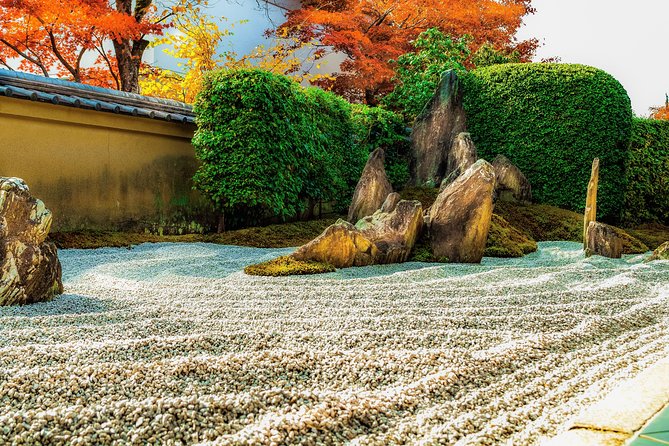
Koto-in and Zuihoin are the sort of stops that give this tour its name. They are less immediately famous than Kinkakuji, but they offer a calmer setting for gardens, temple design, and Zen ideas.
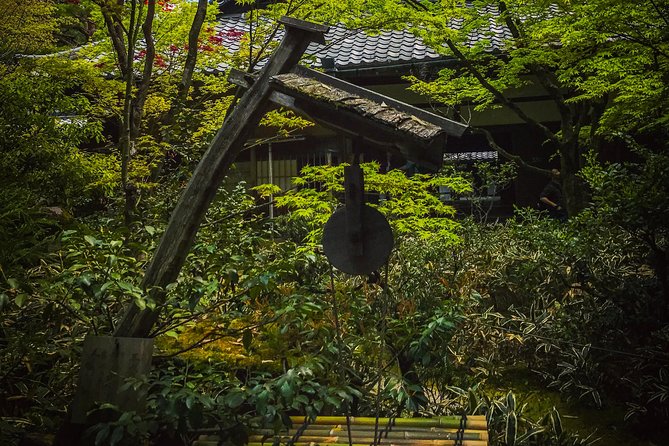
Koto-in is associated with a carefully composed approach and garden setting. Zuihoin adds another chance to see how Japanese gardens use space, stones, plants, and empty areas to shape your attention. The exact experience can vary with season, weather, and access, but these stops are intended to slow the pace.
This is where a strong guide makes a real difference. A bare-bones bicycle rental could get you through the streets, but it would not necessarily help you understand why a simple garden feels deliberate or why a temple entrance is arranged in a particular way. Guides including Michael and Henry have been praised for turning these stops into clear stories rather than a string of names and dates.
There is one point to manage. Some guides give long explanations, and one person found the amount of speaking excessive for a tour of this length. I see that as a useful warning rather than a major flaw. If you prefer more independent time, say so politely. A good guide can shorten the talk or leave room for quiet observation.
The ride between the temples is part of the tour
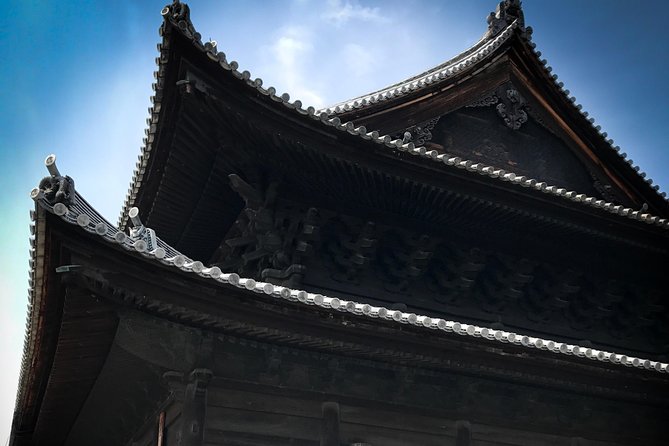
The advertised distance is roughly 7 to 8 kilometers, with the full experience lasting about 3 hours and 45 minutes. That tells you this is not a speed ride. Much of the time goes into stopping, listening, walking around temple grounds, and taking in the surroundings.
The electric assistance is important because the route includes hills. Several people who were nervous about cycling, including riders who had not been on a bike for years, managed the trip. The bikes are described as easy to use, and their folding design helps NORU fit equipment into a compact meeting point.
You still need a reasonable level of balance and confidence. An e-bike makes pedaling easier, not cycling optional. If you are comfortable on a standard bicycle but worried about stamina, this is likely a sensible format. If you have trouble starting, stopping, turning, or riding near other people, choose a walking experience instead.
The ride also gives your legs a break from the hard surfaces of Kyoto’s temple districts. You are not walking several kilometers between every stop, and the moving portions let you absorb the city without standing in a bus. That balance is one of the tour’s strongest practical features.
Guides who bring the temples to life
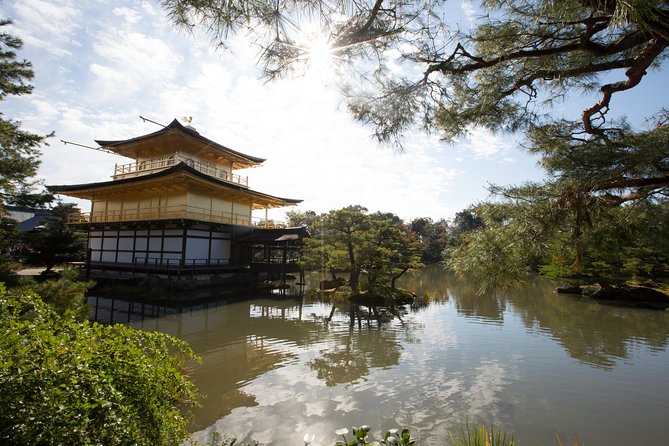
Guide quality appears to be one of the biggest reasons this experience works. Yuta is often singled out for fluent English, warmth, and his ability to explain Zen Buddhism, Shinto, geisha history, temple etiquette, and feudal Japan. Michael has been praised as a strong storyteller, while Sean is noted for clear explanations, humor, rain preparation, and useful food suggestions. Henry and Shizuka have also led rides praised for cultural insight and personal attention.
The guide assigned to your departure may differ. You should not book solely expecting one particular person unless NORU confirms that person for your date.
The best part of the guiding style is its range. You may hear about the difference between a shrine and a temple, then learn about maiko, geisha, samurai, or local customs. Guides also provide practical recommendations after the ride, including places to eat and shop.
The amount of explanation is the one potential mismatch. If you enjoy cultural background, the talks add real value. If you want constant motion and only brief stops, you may find the pace too talk-heavy. I would tell the guide at the start that you want a good balance between stories and free time.
Tea, rain, and the little details
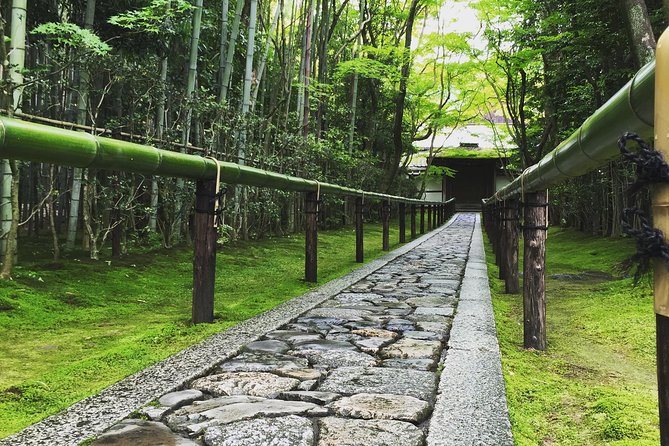
The ride can include a charming tea stop, with a story connected to a tea business said to stretch back more than a thousand years and across 28 generations. This is a memorable detail because it gives the tour a direct link to living local tradition, rather than only presenting Kyoto as a collection of old monuments.
The tea stop is not listed as a guaranteed included meal, so do not book this expecting lunch or a full food tour. Food and drinks are generally not included unless specifically stated. Eat beforehand if you need a proper breakfast, and plan a meal afterward.
Rain does not automatically ruin the outing, but it changes the experience. Some people have enjoyed riding in drizzle, while others received rain gear and practical help from guides. You should bring your own raincoat or poncho and weatherproof gloves if rain is forecast. The operator may cancel in poor weather, in which case you receive another date or a full refund.
Price, timing, and what you get for $116
At $116 per person, this is not the cheapest way to rent a bicycle in Kyoto. You are paying for more than the bike, though. The price includes an English-speaking route coordinator, the rental bike, a helmet, and water, plus a guided route that links several temple and shrine areas without requiring you to plan the connections yourself.
The value is strongest if you want cultural explanation and a carefully chosen route. A bicycle rental alone can get you moving, but you would need to research the sights, navigate between them, and decide which quiet lanes are worth your time. Here, your half-day is structured and supported.
The cost is less appealing if you mainly want independent cycling or have already visited these temples with a guide. In that case, a simple rental may give you more freedom for less money. For a first or second Kyoto visit, though, the combination of famous sights, side streets, and Zen-focused stops makes the price reasonable.
Departure times are offered in the morning and afternoon, including 8:30, 9:00, 12:30, and 1:00. Arrive at least 15 minutes early. The tour leaves on time, and a late arrival or missed booking is not refunded.
Who should book the Hidden Kyoto E-Biking tour
I would choose this for anyone who wants to see more of northern Kyoto in one half-day, especially first-time visitors who want orientation without spending the entire day on foot. It also suits repeat visitors who have already seen the headline temples and want quieter streets and smaller religious sites.
Families with teenagers can consider it because the minimum age is 13. The format also suits couples, friends, and solo riders who enjoy small groups and conversation.
I would be cautious if you dislike bikes, have limited cycling confidence, or want a completely flat route. I would also think twice if you want long, quiet visits at each temple. This is a moving tour with several stops, not a private meditation session.
FAQ
Where does the Hidden Kyoto E-Biking tour start?
It starts at NORU Kyoto Bike Tours, located at 429-22 Takigahanacho, Kamigyo Ward, Kyoto, 602-8336, Japan.
Where does the tour finish?
The ride ends back at the original NORU meeting point.
How long does the experience last?
The tour lasts approximately 3 hours and 45 minutes.
How far do you ride?
The route covers roughly 7 to 8 kilometers, or about 4.3 to 4.9 miles, depending on the route description.
What sights are included?
The route includes Kinkakuji Temple, Daitokuji Temple Complex, Kitano Tenmangu Shrine, Koto-in, and Zuihoin.
Are the bicycle and helmet included?
Yes. A rental bike and helmet are included, along with water.
What is the minimum age?
The minimum age is 13.
How many people can join?
The tour has a maximum of eight participants.
What happens if the weather is poor?
If the operator cancels because of poor weather, you can choose another date or receive a full refund. You can also cancel for a full refund if you do so at least 24 hours before the start time.
Should you book it?
Book this tour if you want Kyoto’s famous temples paired with quiet lanes, local stories, and a manageable amount of cycling. The e-bike removes much of the physical strain, while the small group and strong English-speaking guides give the ride more depth than a basic rental.
Skip it if you cannot ride a bicycle, need a fully flat route, or prefer to spend most of your time sitting quietly at one temple. For everyone else, this is a smart half-day choice, especially early in your Kyoto stay. It helps you get your bearings, introduces the city’s religious traditions, and shows you a side of Kyoto that is easy to miss from a bus window.
Just added around Kyoto
- Kyoto: Afternoon Bamboo Forest and Monkey Park Bike Tour★ 4.9 · 83 reviews
- 4.5-hr Kyoto Historical Highlights Bike Tour with UNESCO★ 4.7 · 13 reviews
- Arashiyama Bamboo Forest E-Biking Tour★ 5.0 · 183 reviews
- Kyoto: Arashiyama Bamboo Forest Morning Tour by Bike★ 5.0 · 115 reviews
- Kyoto: Fushimi Inari Shrine and Tofukuji Temple E-Bike Tour★ 5.0 · 75 reviews
- Historical Kyoto E-Bike Tour★ 5.0 · 181 reviews
- 4.5-Hour Kyoto Bike Tour with Lunch and UNESCO Zen Temples★ 5.0 · 122 reviews
- Afternoon Kyoto Bike Tour: Bamboo Forest, Monkeys & Hidden Spots★ 5.0 · 283 reviews
Kyoto Bike Tours, compared.
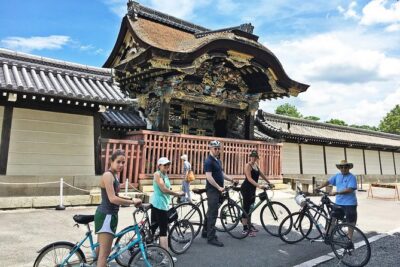
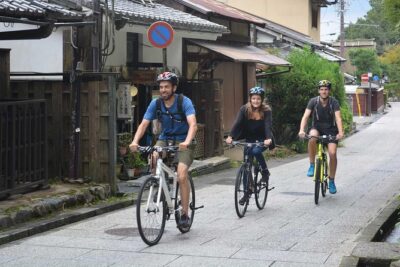
Arashiyama Bamboo Forest & Hidden Gems Bike Tour (Early Bird)
Read our review →
5 Top Highlights of Kyoto Full Day Bike Tour (E-bike option)
Read our review →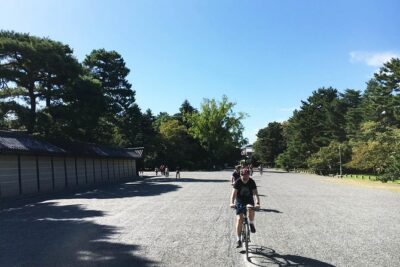
Full Day Biking Tour Exploring the Best of Kyoto
Read our review →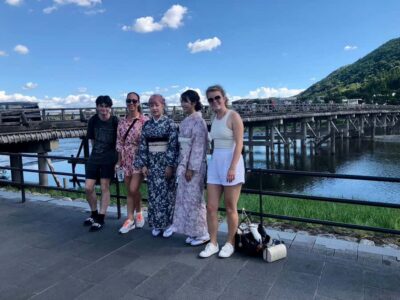
Afternoon Kyoto Bike Tour: Bamboo Forest, Monkeys & Hidden Spots
Read our review →
Browse the lists this tour appears in