

REVIEW · JAPAN
eTour de Matsumoto – Electric Bike Tour
Matsumoto is at its best when you leave the castle district behind. On this four-hour electric-bike ride, you pedal past rice fields, farmhouses, shrines, and the Susuki-gawa River with the Japanese Alps spread out behind you. I like that the route mixes famous Matsumoto sights with quiet country roads, rather than keeping you on a standard city circuit.
I especially like the visit to Fukashi Shrine, a quieter stop with links to farming, weather, and scholarship. I also like the relaxed pace. The ride includes frequent breaks for photos and sightseeing, so you are not racing from one stop to the next.
The main thing to consider is the physical effort. An e-bike makes the route manageable, but you still need a moderate level of fitness, and summer riders should bring water, snacks, and sun protection. Lunch is not included, though one guide-led outing included a good local soba meal.
Key points to know before you book

- A countryside route beside Matsumoto: Ride through rice fields, vineyards, traditional farmhouses, and the Yamabe Valley, with the mountains as a backdrop.
- Four important stops: The route includes Fukashi Shrine, the Susuki-gawa River and Yamabe Valley, Asama-Onsen Village, and Matsumoto Castle.
- A relaxed e-bike pace: The tour is built for discovery, not speed, with regular stops to learn, take pictures, and catch your breath.
- A small group of up to eight: The limited group size should make it easier to hear the guide and ask questions.
- Guide-led local context: Kevin is one guide associated with the tour and has been praised for explaining Matsumoto’s area and past.
- Good weather matters: The activity requires suitable weather. If poor weather cancels it, you can choose another date or receive a full refund.
Why a bicycle fits Matsumoto so well
Matsumoto is compact enough to explore by bicycle, yet its best views often begin just beyond the central streets. The city sits in the Japanese countryside, surrounded by fields, rivers, foothills, and the distant Japanese Alps. An electric bicycle gives you a practical way to connect these pieces without making the ride feel like an athletic event.
That matters because Matsumoto’s appeal comes from contrast. You get a famous wooden castle, but also quiet shrines that many overseas visitors miss. You pass developed streets, then reach open fields and traditional farmhouses. The route lets you see how the city fits into its wider region.
The electric assist is useful on a four-hour outing. You still pedal, but the bike helps reduce the strain of distance and small rises. This makes the tour suitable for most people with moderate fitness, though it is not a sightseeing bus. You should be comfortable riding a bicycle for several hours, getting on and off at stops, and remaining outdoors.
The pace is intentionally easy. You will have time to stop for pictures and listen to explanations instead of worrying about keeping up. That makes the tour a good choice early in a Matsumoto visit, since the guide can help you understand the city’s geography, shrines, farming areas, and major sights.
More E-Bike Tours in Japan
- Hidden Kyoto E-Biking tour
★ 5.0 · 1,843 reviews - Tokyo Top Highlights 3h Guided E-bike Tour
★ 5.0 · 714 reviews - 3h Tokyo E-Bike Tour: Hidden Gems, and Local Life with guide
★ 5.0 · 670 reviews
Starting at Matsumoto Station

The tour begins at Matsumoto Station, at 1 Chome-1 Fukashi. This is a practical meeting point if you arrive by train or are staying near the city center. The activity also ends back at the station, so you do not need to arrange a separate ride home.
You receive a bicycle and helmet as part of the price. Helmets are required during the ride. Other safety equipment is not supplied, so bring anything extra you personally need. A small day bag is useful for water, sunscreen, a camera, and a few snacks.
The group limit is eight people. That is small enough for a more personal outing and should help when the guide is explaining a shrine or pointing out a feature in the countryside. The exact guide may vary, but Kevin has led the tour and is specifically praised for his understanding of the area and his ability to explain its past.
Before setting off, use the station facilities and check that you have enough water. The tour does not include lunch, snacks, or incidental purchases. You can buy food on your own, and one outing included a soba lunch at a local restaurant, but that should not be treated as a guaranteed part of the tour.
Fukashi Shrine and Matsumoto’s local traditions
Fukashi Shrine provides an early look at the cultural side of Matsumoto. It is dedicated to two Shinto deities: Suwamiyojin, associated with wind, water, and agriculture, and Tenjin, associated with scholarship.
The connection to agriculture is especially fitting for this ride. You are not simply passing through farmland as scenery. The shrine helps explain why water, weather, and productive fields matter so much in this part of Japan. Tenjin also gives the shrine an academic connection, and his name is linked to the shrine’s best-known festival, Tenjin Matsuri.
This stop is valuable because it slows the tour down. A quick bicycle route could treat the shrine as a photo stop, but the guide’s role is to give it context. You can look at the setting, learn what the shrine represents, and better understand how local religious life connects with the countryside around Matsumoto.
Do not expect the scale of Matsumoto Castle here. Fukashi Shrine is appealing because it offers a quieter, less famous place. If you want only headline attractions, the stop may feel modest. If you want a better sense of ordinary local culture, it is one of the tour’s stronger moments.
Following the Susuki-gawa River into the Yamabe Valley

East of town, the Susuki-gawa River comes down from the mountains and runs past vineyards and rice fields. The ride through this area is the heart of the countryside portion of the tour.
Here you get the open views that are hard to appreciate from central Matsumoto. Fields stretch across the valley, farmhouses provide a traditional visual note, and the mountains frame the route. The scenery changes with the season, but the basic pleasure remains the same: fresh air, a quiet road, and room to notice the details around you.
The Yamabe Valley is also where the electric bicycle earns its keep. You can cover more ground than on foot and avoid turning the day into a hard workout. At the same time, you remain close to the land. You hear the bicycle, feel the road, and stop when the guide wants to point something out.
The route description suggests time to wander and take in the area rather than simply pass through it. That is a useful distinction. This is not a race to collect viewpoints. It is a slow country ride with a guide who can help connect the vineyards, rice fields, river, and mountain setting.
Bring sun protection, especially in summer. The open fields offer little shade, and the tour’s own advice is to carry enough water and snacks. A camera is useful, but do not forget that you will need one hand free for the handlebars and that stops are better times for photographs.
Same city, a different ride:
- Tokyo Guided Small-Group Biking Tour
★ 5.0 · 1,250 reviews - Bike Tour Exploring North Kyoto plus Lunch
★ 5.0 · 1,087 reviews - Tokyo Great Cycling Tour
★ 5.0 · 811 reviews - Arashiyama Bamboo Forest & Hidden Gems Bike Tour (Early Bird)
★ 5.0 · 613 reviews
Asama-Onsen Village and the culture of hot springs

North of Matsumoto, Asama-Onsen Village introduces one of Japan’s most familiar traditions: the onsen, or natural hot spring. Hot springs are an important part of Japanese culture, and this stop adds a different side of the region after the rural cycling.
The tour does not state that bathing is included, so do not book this activity expecting a hot spring session. Instead, think of Asama-Onsen as a place where the guide can explain the role of hot springs in local life and show you one of the area’s established onsen communities.
This stop also breaks up the ride nicely. You have moved through farmland and valley roads, then reach a settlement known for naturally heated water. It gives the day a clear regional focus beyond the castle and city center.
The practical limitation is time. With a total duration of about four hours and several stops, you will not have unlimited time to explore Asama-Onsen Village independently. If soaking in a hot spring is a top priority, plan a separate visit. If you simply want to see more of Matsumoto’s surroundings and learn about the onsen tradition, the stop fits well.
Matsumoto Castle, the tour’s headline sight

Matsumoto Castle is the most famous stop and the one many people will already have planned to see. With more than 400 years of history, it is one of only five castles in Japan designated a National Treasure. The others are Himeji, Hikone, Inuyama, and Matsue.
The castle gives the bicycle tour a strong finish or central anchor, depending on the exact route used that day. After seeing shrines, fields, rivers, and hot springs, you return to the city’s best-known landmark. The contrast helps you understand Matsumoto as both a historic castle town and a rural regional center.
The tour information does not say that castle admission is included. It also does not promise a full interior visit, so you should confirm the day’s plan if entering the castle matters to you. The ride does, however, include the castle as a major sightseeing point, allowing you to see it as part of the city rather than as an isolated attraction.
If you are already planning a separate castle visit, this tour can still add value. You will see Matsumoto from a wider angle and learn how the built-up center relates to the farming country around it. If your schedule is very short and the castle is your only priority, a walking visit may be more direct.
What the $88.02 price gets you

At $88.02 per person, this is not the cheapest way to see Matsumoto. The price covers the English-speaking guide, electric bicycle, and helmet. It does not cover lunch, snacks, souvenirs, other miscellaneous costs, or insurance.
The value depends on how you like to travel. You are paying for more than a bike rental. The guide provides the route, local explanations, safety support, and a way to link several parts of the area in four hours. A rental bicycle could cost less, but you would need to choose the route, find the countryside roads, manage directions, and supply your own background on Fukashi Shrine, Asama-Onsen, and the valley.
The small group helps justify the cost. With a maximum of eight people, the guide can keep the pace together and answer questions without handling a large crowd. That personal scale is useful on a route where the best moments are small details, not just major monuments.
The tour has a perfect 5 rating from 16 reviews and a 100 percent recommendation rate. That is a small sample, so I would not treat it as proof that every outing will be identical. Still, the repeated strengths are clear: quiet countryside, lesser-known shrines, mountain views, local history, and a friendly guide. One specific outing also included a soba lunch at a local restaurant, which points to a possible added pleasure, but lunch is not part of the stated inclusion list.
Fitness, weather, and what to bring

The tour is described as suitable for most people with moderate fitness. The electric bicycle helps, and the pace includes plenty of breaks. You should still be ready for a moderate amount of cycling over four hours.
This is not the best choice if you dislike bicycles, have difficulty riding for extended periods, or want a fully passive sightseeing experience. You may also find the tour less appealing during poor weather, since the activity depends on suitable conditions and the route is primarily outdoors.
Pack:
- Water
- Small snacks
- Sun protection
- Comfortable clothing for cycling
- Any personal safety equipment you need beyond a helmet
- A camera or phone for the countryside stops
The activity provider offers free cancellation up to 24 hours before the start time. Changes or cancellations made within 24 hours are not accepted for a refund. If bad weather cancels the tour, you can choose another date or receive a full refund.
Who will enjoy this ride most
I would choose this tour for someone spending at least a day in Matsumoto who wants more than the castle. It is particularly useful if you like local shrines, rural scenery, photography, and learning how a city connects to its surrounding area.
It also suits people who want active sightseeing without committing to a hard cycling trip. The e-bike and relaxed schedule keep the outing approachable, while the four-hour length gives you enough time to leave the central streets.
Families and mixed-ability groups may appreciate the electric assistance, but every participant should still be comfortable on a bicycle. The small group limit is another plus for people who prefer conversation and flexibility over a large organized outing.
I would hesitate to book it if your Matsumoto schedule is extremely tight, if you are visiting mainly for an indoor castle tour, or if you expect lunch and hot spring bathing to be included. Those are separate considerations, not guaranteed parts of the ride.
Should you book the eTour de Matsumoto?
Book it if you want to see the quiet side of Matsumoto: rice fields, vineyards, farmhouses, a local shrine, the Yamabe Valley, Asama-Onsen, and the castle in one guided outing. The best reason to choose it is the combination of countryside and context. You get fresh air and mountain views, but you also learn what you are looking at.
The price is fair for a small-group guided route with an electric bicycle, especially if you would otherwise need to plan the countryside portion yourself. Just budget separately for food, bring water and sun protection, and confirm your fitness for several hours of riding.
If you want a calm, active introduction to Matsumoto and its surrounding country, I would book this tour. If you want only the castle, spend your time and money there instead.
FAQ
Where does the eTour de Matsumoto begin?
The tour begins at Matsumoto Station, at 1 Chome-1 Fukashi, Matsumoto, Nagano 390-0815, Japan.
Where does the tour end?
The activity ends back at the meeting point at Matsumoto Station.
How long does the electric bike tour last?
The tour lasts approximately four hours.
Is an English-speaking guide included?
Yes. An English-speaking guide is included. Kevin is one guide associated with the experience, though the assigned guide may vary.
Is the bicycle included?
Yes. Use of the electric bicycle and a helmet are included in the price.
Is lunch included?
No. Lunch is not included. Snacks, souvenirs, and other miscellaneous fees are also separate. A local soba lunch was part of one outing, but it is not listed as a guaranteed inclusion.
What happens if the weather is poor?
The tour requires good weather. If it is canceled because of poor weather, you can choose a different date or receive a full refund.
Just added around Japan
- Iya Valley BROMPTON Slow Cycling Tour★ 5.0 · 28 reviews
- ONLY YOU in the Bamboo Forest! 4 hours E-bike tour with a local★ 5.0 · 45 reviews
- Pedal Adventure Kyoto’s iconic landmarks on an e-bike tour★ 5.0 · 189 reviews
- South Kyoto in a Nutshell: Gentle Backstreet Bike Tour!★ 5.0 · 225 reviews
- The Beauty of Kyoto by Bike: Private Tour★ 5.0 · 47 reviews
- Explore Hidden Alleyway with a Local Expert (Afternoon Tour)★ 5.0 · 17 reviews
- Secret Eastern Kyoto Biking Adventure★ 5.0 · 44 reviews
- Explore Hidden Alleyway with a Local Expert (Morning tour)★ 5.0 · 61 reviews
Japan Bike Tours, compared.
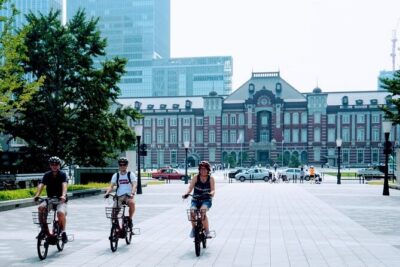
3h Tokyo E-Bike Tour: Hidden Gems, and Local Life with guide
Read our review →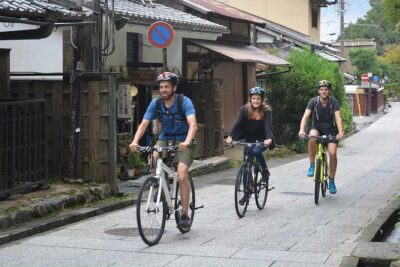
Arashiyama Bamboo Forest & Hidden Gems Bike Tour (Early Bird)
Read our review →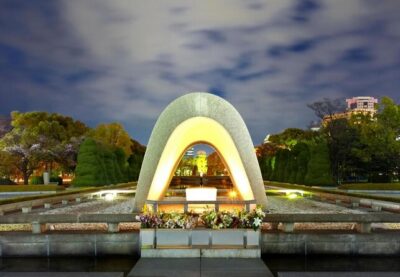
Hiroshima in a Nutshell: Morning Bike Adventure
Read our review →Browse the lists this tour appears in