
REVIEW · HIROSHIMA
Hiroshima and Miyajima by Bike and Boat
Hiroshima and Miyajima make a natural pair, but seeing both in one day can be awkward on your own. This tour solves that problem with a bicycle, train, and ferry, linking city memorials with the island’s shrine and deer without making you plan each connection.
I like two things especially. First, the small maximum of eight people gives the guide room to adjust the pace and answer real questions. Second, lunch is included, with local dishes such as Hiroshima-style okonomiyaki appearing in the mix. The main caution is that this is a long, active day, and some departures spend more time walking on Miyajima than cycling.
Key points
- Small groups of up to eight: Guides such as Aimee, Alex, Ihsan, Ishan, Sage, and James can give the day a personal feel and adjust the pace.
- A genuine city-to-island route: You cycle beside rivers and through neighborhoods, then ride the train and JR Miyajima Ferry.
- Serious history, handled with care: Peace Memorial Park and the Cenotaph receive thoughtful commentary, though the Atomic Bomb Museum is not part of the tour.
- A useful introduction to Miyajima: You see Itsukushima Shrine, local deer, traditional streets, and the island’s wooded setting.
- Lunch is part of the day: Regional food is included, with vegetarian choices available if arranged in advance.
- Weather and stamina matter: Heat, humidity, rain, and a 7 to 8 hour schedule can shape the experience.
Why the bicycle is the right way to begin Hiroshima
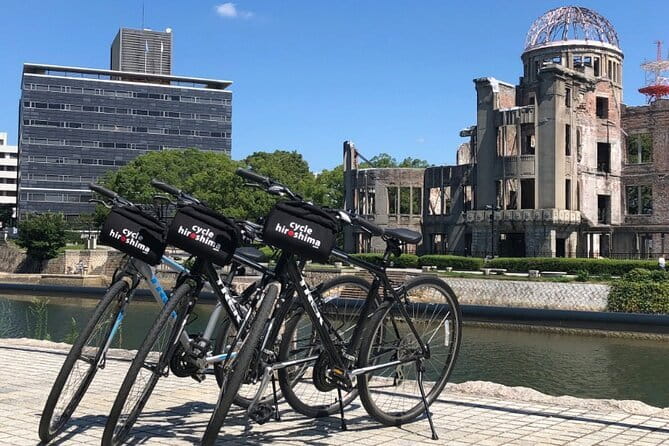
The day starts at Cycle Hiroshima, at 4-chōme-5-4 Ōtemachi, at 9:30 a.m. You are fitted with a bicycle and set off through Hiroshima’s riverside paths, parks, and neighborhoods.
This opening section gives you more range than a walking tour. You can cover the city’s central sights without spending the entire morning on sidewalks, and the ride itself offers a glimpse of everyday Hiroshima between the major monuments. The route is not presented as a hard athletic challenge. Guides have adjusted the pace for mixed groups, stopped for water in hot weather, and supplied bikes in different sizes, including a Trek bicycle suited to a rider 159 centimeters tall.
You should still arrive ready to pedal, walk, and spend much of the day outdoors. The tour is active rather than strenuous by design, but heat and humidity can make even an easy ride feel demanding. Comfortable clothes, sun protection, and water are sensible choices.
More Bike and Boat Tours in Japan:
- Ninh Binh Full-Day Tour from Hanoi to Hoa Lu, Tam Coc & Mua Cave Via Boat & Bike
★ 5.0 · 4,384 reviews - From Perth: Rottnest Island Full-Day Bike and Ferry Trip
★ 4.7 · 2,548 reviews - Ninh Binh Day Trip: Hoa Lu-Trang An/Tam Coc-Mua Cave-Cycling-Boat
★ 5.0 · 1,886 reviews
Peace Memorial Park and the Cenotaph
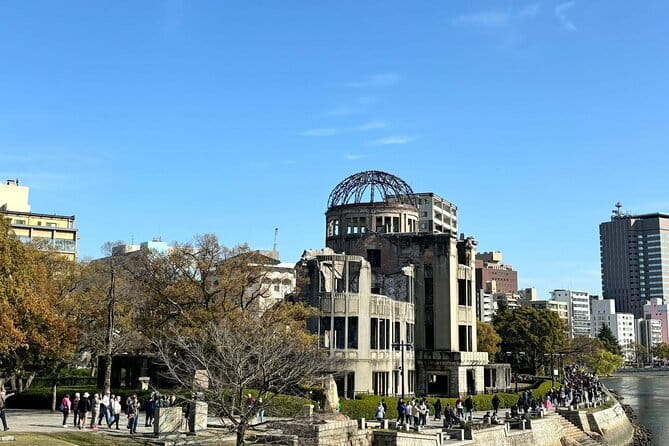
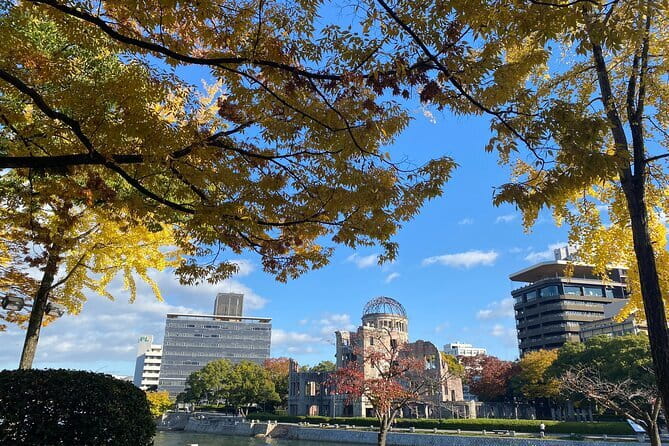
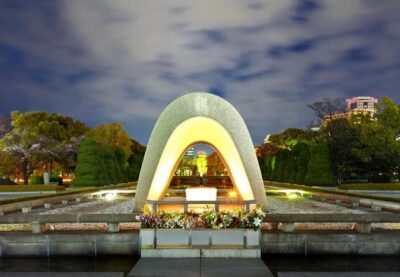
The history portion begins in Peace Memorial Park. Your guide leads you among the park’s memorials and explains the events surrounding the atomic bombing, the people affected, and the city’s recovery.
This is where guide quality matters most. Aimee has been praised for balancing clear historical detail with a respectful tone. James has also been singled out for explaining the events leading up to the bombing and its aftermath in a careful, balanced way. Alex and Ihsan have been described as guides who add context to monuments that are easy to pass without noticing.
The Cenotaph for the Atomic Bomb Victims receives its own stop, with time to pause rather than simply photograph it and move on. That short period of reflection is important. Hiroshima can become a checklist of famous names if you rush, and a good guide helps connect the memorials to the people and choices behind them.
There is one major limitation: the Atomic Bomb Museum is not included. If the museum is important to you, plan a separate visit after the tour or on another day. One departure ended late enough that the city sights received less time than expected, so adding the museum afterward may not always be practical.
Hiroshima Castle and the city’s earlier past
The tour then shifts from the twentieth century to feudal Japan at Hiroshima Castle. You have about 30 minutes to see the restored castle, moats, grounds, and main tower.
That change of subject works well. Hiroshima is not only a place associated with 1945, and the castle helps place the city within a much longer story. You will not have a large amount of time here, so expect an introduction rather than a full museum visit. The stop is best for the exterior, the setting, and a short explanation of the castle’s role.
The timing of the castle can vary. Some guides begin with Miyajima and return to the city later, while the listed route places Hiroshima first. The flexible order can be useful in heat, rain, or crowded conditions, but it also means the final city stops may feel rushed on a long day.
The train and JR Miyajima Ferry
After the Hiroshima sights, you ride the train and board the JR Miyajima Ferry. The ferry fare is included, as are the train and other listed fees.
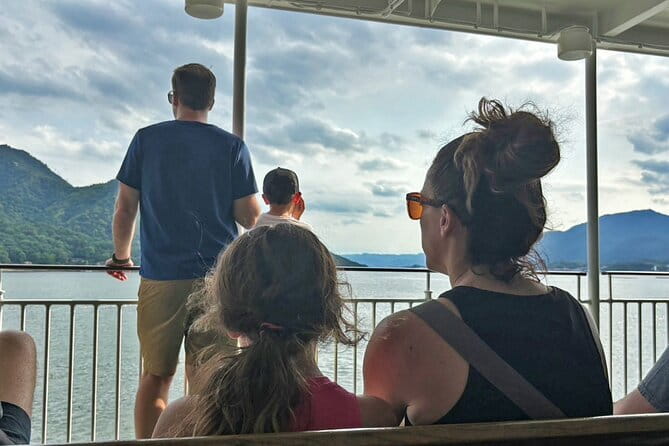
This is more than a practical transfer. The change from bicycle to train to boat gives the day a pleasant rhythm, and the ferry offers your first broad views toward Miyajima. Your guide handles the route, which saves you from sorting out tickets and connections while also keeping a small group together.
The ferry ride itself takes about 30 minutes in the listed schedule. It is not a private boat trip, and the tour does not promise a special sailing. Its value is simple: you reach the island by the classic public route, with the transport already built into the day.
A few more bike tours around Japan worth a look
- Hidden Kyoto E-Biking tour
★ 5.0 · 1,843 reviews - Tokyo Guided Small-Group Biking Tour
★ 5.0 · 1,250 reviews - Bike Tour Exploring North Kyoto plus Lunch
★ 5.0 · 1,087 reviews - Tokyo Great Cycling Tour
★ 5.0 · 811 reviews
Miyajima’s deer, streets, and shrine
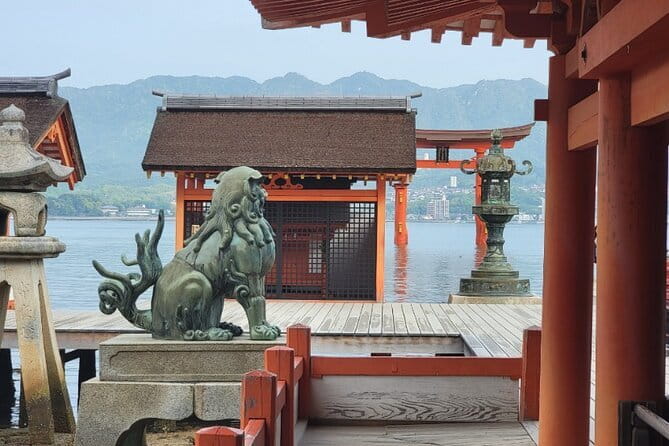
Miyajima receives roughly an hour and a half of guided exploration before the shrine and lunch section. Your guide leads you through the island’s streets, points out the orange buildings and wooded slopes, and explains the island’s religious and cultural importance.
The deer are part of the appeal, but they should not be the main reason you book. The better experience is the combination of scenery, old streets, shrine architecture, and island traditions. You have time for photographs, short walks, and questions, but not enough time to treat Miyajima as a full-day visit with every temple and trail.
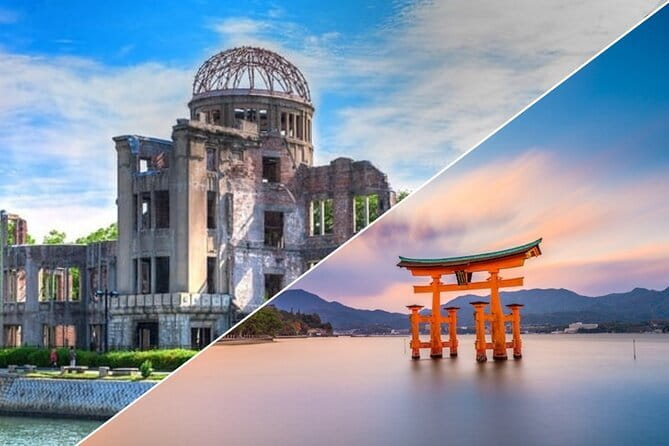
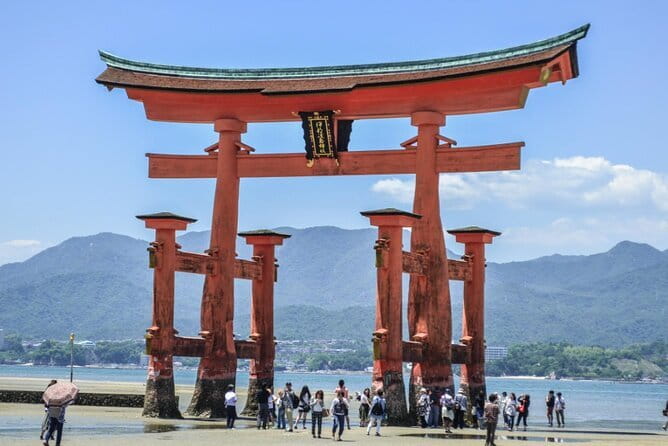
Itsukushima Shrine is the centerpiece. The famous orange gate and the shrine buildings create the image most people associate with Miyajima, and your guide helps explain the monuments around it rather than leaving you to take a quick picture and move on.
The island portion is also where the biggest tradeoff appears. Some departures spent most of the Miyajima section walking, with less cycling than the title might suggest. That is not necessarily a flaw if Miyajima is your priority, but you should book with realistic expectations. This is a bike-led city tour combined with a walking visit to the island, not a day of continuous cycling.
A local lunch, with Hiroshima flavors
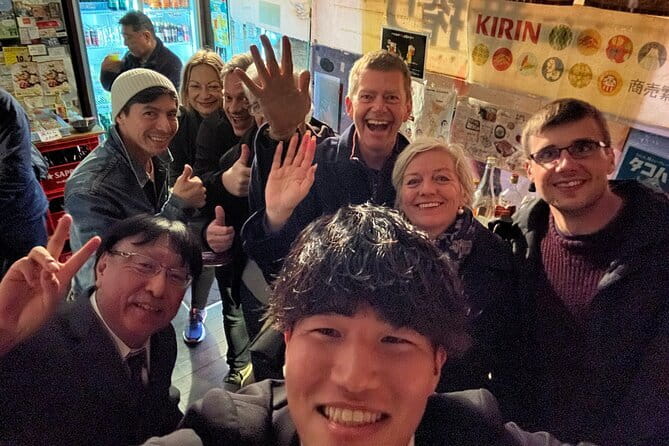
Lunch is included at a nearby restaurant, and the meal is one of the day’s cultural rewards. Hiroshima-style okonomiyaki has appeared as a highlight, while other departures included local Japanese food or ramen.
The exact restaurant and dishes can vary, so do not treat one meal as guaranteed. What is fixed is the inclusion of lunch and the chance to sit down with the group during a packed day. Vegetarian options are available, but other dietary restrictions should be raised before booking.
Lunch can also affect the schedule. One less-positive experience found the meal too long, leaving less time for Hiroshima’s memorials later. If you care most about the Peace Park and castle, tell your guide early that those stops matter to you. A small group gives you a better chance of shaping the day than a large coach tour would.
Guides make the difference
The strongest part of this experience is the human side. Several guides have been praised for clear English, humor, flexibility, and care with difficult material.
Aimee appears especially suited to visitors who want a warm, conversational day. She has adjusted routes for rain, slowed the pace in extreme heat, helped with paper cranes at the Children’s Peace Monument, and made sure riders had properly sized bikes. She has also been praised for answering questions without making the history feel like a lecture.
Alex brings long familiarity with Hiroshima and Japan, and he has been described as someone who adds useful details about places you might otherwise pass. Ihsan and Ishan have received strong praise for explaining the wartime period from several perspectives while keeping the experience approachable.
James has been noted for his language ability, bike fitting, and attention to small needs such as photos, local food, and shopping. Sage has been praised for a gentle pace and a friendly manner, though one departure felt that the discussion of wartime history was too light. That contrast is worth noting: the guide you receive can shape the tone and depth of the day.
The company uses several guides, so you cannot assume you will get a particular person unless the booking process confirms it. The overall pattern is encouraging, but the individual guide remains a meaningful part of the value.
How much does $142.05 represent?
At $142.05 per person, the price is not low for a bicycle outing, but it covers a substantial package. You receive bicycle use, lunch, train and ferry travel, entrance fees listed for the tour, and a full day of guiding in a group capped at eight.
The real value comes from the connections. Planning Hiroshima, Miyajima, lunch, bicycle rental, the ferry, and the timing between each stop would take effort and local familiarity. Here, those pieces are joined into one route. If you are in Hiroshima for a short stay and want both the city and island in one day, that convenience can justify the cost.
The price is less attractive if you mainly want a long museum visit, extensive cycling, or several free hours on Miyajima. You are paying for coverage and interpretation, not complete freedom at each stop.
Who will enjoy this day most
I would choose this tour if you want a structured introduction to Hiroshima and Miyajima and like moving through a place actively. It suits visitors who enjoy cycling, walking, local food, and historical explanation in the same day.
It is also a good choice for solo visitors and couples who want company without joining a large group. The small size can make the day feel more like an outing with a local guide, especially when the guide adjusts the route or helps with photos and food choices.
You may want another plan if you dislike heat, have limited stamina, or need long, quiet visits at each memorial. The tour requires good weather, and cancellation is possible if the weather is poor or the minimum group size is not met. In either case, you are offered another date or a full refund.
You can cancel for a full refund up to 24 hours before the 9:30 a.m. start. Most people can participate, and the meeting point is near public transportation, but the day still includes cycling, walking, ferry boarding, and time outdoors.
Should you book Hiroshima and Miyajima by Bike and Boat?
Book it if you want to connect Hiroshima’s difficult history with Miyajima’s shrine, streets, and natural setting in one well-managed day. The included transport, lunch, small group, and strong guide reports make the $142.05 price reasonable for a short visit.
Before booking, decide which part matters most. If you want the Peace Memorial Museum, arrange that separately. If you want extensive time on Miyajima, choose a dedicated island day. If you want both places, local food, and a lively way to cover ground, this tour is a strong fit. Just protect the schedule by asking for a steady pace, keeping hydrated, and making your historical priorities clear at the start.
FAQ
Where does the tour start?
It starts at Cycle Hiroshima, 4-chōme-5-4 Ōtemachi, Naka Ward, Hiroshima, 730-0051, Japan.
What time does the tour begin?
The scheduled start time is 9:30 a.m.
How long does the experience last?
The listed duration is approximately 7 to 8 hours, though one departure ran to about 10 hours.
How large is the group?
The maximum group size is eight people.
Is lunch included?
Yes. Lunch is included, and vegetarian options are available. You should contact the provider before the tour about other dietary restrictions.
Are the train and ferry included?
Yes. The train and JR Miyajima Ferry ride are included, along with all listed fees and taxes.
Is the bicycle included?
Yes. Use of a bicycle is included.
Does the tour visit the Atomic Bomb Museum?
No. The listed route visits Peace Memorial Park and the Cenotaph, but does not include the Atomic Bomb Museum.
Can most people participate?
The activity states that most people can participate. It includes cycling, walking, train travel, and a ferry ride.
What happens if the weather is poor?
The experience requires good weather. If it is canceled because of poor weather, you are offered a different date or a full refund.
Just added around Japan
- Kyoto: Afternoon Bamboo Forest and Monkey Park Bike Tour★ 4.9 · 83 reviews
- 4.5-hr Kyoto Historical Highlights Bike Tour with UNESCO★ 4.7 · 13 reviews
- Private-group Morning Cycling Tour in Hida-Furukawa★ 5.0 · 105 reviews
- Private Afternoon Cycling Tour in Hida-Furukawa★ 5.0 · 109 reviews
- 1-Day Private Rural E-Bike Tour in Hida★ 5.0 · 188 reviews
- 3-Hour Tokyo Private E-Bike Tour Starting from Your Hotel★ 5.0 · 117 reviews
- Eat, Drink & Cycle: Osaka Foodie Bike Tour★ 5.0 · 224 reviews
- One-Day Osaka Bike Adventure: 5–6 Hours★ 5.0 · 246 reviews
Hiroshima Bike Tours, compared.
Hiroshima in a Nutshell: Morning Bike Adventure
Read our review →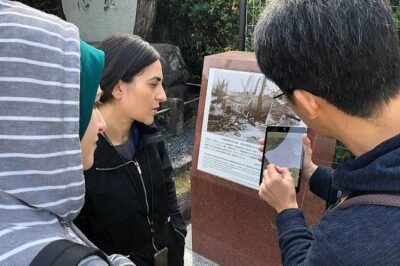
Hiroshima 2hr Peace Cycling Tour with Local Guide
Read our review →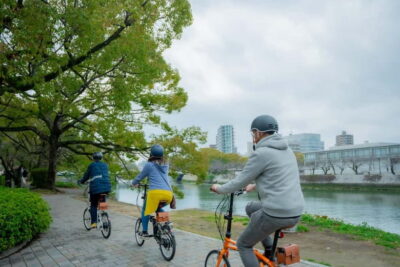
Browse the lists this tour appears in