
REVIEW · JAPAN
Short Morning Cycling Tour in Hida
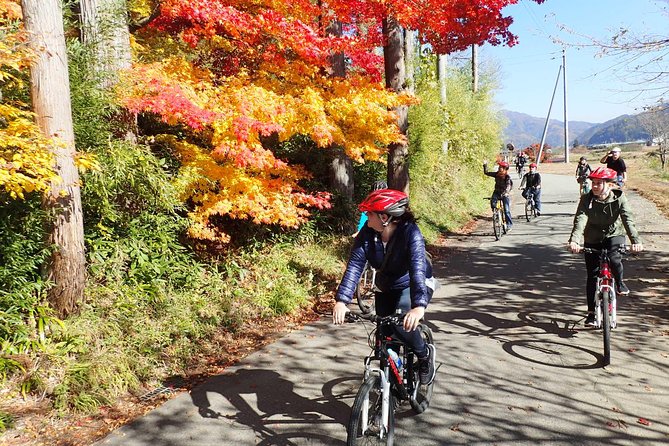
Hida Furukawa is best understood from a bicycle seat. This 12-kilometer morning ride leaves the town behind quickly, passing rice fields, old farmhouses, shrines, markets, and quiet roads where daily life matters more than sightseeing. The route is mostly flat, and the pace favors conversation over speed.
I like the small groups of no more than eight, which give your guide room to answer questions and adjust the pace. I also like the mix of countryside and human contact: you may stop for local vegetables, spring water, tea, or a chat with residents rather than simply photographing the scenery. The main drawback is price. At $161.18 per person, this is not a cheap bicycle rental, so its value depends on how much you want the guide’s local insight.
Key points to know before booking
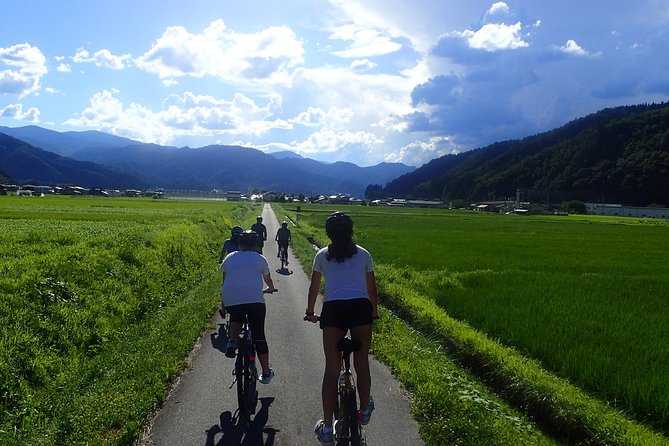
- A gentle 12-kilometer route: The ride is mostly flat and suitable for people who are comfortable on a bicycle but do not want a hard workout.
- Hida beyond the main sights: You pass farming villages, rice fields, old houses, shrines, and quiet parts of Furukawa that are easy to miss on foot.
- A guide-led cultural experience: Guides such as Nanami, Miyuki, Marino, Akiko, and Ryoto explain farming, wildlife, Hida cattle, architecture, and local customs.
- Small groups matter: The maximum is eight people, and some departures may feel almost private if demand is light.
- Useful inclusions: A bicycle, helmet, insurance, local taxes, snacks, and coffee or tea are provided.
- Plan for the details: There is no bicycle basket, food and drinks beyond the listed refreshments are not included, and children must be at least 6 years old and 125 centimeters tall.
Why a bicycle is the right way to see Hida Furukawa
Hida Furukawa is a small town in Gifu Prefecture surrounded by mountains and farmland. You can walk through its central streets, but a bicycle carries you from the old town into the working countryside in a short time. That change is the heart of this tour.
The ride shows you how Furukawa connects to the nearby villages. Rice fields open around the road, traditional houses sit among farm plots, and the Satoyama setting comes into view as the built-up area thins out. Satoyama refers to the gently managed countryside around Japanese settlements, where forests, fields, waterways, and homes support one another.
I like that the route is not built around a long list of formal attractions. Instead, the guide helps you notice ordinary details: vegetables for sale, the shape of an old farmhouse, the role of rice in local life, or the way residents use spring water. Those details can tell you more about Hida than another quick stop at a famous photo point.
You should still set your expectations correctly. This is not a mountain biking trip, a race, or a technical cycling tour. It is a relaxed outing with enough pedaling to make the countryside feel earned, but plenty of pauses for explanation and conversation.
More Morning Rides in Japan:
- Hiroshima in a Nutshell: Morning Bike Adventure
★ 5.0 · 524 reviews - Kyoto: Arashiyama Bamboo Forest Morning Tour by Bike
★ 5.0 · 115 reviews - Private-group Morning Cycling Tour in Hida-Furukawa
★ 5.0 · 105 reviews
Meeting the guide at 10:15 am
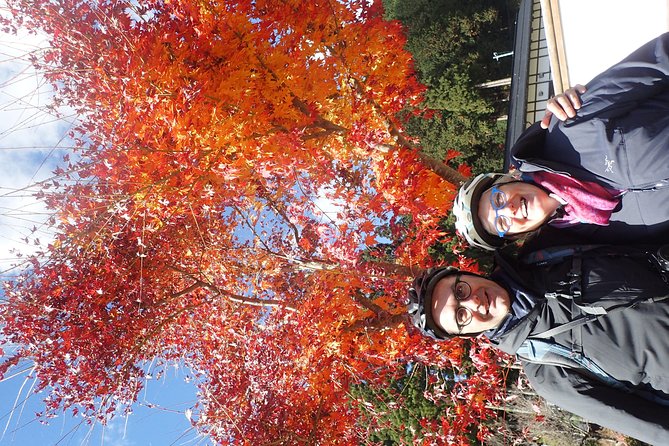
The tour begins at the Furukawa office at 11-32 Furukawachō Ninomachi, Hida, Gifu 509-4235. The scheduled morning departure is 10:15 am, and the activity returns to the same meeting point after about two and a half hours.
The company uses several guides, including Nanami, Miyuki, Marino, Akiko, and Ryoto. The strongest part of the guiding is the local connection. Guides explain the town from the point of view of someone who knows its farming, homes, traditions, and people, not just its tourist map.
Nanami has been especially good at bringing plants and wildlife into the conversation. Miyuki has explained Hida cattle, rice farming, old houses, and local culture. Marino has been praised for making the ride feel friendly and relaxed, while Akiko has combined careful cycling support with stories about traditional homes and the town’s past.
Ryoto has guided families and also speaks French, which may be useful for French-speaking visitors. English is spoken by the guides featured in the tour information, but the exact guide and language support can vary by departure. If language is important to your booking, confirm it ahead of time.
The first stretch through town and farmland
The opening part of the ride takes you through a peaceful section of Hida Furukawa. You may begin by getting comfortable with the bicycle, then move from town streets toward the surrounding farming area.
The route includes local markets and produce displays, where vegetables give you a glimpse of what is grown and eaten in the area. These are modest stops, not grand market halls, and that is part of their appeal. You see the food system as part of daily life rather than as a staged attraction.
As you ride farther out, large old folk houses appear among the fields. Their scale and construction reflect the region’s rural past and the need for homes suited to a mountain climate. Your guide can provide the context that a passing glance cannot.
The ride is described as mostly flat, and several people have found it easy even without much cycling experience. That does not mean you can ignore basic fitness. You will be on a bicycle for roughly 12 kilometers, and hot or wet weather can make the distance feel longer.
Rice fields, shrines, and spring water
Rice farming is one of the main themes of the morning. The route crosses open fields surrounded by mountains, giving you a clear view of how Hida’s communities depend on both farmland and water.
A guide may explain the work involved in growing rice and how the fields fit into local life. This is one of the tour’s most useful features because you are not just looking at a pretty field. You are learning why the field is there, who maintains it, and how farming shapes the surrounding villages.
Stops can also include quiet shrines and a small waterfall. Another possible stop is a source of spring water, which is particularly welcome on a warm day. The exact order and number of stops may change with weather and the group, so you should think of these as likely features rather than a fixed checklist.
The shrines are not presented as major temple visits. They work better as small points of connection along the route, places where your guide can explain local beliefs or the relationship between the community and its sacred sites. The waterfall and spring water add a refreshing break without turning the morning into a strenuous outing.
A few more bike tours around Japan worth a look
- Hidden Kyoto E-Biking tour
★ 5.0 · 1,843 reviews - Tokyo Guided Small-Group Biking Tour
★ 5.0 · 1,250 reviews - Bike Tour Exploring North Kyoto plus Lunch
★ 5.0 · 1,087 reviews - Tokyo Great Cycling Tour
★ 5.0 · 811 reviews
Meeting residents instead of only seeing sights
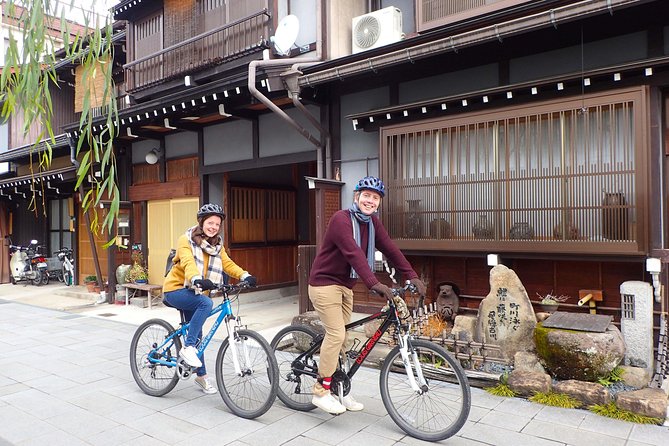
The chance to talk with local people gives this tour its strongest sense of place. You may meet residents at stops along the route, learn about local work, or buy a small item from a local food seller.
These encounters depend on timing and circumstance, so no guide can promise a specific conversation. Still, the format gives you more opportunity for contact than a self-guided ride. Your guide can explain what is happening, help bridge language gaps, and make a brief exchange feel meaningful rather than awkward.
I value this kind of contact because rural Japan can otherwise be easy to observe from a distance. You see the houses and fields, but you may not understand how the town works. A guide-led ride brings the people back into the picture.
The pace also helps. There is no need to rush from one stop to the next. One guide has been described as allowing the morning to unfold without imposing strict timing, aside from a mid-route tea break. That relaxed approach suits Hida better than a tightly packed schedule.
The tea break and what is included
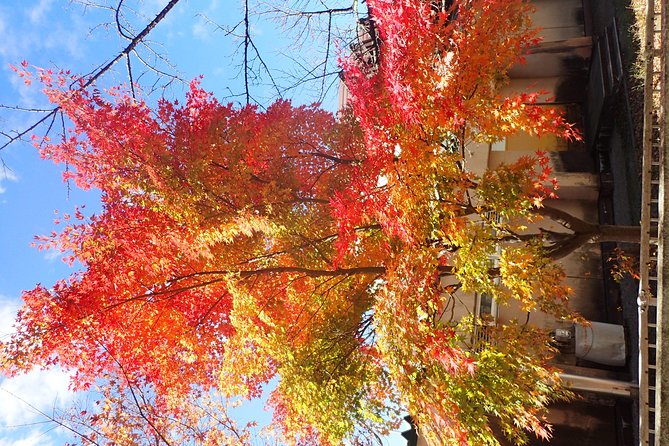
Coffee or tea and snacks are included, and the break gives you time to rest, ask questions, and enjoy the setting. It is a simple addition, but it helps divide the 2.5-hour ride into manageable sections.
You should not treat the included refreshments as lunch. Food and drinks beyond the listed snacks and coffee or tea are not included. If you need a full meal, plan to eat before or after the tour.
The bicycle and helmet are included, along with insurance and local taxes. You do not need to arrange a separate rental for this activity. The equipment is there to support the ride, not to provide a high-end cycling experience.
One practical detail matters: the bicycle has no basket. Keep your belongings light and secure. A small bag that stays close to your body is more useful than loose shopping bags or anything you would need to carry by hand.
Weather, clothing, and the level of effort
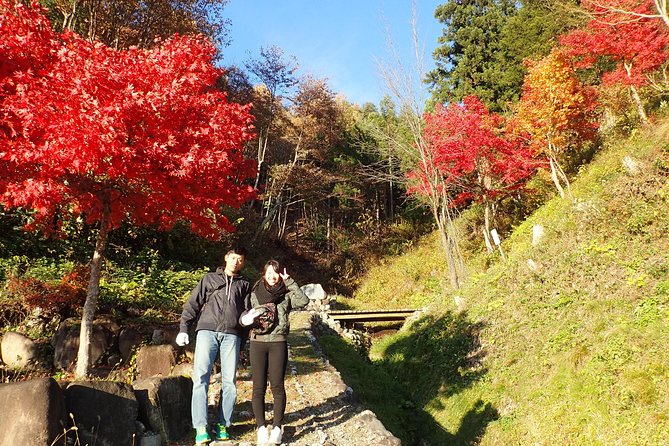
The ride can operate in wet weather. Waterproof clothing has been available when rain has arrived, which is a reassuring sign for changeable conditions. Even so, you should dress for the forecast and expect the countryside to feel hotter in summer and cooler in the morning during other seasons.
Wear comfortable clothing and shoes that work for cycling. Bring water if you prefer to manage your own supply, since extra food and drinks are not included. A hat or sun protection may also help on exposed roads, though the supplied information does not specify how much shade the route provides.
The cycling is gentle, but you should be able to ride independently. The minimum age is 6, and children must be at least 125 centimeters tall. Families have used the tour successfully, including groups with a young child, but every child should be comfortable handling a bicycle for the full outing.
The maximum group size is eight people. That limit is important because the ride includes narrow local roads, stops, and personal discussion. A larger bus-style group would change the experience completely. If you want the best chance of a quieter outing, booking early makes sense. This activity is booked an average of 65 days in advance.
Is the $161.18 price good value?
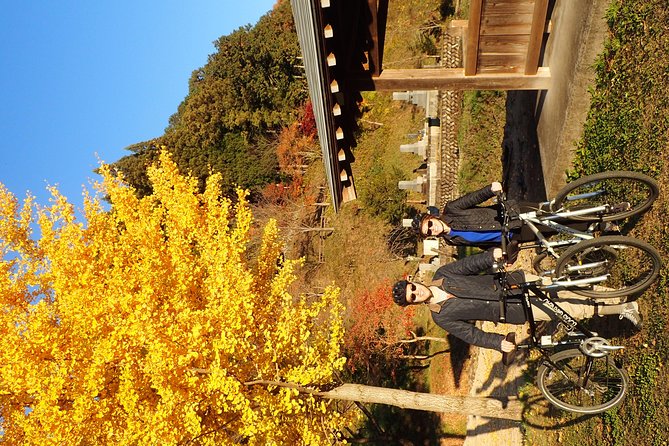
At $161.18 per person, the cost is high for a two-and-a-half-hour bicycle ride. If you only want to rent a bike and pedal through town, this tour will not be good value. You could spend less by finding your own bicycle and route.
The price makes more sense if you want access and interpretation. You receive the bicycle, helmet, insurance, local taxes, snacks, and tea or coffee, but the main product is the guide. You are paying for a planned route, cultural context, local introductions, and the ability to ask questions as the morning unfolds.
The small group also affects the value. A maximum of eight lets the guide keep an eye on everyone and respond to different interests. If your group is small, you may get something close to a private tour without paying for a separate custom booking.
Families should compare the price against the convenience. You do not need to research a route, arrange bikes, or work out how to reach the countryside. For a short stay in Hida, that can save time and remove much of the guesswork.
The tour is recommended by all listed participants and carries a 4.9 rating from 17 ratings. That is a strong record, but I would still book it for the experience rather than the score. The ride is most worthwhile if you want to understand Hida, not simply collect scenic photographs.
Getting there and fitting it into your day
The meeting point is in Furukawa, near public transportation. Hida Furukawa can be reached by bus or train from Takayama, so you do not need a car to include the ride in a wider visit to the region.
Because the activity starts at 10:15 am and ends around 12:45 pm, it fits neatly into a morning plan. You can have breakfast first, cycle through the countryside, then continue exploring Furukawa or travel onward after returning to the office.
Allow enough time to find the meeting point before the start. The supplied information does not give a hotel pickup service, so you should plan to arrive at the office on your own.
The experience ends where it begins. That makes the tour easy to combine with nearby sightseeing, lunch, or a train and bus connection, but you should check your own departure time rather than cutting the return close.
Who should book this Hida cycling tour?
I would choose this tour if you enjoy quiet roads, rural scenery, and conversations about ordinary life. It suits couples, families with older children who meet the height requirement, and anyone who wants a softer introduction to cycling in Japan.
It is also a good choice for people who find large sightseeing groups tiring. The small maximum, friendly guides, and flexible stopping style create room for questions and personal attention.
You may want to skip it if you dislike bicycles, need a fully structured sightseeing schedule, or are mainly looking for famous landmarks. The route’s reward is the setting between the sights: rice fields, old homes, local food, water, farming, and the people who live there.
The free cancellation policy gives you some flexibility. You can cancel up to 24 hours before the local start time for a full refund. Changes or cancellations made later are not accepted for a refund.
My booking advice
I would book this tour as a way to see Hida Furukawa beyond its central streets. The gentle route and excellent guide-to-group ratio make it approachable, while the farming villages and local stops provide a stronger sense of place than a standard town walk.
Book it if the price fits your budget and you want explanation, equipment, and local contact in one package. Skip it if you only need transportation on two wheels. For families, first-time visitors to rural Japan, and people staying in or near Takayama who want a quieter morning, this is one of the better uses of a half day in Hida.
FAQ
Where does the Hida cycling tour begin?
The tour begins at the Furukawa office at 11-32 Furukawachō Ninomachi, Hida, Gifu 509-4235, Japan.
What time does the morning tour start?
The scheduled morning departure is 10:15 am.
How long does the cycling tour last?
The activity lasts approximately 2 hours and 30 minutes.
How far do you cycle?
The route covers about 12 kilometers.
Is the cycling route difficult?
The route is mostly flat and is described as a gentle ride. You should still be comfortable riding a bicycle for the full distance.
What is included in the price?
The price includes a local guide, bicycle, helmet, insurance, local taxes, snacks, and coffee or tea.
Is a bicycle basket provided?
No. A basket is not attached to the bicycle, so you should bring only belongings that you can carry securely.
What is the minimum age for children?
The minimum age is 6 years, and children must be at least 125 centimeters tall.
How many people can join the tour?
The tour has a maximum of eight people per booking and a maximum of eight participants.
Can I cancel for a full refund?
Yes. You can cancel at least 24 hours before the experience start time for a full refund. Cancellations or changes made less than 24 hours before the start are not accepted for a refund.
Just added around Japan
- Iya Valley BROMPTON Slow Cycling Tour★ 5.0 · 28 reviews
- eTour de Matsumoto – Electric Bike Tour★ 5.0 · 16 reviews
- ONLY YOU in the Bamboo Forest! 4 hours E-bike tour with a local★ 5.0 · 45 reviews
- Pedal Adventure Kyoto’s iconic landmarks on an e-bike tour★ 5.0 · 189 reviews
- South Kyoto in a Nutshell: Gentle Backstreet Bike Tour!★ 5.0 · 225 reviews
- The Beauty of Kyoto by Bike: Private Tour★ 5.0 · 47 reviews
- Explore Hidden Alleyway with a Local Expert (Afternoon Tour)★ 5.0 · 17 reviews
- Secret Eastern Kyoto Biking Adventure★ 5.0 · 44 reviews
Japan Bike Tours, compared.
3h Tokyo E-Bike Tour: Hidden Gems, and Local Life with guide
Read our review →
Arashiyama Bamboo Forest & Hidden Gems Bike Tour (Early Bird)
Read our review →
Hiroshima in a Nutshell: Morning Bike Adventure
Read our review →Browse the lists this tour appears in