
REVIEW · JAPAN
Okinawa: Afternoon Cycling Tour with Local Guide
Naha’s best moments are often found beyond the main shopping street. On this electric-bike tour, you pedal through old pottery lanes, local neighborhoods, and Shuri’s former royal town before reaching a hilltop view over the city. I like the mix of everyday Okinawan life and Ryukyu history, plus the small groups that make it easier to ask questions. I also like that the electric assist takes the sting out of Shuri’s hills.
The main consideration is simple: you must be comfortable riding a bicycle on city roads. The tour lasts about three to three and a half hours, and the afternoon timing can run into cooler weather or rain, so bring a light warm layer and check the forecast.
Key points at a glance
- Historic pottery lanes: Ride through Tsuboya, Naha’s traditional pottery quarter, where workshops carry on a craft tradition linked to the Ryukyu Kingdom.
- Electric help on Shuri’s hills: The assisted bicycles make the climb to the Shuri area far easier than it would be on a standard bike.
- A small group of five or fewer: You get a more personal ride, with room for questions and individual help.
- A local view of Naha: Quiet lanes, traditional houses, temples, shrines, and neighborhood streets fill in the gaps between major sights.
- English and Japanese guiding: Guides named Jojo, Aki, Tony, Reiji, and Yuri have led tours, with clear instruction and cultural background.
- A useful evening finish: The route ends near Asato Shotengai, a good place to return for izakaya food and drinks after the bikes are back.
Why cycling gives you a better look at Naha
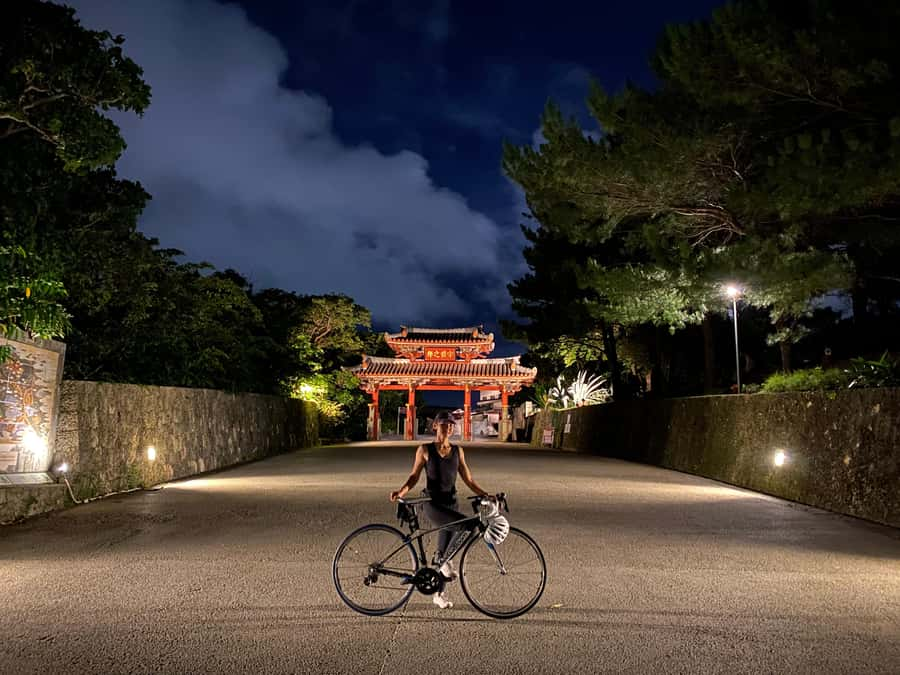
Naha is easy to explore on foot, but its most interesting pockets are spread across different parts of the city. The monorail handles the longer hops well, yet a bicycle lets you connect the pottery district, old residential lanes, and Shuri without repeatedly waiting for transport.
The electric bicycles are important here. Shuri sits on higher ground, and the route includes a hilltop viewpoint. You still pedal, but the motor reduces the hard work. That makes the ride suitable for people who want exercise without turning the afternoon into a test of stamina.
I would not call this a sightseeing ride for complete beginners who feel nervous in traffic. You need to ride confidently enough to follow a guide through city streets. The staff gives a safety briefing, helmets are included, and an intercom system lets you hear instructions while moving. Those details matter when the road is busy or the group spreads out.
The small-group limit, no more than five people, is another strong point. A guide can notice if you are struggling with a hill, explain a shrine without shouting, or stop for a question without holding up a large crowd. The tour has been led by Jojo, Aki, Tony, Reiji, and Yuri, among others. English-language feedback has especially praised clear cycling instructions, patient guidance, and strong explanations of Okinawan culture.
More Guided Tours in Japan:
- Tokyo Guided Small-Group Biking Tour
★ 5.0 · 1,250 reviews - Tokyo Top Highlights 3h Guided E-bike Tour
★ 5.0 · 714 reviews - 3h Tokyo E-Bike Tour: Hidden Gems, and Local Life with guide
★ 5.0 · 670 reviews
Starting beside Makishi Station
The meeting point is the e-charity shop near Makishi Monorail Station, next to Makishi Post Office. It is about a one-minute walk from the station, which makes the start easy to reach from other parts of Naha.
You pick up your bicycle, receive a helmet, and listen to a short briefing. This is the time to adjust the seat, ask about the electric assist, and make sure you understand how to stay with the group. You should arrive ready to ride in comfortable shoes, preferably sports shoes.
Bring a light jacket or another warm layer. The ride is scheduled in the afternoon and may continue toward evening, when temperatures can drop. There is no camera mount or phone holder included, so keep your phone in a secure pocket or small bag rather than expecting to use it while riding.
Tsuboya and the sound of pottery
The first major cultural stop is the Tsuboya pottery area. In Okinawan, yachimun means pottery. About 300 years ago, the Ryukyu Kingdom brought pottery kilns together in this part of Naha, and the district has kept that connection ever since.
The route does not simply take you to a large display hall and send you back. You ride along streets lined with pottery workshops and enter smaller roads that have a quieter, older feel. The bicycle is useful here because you can move through narrow lanes without the bulk and pace of a bus or van.
Look for the change in mood as you leave the main commercial streets. Tsuboya has a slower rhythm, with traditional craft still part of the neighborhood rather than something kept only behind glass. Your guide can explain how the area fits into Okinawa’s past and point out details you might pass without noticing on your own.
This is also an early test of the tour’s pace. You may stop for photographs, but it is not designed as a long pottery shopping visit. If you want to buy ceramics, you will need to manage your time and ask the guide how much room there is for browsing.
Local lanes and traditional houses
From Tsuboya, the ride moves through Naha’s local side streets. A few traditional houses remain among newer buildings, offering a look at how ordinary neighborhoods have changed over time.
This portion is valuable because it does not treat Okinawa as a collection of monuments. You get a sense of daily life: residential lanes, local traffic, and the spaces between major attractions. The route is also where cycling feels most different from a standard walking tour. You cover more ground, but still move slowly enough to notice small details.
Your guide’s local knowledge helps here. Several guides have been praised for explaining not only the formal history of Okinawa, but also what it is like to live in the city today. That balance is worth seeking. Dates and dynasties matter, but so does understanding why a neighborhood looks and feels the way it does.
A few more bike tours around Japan worth a look
- Hidden Kyoto E-Biking tour
★ 5.0 · 1,843 reviews - Bike Tour Exploring North Kyoto plus Lunch
★ 5.0 · 1,087 reviews - Tokyo Great Cycling Tour
★ 5.0 · 811 reviews - Arashiyama Bamboo Forest & Hidden Gems Bike Tour (Early Bird)
★ 5.0 · 613 reviews
Shuri Castle town and the Ryukyu past

The route then climbs toward Shuri, the former capital of the Ryukyu Kingdom. This is where the electric bicycle earns its keep. The ascent is real enough to notice on a normal bike, but the motor assistance makes it manageable for a wide range of riders.
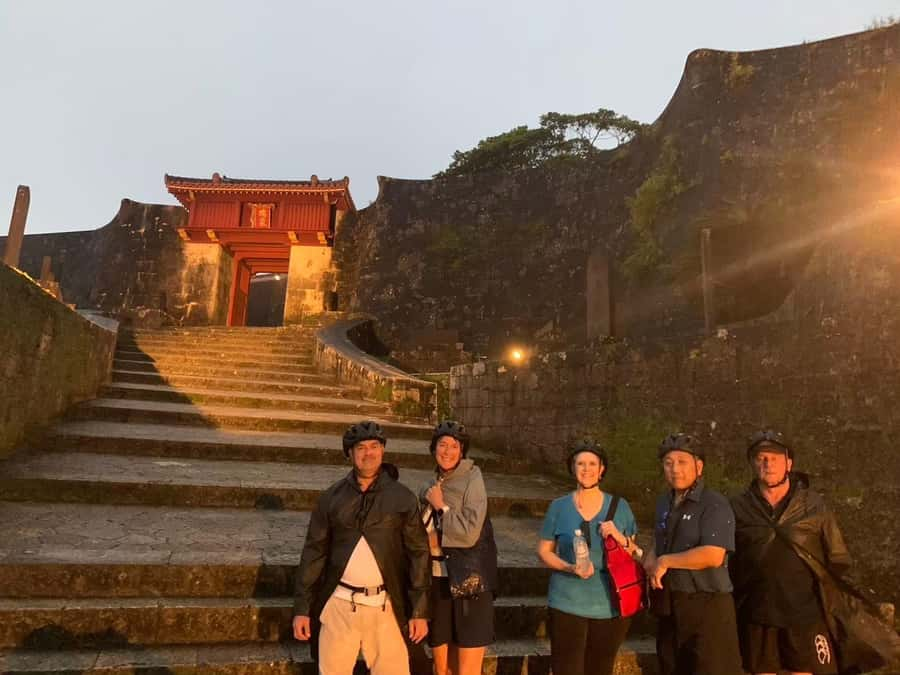
Shuri is more than a castle stop. Its streets contain cobblestones, temples, and sacred shrines tied to Okinawan religious life. The guide helps connect these places to the older royal capital, so you are not simply taking photographs of attractive stonework without context.
The atmosphere changes from central Naha. Shuri feels quieter and more residential in places, with traces of the old capital woven into the modern city. The route gives you time to see those transitions at street level.
The itinerary includes a photo stop near Shuri Kinjocho, an area known for its traditional stone-paved streets. Cobblestones can be uneven, so keep both hands ready and ride at the guide’s pace. This is a place for careful viewing rather than speed.
The hilltop viewpoint over Naha
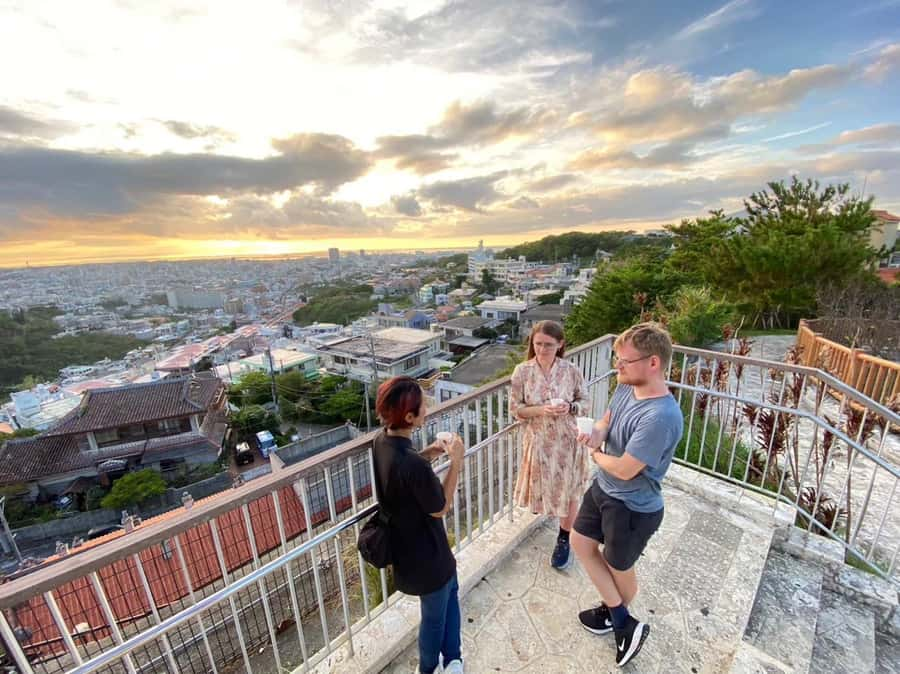
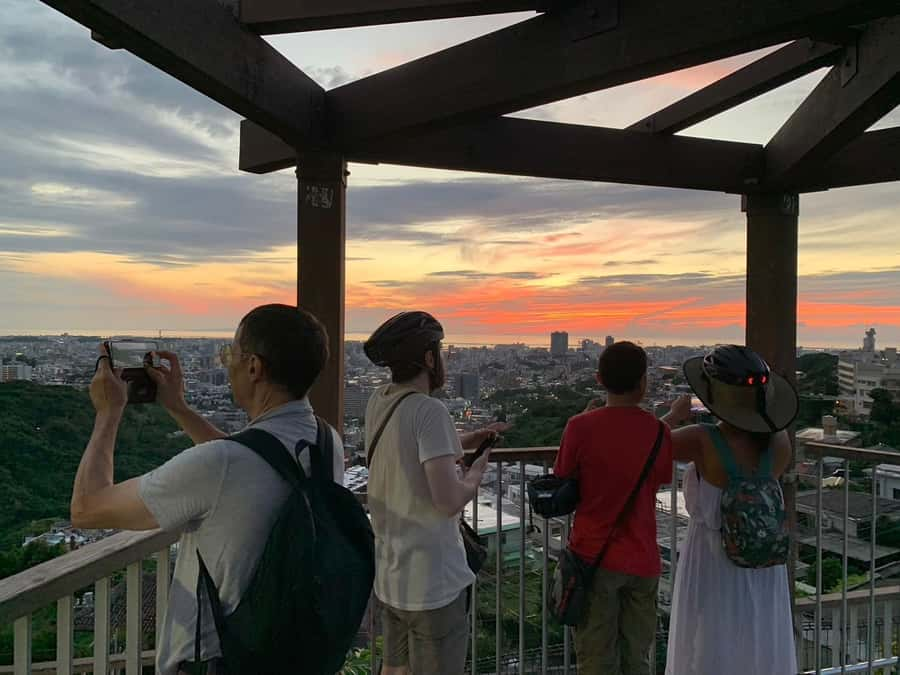
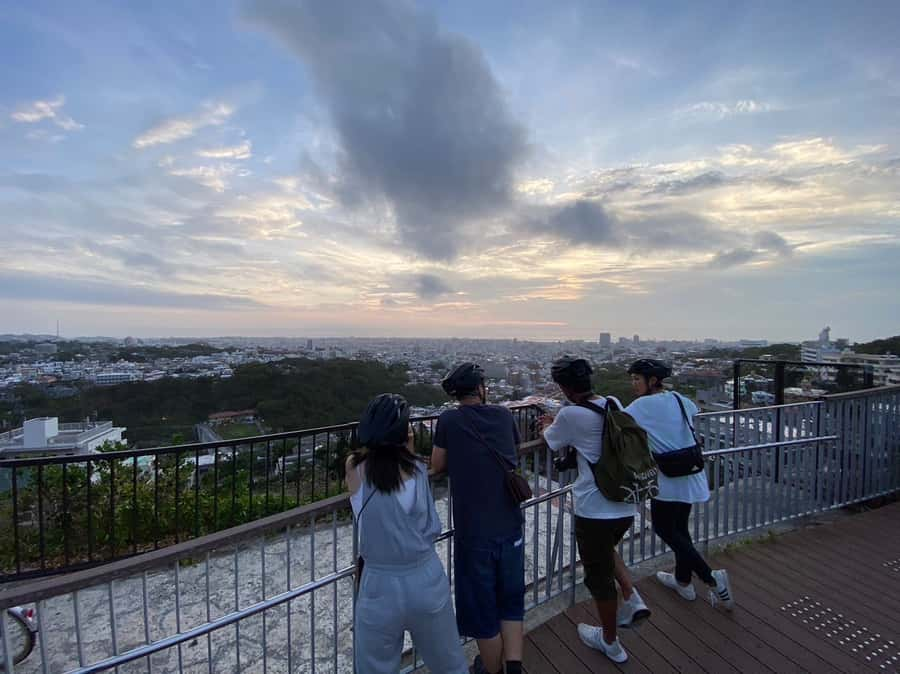
The hilltop viewpoint is one of the clearest rewards of the ride. From above, you can look across Naha while taking an afternoon break. If the timing and weather cooperate, the stop may also offer sunset light.
The view works because you have just ridden through the city below. You can connect the pottery quarter, residential areas, and Shuri’s higher ground in a single picture. It is not just a pause for a photograph. It gives the afternoon a sense of shape.
Allow a little flexibility here. The exact quality of the view depends on clouds, rain, and the time of year. A clear evening will offer the strongest scene, but the stop still provides a welcome rest after the climb.
This is also a good moment to ask questions. The group is small, and the guide can point out parts of Naha from above. Guides such as Aki and Jojo have been praised for patient explanations and clear English, which is especially useful when discussing local place names and the history of the former capital.
Shuri Castle Park and the city’s sacred places
The ride continues through the vicinity of Shuri Castle Park. The park brings together plants, stone walls, and landmarks linked to the old royal center. Seasonal changes affect the color and feel of the grounds, so the same route will not look identical at every time of year.
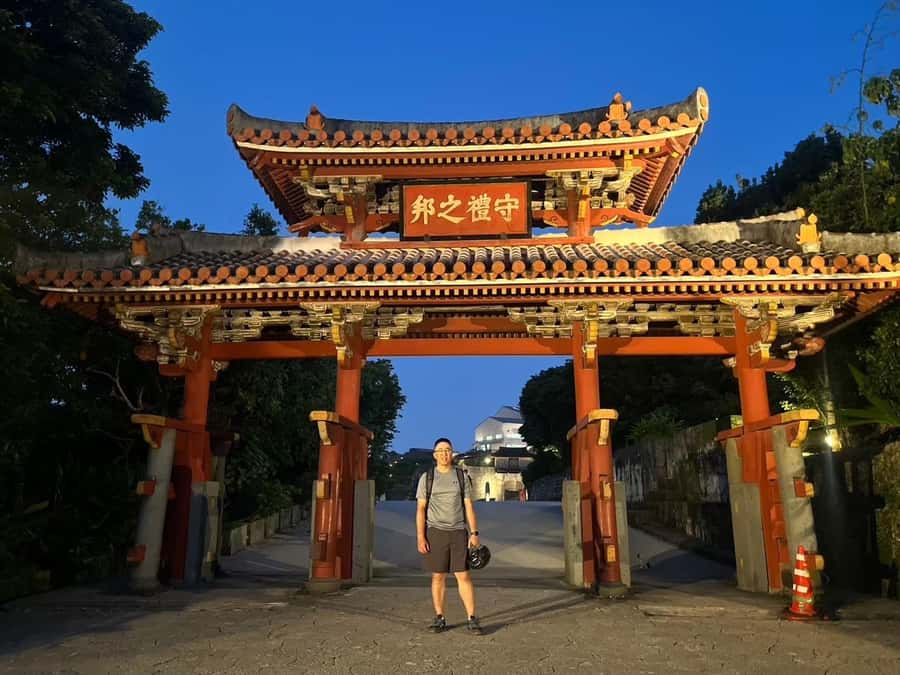
The itinerary includes a photo stop at Shurijo Castle. The route description refers to the stone walls and Shureimon Gate as especially photogenic. You should understand the wording carefully: this is a cycling tour with a stop near the castle area, not a promise of a long, fully guided indoor castle visit.
That distinction affects the value. If your main goal is to spend hours inside Shurijo Castle, book a separate visit. If you want to place the castle within the wider setting of Shuri’s streets, shrines, slopes, and parkland, the cycling approach makes more sense.
The religious sites along the way add another layer. Okinawan sacred places can look modest compared with grand temple complexes elsewhere in Japan, but their quiet setting and local meaning are part of the appeal. Listen closely when your guide explains the beliefs connected to the area. This is one of the tour’s strongest cultural elements.
Asato Shotengai and an easy finish
After the Shuri section, the route passes near Asato Shotengai. The area once had a reputation as a red-light district, but today it is also known for evening eateries and izakayas.
The timing is practical. Once you return the bicycles, you can walk back toward Asato for dinner or drinks. The tour does not include a meal, so this is a useful place to continue the evening without arranging another long trip across town.
This final neighborhood also keeps the tour grounded in present-day Naha. You have seen pottery, royal history, sacred sites, and views from above. Asato brings you back to the city’s social life, with restaurants and local streets rather than another formal attraction.
The bicycles return to the same shop near Makishi Station. From there, you are free to continue exploring Naha on your own.
What the $87 price gets you
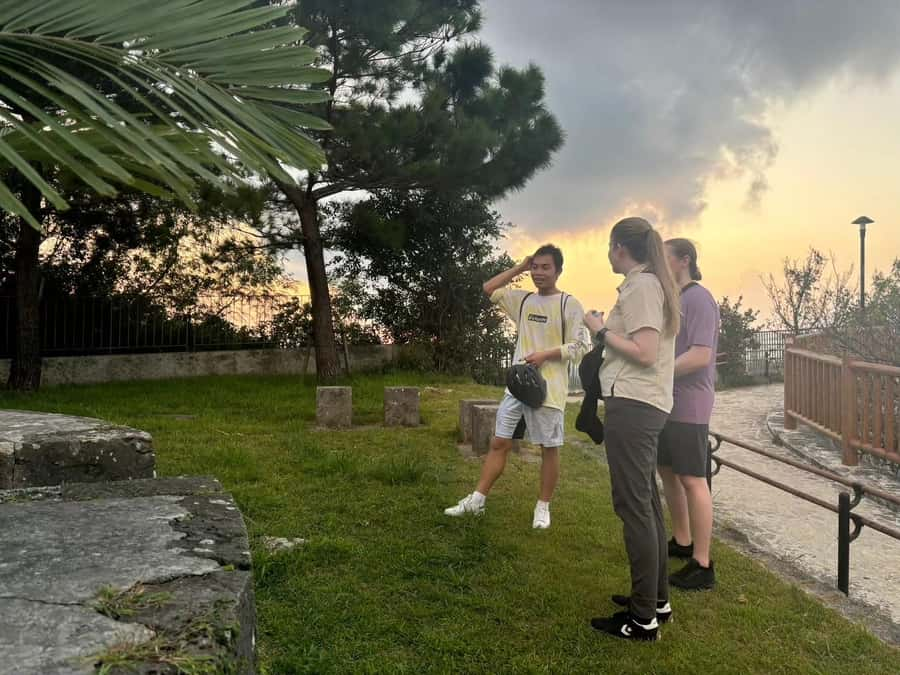
At $87 per person, the cost is fair if you value a guide, an electric bicycle, and access to several districts in one afternoon. You are paying for more than bicycle rental. The price includes the guide, helmet, electric-assisted bicycle, and intercom system, along with the planning needed to link Tsuboya, Shuri, the viewpoint, and the city center.
The small group improves the value. A large bike group can feel like a traffic exercise, with the guide focused on keeping everyone together. A group capped at five allows more direct help and better conversation.
The price is less compelling if you already plan to visit only Shurijo Castle and Tsuboya on foot. Both areas can be explored separately, and this tour does not include food, shopping, or camera equipment. You also need to provide your own comfortable clothing and phone storage.
For many visitors, the strongest value is the route design. In three to three and a half hours, you see the city from several angles without spending the whole day on formal sightseeing. The electric assist also saves you from paying for a standard bike and then discovering that the hills are more work than expected.
Who should book this ride?
I would recommend this tour to confident cyclists who want local context rather than a checklist of major sights. It suits repeat visitors especially well, since the route reaches side streets and viewpoints that are easy to miss on a first pass through Naha.
Families can join, but check the age details before booking. Children from one to five can use a child seat attached to a parent’s bicycle, with arrangements discussed directly with the staff. Older children must be comfortable riding on city streets.
The tour is not suitable for people who cannot ride a bicycle or for wheelchair users. It may also be a poor fit if you dislike hills, although the electric assist reduces the effort.
Rain is another practical concern. If the precipitation chance is above 70 percent or severe weather is expected, the operator may change the plan and will contact you the day before. Free cancellation is available up to 24 hours before departure, and you can reserve now and pay later, which helps if your Okinawa schedule is still shifting.
Should you book the Okinawa cycling tour?
Book it if you want to connect Naha’s pottery tradition, local neighborhoods, Shuri’s royal past, and a hilltop view in one well-paced afternoon. The small group and electric bicycles make the route more comfortable, while guides such as Jojo, Aki, Tony, Reiji, and Yuri bring clear explanations and patient road support.
Skip it if you are uneasy on bicycles, need a fully accessible outing, or want a long indoor visit at Shurijo Castle. For everyone else, this is a practical way to see Naha at street level, with enough history to give the ride meaning and enough local life to keep it from feeling like a standard sightseeing circuit.
FAQ
Where does the cycling tour start?
It starts at the e-charity Naha International Street shop near Makishi Monorail Station, next to Makishi Post Office. The shop is about a one-minute walk from the station.
How long does the tour last?
The scheduled duration is 210 minutes, or about three and a half hours. The route description notes that the actual schedule may run from three hours to three hours and 30 minutes.
What places does the route visit?
The route includes the Tsuboya pottery area, Naha local streets, Shuri Kinjocho, a hilltop viewpoint, the vicinity of Shurijo Castle, Shuri Castle Park, and the area near Asato Shotengai.
Are electric bicycles included?
Yes. The tour includes use of an electric-assisted bicycle, along with a helmet and an intercom system for hearing the guide.
What languages are available?
Guiding is available in English and Japanese.
How large is the group?
The tour is limited to five participants, making it a small-group experience.
Can children join the tour?
Children aged one to five can use a child seat attached to a parent’s bicycle. You should consult the staff for details before booking.
What should I wear or bring?
Wear comfortable shoes or sports shoes. Bring warm clothing in case the temperature drops later in the afternoon. Camera mounts and mobile phone holders are not included.
What happens if the weather is poor?
If the precipitation probability is above 70 percent or severe weather is expected, the plan may change. The operator will contact you the day before in that situation.
Just added around Japan
- Iya Valley BROMPTON Slow Cycling Tour★ 5.0 · 28 reviews
- eTour de Matsumoto – Electric Bike Tour★ 5.0 · 16 reviews
- ONLY YOU in the Bamboo Forest! 4 hours E-bike tour with a local★ 5.0 · 45 reviews
- Pedal Adventure Kyoto’s iconic landmarks on an e-bike tour★ 5.0 · 189 reviews
- South Kyoto in a Nutshell: Gentle Backstreet Bike Tour!★ 5.0 · 225 reviews
- The Beauty of Kyoto by Bike: Private Tour★ 5.0 · 47 reviews
- Explore Hidden Alleyway with a Local Expert (Afternoon Tour)★ 5.0 · 17 reviews
- Secret Eastern Kyoto Biking Adventure★ 5.0 · 44 reviews
Japan Bike Tours, compared.

3h Tokyo E-Bike Tour: Hidden Gems, and Local Life with guide
Read our review →
Arashiyama Bamboo Forest & Hidden Gems Bike Tour (Early Bird)
Read our review →
Hiroshima in a Nutshell: Morning Bike Adventure
Read our review →Browse the lists this tour appears in