
REVIEW · BERLIN
Berlin: Experience the Alternative Kreuzberg on a Bike Tour
Berlin’s most revealing sights are often not the grand monuments. This relaxed ride takes you through Kreuzberg, Friedrichshain, Neukölln, and Treptow, where former Wall zones, street art, squatted buildings, clubs, canals, and sleek new construction sit close together. It is a useful way to see how Berlin rebuilt itself after 1989.
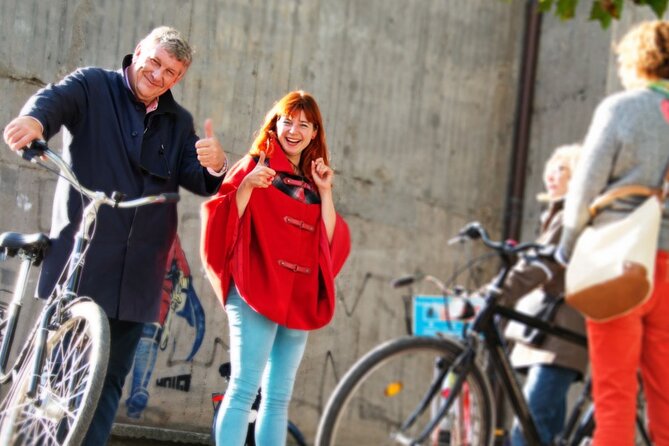
I like the small groups of up to 15 and the route’s quiet side streets and bike paths. I also like the frequent stops, usually every five to ten minutes, which turn a 17-kilometer ride into a story-led tour rather than a three-hour workout. The main consideration is the distance: even at an easy pace, you should be comfortable cycling for several hours, and hot weather can make the ride tiring.
Key points to know before you book
- About 17 kilometers in three hours: The pace is relaxed, with regular stops, so you are not pedaling nonstop.
- Berlin beyond the postcard center: The route reaches Kreuzberg, Friedrichshain, Neukölln, and Treptow, with a strong focus on daily city life.
- Local guides shape the ride: Guides such as Vincent, Carl, Jake, Björn, and Fiona have led engaging tours, but the exact route and stories can change.
- Strong urban contrasts: Expect former squats, nightlife districts, creative projects, renovated buildings, river views, and signs of gentrification.
- Useful bike-tour extras: Your rental bike includes a basket, helmets are available on request, and ponchos are provided if rain arrives.
- Good flexibility: You can cancel up to 24 hours ahead for a full refund, and private tours can be arranged with a custom start time and route.
Why this ride shows the Berlin you came to find
Many Berlin tours concentrate on the Brandenburg Gate, Museum Island, and the Berlin Wall memorials. Those places matter, but they do not fully explain present-day Berlin. This ride shifts the focus to neighborhoods where the city’s political past still affects housing, nightlife, art, and public space.
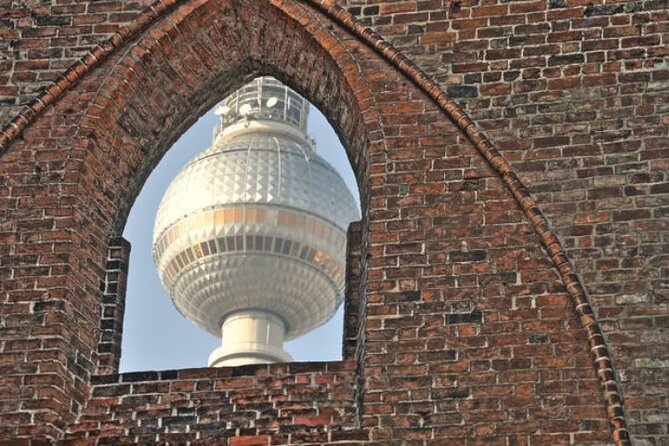
You begin in Nikolaiviertel, just five minutes from the TV Tower. From there, the route heads east and south through districts once divided by the Wall. The setting changes often. One minute you may be beside a polished new building, and soon after you may pass a rough-edged cultural project or a building with a long alternative history.
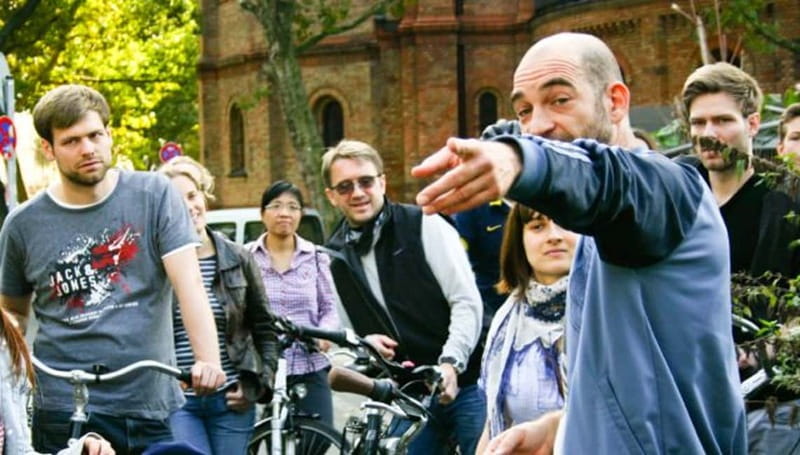
I especially like the way the guide keeps stopping to explain what you are seeing. Stories every five to ten minutes give the ride shape and help you connect the Wall, reunification, club culture, and neighborhood change. You are not simply following a guide through a list of sights.
The guides also seem to be a major part of the experience. Vincent has been praised for personal stories and humor, while Carl has been described as enthusiastic and full of historical detail. Jake, Björn, Peter, Fiona, Theo, and others have also led tours. Since guides design their own routes around the group and current events, no two rides are promised to be exactly alike.
That freedom is a strength if you want a less scripted look at Berlin. It is also worth understanding before you book: the precise order of stops, the amount of time at each place, and the stories you hear can vary.
A few more bike tours around Berlin worth a look
- Berlin: Sights and Highlights Bike Tour with a Local Guide
★ 4.8 · 2,698 reviews - Berlin Highlights 3-Hour Bike Tour
★ 5.0 · 948 reviews - Berlin City Bike Tour with Beer Garden Stop
★ 5.0 · 917 reviews
From Nikolaiviertel to the Treehouse
The meeting point is at the Free Berlin office in the courtyard entrance of Poststraße 11. Look for the Free Berlin sign. This central location is easy to pair with time around the TV Tower, Museum Island, or the historic center.
Nikolaiviertel itself is a curious starting point. It is one of Berlin’s older central quarters, rebuilt in a traditional style, and it gives you a quick contrast before the ride moves toward the city’s rougher and more experimental districts. The stop is brief, about five minutes, so treat it as an introduction rather than a full historical visit.
The Treehouse in Berlin offers a different kind of story. It is one of the route’s more unusual examples of individual creativity and urban improvisation. The guide explains how such places fit into Berlin’s culture of making use of leftover spaces and challenging official ideas about how a city should look.
This early section helps set the tone. You are not being taken only to famous monuments. You are being shown projects and corners that reveal how Berliners have used the city in unexpected ways.
Berghain, the East Side Gallery, and RAW-Gelände
The stop near Berghain Panorama Bar brings you into Berlin’s club culture. The point is not simply to identify a famous nightclub. Your guide can place the club within the city’s wider nightlife story, including the way former industrial and Wall-adjacent areas became places for music, art, and after-hours life.
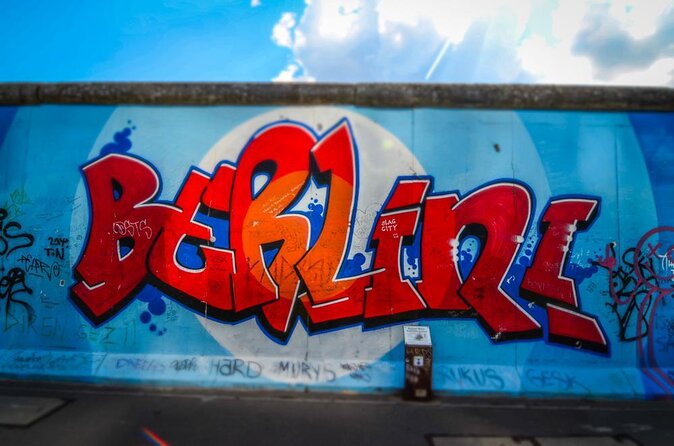
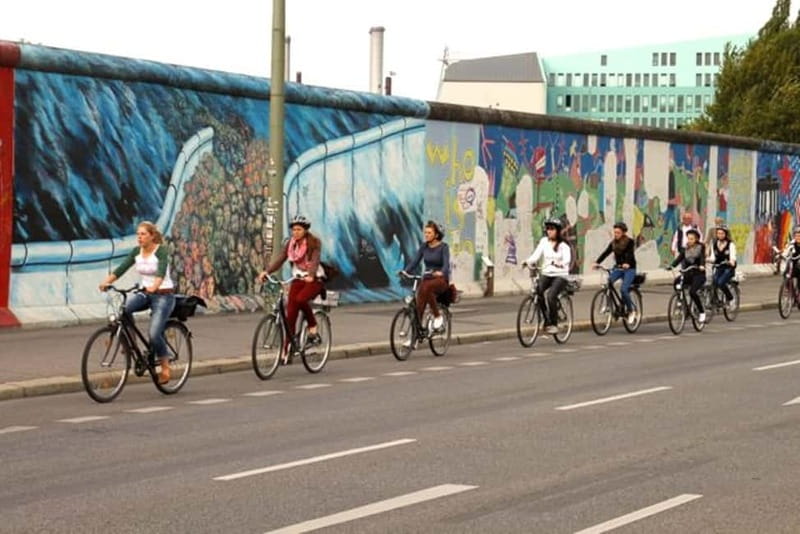
You then reach the East Side Gallery, one of Berlin’s best-known Wall sites. The long painted section is a natural photo stop, but the guide adds context about the Wall and the way its remains have been treated since reunification. Allow yourself a moment to look beyond the murals. The Wall is both a historic object and part of a heavily used modern city.
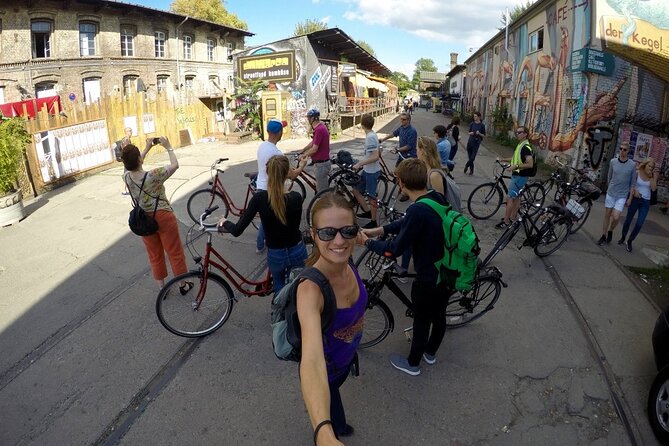
The route continues to RAW-Gelände, a former railway repair area now associated with art, nightlife, events, and alternative culture. This is one of the clearest places to see Berlin’s mixture of old industrial space and newer commercial pressure. Depending on the day and the guide’s route, the atmosphere can change, but the area’s rough, creative character is central to the stop.
I like this trio because it links three parts of Berlin’s identity: the Wall, the club scene, and reuse of industrial property. You get more than a photo beside a famous mural. You see how spaces left behind by older systems became valuable to artists, musicians, and businesses.
Oberbaumbrücke and the Spree
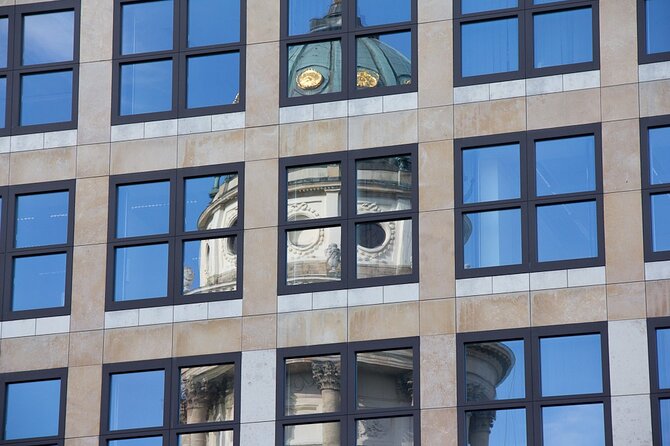
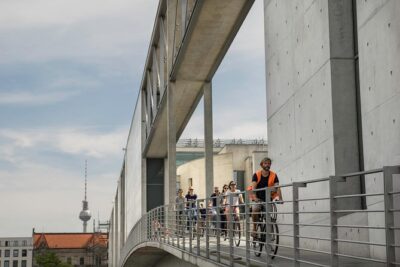
Oberbaumbrücke is one of Berlin’s most recognizable bridges, linking Friedrichshain and Kreuzberg. It is another photo stop, but it also gives you a practical sense of how the former East and West sides now connect.
The bridge is especially useful for understanding the city’s contrasts. It is picturesque, busy, and highly photographed, yet the districts on either side have very different local personalities. The guide may use the bridge to explain the Wall, neighborhood identity, and redevelopment around the Spree.
From here, the ride follows the river toward the Berlin Tag und Nacht houseboat. The houseboat is associated with the television series and Berlin’s fondness for unconventional living and creative settings. It is a small stop, but it adds a lighter, more contemporary note after the heavier Wall material.
Next comes Molecule Man, the large metal sculpture standing in the Spree. It is easy to spot from a distance and makes a good photograph. More important, it places you back on the river and shows how public art helps shape Berlin’s modern waterfront.
The river sections are among the most pleasant parts of the ride. You get a break from traffic and a chance to see the city from a different angle. Still, do not expect a continuous scenic riverside cruise. This is an urban bike tour, and the route moves between paths, streets, bridges, and neighborhoods.
Same city, a different ride:
- Berlin Highlights: 3-Hour Bike Tour
★ 4.9 · 809 reviews - Berlin Highlights Sightseeing Bike Tour in Small Groups
★ 5.0 · 652 reviews - Berlin: The Wall and Third Reich Guided Bike Tour
★ 4.8 · 578 reviews - Berlin: Alternative Bike Tour of Kreuzberg & Friedrichshain
★ 4.7 · 548 reviews
Club der Visionäre, Wrangelkiez, and Görlitzer Park
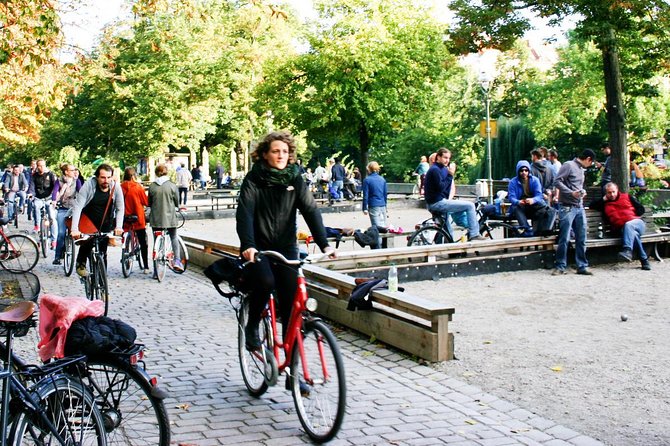
Club der Visionäre brings you back to Berlin’s outdoor club culture and canal-side nightlife. It is a useful stop for understanding how music venues and informal social spaces became part of the city’s identity. The stop is brief, so the value comes from the guide’s explanation rather than from spending time inside.
Wrangelkiez gives you a closer look at neighborhood life in Kreuzberg. The area is known for its mix of long-established residents, alternative culture, food, nightlife, and newer businesses. This is where the tour’s theme of social change becomes especially clear.
Görlitzer Park adds another layer. The park is a major open space in a dense part of the city and has long been tied to Kreuzberg’s social and political character. Your guide can help you understand why this place matters locally, rather than treating it as just a patch of green on the route.
You should expect an honest look at the city, not a polished sales pitch. The ride includes nightlife, creative projects, social issues, and gentrification. That balance is one of its best features, although some visitors may prefer a more traditional sightseeing tour with fewer discussions of urban conflict.
CarLoft Modul and the canal route
The CarLoft Modul stop points to one of Berlin’s more unusual approaches to housing and architecture. The building reflects the city’s willingness to experiment with how people live and how cars, apartments, and public space can be combined.
It is an important contrast with the alternative projects earlier in the ride. Berlin is not only former squats and independent clubs. It is also a city of new ideas, investment, design, and changing property values. Seeing both sides on one route makes the discussion of gentrification more concrete.
The ride then reaches Maybachufer, a canal-side area known for its waterside setting and neighborhood activity. The canal offers a calmer stretch and a clear change of pace. You may find this part especially pleasant if you enjoy seeing how residents use everyday public spaces rather than only visiting formal attractions.
Admiralbrücke is another photo stop. The bridge is small and atmospheric, and it helps show how ordinary urban places can become part of Berlin’s social life. It is not a grand monument, so the guide’s local context matters here.
The route is mostly designed to avoid heavy traffic, using quiet side streets and bike paths when possible. That makes the ride more approachable for people who are not used to cycling in a large city. Still, Berlin is a working city, and you should remain alert around streets, crossings, bridges, and shared paths.
Kottbusser Tor through Künstlerhaus Bethanien
Kottbusser Tor is one of the city’s most recognizable transport and neighborhood hubs. It is crowded, noisy, and full of contrasts. This is not a beauty stop, but it is an honest look at the social and urban energy of Kreuzberg.
The guide may explain how the area has changed, how different communities have shaped it, and how rising rents and redevelopment affect everyday life. This is one of the places where the tour moves beyond postcard Berlin and asks you to look at the city as a place where people live, work, argue, and adapt.
Rio-Reiser-Platz offers a cultural pause. The square honors musician Rio Reiser and connects Berlin’s alternative music tradition with its public spaces. It is a compact stop, but it fits the tour’s wider interest in artists, musicians, and people who have shaped the city outside official institutions.
The final stop is Künstlerhaus Bethanien, an arts center in a former hospital building. It brings the route back to creative work and the reuse of old structures. You finish with a good sense of the tour’s main idea: Berlin’s identity is built from layers, and the most interesting layers often sit beside one another without being neatly resolved.
Then you cycle back to the Free Berlin office. The route is long enough to give you a real feel for several districts, but the stops keep it from becoming a race.
What the $41 price really includes
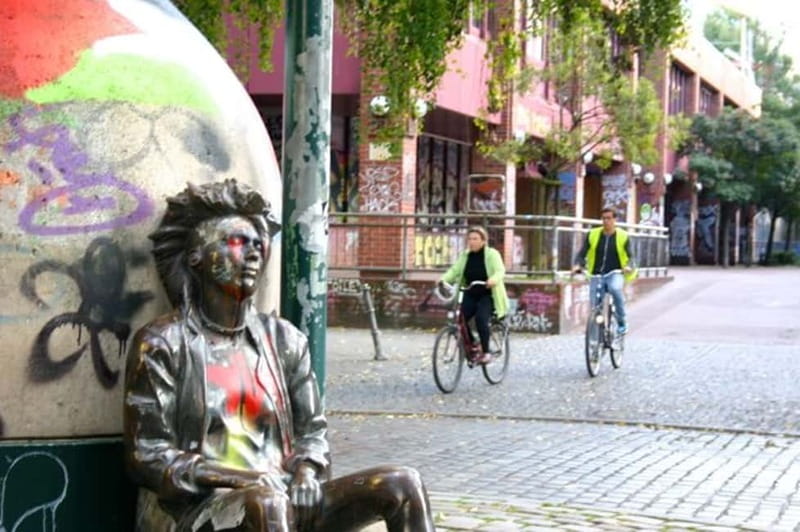
At $41 per person, this is a solid value if you want both transportation and interpretation. You receive a rental bike of your choice, and the bicycles are fitted with baskets and regularly serviced by certified mechanics. A helmet is available if you request one, and waterproof ponchos are supplied if rain appears.
The price also covers three hours with a live guide in English, German, or French. That matters because the tour’s value comes less from the cost of the bicycle and more from the stories that connect each neighborhood.
A 17-kilometer route would be easy to follow on your own, but it would be harder to understand why the places matter. The guide adds the context that turns a former industrial site, a club, or a bridge into part of Berlin’s larger story.
The group limit of 15 is another reason the price works. You are not guaranteed a private conversation, but a small group allows the guide to adjust the pace and answer questions. Private tours are also available if you want to choose the start time and tailor the route.
Who should book this bike tour?
I would choose this ride if you have already seen Berlin’s central monuments or if you want to understand the city through neighborhoods rather than museums. It is especially well suited to visitors interested in street art, architecture, nightlife, urban change, the Wall, and local culture.
It also works well as an early trip activity. You can use the route to learn where Kreuzberg, Friedrichshain, Neukölln, and Treptow fit in relation to one another, then return later to the places that catch your interest.
Families can join, and infant seats can be provided on request. Children should still be comfortable with a three-hour outing and regular cycling. Large baggage can be left with the tour operator during the ride.
I would think twice if you dislike cycling, hot weather, or city streets. One past rider found the heat difficult, although the guide kept checking the group and adjusting the pace. Another useful point is that the ride includes frequent stops, so you are not cycling continuously for three hours.
The tour has earned a 4.8 rating from 395 reviews, and the strongest praise centers on the guides’ warmth, personal stories, safety awareness, and ability to explain the city. That matches the design of the experience: the bike gets you from place to place, but the guide makes the route meaningful.
Should you book the Alternative Kreuzberg bike tour?
Book it if you want a friendly, active look at Berlin’s less formal side. The ride combines Wall history, river paths, creative spaces, club culture, architecture, and neighborhood change in a way that a standard center-city walk cannot.
I would not book it expecting a fixed, perfectly predictable sightseeing script. The guides have freedom to shape the route, and that means the experience depends partly on who leads your group and what is happening in the city that day.
For most visitors who are comfortable on a bicycle, the balance is right: a manageable price, a useful route, regular stops, and plenty of context. You finish with more than a collection of photographs. You gain a clearer sense of why modern Berlin looks and feels so different from one district to the next.
FAQ
Where does the bike tour start?
Meet at the Free Berlin office in the courtyard entrance of the building at Poststraße 11. Look for the Free Berlin sign.
How long is the tour?
The tour lasts three hours.
How far do you cycle?
The route covers roughly 17 kilometers.
Which Berlin districts does the tour visit?
The route includes Kreuzberg, Friedrichshain, Neukölln, and Treptow, along with parts of the central city.
Which languages are available?
Live tours are available in English, German, and French.
Is the tour suitable for children?
Yes. Children are welcome, and infant seats can be provided on request.
Is a bicycle included?
Yes. A bike rental of your choice is included, and the bikes have baskets.
Can I get a helmet or rain protection?
Helmets are available if requested, and waterproof ponchos are provided in case of rain.
Can I book a private tour?
Yes. Private tours are available, with a personal starting time and a route that can be customized to your interests.
Just added around Berlin
- The Beauty of Berlin by Bike: Private Tour★ 5.0 · 59 reviews
- Party and Beer Bike Private Sightseeing Tour Berlin with Pick-up★ 4.5 · 32 reviews
- Private Berlin Street Food Bike Tour★ 4.9 · 42 reviews
- Private Berlin Street Food Tour by Bike★ 5.0 · 87 reviews
- Berlin Wall History Small Group Cycling Tour★ 4.9 · 152 reviews
- Best of Berlin E-Bike Tour★ 5.0 · 77 reviews
- Best of Berlin E-Bike Tour★ 5.0 · 37 reviews
- Berlin: E-Bike Tour of the Berlin Wall and Mitte Highlights★ 4.7 · 60 reviews
Berlin Bike Tours, compared.
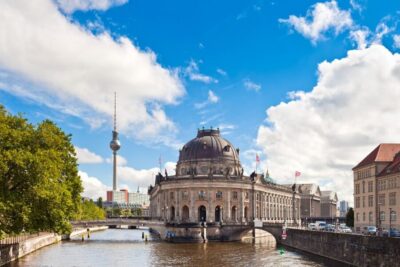
Sights and Highlights Bike Tour with a Local Guide
Read our review →
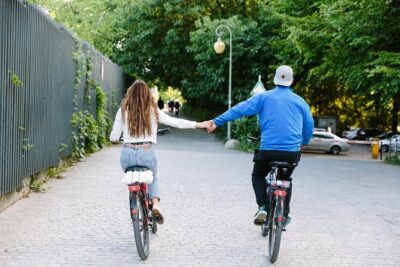
Berlin Highlights Sightseeing Bike Tour in Small Groups
Read our review →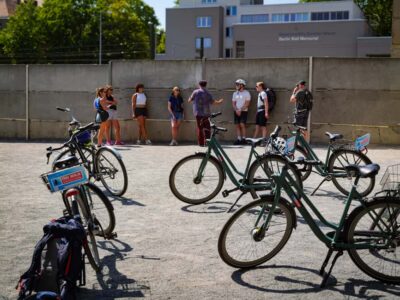
Alternative Bike Tour of Kreuzberg & Friedrichshain
Read our review →
Browse the lists this tour appears in