
REVIEW · INDONESIA
Bali Downhill Cultural Cycling Tour
Bali’s best cultural encounters are often found away from the beach clubs and souvenir streets. This Kintamani-to-Ubud cycling route takes you through villages, farms, and rice-growing country, with stops that put real faces and daily routines behind the scenery. You will visit a rural school, sit with a local priest’s family, and share coffee in a private compound.
I like the strong cultural focus and the fact that the day is not just a bike ride with scenery. I also like the generous value: hotel transfers, breakfast, lunch, equipment, water, guide, and insurance are included for $45.
The main consideration is that downhill does not mean effortless. The ride is about 27 kilometers and includes a few uphill stretches, road riding, and traffic. The promised breakfast view of Mount Batur and Lake Batur may not always happen, so book this for the villages and people as much as for the volcano view.
Key points to know before you book
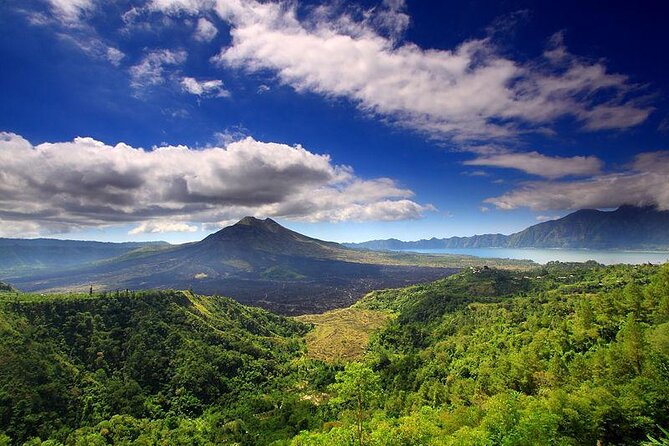
- The ride begins high above Bali: You drive to the Kintamani volcano area, then cycle toward Ubud for about 3.5 hours.
- The school visit has a practical purpose: Part of your tour payment supports school supplies, and you may bring extra pencils or drawing books.
- The best cultural stop is personal: At a priest’s family compound, a guide translates your conversation over coffee.
- Coffee tasting is included: You visit an organic plantation and sample several coffees and teas.
- Expect roads, not a continuous trail: The route passes through villages and rice country, but some of the cycling is on public roads.
- Lunch completes the day well: You eat Balinese food at Padi Organic in Laplapan, surrounded by rice paddies.
From your hotel to the highlands above Lake Batur
The day starts with pickup at your hotel, with vehicles beginning collection about 30 minutes before the advised pickup time. That early buffer matters in Bali, where hotel access and road traffic can stretch a simple transfer.
The drive takes you toward Kintamani, Bali’s high volcanic area. At the top, you have the chance to see Mount Batur and Lake Batur while eating a light breakfast. The view is one of the day’s big visual rewards, but you should keep expectations sensible. Cloud, timing, and operating conditions can affect whether the breakfast stop takes place exactly as described.
Wear layers for this part of the morning. Kintamani is cooler than the lowlands, while the ride toward Ubud becomes warmer. Comfortable closed-toe shoes are required, and sportswear makes the day easier from the start.
The transport is useful for another reason: it removes the need to arrange a one-way bike route through two different parts of Bali. At the end of the ride, a return transfer takes you back to your hotel.
More Mountain Bike Tours in Indonesia
- From Ubud: Downhill Bike Tour with Rice Terraces and Meal
★ 4.9 · 664 reviews - Ubud: Downhill Cycling with Volcano, Rice Terraces and Meal
★ 5.0 · 536 reviews - Ubud: Downhill Bike Tour with Rice Fields, Volcano and Meal
★ 5.0 · 267 reviews
A school visit with a direct charitable purpose
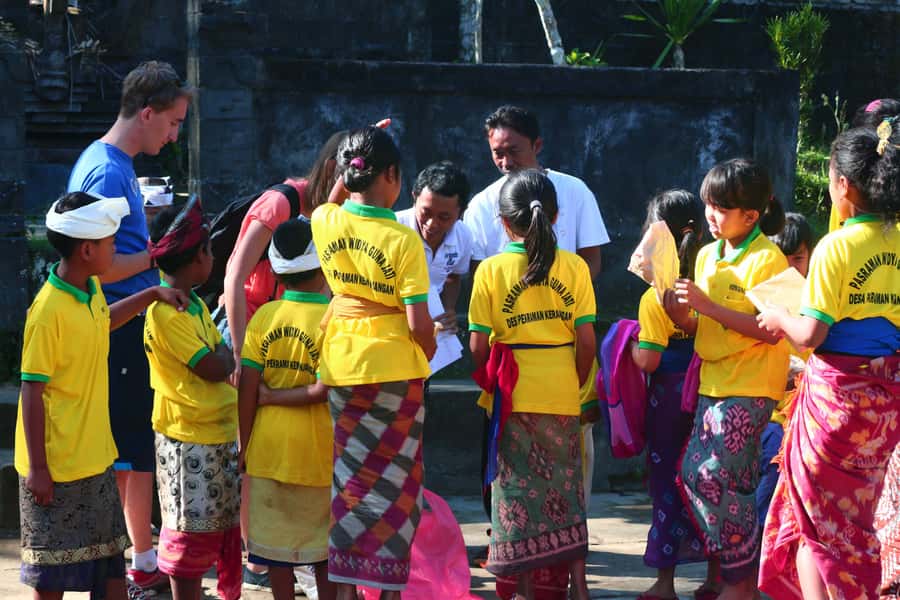
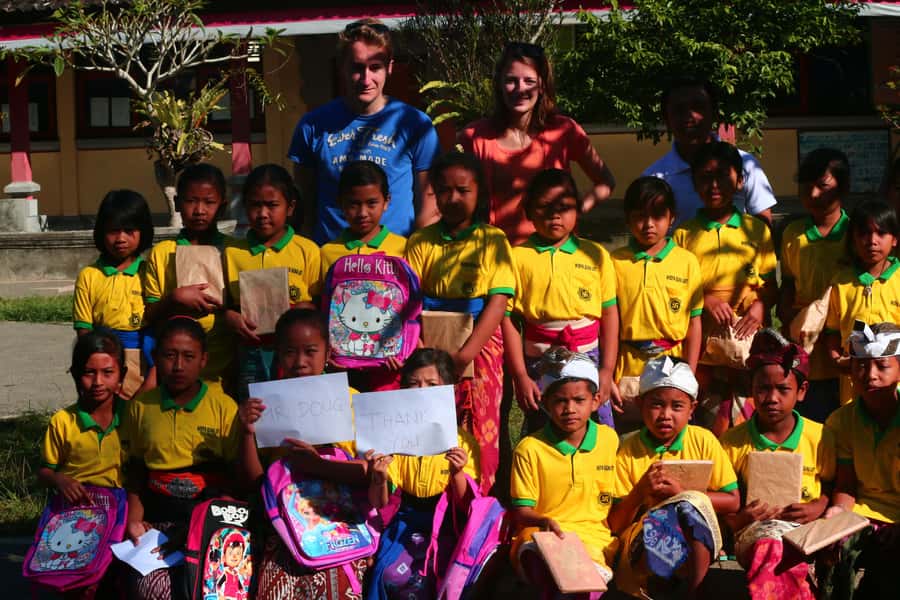
The first major stop is a local village school. This is not a grand attraction. You are there to see a typical rural school and take part in a small charity program funded partly by the tour.
The operator donates part of the tour cost toward essential school items, which are distributed during the visit. You can also bring supplies yourself. A useful tip is to bring pencils or drawing books in groups of about 20, since the supplies may be shared among classes rather than handed to one child each.
That detail changes how you should approach the stop. The school is not a stage set for visitors, and the goal is not to hand out random sweets or a single large gift. Basic classroom supplies are more useful. Bring only what you are comfortable carrying, and let the teachers decide how items are shared.
For many people, this is the most meaningful stop of the day because it gives some context to rural education. You see a working community institution rather than only temples, viewpoints, and restaurants. The visit is brief, but it adds purpose to the outing.
Coffee, tea, and the organic plantation stop
The plantation visit gives you a slower break before the longer ride. You can taste several types of coffee and tea, including luwak coffee, along with other plantation products.
The tasting is included, but purchases are not. The range of drinks and chocolate can make the shop tempting, so bring cash if you want souvenirs. Alcohol is not included, and personal purchases are your responsibility.
The stop also has an educational side. You can learn how plantation products are prepared and see the small animals connected with luwak coffee production. If that subject matters to you, ask your guide questions and pay attention to how the process is explained.
This is also a good place to remember that free tasting does not mean you must buy. Enjoy the drinks, compare the flavors, and purchase only if you genuinely want something to take home.
Three and a half hours on the bike
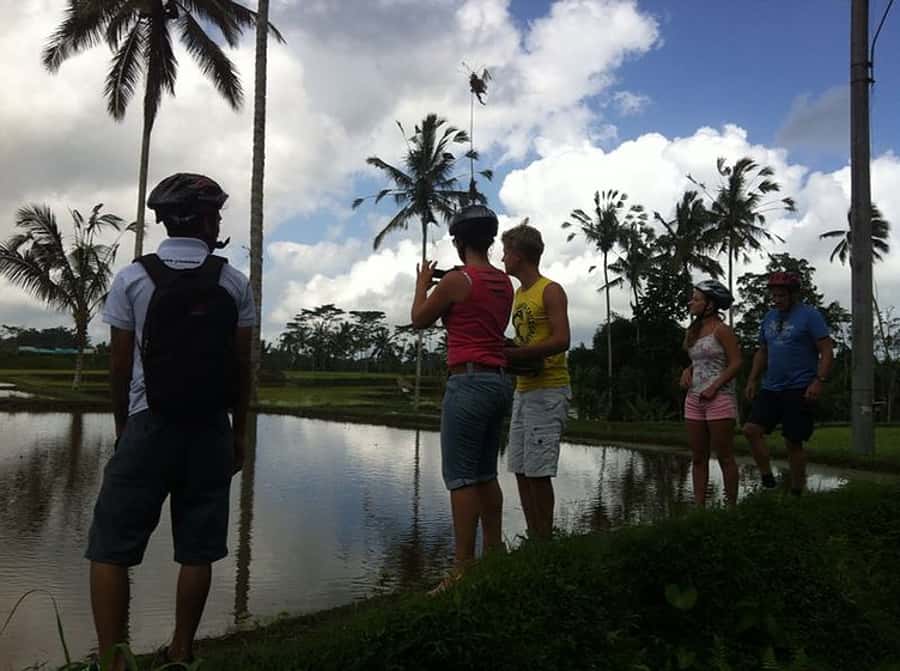
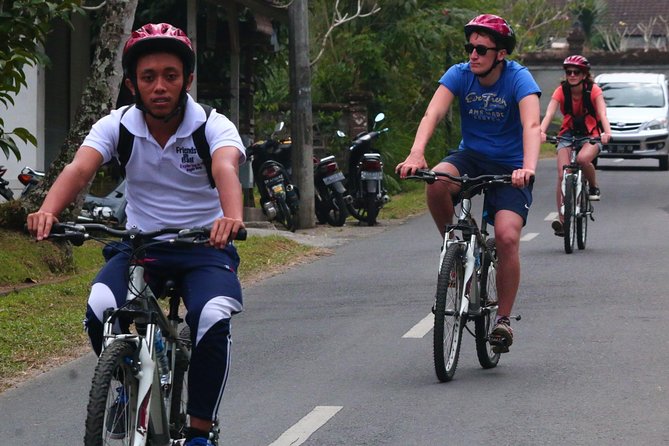
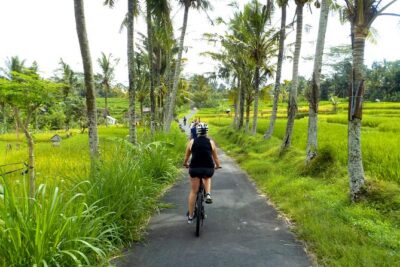
The cycling section runs downhill from Kintamani toward Ubud and lasts roughly 3.5 hours. The route passes village roads, local farms, rice-growing areas, and rural communities. Guides explain Balinese customs, family life, farming, and the changes brought by modern life.
The word downhill needs a little explanation. Most of the route trends downward, and many riders find it manageable, including older riders and people who do not regularly cycle. Still, it is not a nonstop coast. You will face a few uphill sections, and one steep rise has been walked by riders who preferred not to pedal it.
One account describes the route as about 27 kilometers. That is a useful number for judging your fitness. You do not need to be a serious cyclist, but you should be comfortable sitting on a bike for several hours and handling occasional climbs.
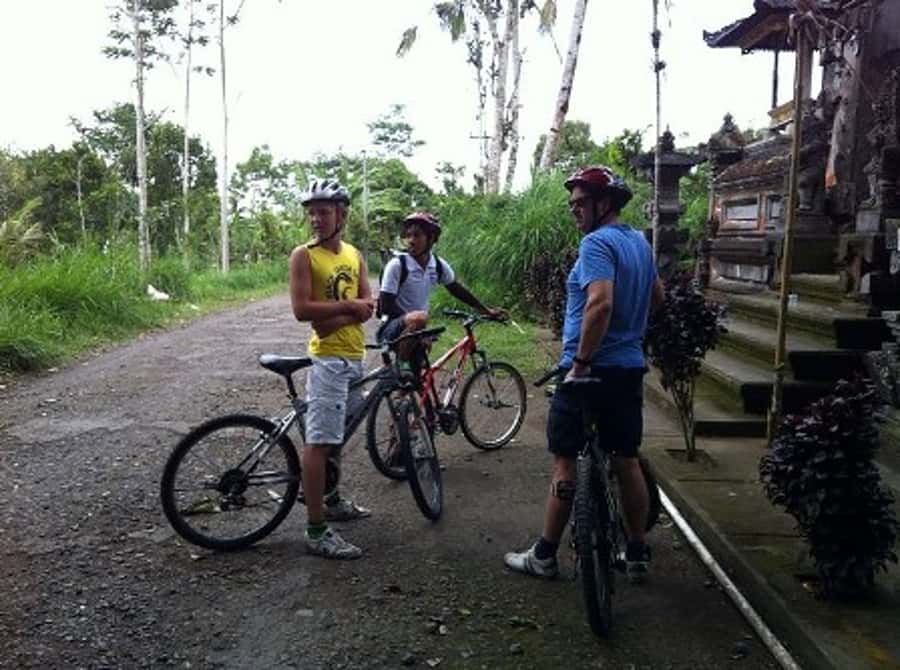
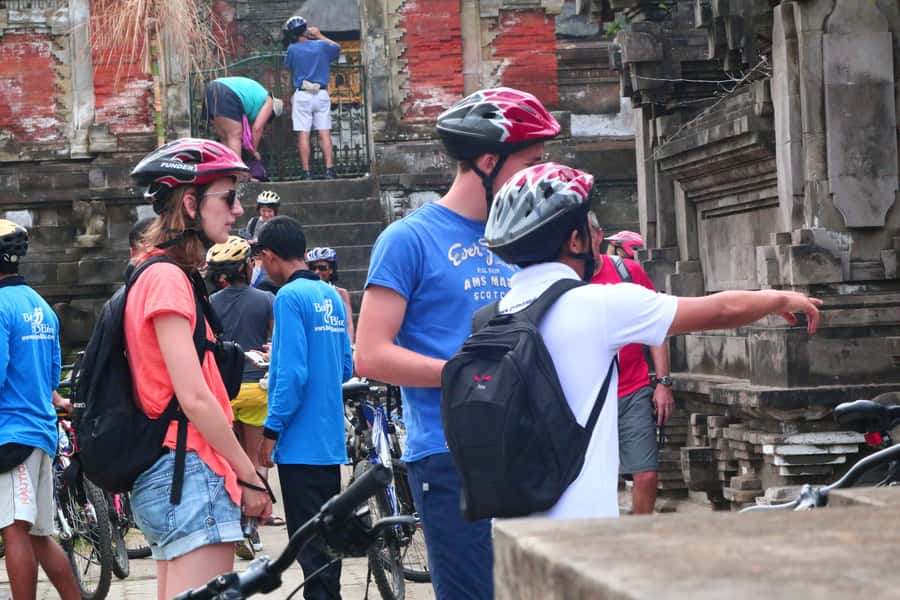
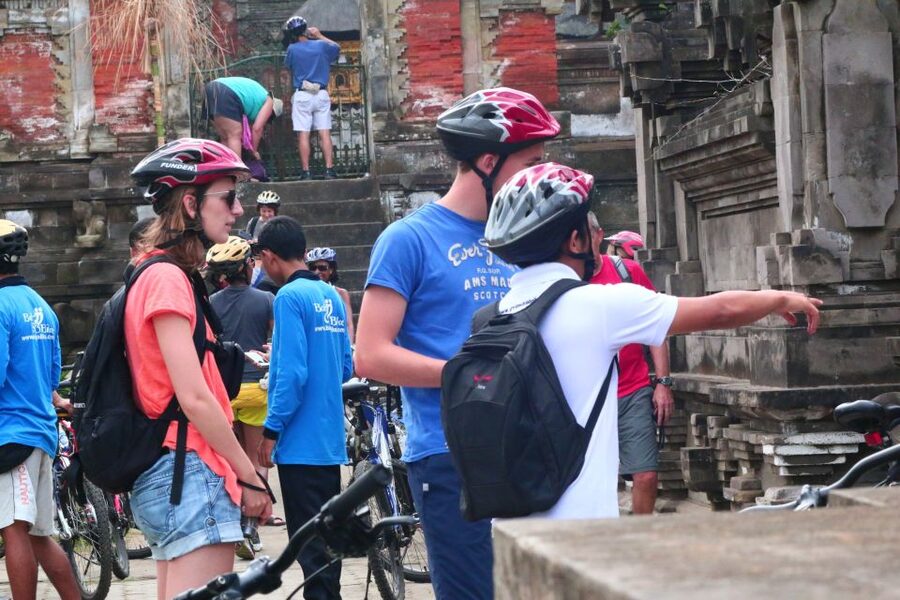
The bigger issue is road conditions. This is not a protected cycle path winding entirely through paddies. You spend a fair amount of time on village and public roads. Traffic can be challenging in places, although quieter rural stretches make up much of the route. Your guide helps manage the pace and passage, but you still need to pay attention.
Guides are one of the strongest parts of this tour. Names connected with past departures include Agus, Ari, Dika, and Nyomah. The most useful guide is not simply the person who leads the bikes. You want someone who explains what you are seeing, translates conversations, watches the group, and adjusts the pace when needed.
That personal attention is especially valuable if your group has mixed ability. Riders who are comfortable can continue at an easy pace, while less confident cyclists can slow down or walk a short section. Tell your guide early if you need a break or a slower rhythm.
Same city, a different ride:
- Electric Cycling Tour of Ubud with Free Hotel Transfer and Lunch
★ 5.0 · 1,397 reviews - Menoreh Village Cycling
★ 5.0 · 611 reviews - Ubud: Rice Terraces & Villages Half-Day Fat Tire E-Bike Tour
★ 4.9 · 602 reviews - Ubud eBikes Tour to Tegallalang Rice Terrace
★ 5.0 · 507 reviews
Rice fields and the working countryside
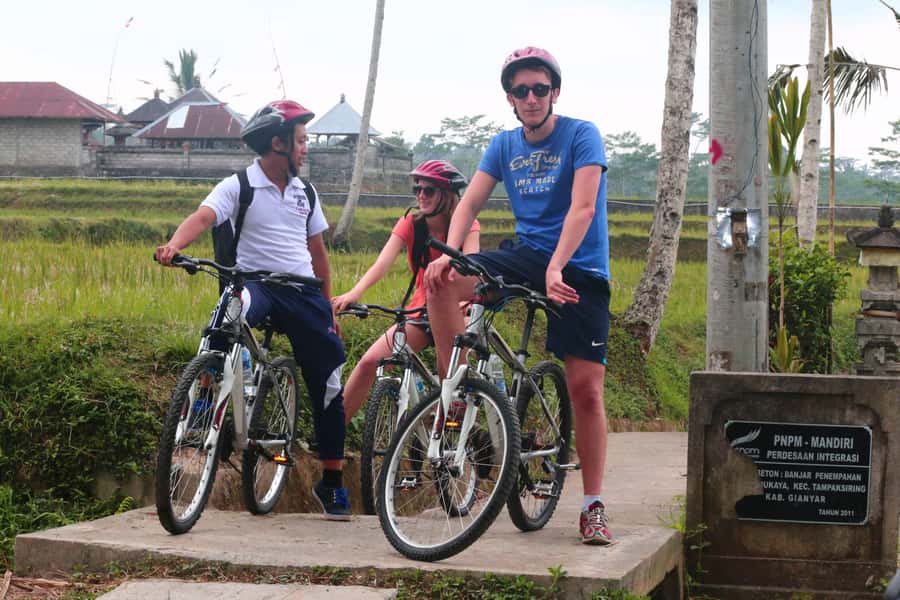
The rice-field section is a short walk rather than a long hike. Your guide explains Balinese rice planting culture and the role of farming in village life.
You should not picture a full day spent cycling directly through narrow paddy paths. Some of the ride passes beside rice fields and farms, while other parts use paved village roads. One traveler expecting more time inside the paddies found the road riding greater than expected. That is a fair warning for anyone choosing this mainly as an off-road cycling trip.
Still, the route gives you a useful look at how rural Bali fits together. You pass homes, fields, farms, and village spaces rather than viewing the countryside from a tour bus window. The guide’s explanations help connect those sights to food production, tradition, and family routines.
Bring sunscreen and water. Mineral water is supplied, but Bali’s heat can catch you out, especially after the cooler start in Kintamani. Sunglasses and light clothing are practical additions, although the required basics are sportswear, layers, closed-toe shoes, cash, and sun protection.
Coffee with a priest’s family
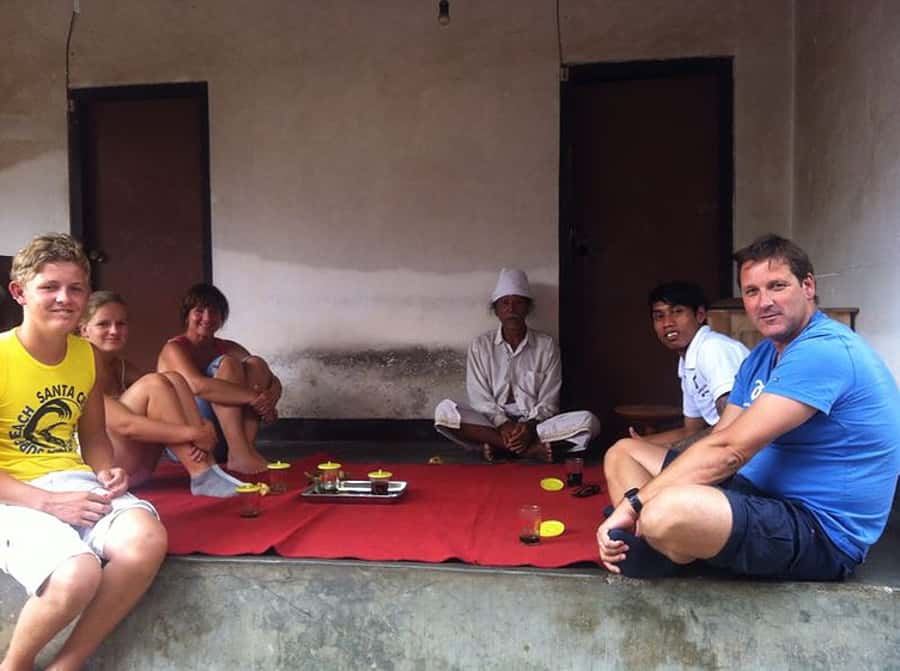
The visit to a local family compound is the most personal part of the day. A local priest joins you for coffee, and your guide translates the conversation. You learn about Balinese family life and rural customs by speaking with people in their own home setting.
This is more revealing than simply entering a temple, because the focus is daily life. You can ask questions and hear explanations tied to the family compound, local beliefs, and community traditions. The conversation may be simple, but that is part of its value.
The details of the visit can vary. Past departures have included a meeting with an elderly spiritual figure, coffee, and homemade snacks. You should treat the stop respectfully: dress modestly, listen carefully, and let your guide explain what is appropriate.
The compound visit also helps balance the day. The school shows a community institution, the plantation shows local production, and the family compound gives you a look at private life. Together, the stops make the ride about more than scenery.
Balinese lunch beside the paddies
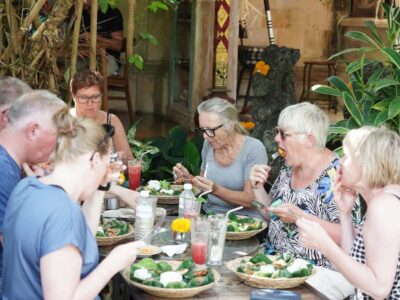
The final meal is at Padi Organic in Laplapan, a village surrounded by rice paddies. The included Balinese lunch gives you a proper finish after the cycling, rather than leaving you to find food on your own.
Lunch has received especially strong praise, along with the light breakfast. Expect local food rather than a generic Western meal. If you have dietary concerns, ask the operator in advance, since the supplied details do not specify vegetarian, vegan, allergy, or halal arrangements.
The setting is part of the appeal. Eating near working rice fields gives you one last look at the countryside you have just crossed. It is a calmer ending than finishing beside a busy tourist street.
After lunch, your driver returns you to your hotel. The full day lasts about eight hours, including the transfer to Kintamani, stops, cycling, lunch, and the ride back.
What $45 really includes
At $45 per person, this is strong value if you want several parts of Bali in one day. The price covers:
- Hotel pickup and return transfer
- Cycling equipment
- Mineral water
- Light breakfast
- School charity contribution
- Balinese lunch
- English or Indonesian-speaking guide
- Personal insurance up to USD 75,000
You are not paying only for bicycle hire. You are also covering a full-day vehicle arrangement, a long guided route, multiple cultural stops, two meals, and a charitable contribution.
You should budget extra cash for coffee, tea, chocolate, souvenirs, and any gratuity. Sun block is not provided, so bring your own. Gratuity is optional and left to your judgment.
The value is best for someone who would otherwise book separate transport, a plantation visit, a cultural walk, and a countryside ride. If you only want an athletic cycling workout, you may find the repeated stops slow the day down. If you want a broad introduction to rural Bali, the mix works well.
Who will enjoy this ride most
I would choose this tour if you want to see a quieter side of Bali without giving up the comfort of hotel transport. It suits couples, families, and mixed-ability groups, especially when the guide can adjust the pace.
It is also a good match for first-time visitors who want cultural context without spending a full day in museums or formal attractions. The guide-led conversations make the visit more approachable, especially when you have questions about Balinese traditions.
You should think twice if you dislike public-road cycling, want a continuous trail through rice paddies, or are looking for a demanding mountain ride. Pregnant women and wheelchair users cannot take part. The ride is mostly downhill, but a reasonable level of fitness still helps.
The tour is available with English or Indonesian guidance. Several guides, including Agus, Ari, Dika, and Nyomah, have been praised for clear English, care, and cultural explanations. Your exact guide depends on the departure, but good communication is important because translation is part of the school and priest-compound visits.
Practical preparation for a better day
Wear comfortable sports clothing and closed-toe walking shoes. Layers are useful at the Kintamani start, while sunscreen becomes important as you descend into warmer areas.
Bring cash for personal expenses, sunscreen, and a small bag for anything you buy at the plantation. If you want to support the school directly, pencils and drawing books are practical choices. Bringing around 20 of each can help the teachers distribute them across classes.
Do not assume every part of the route is downhill. Be prepared to walk the bike briefly on a steep section if needed. You can also tell the guide when you need a break, particularly if your group includes riders with different fitness levels.
The tour allows free cancellation up to 24 hours before departure, and you can reserve now and pay later. Those terms are useful if your Bali plans are still changing, but you should still check the available start time before booking.
Should you book the Bali Downhill Cultural Cycling Tour?
Book it if your ideal Bali day includes rural scenery, thoughtful guiding, and real contact with local communities. The school visit, family compound, plantation, rice-field walk, and Balinese meal give the day more substance than a simple downhill ride.
Choose another cycling trip if you want almost no road traffic or expect to spend the entire route inside rice paddies. Also think carefully about the 27-kilometer distance and the uphill sections if you rarely ride a bike.
For $45, the combination of transport, food, equipment, guide, charity contribution, and cultural stops is hard to dismiss. Just treat the Mount Batur breakfast view as a possibility rather than a guarantee, and book this for the full rural experience rather than one single photo stop.
FAQ
How long does the Bali Downhill Cultural Cycling Tour last?
The activity lasts about eight hours, including hotel transfers, stops, cycling, and lunch.
Where does the cycling route begin and end?
You drive to the Kintamani volcano area and cycle downhill toward Ubud. The route finishes in Laplapan, where lunch is served at Padi Organic, followed by a return transfer to your hotel.
How much cycling is involved?
The cycling portion lasts about 3.5 hours and has been described as roughly 27 kilometers. Most of the route is downhill, but there are a few uphill sections.
Is breakfast included?
Yes. A light breakfast is included, with a planned view of Mount Batur and Lake Batur. The view and exact breakfast arrangement may vary.
What happens during the school visit?
You visit a local village school as part of a charity program. A portion of the tour cost supports essential school items, and you may bring extra supplies such as pencils or drawing books.
What languages are available for the guide?
Guides are available in English and Indonesian.
What should I bring?
Bring cash, sportswear, sunscreen, layered clothing, and comfortable closed-toe walking shoes. Personal purchases, alcoholic drinks, and sun block are not included.
More Downhill Runs in Indonesia
- Bali Downhill Cultural Cycling Tour
★ 5.0 · 224 reviews - Ubud: Downhill Cycling with Volcano, Rice Terraces, and Meal
★ 4.9 · 189 reviews - Bali: Kintamani Downhill Bike Tour, Jungle and Waterfalls
★ 4.9 · 20 reviews - Waimea Canyon Downhill Bike Ride
★ 5.0 · 650 reviews
Just added around Indonesia
- Bali: Kintamani Downhill Bike Tour, Jungle and Waterfalls★ 4.9 · 20 reviews
- Ubud: Downhill Cycling with Volcano, Rice Terraces, and Meal★ 4.9 · 189 reviews
- Kotagede Royal Route – Cycling Tour★ 5.0 · 207 reviews
- Authentic Yogya Bicycle Tour★ 5.0 · 232 reviews
- Authentic Yogya Bicycle Tour★ 4.9 · 230 reviews
- Bali Downhill Cultural Cycling Tour★ 5.0 · 224 reviews
- Sanur Village E-bike Tour: Family-Friendly Adventure★ 4.6 · 85 reviews
- Electric Bike Tour in Ubud★ 5.0 · 281 reviews
Indonesia Bike Tours, compared.
Electric Cycling Tour of Ubud with Free Hotel Transfer and Lunch
Read our review →
Rice Terraces & Villages Half-Day Fat Tire E-Bike Tour
Read our review →
Half-Day Ubud Electric Cycling Tour to Tirta Empul Water Temple
Read our review →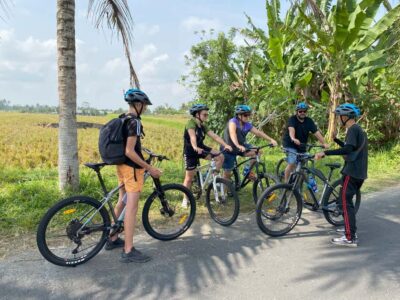
Downhill Bike Tour with Rice Fields, Volcano and Meal
Read our review →Browse the lists this tour appears in