
REVIEW · UBUD
Ubud: Downhill Cycling with Volcano, Rice Terraces, and Meal
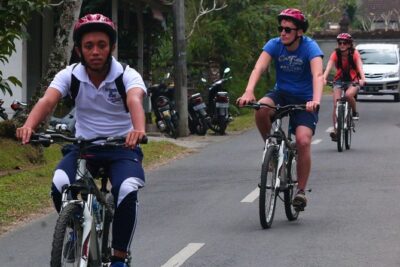
Bali’s best countryside views are not always found from a car window. This mostly downhill bike ride from South Batur to the Ubud area takes you past rice fields, village temples, family compounds, farms, and schools, with frequent stops to explain what you are seeing. I especially like the easy pace and the small groups, limited to four people.
I also like the human side of the trip. Guides such as Dewa, Pong, Eddie, Dika, and Dode have helped visitors understand Balinese customs rather than simply point at scenery. The main consideration is the road surface: expect uneven patches, potholes, and a few short uphill sections, even though most of the ride is a gentle coast.
Key things to know before you book
- Mostly downhill riding: You will do very little pedaling, but you still need to steer and use the brakes confidently.
- A close look at village life: Stops can include a traditional home, temple, school, farm, rice fields, and local ceremonies.
- Small groups of four: The guide can adjust the pace, photo stops, and rest breaks more easily than on a large bike tour.
- South Batur volcano views: The drive begins with a scenic stop near the volcano before the cycling starts.
- A filling finish: The day ends with an Indonesian meal, often served buffet-style, with vegetarian choices available.
- Strong value at $36: Transport from Ubud, bikes, helmets, water, insurance, and lunch are included.
Why this downhill ride is different from a standard Ubud tour
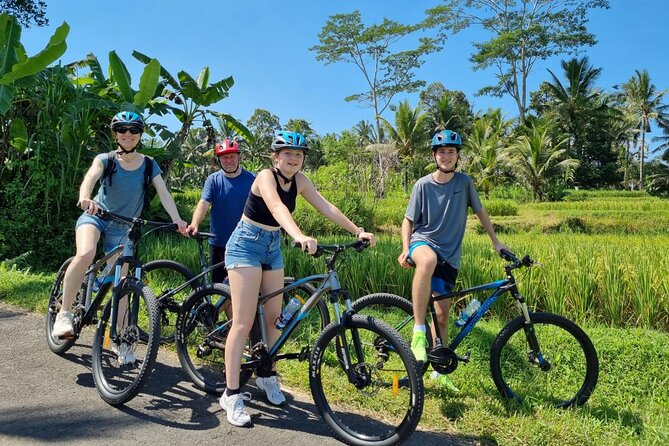
Many Ubud sightseeing trips move from one busy attraction to another. This one uses a bicycle to connect the stops. That matters because you pass through small roads and village lanes at a slower speed, with time to notice shrines, gardens, farm plots, children heading to school, and daily work in the rice fields.
The cycling is gentle by design. Several people describe using the pedals only a few times, with the rest of the route handled by gravity and the brakes. One route description puts the ride at about 20 kilometers, though the exact distance and timing can vary. There are some short climbs, and one may feel steep, but this is not built as a hard fitness challenge.
I would still call it an active outing. You need to balance on a bike, pay attention to the road, and control your speed. If you have not cycled for years, tell the guide at the start. One guide, Pong, was especially careful with an inexperienced rider, and the small group setup makes that sort of attention more realistic.
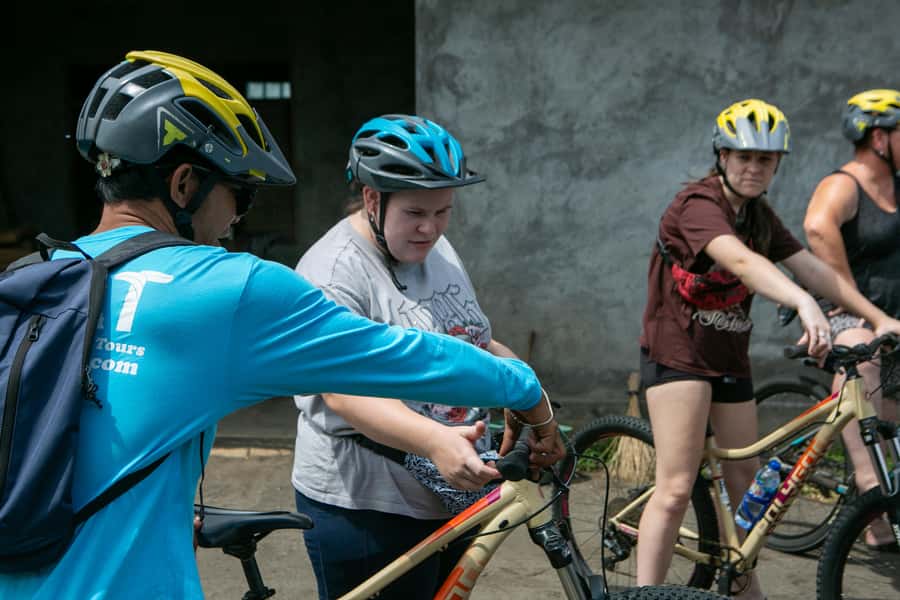
The bikes are described as well maintained, with different helmet sizes available. That is important in Bali, where road surfaces can change quickly from smooth pavement to rough village tracks. Bring comfortable shoes, sunglasses, a hat, sunscreen, and cash for personal purchases. A rain jacket can also be useful, since rain is possible and one group was supplied with raincoats when a shower arrived.
More Mountain Bike Tours in Indonesia
- From Ubud: Downhill Bike Tour with Rice Terraces and Meal
★ 4.9 · 664 reviews - Ubud: Downhill Cycling with Volcano, Rice Terraces and Meal
★ 5.0 · 536 reviews - Ubud: Downhill Bike Tour with Rice Fields, Volcano and Meal
★ 5.0 · 267 reviews
The drive from Ubud to South Batur
Pickup is included from hotels or meeting points within Ubud. The trip lasts about six hours in total, and the air-conditioned vehicle handles the transfer to the starting point. If you are staying in Sanur, Kuta, Nusa Dua, or another area outside Ubud, you need to arrange your own transport to the meeting point in Ubud.
The drive is not just dead time. The route includes a scenic stop near South Batur, where you can photograph the volcano and the surrounding countryside. Some departures also include a visit to a coffee plantation before the cycling begins. This can include tastings of local coffees and teas, and one stop included a chance to see luwak animals.
That coffee visit is not described in the core inclusions as a guaranteed part of every departure, so I would treat it as a possible extra stop rather than the main reason to book. The volcano view and the countryside ride are the reliable draws.
The timing of pickup matters. Morning departures are the norm in the supplied details, and prompt hotel pickup is a repeated part of the experience. Have your shoes on and be ready in the lobby at the agreed time. Bali traffic can affect the day, so do not schedule a tight appointment immediately after the tour.
South Batur’s volcano view before the ride
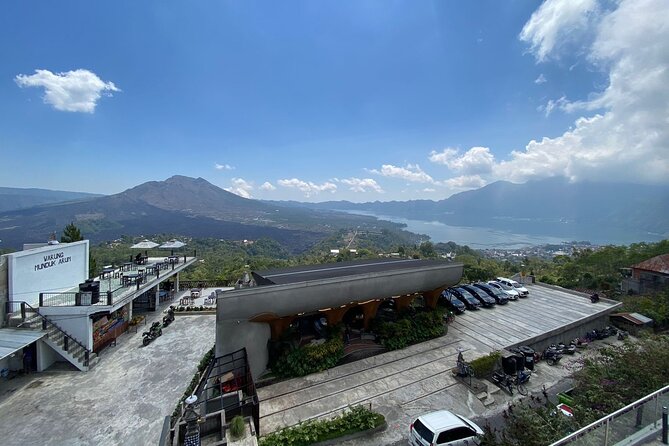
The volcano stop gives you a clear sense of where the ride begins. Rather than dropping straight onto a bicycle, you get a short scenic pause, roughly 15 minutes, to take photos and look across the highland area.
This is a good opening because the cycling route then moves away from the big view and toward smaller details. You shift from looking at Bali from a distance to seeing how people farm, worship, study, and live.
I would not expect a long volcano walk or a full crater visit. This is a photo and sightseeing stop, not a separate mountain excursion. Keep your expectations focused on the view, the photographs, and the transition to the bike route.
Rolling through villages, farms, and rice fields
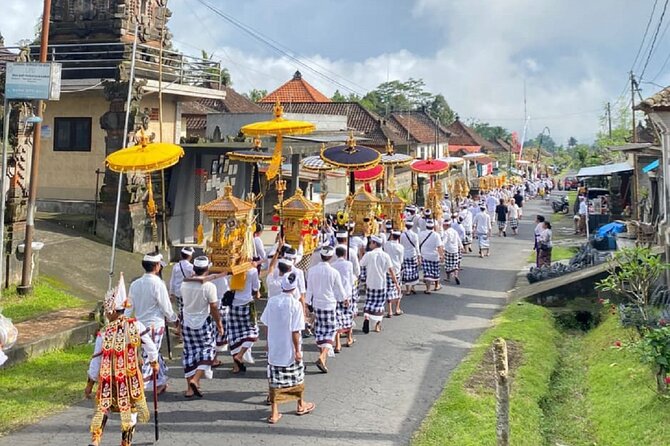
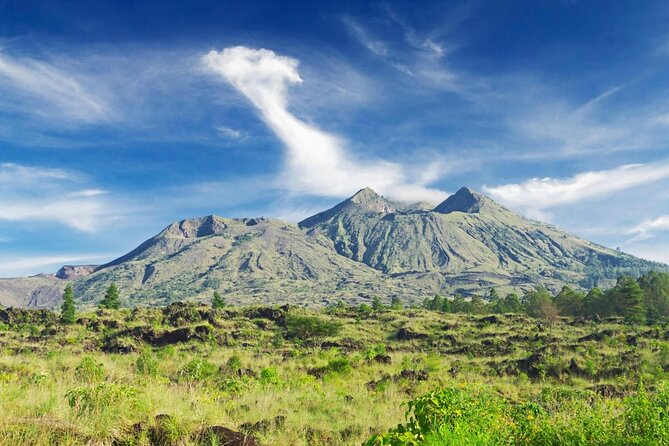
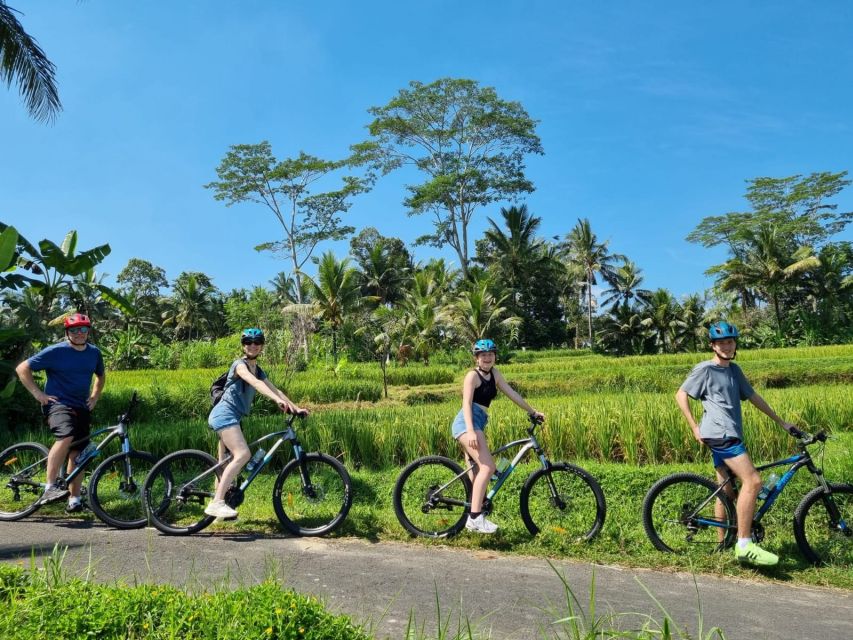
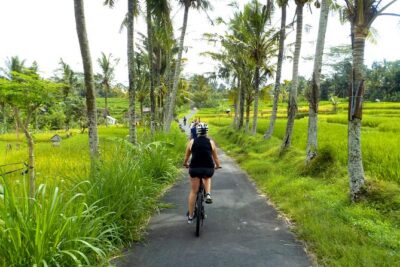
The central cycling section lasts about two and a half hours, including stops. Most of the route runs downhill through traditional villages, rice fields, and local farms. You may pedal on a few gentle rises, but the guide controls the pace and can stop when there is something worth explaining or photographing.
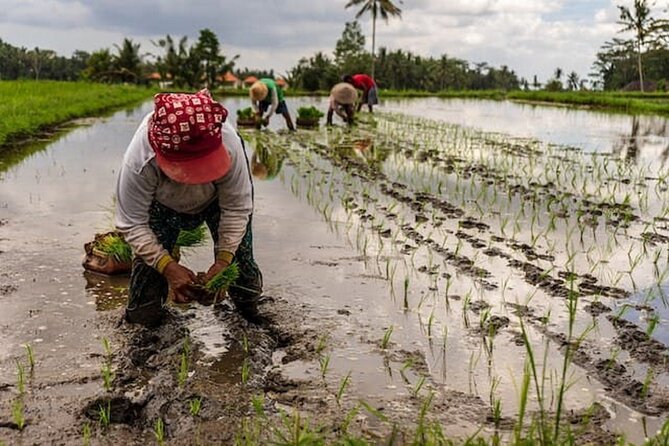
The rice fields are more than pretty scenery. Your guide can explain how rice is planted and harvested, and a short walk through the paddies brings you closer to the work behind the view. You may see farmers tending crops, water channels, narrow paths, and the practical rhythm of village agriculture.
The road itself is part of the experience, and also its main weakness. Potholes and large holes have been noted, so keep your eyes ahead instead of staring at the rice terraces while rolling downhill. The guide is there to help, but safe riding still depends on you. Use the brakes early, leave space, and do not chase the fastest rider.
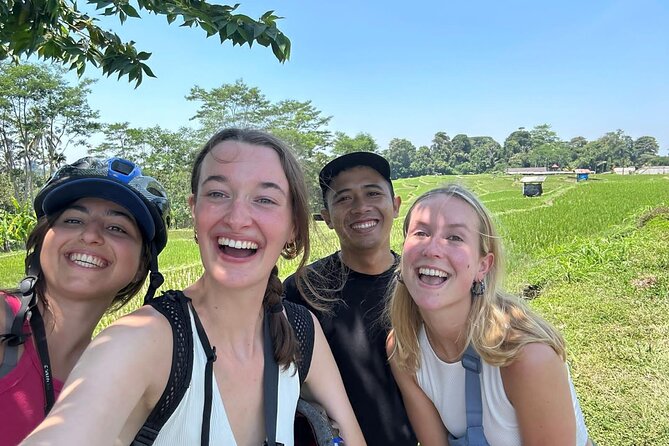
The quiet pace is a major strength. You can stop for photographs without holding up a large group. In a group of two, one guide adjusted speed, toilet breaks, and photo stops around the participants. A solo rider even received a more personal route when the group numbers allowed it. That flexibility is one reason the small-group price feels fair.
Same city, a different ride:
- Electric Cycling Tour of Ubud with Free Hotel Transfer and Lunch
★ 5.0 · 1,397 reviews - Menoreh Village Cycling
★ 5.0 · 611 reviews - Ubud: Rice Terraces & Villages Half-Day Fat Tire E-Bike Tour
★ 4.9 · 602 reviews - Ubud eBikes Tour to Tegallalang Rice Terrace
★ 5.0 · 507 reviews
A Balinese compound, temple, and school
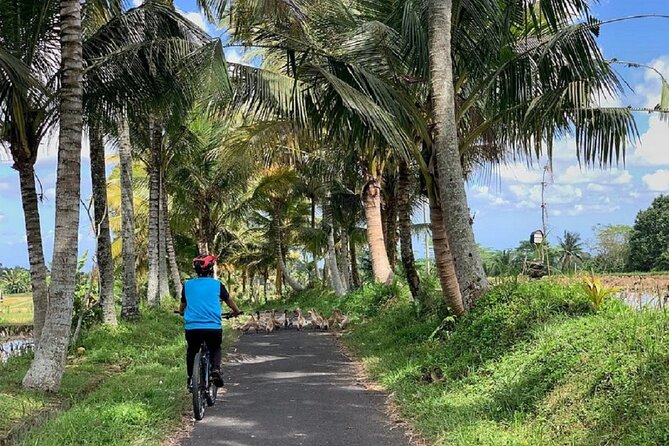
The stops turn a pleasant bike ride into a cultural visit. At a traditional Balinese compound, you can learn how family life is organized and hear about local customs and religious practice. This is a better way to understand Bali than simply looking at a decorated gate from a passing car.
The temple stop adds another layer. If a ceremony is taking place, your guide can explain what you are seeing and how it fits into village life. Ceremonies are not staged for the tour, so the exact sight will depend on the day. Be respectful, follow the guide’s instructions, and remember that a working temple is a place of worship, not just a photo stop.
A visit to a local primary school offers a brief look at everyday education. It is not a long school program, but it helps connect the countryside to the people who live there. The guide can explain aspects of the education system and answer questions about local life.
These visits are short, which keeps the ride moving. If you want a full museum-style cultural lesson, this is not that. Instead, you get several small windows into Balinese life, each one tied to a place you have reached by bicycle.
Meeting local families without losing the human touch
The family compound visit can be one of the most memorable parts of the day. You are treated as a visitor in a real home, with the guide explaining the layout, family customs, and traditions. This is where a good guide matters most.
Guides named Dewa, Pong, Eddie, Dika, Dode, Kator, and Handsome have all been praised for their friendly manner, clear English, photo help, and attention to safety. Names and assignments can change, but the important point is that the company uses local guides who can explain the places you pass through.
I like that the guide’s role is not limited to leading the bicycles. The best moments come from stopping to answer a question, pointing out a ceremony, explaining a home, or showing how rice is handled. Ask questions as you go. The more curious you are, the more useful these stops become.
There is a fine line between cultural contact and a staged visit. The supplied details present the compound, school, farm, and temple as genuine parts of the route, but the visits are still organized for tourism. Approach them with courtesy and avoid treating residents, children, or ceremonies as props for your camera.
What the bikes and safety setup mean for you
The cycling equipment, helmets, bottled water, and personal insurance are included. The insurance covers up to IDR 2,500,000 for participants aged 5 to 65. Pregnant people and wheelchair users should not book this activity.
The route is easy enough for many non-cyclists, but easy does not mean risk-free. Downhill riding shifts the work from your legs to your hands, eyes, and balance. You need to judge speed on uneven ground and be ready for traffic or other road users.
The staff appear to take safety seriously. One family had a child fall through his own mistake, and the team had a first-aid kit ready. That is reassuring, though I would still ride conservatively and tell the guide if you feel unsure.
Children aged 10 and 12 handled the ride well in one family group, and an 11-year-old enjoyed it with a parent. The minimum age is not specified in the supplied information, so confirm suitability for younger children when booking. The insurance age range also makes checking this detail sensible.
Lunch in Ubud: the right finish to a morning ride
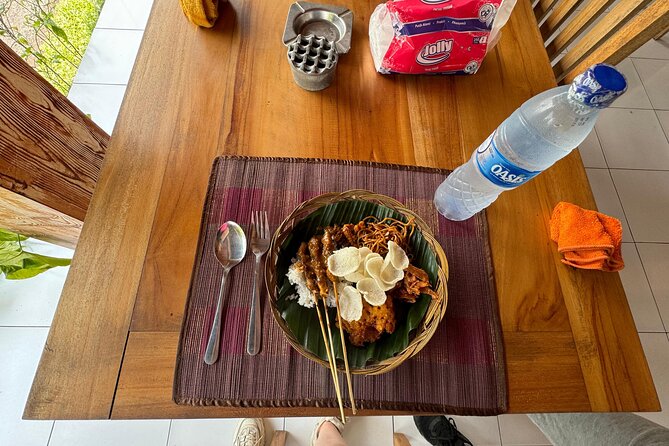
After the cycling, you return toward Ubud for about an hour of lunch. The meal is Indonesian and is often served buffet-style, with generous portions and vegetarian options available.
This is not a minor snack tacked onto the end. After two and a half hours on the route, even with little pedaling, a proper meal makes the day feel complete. Dishes are described as tasty and plentiful, and the staff may welcome you back with cold water and a cool face towel.
Alcoholic drinks are not included. Sunscreen, souvenirs, and other personal expenses are also yours to cover. Bring cash, since the tour specifically recommends it, but do not expect to need much for the included parts of the day.
The lunch stop is also useful for judging the tour’s value. At $36 per person, you receive the vehicle, guide, equipment, water, insurance, lunch, and a six-hour outing. Comparable private arrangements would usually require separate costs for a driver, bicycles, food, and a guide. The small group cap makes this especially attractive for couples, families, and friends who want more attention without paying for a fully private tour.
Who will enjoy this tour most
I would choose this outing if you want to see rural Bali but do not want a strenuous mountain bike trip. It suits active families, couples, solo visitors, and people who want an easy introduction to cycling in Bali.
It is also a good choice for non-cyclists who can manage basic bike control. The route is mostly downhill, but you cannot simply sit back. If you are uncomfortable with braking, uneven surfaces, or short climbs, a car-based countryside tour may be a better fit.
The tour works especially well for people staying in Ubud, since pickup is included there and the route returns to Ubud for lunch. It is less convenient if you are based elsewhere and do not want to arrange transport to Ubud.
I would book it early if you care about a very small group. The limit of four participants is a real advantage, and it allows the guide to adjust the speed and stops. At times, a small booking may even feel close to a private outing, but that is not guaranteed.
Should you book the South Batur cycling tour?
Book it if your idea of a good Bali day includes a volcano view, a gentle bike ride, local roads, rice fields, village homes, and a satisfying meal. The strongest feature is the mix: you get scenery, light activity, and cultural explanation in one well-paced morning.
Skip it if you need wheelchair access, are pregnant, dislike bicycles, or want a polished road with no potholes. Also skip it if you expect a serious downhill mountain-bike challenge. This is a relaxed countryside ride, not a technical adventure.
For most Ubud visitors, I consider $36 a strong value. The small group, good equipment, local guides, lunch, and included transport remove much of the usual planning work. Pack sun protection, wear shoes that grip, listen to the guide on rough sections, and leave room in your schedule for Bali traffic. If you do that, this is one of the more useful ways to spend half a day outside central Ubud.
FAQ
How long does the cycling tour last?
The full activity lasts about six hours. The main cycling and sightseeing section takes around two and a half hours, followed by about one hour for lunch.
Where does pickup take place?
Pickup is included from locations within the Ubud area. You should be ready at your hotel lobby or agreed meeting point at the pickup time.
Is pickup available from Sanur, Kuta, or Nusa Dua?
No. Pickup is only included within Ubud. If you stay in Sanur, Kuta, Nusa Dua, or another area, you need to arrange transport to the meeting point in Ubud.
Is the bike route difficult?
The route is mostly downhill and requires little pedaling. It includes some short uphill sections and uneven roads with potholes, so you still need to steer and brake carefully.
How many people are in each group?
The group is limited to four participants. Depending on bookings, a small group may sometimes receive a more private-style experience.
What equipment is provided?
The tour provides cycling equipment, including mountain bikes, helmets, and safety equipment. Bottled water is also included.
Does the tour include lunch?
Yes. Lunch is included and consists of Indonesian food. It is often served buffet-style, and vegetarian choices have been available.
Is the tour conducted in English?
Yes. The live tour guide speaks English.
What should I bring?
Bring comfortable shoes, sunglasses, a sun hat, sunscreen, and cash. A rain jacket may also be useful in case of rain.
Can pregnant people or wheelchair users join?
No. The activity is not suitable for pregnant women or wheelchair users. Personal insurance is included for participants aged 5 to 65, with coverage up to IDR 2,500,000.
More Downhill Runs in Indonesia
- Bali Downhill Cultural Cycling Tour
★ 5.0 · 224 reviews - Bali Downhill Cultural Cycling Tour
★ 4.8 · 42 reviews - Bali: Kintamani Downhill Bike Tour, Jungle and Waterfalls
★ 4.9 · 20 reviews - Waimea Canyon Downhill Bike Ride
★ 5.0 · 650 reviews
Just added around Indonesia
- Bali: Kintamani Downhill Bike Tour, Jungle and Waterfalls★ 4.9 · 20 reviews
- Bali Downhill Cultural Cycling Tour★ 4.8 · 42 reviews
- Kotagede Royal Route – Cycling Tour★ 5.0 · 207 reviews
- Authentic Yogya Bicycle Tour★ 5.0 · 232 reviews
- Authentic Yogya Bicycle Tour★ 4.9 · 230 reviews
- Bali Downhill Cultural Cycling Tour★ 5.0 · 224 reviews
- Electric Bike Tour in Ubud★ 5.0 · 281 reviews
- Sanur Village E-bike Tour: Family-Friendly Adventure★ 4.6 · 85 reviews
Ubud Bike Tours, compared.
Electric Cycling Tour of Ubud with Free Hotel Transfer and Lunch
Read our review →
Rice Terraces & Villages Half-Day Fat Tire E-Bike Tour
Read our review →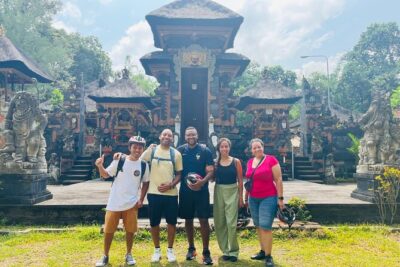
Half-Day Ubud Electric Cycling Tour to Tirta Empul Water Temple
Read our review →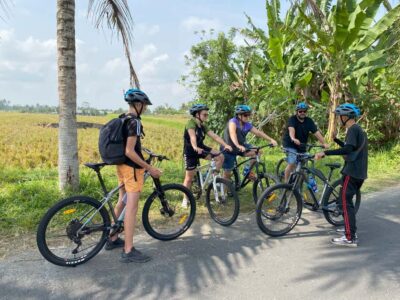
Downhill Bike Tour with Rice Fields, Volcano and Meal
Read our review →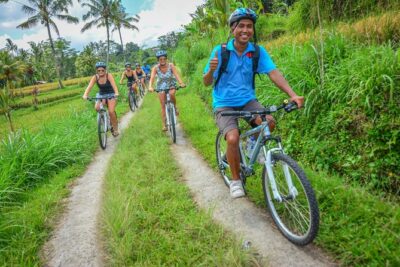
Browse the lists this tour appears in