
REVIEW · KYOTO
5 Top Highlights of Kyoto Full Day Bike Tour (E-bike option)
Kyoto’s famous sights are spread across the city, and this tour links them by bicycle in one long, energetic day. You can cover up to 44 kilometers, moving from Arashiyama’s bamboo paths to Fushimi Inari, Gion, Kiyomizu-dera, and the Golden Pavilion without spending the day waiting for buses.
I like the small group, capped at eight, and the way the guides add quiet lanes, river paths, gardens, and everyday Kyoto along with the big-name sights. I also like the choice of a regular bike or e-bike. The catch is simple: this is a serious full-day ride, with plenty of walking at the temples, so even the e-bike does not turn it into a lazy outing.
If you want to see Kyoto’s greatest hits in one day and enjoy being active, this is an unusually efficient choice. If you prefer slow temple visits, long meals, or air-conditioned transport, the pace may feel demanding.
Key points to know before you book
- Up to 44 kilometers of riding: You cover a wide section of Kyoto in roughly seven to eight hours.
- Five major sights in one day: The route includes Arashiyama, Fushimi Inari, Gion, Kiyomizu-dera, and Kinkakuji.
- E-bike upgrade available: The e-bike costs extra and must be requested and confirmed.
- Small groups matter: With no more than eight people, the guide can watch the group, adjust the pace, and answer questions.
- Cycling and sightseeing share the workload: You will ride, walk temple grounds, climb around shrine paths, and spend much of the day outdoors.
- Guides add more than directions: Rob, Cass, Peter, and Ray are among the guides associated with the tour, bringing local stories, cultural context, safety advice, and photography help.
Why cycling works so well in Kyoto
Kyoto’s main sights do not sit in one tidy cluster. Arashiyama is on the western edge, Fushimi Inari is south of the center, and Kinkakuji lies to the northwest. By public transport, you can spend a surprising amount of time changing lines, waiting at stops, and walking between stations.
A bicycle gives you a better sense of how these areas connect. You pass homes, waterways, quiet streets, and stretches of ordinary city life that disappear when you move from one major attraction to another by taxi. The route also includes paved bike paths along the river and calmer roads outside the busiest parts of the city.
That does not mean the ride is effortless. The full route can reach 27 miles, and the tour combines cycling with long periods on foot. Still, the bike handles the long transfers while the stops give you regular breaks from the saddle.
I especially like this format for a first visit when you have only a day or two in Kyoto. You get a strong overview, then you can return later to the places that deserve more time.
More City Bike Tours in Japan
- E-Bike Tours of the highlights of Kyoto!!!
★ 5.0 · 291 reviews - 4.5-hr Kyoto Historical Highlights Bike Tour with UNESCO
★ 4.7 · 13 reviews - Tokyo Top Highlights 3h Guided E-bike Tour
★ 5.0 · 714 reviews
Starting at Saga-Arashiyama at 8:30 a.m.
The tour starts at Saga-Arashiyama Station at 8:30 a.m. and ends back at the same meeting point. That location is practical for the first stop, the Bamboo Forest, but you need to plan your morning carefully because hotel pickup is not included.
The early start helps. Kyoto’s most famous places become crowded as the day goes on, and beginning in Arashiyama gives you a chance to see the bamboo before the busiest hours. Your guide supplies the bicycle, helmet, bottled water, snacks, lunch, and admission fees.
The bikes are described as good quality, and some groups use Specialized e-bikes. You can choose a standard bicycle, but the e-bike requires an additional fee and confirmation. If you are unsure about your fitness, request the e-bike when booking rather than assuming one will be waiting.
Start with a solid breakfast. The ride keeps moving, and lunch is described as light. Sunscreen and sun protection also make sense because you spend much of the day outside, often under strong Kyoto sun.
Arashiyama Bamboo Forest: a short first stop
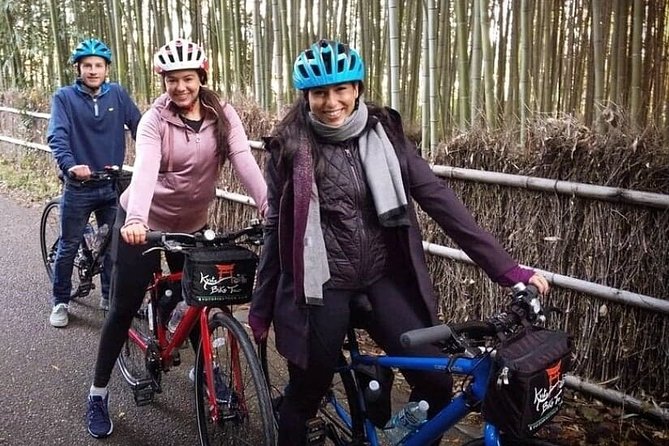
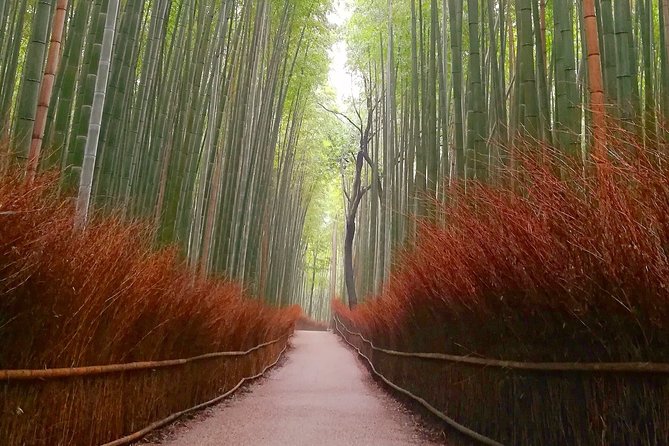
The Bamboo Forest is scheduled for about 20 minutes. That is enough to walk into the bamboo, take photographs, and hear the famous rustle of the stalks, but not enough for a long wander through every nearby lane.
This stop works as an opening scene. Tall bamboo changes the feeling of the city at once, and the sound is part of the appeal. Your guide can help you make the most of the short visit, especially when the paths are busy.
The limit is time. Arashiyama has more than its bamboo grove, including temple grounds and attractive streets, but this tour treats the area as one piece of a much larger day. If Arashiyama is your main reason for visiting Kyoto, plan a separate return visit.
From here, the tour begins the longer ride across the city. This is where the value of the bicycle becomes clearer. Rather than treating the next attraction as an isolated stop, you see pieces of Kyoto between the headline sights.
Fushimi Inari and its red torii tunnel
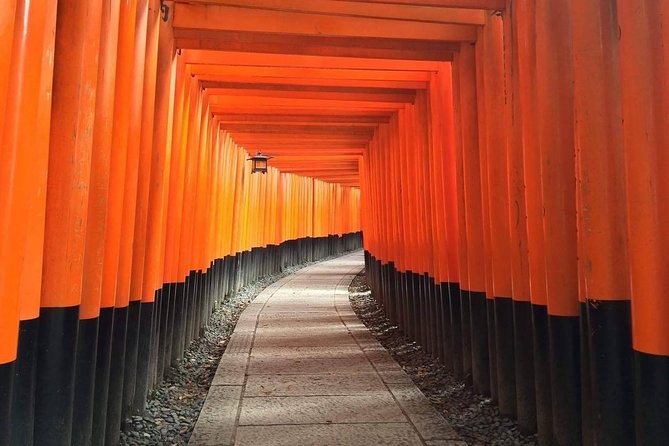
The next major stop is Fushimi Inari-taisha, with about 30 minutes to walk through the famous red torii gates. This is one of Kyoto’s most recognizable scenes, and the route gives you time to enter the tunnel and take photographs.
Thirty minutes is not enough to climb deep into the mountain trails. That is not a flaw so much as a clear sign of the tour’s purpose. You are sampling five major places in one day, not exploring each one from top to bottom.
Fushimi Inari can be crowded near the lower gates. A small group and a guide help keep the visit organized, but you should expect to share the space. Wear shoes you can walk in comfortably, since the tour involves more than simply pausing for a photograph.
The contrast with Arashiyama is useful. The bamboo grove offers a quiet natural setting, while Fushimi Inari brings color, movement, and a strong visual link to Kyoto’s Shinto tradition.
More E-Bike Tours in Japan
- Hidden Kyoto E-Biking tour
★ 5.0 · 1,843 reviews - Kyoto: Memory Kyoto E-Bike Tour
★ 4.8 · 297 reviews - Arashiyama Bamboo Forest E-Biking Tour
★ 5.0 · 183 reviews - Historical Kyoto E-Bike Tour
★ 5.0 · 181 reviews
Gion, where Kyoto’s old streets meet modern life
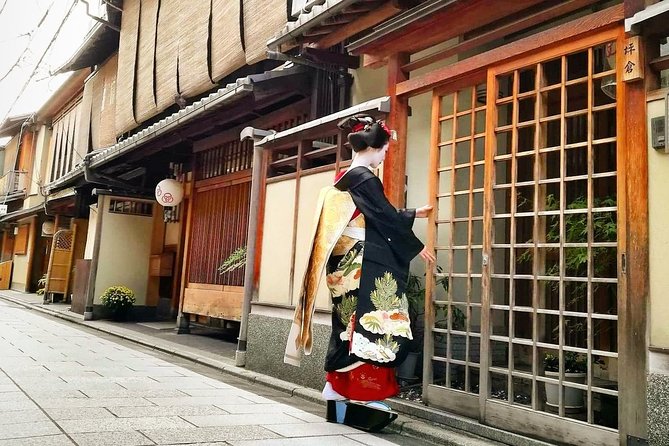
The stop in Gion lasts about 20 minutes. This is a compact introduction to Kyoto’s historic entertainment district, associated with geisha and maiko, traditional architecture, and narrow streets.
A guide adds real value here because the area is easy to misunderstand. Gion is not a theatrical show set up for visitors. It is a living district, and respectful behavior matters. Follow your guide’s advice about where to walk and when to take photographs.
Twenty minutes gives you an orientation, not a full cultural visit. You might see traditional lanes and get a sense of the district’s character, but you will not have time for a slow evening stroll or a performance. If Gion interests you, return after the tour when you can move at a quieter pace.
The bike also keeps this stop from becoming a long transfer break. You arrive, explore, and continue toward Kiyomizu-dera, with the guide filling in details about Kyoto’s past and present along the way.
Kiyomizu-dera: the longest temple visit
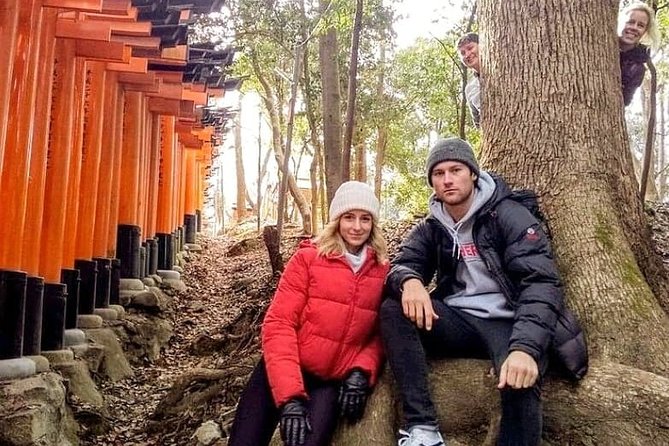
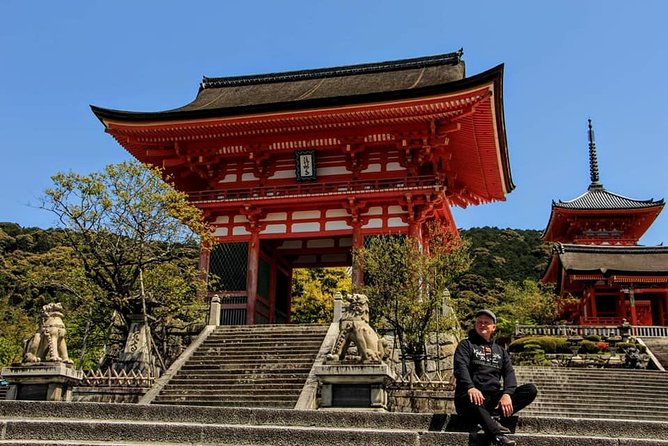
Kiyomizu-dera receives about an hour, making it the most generous stop on the route. That time matters. The temple grounds include several points of interest, and the approach involves walking, slopes, and crowds.
The temple is famous for its wooden stage and city views, but the visit is not only about one photograph. You can take in the old buildings, examine the surrounding details, and listen to your guide explain the religious and cultural setting.
This is also where the physical side of the tour becomes obvious. You have already cycled across much of Kyoto, and Kiyomizu-dera adds a substantial walking stop. Comfortable shoes are essential.
The guide’s role is especially useful here. Guides such as Rob, Cass, Peter, and Ray are praised for explaining Japanese culture and philosophy rather than simply naming buildings. They also tend to watch the group closely, help with photographs, and offer practical advice when heat or crowds become tiring.
Do not expect an empty temple. Kiyomizu-dera is one of Kyoto’s major attractions, so the hour is about making a good visit within a busy setting. If you want long quiet pauses, you may find the schedule brisk.
Kinkakuji and the Golden Pavilion
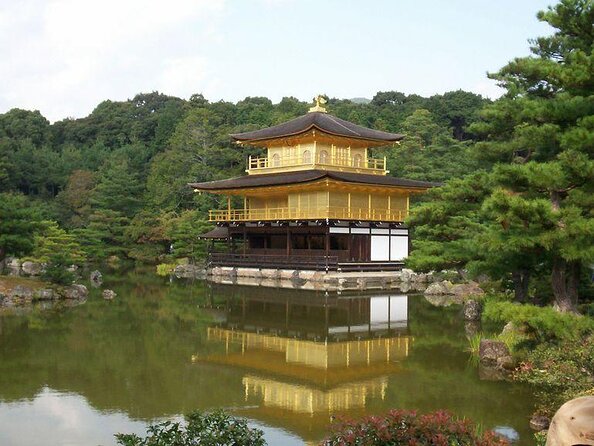
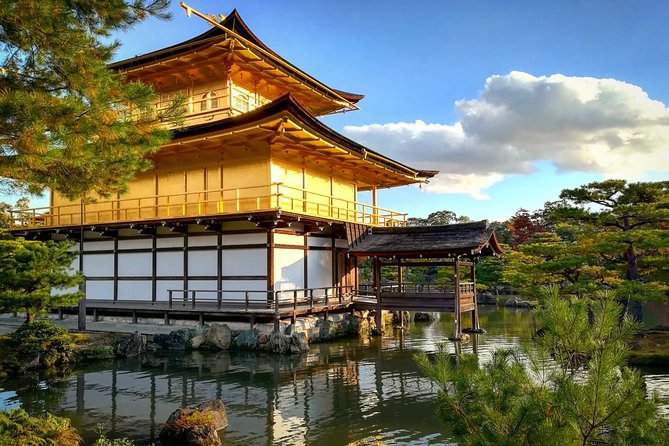
The final featured sight is Kinkakuji, the Golden Pavilion, with about 30 minutes for the visit. The pavilion’s gold exterior and its reflection across the pond make this one of Kyoto’s easiest sights to recognize.
The stop is visually powerful but controlled. The usual experience centers on the pond, the pavilion, and the walking route through the temple grounds. Thirty minutes allows time for photographs and a look around, but not a leisurely exploration of every corner.
By this stage, the compact visit can be a benefit. You have already spent the day riding, walking, and taking in four major sites. Kinkakuji provides a strong final image without asking you to undertake another long temple circuit.
The tour then returns to Saga-Arashiyama Station. Since the end point is the same as the start, you should allow for the return journey to your hotel or next destination after the official finish.
What the guides add to a long day
The guide can make or break a cycling tour, especially one covering this much ground. You need someone who can lead safely, explain the city clearly, and notice when the group needs water or a slower pace.
Rob is noted for clear signals around cars and pedestrians, careful route management, and insight shaped by many years living in Japan. He also has a reputation for helping with photographs and for finding less crowded places.
Cass is associated with friendly, attentive guiding and strong photography help. Peter is praised for conversation, patience, and explanations of culture and history. Ray brings extensive experience living in Japan and is described as good at keeping a group moving through crowded sights.
The guide assigned to your departure may vary, so you should not book on the assumption that one particular person will lead your group. The consistent feature is the small-group format, with a maximum of eight people. That gives the guide a better chance to keep everyone together and respond to different cycling abilities.
Safety matters more than speed. One particularly useful feature of a good city cycling guide is the use of clear signals that help riders, pedestrians, and drivers understand what the group is doing. If city riding makes you nervous, tell the guide at the start.
Standard bike or e-bike?
The e-bike option is worth serious thought. The route includes long distances, and the group still has temple walks and stops even after the cycling ends. An e-bike reduces the effort on inclines and helps you keep a steady pace without exhausting your legs early.
It is not automatically necessary. Strong cyclists may be comfortable on the regular bikes, and some people find the standard option manageable even on hot days. The right choice depends on your normal riding habits, age, heat tolerance, and comfort with a full day outdoors.
An active family can split the choice, with some people using regular bikes and others taking e-bikes. That can work well, but confirm the upgrade in advance. The e-bike is not included in the listed price, and availability requires confirmation.
The tour requires moderate physical fitness and has a minimum age of 16. That does not mean you need to be a competitive cyclist. It does mean you should be comfortable riding for several hours, walking around large temple grounds, and staying engaged through a seven to eight hour day.
Is the $172.44 price fair?
At $172.44 per person, this is not a budget sightseeing option. The price includes the bicycle, helmet, bottled water, admission fees, a light lunch, snacks, and an English-speaking bilingual guide.
The value comes from the amount of ground covered and the time saved between sights. You are paying for a route that connects places scattered across Kyoto, plus a guide who manages the roads, admissions, timing, cultural explanations, and group safety.
The price makes the most sense if you have limited time and would otherwise pay for several separate train, bus, or taxi journeys. It also works well if you value local explanations and want to see more than the standard route between stations.
It is less compelling if you are staying in Kyoto for a week and prefer to explore one neighborhood per day. In that case, you can visit most of these attractions independently and spend less. The tour earns its price by packing a lot into one day, not by offering a slow or luxurious pace.
Weather, meals, and practical limits
The experience requires good weather. If poor weather cancels it, you are offered another date or a full refund. You can also cancel for a full refund up to 24 hours before the start time. Changes or cancellations inside that window are not accepted.
Tell the operator about food allergies or dietary restrictions when booking. Lunch is light, so I would still eat breakfast before meeting the group. Snacks and water are included, but you should not expect a long restaurant meal during the route.
Rain can change the feel of the day quickly. Guides have sheltered groups during heavy downpours and waited until it was safe to ride again, but weather remains an important factor when choosing your date.
Wear comfortable clothing, bring sun protection, and use shoes suited to both cycling and temple walking. The tour includes admission fees, but hotel pickup and drop-off are not included.
Who should book this Kyoto bike tour?
I would choose this tour if you have only one full day in Kyoto, enjoy active sightseeing, and want a broad first look at the city. It is also a good match for couples, active families with members aged 16 or older, and solo visitors who prefer a small guided group.
The e-bike makes the tour more approachable for people who cycle occasionally rather than often. Still, do not mistake the motor assistance for a free pass. You will be outdoors for most of the day, and the temples require walking.
I would skip it if you dislike riding in city traffic, need a slow schedule, or want extended time at each temple. Five major attractions in one day is impressive, but it involves tradeoffs. You see a lot, and you leave some places wanting more.
Should you book it?
Book this tour if your Kyoto schedule is tight and you want the city’s main sights connected by a human-powered route. The combination of Arashiyama, Fushimi Inari, Gion, Kiyomizu-dera, and Kinkakuji is hard to match in one independent day without careful planning and several transport changes.
Choose the e-bike if hills, heat, or a 44 kilometer day give you pause. Choose the standard bike if you ride regularly and enjoy a proper workout. Either way, arrive rested, eat breakfast, wear sunscreen, and accept that the tour’s strength is its pace.
For an active introduction to Kyoto, I would book it. For a quiet temple day, I would not.
FAQ
Where does the Kyoto bike tour start and finish?
The tour starts at Saga-Arashiyama Station, at 11-1 Sagatenryuji Kurumamichicho in Kyoto’s Ukyo Ward. It ends back at the same meeting point.
What time does the tour begin?
The scheduled start time is 8:30 a.m.
Which attractions are included?
The route includes the Bamboo Forest in Arashiyama, Fushimi Inari-taisha Shrine, Gion, Kiyomizu-dera Temple, and Kinkakuji Temple.
Is an e-bike included in the price?
No. A standard bicycle is included, but an e-bike costs extra and requires confirmation.
How fit do I need to be?
You should have a moderate level of physical fitness. The day can include up to 44 kilometers of cycling along with walking at the attractions. The minimum age is 16.
What happens if the weather is poor?
The tour requires good weather. If it is canceled because of poor weather, you will be offered a different date or a full refund.
More City Highlights Bike Tours in Kyoto
- Lion City Bike Tour of Singapore
★ 5.0 · 6,211 reviews - Porto: City Highlights 3-Hour Guided Electric Bike Tour
★ 4.8 · 3,092 reviews - Highlights & Hidden Spots of Barcelona Bike Tour w/ Local Guide
★ 4.5 · 3,009 reviews - Berlin: Sights and Highlights Bike Tour with a Local Guide
★ 4.8 · 2,698 reviews
More E-Bike Tours in Kyoto
- Kyoto: Fushimi Inari Shrine and Tofukuji Temple E-Bike Tour
★ 5.0 · 75 reviews - 3-Hour Porto Highlights on a Electric Bike Guided Tour
★ 5.0 · 4,392 reviews - Lisbon: Hills, Alfama, and Mouraria Tour by Electric Bike
★ 4.8 · 3,438 reviews - Athens Scenic Electric Bike Tour with optional Acropolis visit
★ 5.0 · 3,350 reviews
Just added around Kyoto
- Kyoto: Afternoon Bamboo Forest and Monkey Park Bike Tour★ 4.9 · 83 reviews
- 4.5-hr Kyoto Historical Highlights Bike Tour with UNESCO★ 4.7 · 13 reviews
- Kyoto: Arashiyama Bamboo Forest Morning Tour by Bike★ 5.0 · 115 reviews
- Arashiyama Bamboo Forest E-Biking Tour★ 5.0 · 183 reviews
- Kyoto: Fushimi Inari Shrine and Tofukuji Temple E-Bike Tour★ 5.0 · 75 reviews
- Historical Kyoto E-Bike Tour★ 5.0 · 181 reviews
- 4.5-Hour Kyoto Bike Tour with Lunch and UNESCO Zen Temples★ 5.0 · 122 reviews
- Afternoon Kyoto Bike Tour: Bamboo Forest, Monkeys & Hidden Spots★ 5.0 · 283 reviews
Kyoto Bike Tours, compared.
Arashiyama Bamboo Forest & Hidden Gems Bike Tour (Early Bird)
Read our review →
Full Day Biking Tour Exploring the Best of Kyoto
Read our review →
Afternoon Kyoto Bike Tour: Bamboo Forest, Monkeys & Hidden Spots
Read our review →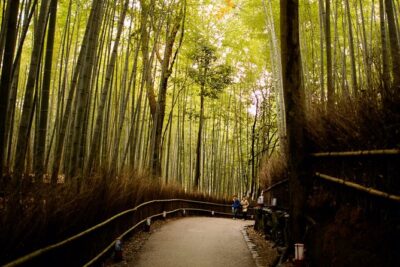
Browse the lists this tour appears in