
REVIEW · KYOTO
Best of Kyoto: Ginkakuji & Path of Philosophy E-Bike Tour
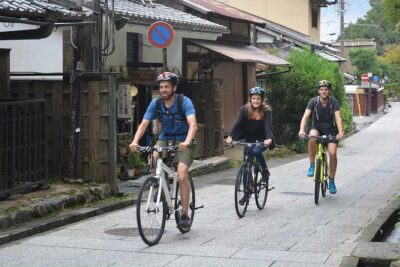
Kyoto makes most sense when you slow down enough to notice the small things, and this e-bike tour gives you a good way to do that. You pedal through quiet lanes, temple grounds, and tree-lined routes rather than spending the morning behind a bus window. Ginkakuji, the Philosopher’s Path, Nanzenji, and Heian Shrine provide the big sights, while the streets between them show you a more ordinary side of the city.
I like the gentle pace and the way the electric bikes make Kyoto’s mild hills manageable. I also like the guides’ cultural focus. Philippe, Kevin, Phillip, Niall, and Salomé have each led tours, and the strongest part of the experience is the human explanation of Shinto, Zen, Japanese customs, and local life.
The main thing to consider is cycling confidence. You need to be comfortable riding in a city, and the tour may end if the guide has safety concerns. The East Side route is listed at 210 minutes, while some descriptions refer to it as a four-hour course, so allow a little flexibility rather than planning a tight connection afterward.
Key points to know before you book
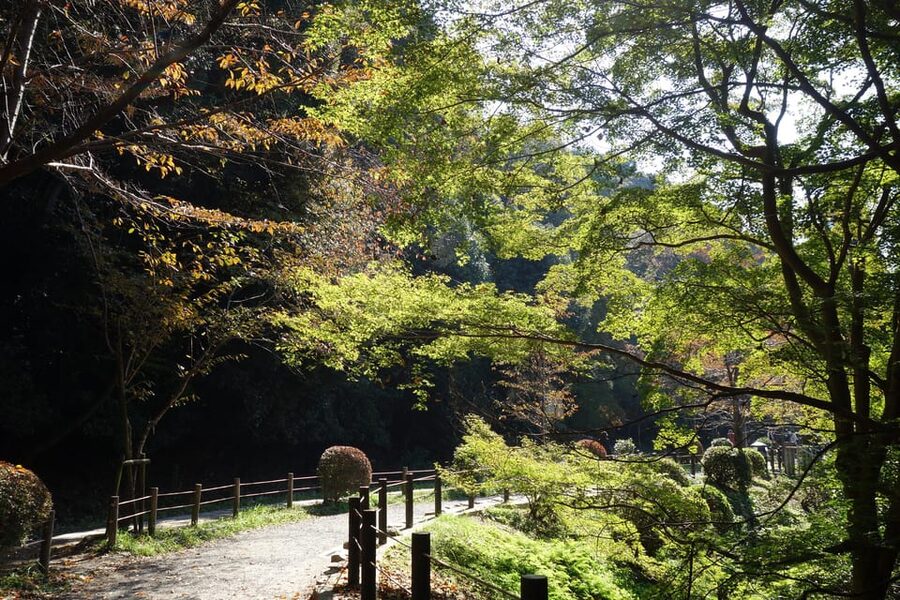
- Ginkakuji and its Zen gardens provide the tour’s main visual highlight, with time to walk around rather than simply photograph the entrance.
- The Philosopher’s Path is explored by bike, giving you a pleasant link between major sights and quieter Kyoto streets.
- Electric assistance helps with the gentle hills around eastern Kyoto and keeps the ride suitable for a relaxed sightseeing day.
- Guides such as Philippe and Kevin focus on culture and history without filling every minute with talk.
- The East Side course lasts about 210 minutes, while longer group routes can include Arashiyama Bamboo Forest, Kinkakuji, and Ryoanji.
- Rain can change the plan, with options to reschedule, switch to a walking tour, or ride in a poncho during light rain.
Why a bicycle works so well in Kyoto
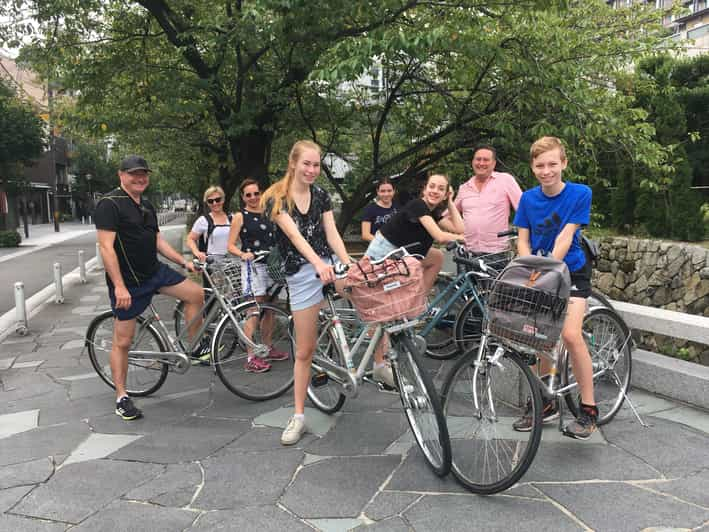
Kyoto’s famous sights are spread across several districts. Walking between them can eat up much of your day, while buses often leave you waiting in crowded streets. A bicycle gives you more range without turning the outing into a full-day endurance test.
The electric motor matters most around eastern Kyoto, where the route includes gentle rises. You still pedal, but the bike gives you a useful push when the road tilts upward. One rider estimated the route at about nine miles and found it easy rather than tiring, even on a warm day. That is a helpful guide for your expectations: you cover a substantial part of the city, but this is sightseeing with a bike, not a fitness challenge.
I also like the way cycling connects the sights. The temples are not isolated stops on a checklist. You pass through back streets and ordinary neighborhoods, with time to notice how Kyoto feels between its postcard locations. One guide even helped a group with a short hike, while another adapted the route to suit the group’s wishes. That flexibility is useful on a private or small-group booking.
You will still be riding in a city. The provider asks everyone in the party to be a confident cyclist, and the guide can stop the tour if safety becomes a concern. Helmets are included. If someone in your group is uneasy on a bicycle, this is not the place to persuade them at the last minute.
More E-Bike Tours in Japan
- Hidden Kyoto E-Biking tour
★ 5.0 · 1,843 reviews - 5 Top Highlights of Kyoto Full Day Bike Tour (E-bike option)
★ 5.0 · 511 reviews - Kyoto: Memory Kyoto E-Bike Tour
★ 4.8 · 297 reviews
Ginkakuji: quiet beauty rather than silver
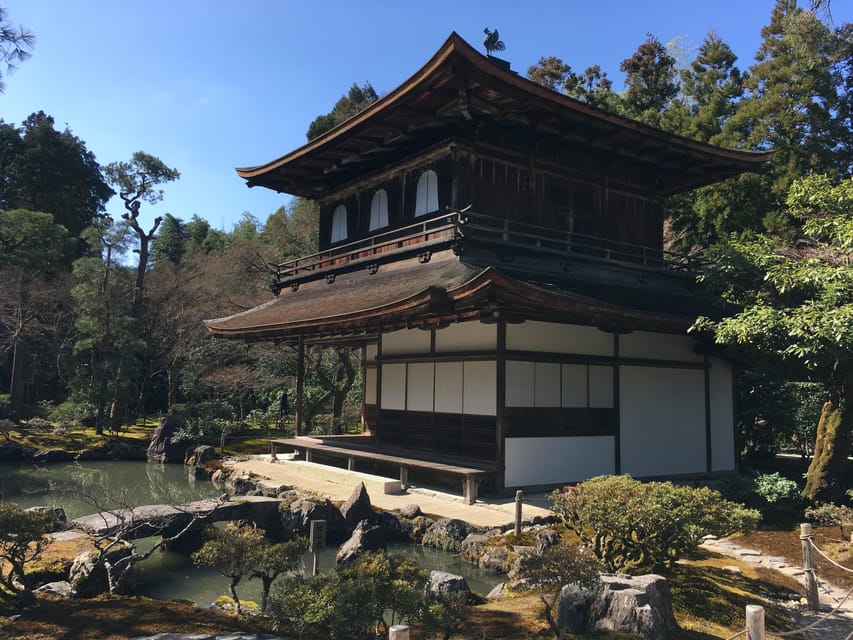
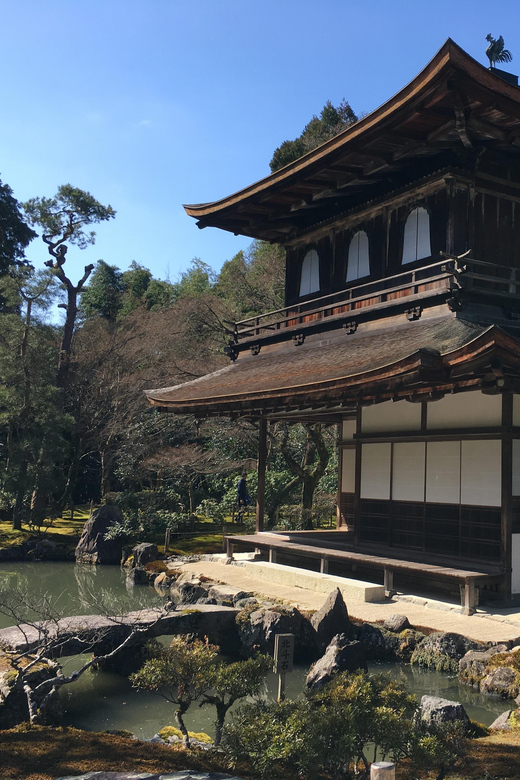
Ginkakuji is often called the Silver Pavilion, though its name can create the wrong picture. The building is not covered in shining silver. Its appeal comes from restrained design, weathered wood, carefully shaped gardens, and the calm feeling of the grounds.
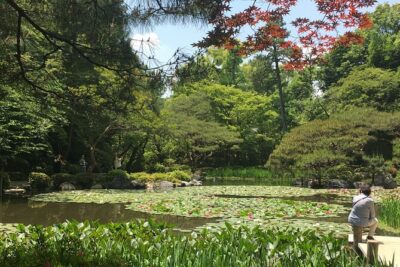
The tour includes about 45 minutes here, combining an electric-bike ride with a guided visit. That gives you enough time to see the garden properly. Look for the carefully raked sand formations and the contrast between open gravel, clipped greenery, mossy areas, and wooded slopes. The smells of plants and damp earth are part of the experience, especially if the weather is cool or lightly wet.
This is where the guide’s explanation adds real value. You can admire a Zen garden on your own, but it is harder to understand why empty space, asymmetry, and controlled simplicity matter in Japanese design. Philippe has been praised for explaining Japanese culture and daily life in a calm, accessible way, while Kevin is known for connecting Japanese beliefs with differences between Japan and English-speaking countries.
The timing is sensible, though photographers may want more freedom. A group visit has to keep moving, and you will not have unlimited time in every corner of the garden. If Ginkakuji is your top priority, a private tour gives you the best chance of asking questions and lingering where you like.
The Philosopher’s Path by electric bike
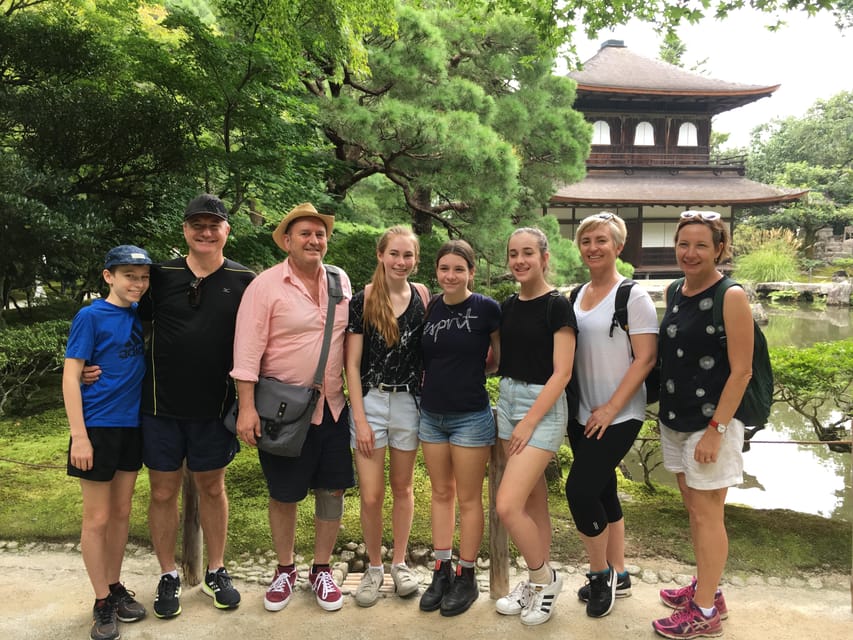
The Philosopher’s Path follows a canal beneath trees and links some of eastern Kyoto’s best-known temples and gardens. It is especially attractive during cherry blossom season, when the route becomes one of the city’s classic spring walks. The tour allows about 30 minutes here.
That is enough for a taste, not a long, meditative stroll. One rider specifically wished for more time in the area, and I think that is fair. The path invites you to pause, take photographs, and browse the small lanes nearby. A bike helps you reach more of the district, but the schedule means you will not stop at every interesting doorway or garden.
The route also shows why an e-bike is practical. You can enjoy the canal and trees without spending all your energy getting there. The guide may point out details about local beliefs, temple traditions, or the neighborhood’s layout, then let the scenery do some of the work.
If you want a slow morning spent almost entirely on the Philosopher’s Path, book a walking outing instead. If you want to combine it with several major sights, the bike tour makes better use of your time.
Nanzenji and the meaning behind the temples
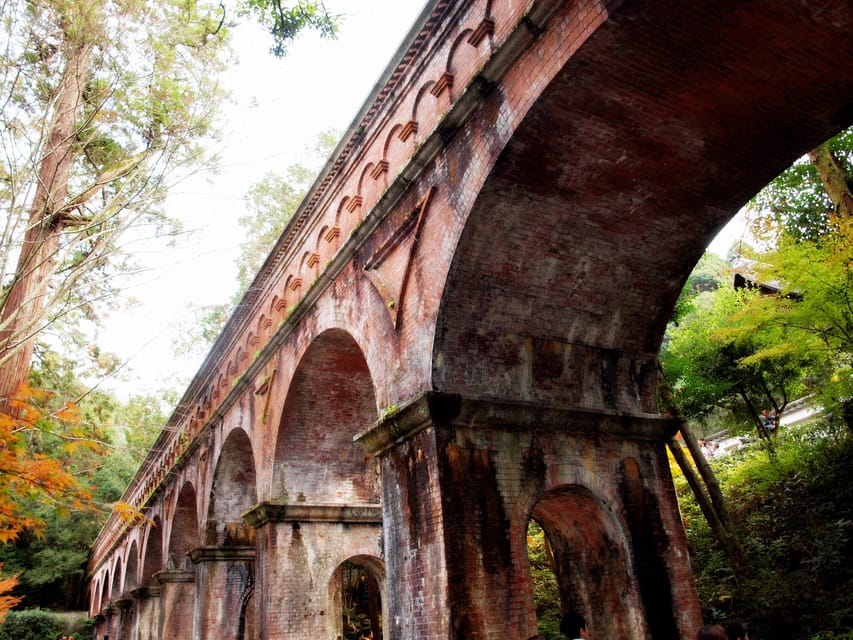
Nanzenji receives about 30 minutes on the East Side itinerary. This is a useful stop because it gives you another view of Zen temple culture after Ginkakuji. Rather than seeing one famous garden and assuming all temple spaces are alike, you get a sense of how different compounds can feel.
The stop is listed as a visit rather than a full guided tour, so the amount of explanation may depend on the guide and the group. That is not necessarily a weakness. The most effective guides on this experience do not talk nonstop. They share the points that help you understand what you are looking at, then give you room to observe.
The route also includes an ancient shrine, and Heian Shrine provides the clearest Shinto contrast to the Zen temples. That mix matters. Kyoto is not simply a city of Buddhist temples. Shinto shrines, Buddhist compounds, gardens, rituals, and everyday customs all sit close together, and a good guide can explain how these traditions appear in daily Japanese life.
More E-Bike Tours in Kyoto:
- E-Bike Tours of the highlights of Kyoto!!!
★ 5.0 · 291 reviews - Kyoto: City Secrets eBike Tour
★ 4.9 · 196 reviews - Pedal Adventure Kyoto’s iconic landmarks on an e-bike tour
★ 5.0 · 189 reviews - Kyoto: Hidden Gems E-Bike Tour with Local Japanese Guide
★ 4.9 · 189 reviews
Heian Shrine and a wider Kyoto view
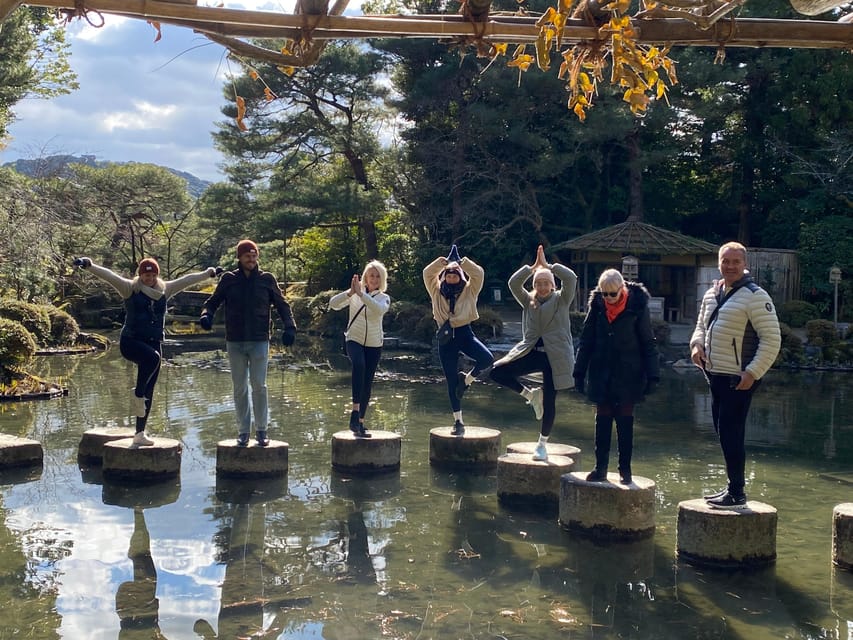
Heian Shrine is scheduled for about 45 minutes with a guided explanation. Its broad approach and shrine architecture create a different mood from the enclosed Zen gardens. The open spaces make the stop feel grander, while the tour’s earlier visits give you a quieter, more inward-looking side of Kyoto.
This is one of the places where guide quality matters most. You can take in the colors and scale quickly, but context helps you understand what makes a Shinto shrine different from a Buddhist temple. Guides Philippe, Phillip, Kevin, and Niall have been singled out for clear explanations of Japanese history, religion, and culture. Their strength appears to be judgment: they explain what matters, then leave space for the experience.
The full East Side sequence adds up to roughly three and a half hours of riding, sightseeing, and guided stops. The published timing also uses the four-hour description, so do not treat the final minute as fixed. Your pace, group size, photographs, and questions can all affect the finish.
East Side or Wild West?
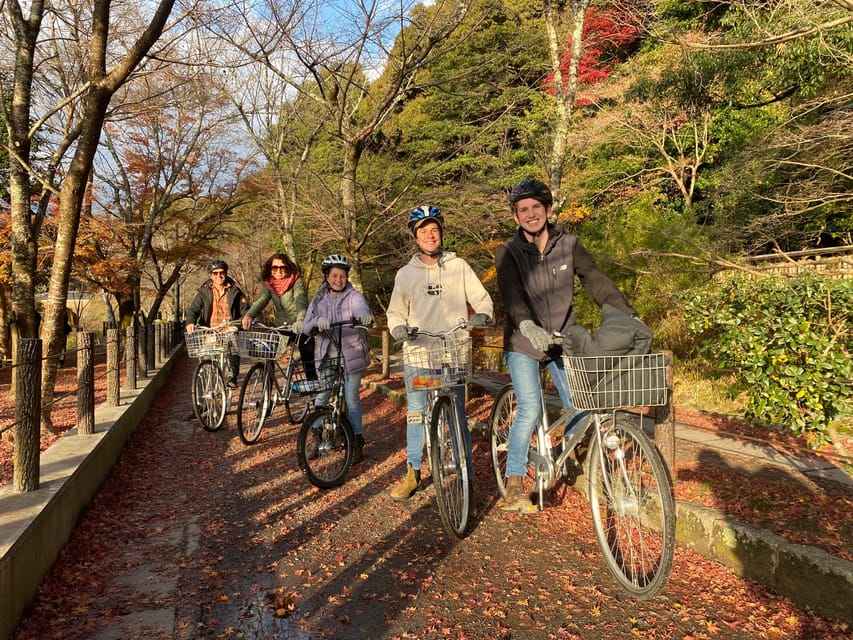
The East Side course is the clear choice if you want a shorter introduction to Kyoto. It focuses on Ginkakuji, the Philosopher’s Path, Nanzenji, Heian Shrine, and nearby streets. You get Zen gardens, a canal-side route, Shinto architecture, and plenty of cultural explanation without committing most of your day.
The longer Wild West course is aimed at first-time visitors who want Kyoto’s biggest scenic names in one outing. It can include the Arashiyama Bamboo Forest, Kinkakuji, and Ryoanji’s famous rock garden, with a stated duration of about six hours. The bamboo forest offers a very different setting from eastern Kyoto, while Kinkakuji supplies the instantly recognizable golden pavilion and Ryoanji gives you another chance to study Zen garden design.
The tradeoff is simple: the longer route covers more ground but leaves less spare time at each stop. If your priority is depth, conversation, and a relaxed ride, choose the East Side option. If your Kyoto schedule is short and you want a broad first look, the longer route may offer better value.
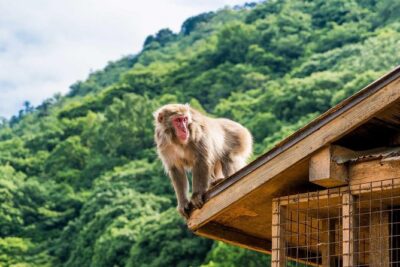
Some information describes the Arashiyama outing as a walking tour through the bamboo forest, nearby areas, and the monkey park. Check the exact option before booking, since the East Side itinerary and the Wild West route are not the same experience.
What the guide adds
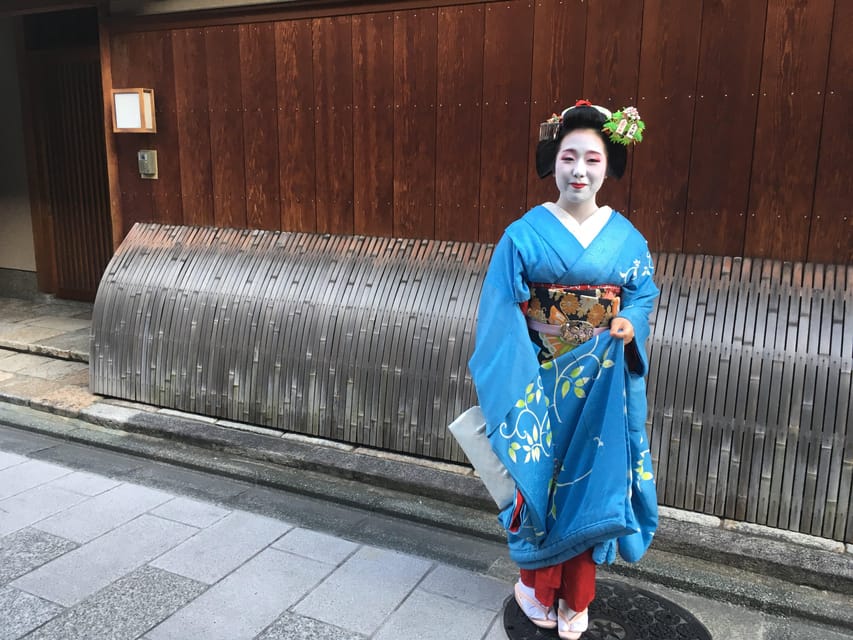
The bikes get you from place to place, but the guide is what turns the ride into more than transport. The strongest guides adjust their explanations to what you have already seen in Japan. One guide was praised for not talking constantly, instead choosing useful details about religion and local customs. That is exactly the right approach for Kyoto, where too much information can blur together.
Philippe and Phillip appear in the guide team under slightly different spellings, so your assigned guide can vary. Kevin has led many of the East Side outings, and Niall, Tim, and Salomé have also guided groups. You should not book expecting one particular person unless the provider confirms that guide in advance.
The tour can be private or arranged for a small group. That matters for pace. A private outing makes it easier to stop for questions, adjust the route, or take a short break. A small group can be more social and may cost less per person, but you will have to share the rhythm of the day.
One particularly practical touch is the guides’ willingness to adapt. A group improvised a picnic lunch, with attention paid to dietary needs, and another added a short hike. Lunch is not included, so bring money or food if you want to eat during the day. These changes are not guaranteed, but they show why a flexible guide can improve the experience.
Price, timing, and weather
At $69 per person, the East Side tour offers fair value if you want an active way to reach several major sights. The price includes the e-bike, helmet, guide, and garden entry fees. You are paying for the bicycle and the local explanation, not just admission to temples.
The value is strongest when you compare it with arranging separate transport between Ginkakuji, the Philosopher’s Path, Nanzenji, and Heian Shrine. You save planning time and gain a route through streets you might not choose on your own. The price is less compelling if you only want to visit one temple or prefer to set your own schedule.
Hotel pickup and drop-off are not included. The meeting and return point is Kyoto Bike Rentals at 222 Koyamacho for the stated option, though the exact meeting point can vary by booking. Confirm the location before you set out.
Weather deserves attention. In light rain, you may be able to reschedule, switch to a walking tour, or continue with a poncho. Heavy rain can lead to cancellation and a full refund. Kyoto’s spring blossoms and autumn colors can make a wet day memorable, but wet streets and bicycle traffic are still a safety issue.
Free cancellation is available up to 24 hours before departure, and you can reserve now and pay later. Those terms help if your Kyoto schedule is still shifting.
Who will enjoy this Kyoto bike tour?
I would recommend the East Side route to first-time Kyoto visitors who want orientation without spending the day on foot. It also suits repeat visitors who have seen the central sights and want a closer look at gardens, shrines, lanes, and the connection between them.
Families can enjoy it if every rider is confident and the group is comfortable staying together. The electric assist helps, but it does not replace basic road awareness. The tour also suits couples, solo visitors, and small groups who prefer conversation and local context to a large coach outing.
You may want another plan if you dislike cycling, need a very fixed finish time, or want long stretches of quiet contemplation at each temple. The schedule is relaxed by sightseeing standards, but it is still a guided route with several stops.
Should you book it?
Book this tour if you want to see a solid portion of eastern Kyoto in half a day, ride mostly gentle routes, and understand more about Zen, Shinto, and Japanese customs. The guides are the strongest reason to choose it, with Philippe, Kevin, Phillip, Niall, and others bringing an easygoing, flexible approach to the day.
Choose the longer Wild West option if Arashiyama, Kinkakuji, and Ryoanji matter more to you than a slower East Side visit. Whichever course you choose, confirm the duration, meeting point, and route before paying.
For a confident cyclist who values gardens, culture, and useful local stories, this is a smart way to get your bearings in Kyoto without rushing from sight to sight.
FAQ
How long is the Best of Kyoto e-bike tour?
The East Side experience is listed as 210 minutes, or about three and a half hours. It is also described as a four-hour course, so allow some flexibility. A longer Wild West route can last about six hours.
Which sights are included on the East Side route?
The East Side route includes Ginkakuji Temple, the Philosopher’s Path, Nanzenji Temple, and Heian Shrine. It also includes cycling through Kyoto’s streets and alleyways.
Does the tour include an electric bicycle and helmet?
Yes. The price includes an e-bike rental and helmet, along with the tour guide and entry fees to the gardens.
Who leads the tour?
Guides can vary by departure. Philippe, Phillip, Kevin, Niall, Tim, and Salomé have led tours. English and French are available.
What happens if it rains?
In light rain, you may be able to reschedule, change to a walking tour, or continue with a poncho. If the rain is heavy, the provider may cancel the tour with a full refund.
Is lunch included?
No. Lunch is not included in the tour price. A group may sometimes arrange a picnic during a flexible outing, but you should plan your own food and budget.
Just added around Kyoto
- ONLY YOU in the Bamboo Forest! 4 hours E-bike tour with a local★ 5.0 · 45 reviews
- Pedal Adventure Kyoto’s iconic landmarks on an e-bike tour★ 5.0 · 189 reviews
- South Kyoto in a Nutshell: Gentle Backstreet Bike Tour!★ 5.0 · 225 reviews
- The Beauty of Kyoto by Bike: Private Tour★ 5.0 · 47 reviews
- Explore Hidden Alleyway with a Local Expert (Afternoon Tour)★ 5.0 · 17 reviews
- Secret Eastern Kyoto Biking Adventure★ 5.0 · 44 reviews
- Explore Hidden Alleyway with a Local Expert (Morning tour)★ 5.0 · 61 reviews
- Kyoto Bamboo Forest & Golden Pavilion E-Bike Tour★ 5.0 · 50 reviews
Kyoto Bike Tours, compared.
Arashiyama Bamboo Forest & Hidden Gems Bike Tour (Early Bird)
Read our review →
5 Top Highlights of Kyoto Full Day Bike Tour (E-bike option)
Read our review →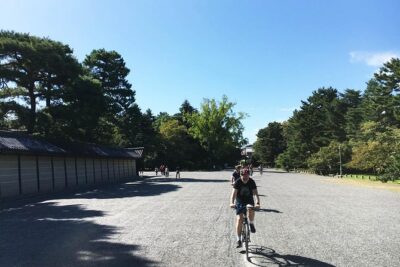
Full Day Biking Tour Exploring the Best of Kyoto
Read our review →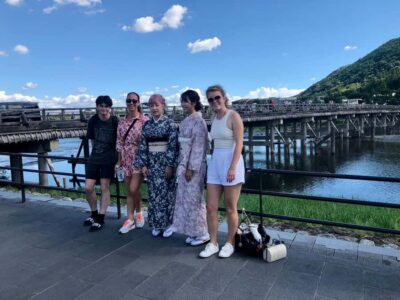
Afternoon Kyoto Bike Tour: Bamboo Forest, Monkeys & Hidden Spots
Read our review →Browse the lists this tour appears in