
REVIEW · KYOTO
Kyoto: Fushimi Inari Shrine and Tofukuji Temple E-Bike Tour
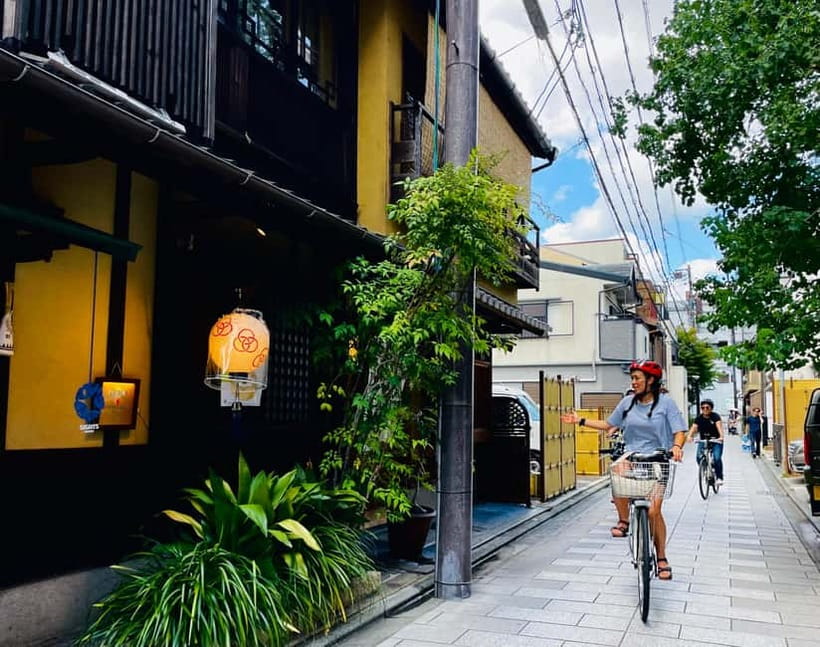
The best part of this four-hour Kyoto e-bike tour is the mix of famous sights and ordinary streets. You ride through Gion, follow quieter routes, visit Fushimi Inari Shrine and Tofukuji Temple, and see parts of Kyoto that are easy to miss from a bus or train. Guide Maki brings the route to life with stories about Shinto, Buddhism, geisha culture, customs, and daily life.
I like the small group of eight or fewer, which makes road guidance and questions much easier. I also like the comfortable pace: frequent stops, an electric boost for uphill sections, a snack, water, and a quiet pause in a Zen garden. The main consideration is that this is still a cycling tour, with some city traffic and a mix of riding and walking. You’ll want comfortable clothes, shoes, and a reasonable level of confidence on a bicycle.
Key points at a glance
- Gion and local streets: Ride beyond Kyoto’s postcard views and see residential areas, rivers, alleys, and everyday city life.
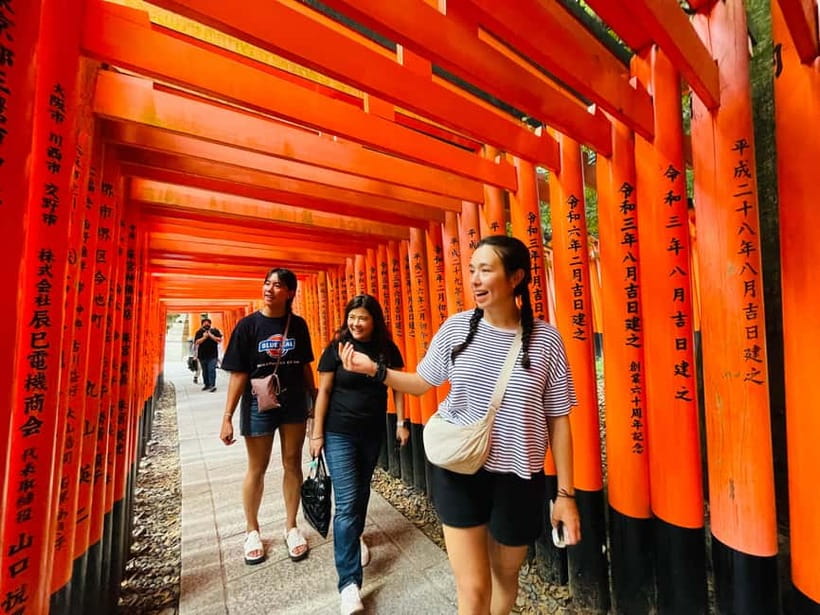
- Fushimi Inari Shrine: Learn how this famous Shinto site works instead of simply walking through its orange torii gates.
- Tofukuji’s Zen garden: Slow down at a Buddhist temple and enjoy a calmer stop near the end of the ride.
- Maki’s personal guiding: Expect clear English, humor, local stories, photos, and thoughtful help with riding in Kyoto.
- Easy electric cycling: The e-bikes help on steeper sections and make the four-hour route manageable for many adults and teenagers.
- Useful first-day orientation: You finish with a better sense of Kyoto’s customs, religious sites, neighborhoods, and layout.
Why an e-bike is a smart way to see Kyoto
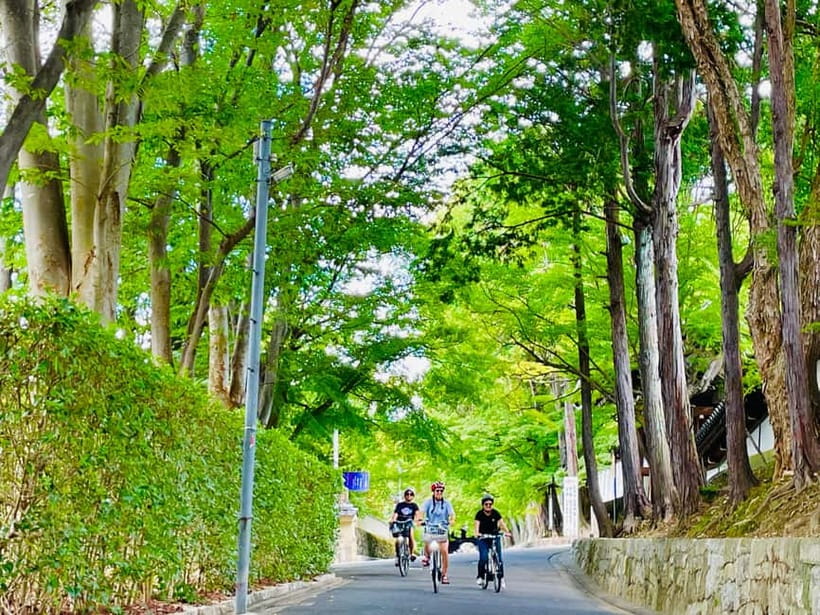
Kyoto can be awkward to cover efficiently. Buses get crowded, walking between major sights takes time, and taxis quickly add to the cost. An e-bike gives you a middle ground: you cover more ground than on foot while still moving slowly enough to notice side streets, waterways, homes, and small temples.
The electric assistance matters most on uphill sections and later in the tour, when your legs may be tired. You still pedal, but the motor takes away much of the strain. The route is described as easy to cycle, with frequent breaks, though you should not mistake easy for completely passive. You will ride on roads, pass through busy areas, and need to follow the guide’s directions.
At the start, you receive an orientation on riding in Japan. That is useful if you are unsure about road manners or have not ridden in an unfamiliar city before. Maki has been praised for keeping groups together and choosing side streets when possible, while also guiding riders safely through unavoidable busy sections.
The bikes are supplied, clean, and well maintained. Helmets, insurance, a snack, and a water bottle are included. Bring your own bottle if you prefer to drink more, especially in warm weather, and use sunscreen on sunny days.
More E-Bike Tours in Japan
- Hidden Kyoto E-Biking tour
★ 5.0 · 1,843 reviews - 5 Top Highlights of Kyoto Full Day Bike Tour (E-bike option)
★ 5.0 · 511 reviews - Kyoto: Memory Kyoto E-Bike Tour
★ 4.8 · 297 reviews
Starting near Higashiyama-Sanjyo
The tour begins at Pedal Adventure Kyoto, near Higashiyama-Sanjyo. Hotel pickup is not included, so plan your route to the meeting point before the start time. A little extra time is sensible, since you will need to check in, get fitted with a bicycle, and listen to the safety briefing.
This opening matters more than it may seem. You learn how the e-bike works before leaving, and the guide explains how to ride in the local setting. If you are nervous about cycling in Kyoto, this is the moment to ask questions and make sure the seat and controls feel right.
The group is limited to eight participants. That is large enough to meet other people but small enough for Maki to stop, explain a custom, answer questions, and keep an eye on the riders. The group size also affects the pace. If riders have different abilities, the guide may need to wait at times, and one person noted that this reduced time at Fushimi Inari. That is a fair trade for a safer group ride.
Gion, geisha culture, and Kyoto customs
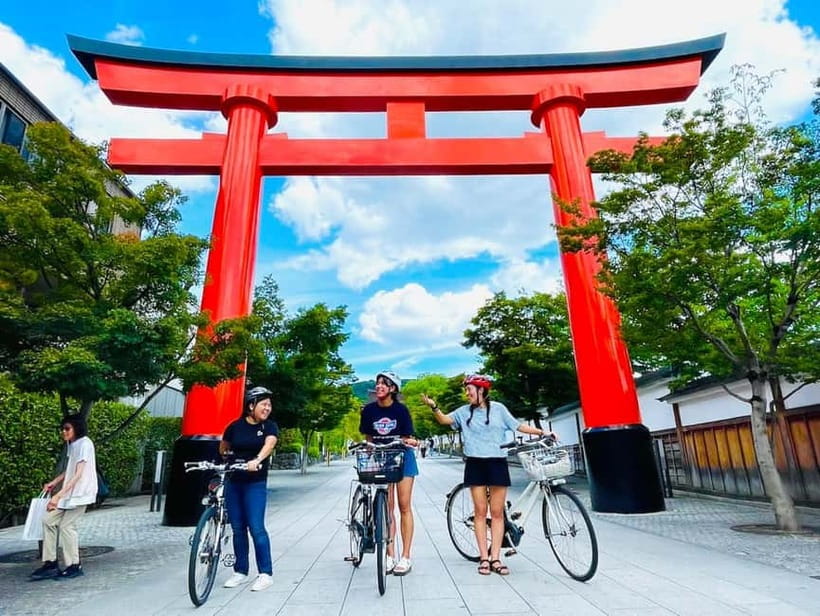
The first major stretch takes you through Gion, Kyoto’s best-known traditional district. The value here is not only the buildings or the chance of seeing a geisha. Maki explains geisha culture, local manners, and the customs that shape this part of the city.
You should think of Gion as a place to observe respectfully, not a stage set. The guide helps explain what you are seeing and how to behave around residents and working professionals. That context can make a short ride through the district more meaningful than a quick photograph.
From Gion, the route moves into less tourist-focused areas. You may ride along small streets, beside rivers and creeks, and through residential parts of Kyoto. These sections give you a look at normal city life: not a grand attraction, but exactly the sort of setting you would have trouble finding on your own during a short visit.
I especially like this part for first-time visitors. The famous sights are easier to understand when you have also seen the city where people live and work. The ride connects Kyoto’s formal cultural image with its everyday rhythm.
Fushimi Inari Shrine beyond the photo stop
Fushimi Inari Shrine is the tour’s biggest name. It is famous for its long rows of orange torii gates, but a short visit can leave you with little understanding of what the site represents. Maki explains its history, Shinto beliefs, and the meaning behind the shrine customs.
This is one of the places where a guide earns the fee. You can walk through a shrine gate on your own, but it is harder to know what to notice, how Shinto differs from Buddhism, or why particular rituals matter. Maki’s explanations include history, religion, traditions, and personal stories, making the visit more than a camera stop.
The schedule does not appear to allow a long, unhurried exploration of every part of Fushimi Inari. You are fitting the shrine into a four-hour route that also includes Gion, Tofukuji, neighborhood riding, and the return trip. If Fushimi Inari is your main reason for coming to Kyoto, you may want separate time to return on your own.
That said, the shorter visit works well if you want a broad introduction rather than a full morning at one shrine. The tour helps you understand the site, then moves on before the day becomes a single-sight itinerary.
More Historic Bike Tours in Japan
- Historical Kyoto E-Bike Tour
★ 5.0 · 181 reviews - 4.5-hr Kyoto Historical Highlights Bike Tour with UNESCO
★ 4.7 · 13 reviews - 5-Hour Osaka Bike Tour to the Neighborhood of Osaka Castle
★ 5.0 · 319 reviews - Half-day Himeji Castle Town Bike Tour with Lunch
★ 5.0 · 81 reviews
Tofukuji and a quiet Zen garden pause
Before cycling back toward the city, you stop at Tofukuji Temple. This Buddhist temple provides a useful contrast with Fushimi Inari. Instead of focusing only on Shinto practice, the tour gives you a chance to see how Buddhist spaces feel and how their customs differ.
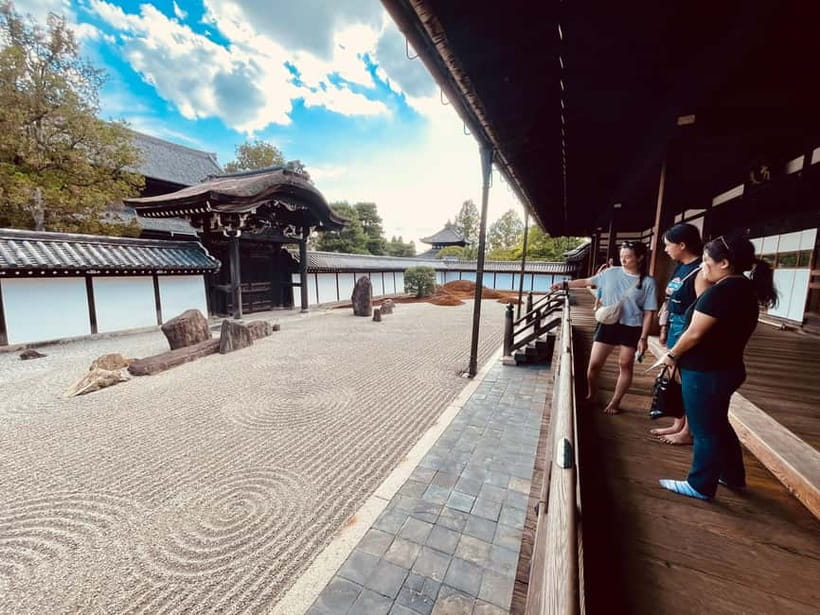
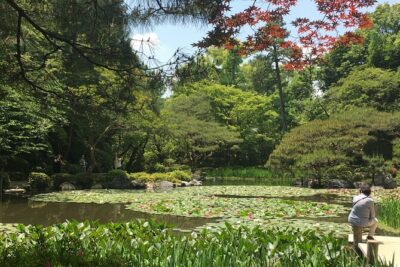
The Zen garden is the slower part of the route. Maki gives you time to sit, look, and enjoy the calm rather than filling every minute with facts. That pause is valuable after cycling and walking through busier parts of Kyoto.
The tour includes entrance fees for two places, so you do not need to budget separately for the planned visits. Tofukuji also helps balance the itinerary. Fushimi Inari is highly recognizable and often crowded, while a Zen garden offers a quieter setting for reflection.
If you are interested in Japanese religion, this paired visit is one of the tour’s strongest features. You are not just collecting temples and shrines. You are learning to notice the difference between them.
The ride back along Kyoto’s waterways
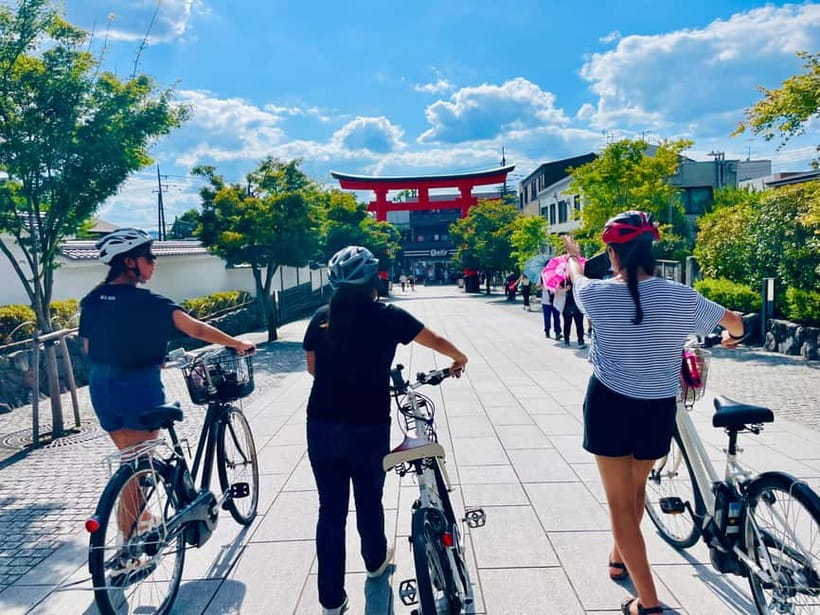
The return route includes a pleasant ride along the river, an appealing way to finish four hours on a bicycle. After the formal explanations at the shrine and temple, the ride gives you space to enjoy Kyoto at street level.
The route is designed to be scenic but practical. You do not spend the whole tour on major roads, and the quiet streets make the city feel more approachable. Still, the ride is not separated from traffic at every point. You may encounter busy sections, so listen closely when Maki explains where to stop, how to turn, and how to keep the group together.
A few riders have found the cycling safe and not physically demanding. Teenagers have also enjoyed the tour, but children under 12 are not accepted. Pregnant women and people with mobility impairments should choose another activity.
Maki’s guiding style and what it adds
Maki is the central reason this tour feels personal rather than mechanical. Her English is described as excellent, and her style combines history with humor, personal stories, and practical explanations. She uses visual material, including a binder with pictures, to help explain subjects that are difficult to grasp from a quick spoken description.
She also takes photographs for the group. That is a small but useful touch, especially for families who otherwise struggle to get everyone into one picture. Several families with teenagers found that she kept younger riders interested and welcomed their questions.
Her approach is energetic, but the tour is not just a running lecture. You get time to ask questions, pause in the temple garden, and take in the surroundings. Maki has also offered suggestions for the rest of a visitor’s time in Kyoto, which can be helpful after you have seen the city with a local guide.
The only practical concern is that explanations take place after the group stops. If riders are still gathering, you may need to move closer so you can hear every word. One useful improvement would be a small microphone and earpiece, but attentive riders should manage well in a group of eight.
Is $83 a good value?
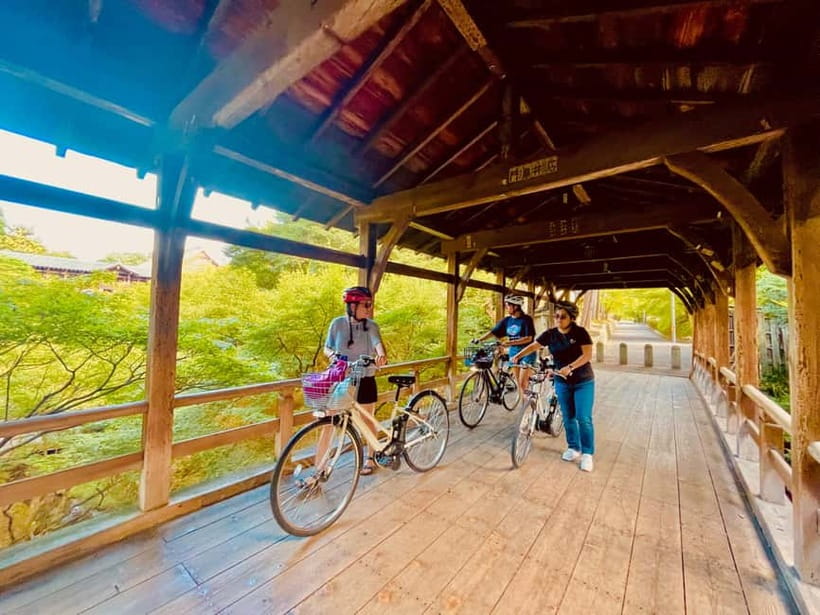
At $83 per person, this is not the cheapest way to visit Fushimi Inari. You can reach the shrine by public transport and walk around independently for much less. The comparison changes when you count the e-bike, helmet, insurance, entrance fees for two sites, snack, water, four hours of guiding, and the route planning.
I see the price as fair for visitors who want help making sense of Kyoto. You are paying for transportation between several areas, cultural interpretation, bicycle instruction, and access to quieter streets you might not find on your own. A private guide would cost more, while a large coach tour would likely feel less flexible.
The value is strongest early in your Kyoto stay. The route introduces Gion, Fushimi Inari, Tofukuji, Japanese religious customs, and the city’s street layout. Afterward, you have a better idea of where to return and what you are looking at.
It is less suitable if you want a slow, detailed visit to one temple or shrine. The four-hour schedule covers several stops, so each site receives a focused visit rather than unlimited free time.
What to bring and how to prepare
Wear comfortable clothing and shoes suitable for both cycling and walking. Sunscreen is sensible in sunny weather, and you should stay hydrated. A camera is worthwhile for the scenery, temple details, and group photographs.
Do not plan a large lunch during the tour. Lunch is not included, and the listed snack is only a light refreshment. You can arrange a meal before or after the ride.
Smoking and alcoholic drinks in the vehicle are not allowed. More importantly, come ready for a mix of city riding, short walks, explanations, and stops. The tour works best when you are curious and willing to follow the guide’s local instructions.
Free cancellation is available up to 24 hours in advance, and you can reserve now and pay later. Check the available start times when booking, since the tour lasts four hours and exact departure times vary.
Who should book this Kyoto bike tour?
I would choose this for first-time Kyoto visitors who want a practical introduction without spending seven or eight hours moving from temple to temple. It also suits families with teenagers, couples, and adults who enjoy cycling but do not want a demanding athletic route.
The tour is a good match if you care about context. Maki covers Shinto, Buddhism, geisha culture, samurai stories, customs, infrastructure, and daily life. You get more than a list of places.
I would hesitate if you dislike riding near traffic, need a fully accessible activity, or want complete control over how long you stay at each site. Fushimi Inari fans may want an additional visit, and riders with different abilities should expect a few pauses while the group regathers.
Should you book it?
Book this tour if you want to see Kyoto by bicycle, learn from a warm English-speaking local guide, and combine major sights with ordinary neighborhoods. The small group, reliable e-bikes, frequent breaks, and well-planned mix of Shinto and Buddhist sites make the experience unusually well balanced.
Skip it if cycling is uncomfortable for you or if your priority is a slow, detailed visit to Fushimi Inari alone. For most active visitors, though, this is a strong half-day choice and a useful way to get your bearings before exploring Kyoto on your own.
FAQ
How long is the Kyoto e-bike tour?
The tour lasts four hours. Check availability when booking for the available starting times.
Where does the tour begin?
The meeting point is Pedal Adventure Kyoto, near Higashiyama-Sanjyo. Hotel pickup and drop-off are not included.
Which language is the tour offered in?
The live tour guide speaks English.
How many people are in the group?
The tour is limited to eight participants, making it a small-group experience.
What is included in the price?
The price includes a live local guide, electric bicycle rental, helmet, insurance, a snack, a water bottle, and entrance fees for two places.
Does the tour include lunch?
No. Lunch is not included.
Is the tour suitable for children?
Children under 12 are not permitted. Teenagers have enjoyed the ride, but all participants should be comfortable with cycling and walking.
What should I bring?
Bring comfortable shoes, comfortable clothing suitable for cycling, sunscreen, and a water bottle. A camera is also recommended.
More Historic and Landmark Bike Tours in Kyoto
- Party Bike Private Party Up To 14 People in Old Town Scottsdale
★ 5.0 · 3,541 reviews - Guided Bike Tour of Old Town Key West
★ 5.0 · 2,611 reviews - Historical Singapore Bike Tour on Full-Sized Bicycles
★ 5.0 · 1,421 reviews - Barcelona: 2.5-Hour Bike or E-Bike Historical Tour
★ 4.5 · 1,262 reviews
More E-Bike Tours in Kyoto
- E-Bike Tours of the highlights of Kyoto!!!
★ 5.0 · 291 reviews - Arashiyama Bamboo Forest E-Biking Tour
★ 5.0 · 183 reviews - 3-Hour Porto Highlights on a Electric Bike Guided Tour
★ 5.0 · 4,392 reviews - Lisbon: Hills, Alfama, and Mouraria Tour by Electric Bike
★ 4.8 · 3,438 reviews
Just added around Kyoto
- Kyoto: Afternoon Bamboo Forest and Monkey Park Bike Tour★ 4.9 · 83 reviews
- 4.5-hr Kyoto Historical Highlights Bike Tour with UNESCO★ 4.7 · 13 reviews
- Kyoto: Arashiyama Bamboo Forest Morning Tour by Bike★ 5.0 · 115 reviews
- Arashiyama Bamboo Forest E-Biking Tour★ 5.0 · 183 reviews
- Historical Kyoto E-Bike Tour★ 5.0 · 181 reviews
- 4.5-Hour Kyoto Bike Tour with Lunch and UNESCO Zen Temples★ 5.0 · 122 reviews
- Afternoon Kyoto Bike Tour: Bamboo Forest, Monkeys & Hidden Spots★ 5.0 · 283 reviews
- E-Bike Tours of the highlights of Kyoto!!!★ 5.0 · 291 reviews
Kyoto Bike Tours, compared.
Arashiyama Bamboo Forest & Hidden Gems Bike Tour (Early Bird)
Read our review →
5 Top Highlights of Kyoto Full Day Bike Tour (E-bike option)
Read our review →
Full Day Biking Tour Exploring the Best of Kyoto
Read our review →
Afternoon Kyoto Bike Tour: Bamboo Forest, Monkeys & Hidden Spots
Read our review →Browse the lists this tour appears in