
REVIEW · INDONESIA
Sanur Village E-bike Tour: Family-Friendly Adventure
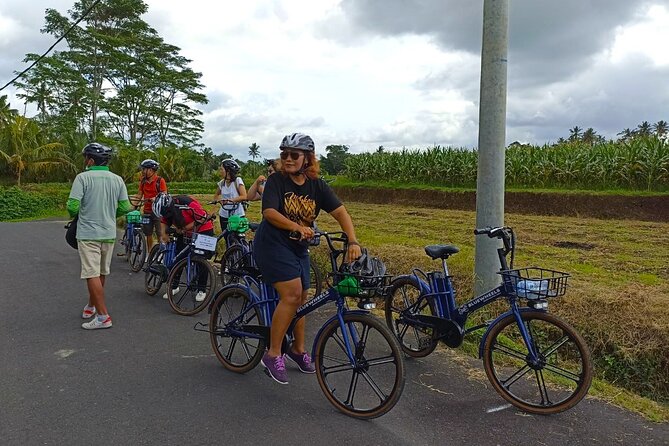
Sanur’s best moments are often away from its beachfront hotels. This 2.5-hour e-bike tour takes you through mangroves, rice and watermelon fields, a local market, a quiet temple, and a turtle conservation site, giving you a look at ordinary Balinese life in one easy morning.
I like the mix of stops, especially the market and the turtle center. I also like the way guides such as Rika, Erika, and Rickard keep a close eye on riders in traffic. The main caution is that Sanur’s roads can feel intimidating, and several bikes need better cleaning or maintenance.
Key points to know before you book
- A real local look at Sanur: Ride beyond the main streets to rice fields, a traditional market, a temple, and village roads.
- Turtle conservation included: Learn about injured turtles and hatchlings, with an optional baby turtle release costing 50,000 Indonesian rupiah.
- Easy electric assistance: The bikes do much of the work, making the route manageable for riders who have not cycled in years.
- Small groups help with safety: The group is limited to seven, and guides regularly check that everyone is comfortable.
- A useful morning schedule: The tour begins and ends in central Sanur, usually leaving you free before noon.
- Bring sun protection: A hat, sunscreen, and water are important in Bali’s heat.
Why this e-bike ride shows you more than Sanur’s beach
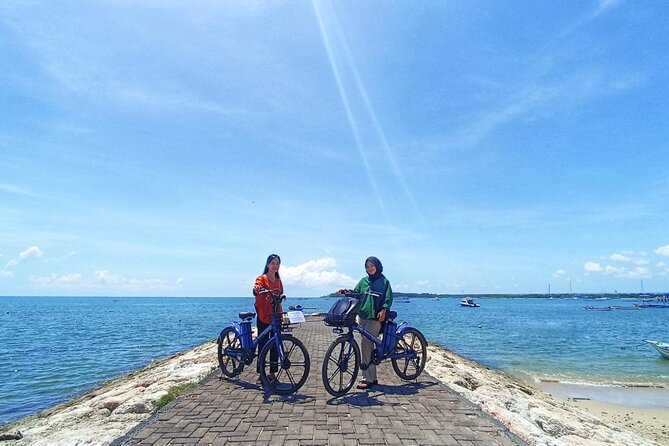
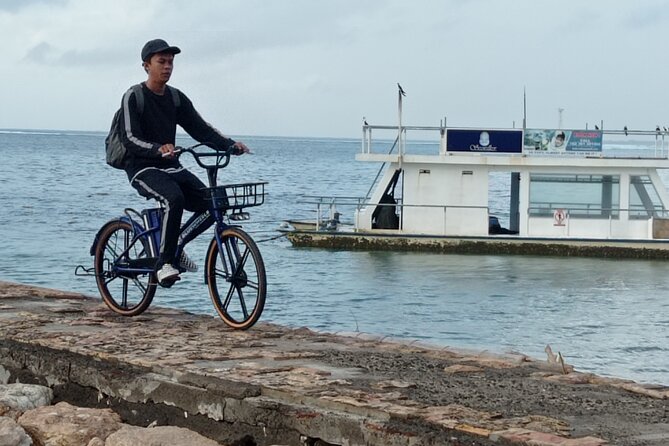
Sanur is known for its calm shore, paved promenade, and hotel-lined streets. Those are pleasant, but they show only one slice of the area. This ride takes you inland, where the pace changes and the scenery becomes less polished and more useful for understanding daily life.
You may pass fields, local homes, temple grounds, market stalls, and small roads that are easy to miss from a car. The electric bike gives you enough range to cover several parts of Sanur without turning the morning into a hard workout.
I see this as a good middle ground between a standard sightseeing bus and renting a bike on your own. You cover more ground than you would on foot, but a local guide handles the route and helps you through the trickier crossings.
The experience costs $47 per person. That is not the cheapest way to see Sanur, but the price includes the e-bike, helmet, guide, water, a fresh young coconut, entrance fees, insurance, and lunch. If you use the included visits and value the guide’s help in traffic, the package offers fair value.
More Countryside Bike Tours in Indonesia
- Menoreh Village Cycling
★ 5.0 · 611 reviews - Ubud: Rice Terraces & Villages Half-Day Fat Tire E-Bike Tour
★ 4.9 · 602 reviews - Ubud: Downhill Bike Tour with Rice Fields, Volcano and Meal
★ 5.0 · 267 reviews
Starting in central Sanur with a short safety briefing
The meeting point is the Bluewheels E-bike Tours and Rental shop, near Padang restaurant. It is visible from the street, so finding it should be straightforward if you are staying in central Sanur.
Hotel or villa pickup and drop-off are available with the appropriate booking option. This is useful if you are staying farther away, but check the selected option carefully because transport is not included in every version.
The tour starts with a safety briefing. You receive a helmet and get familiar with the bike before setting off. The electric assistance is a major part of the experience. One rider described barely needing to move their legs, while another said the bike could be used almost like a scooter.
That does not mean you can ignore basic bike control. You still need to steer, brake, balance, and pay attention to traffic. The tour is not suitable for anyone who cannot ride a bicycle, and riders must be at least 145 centimeters tall and no heavier than 120 kilograms.
Mangroves, crabs, and a quiet temple
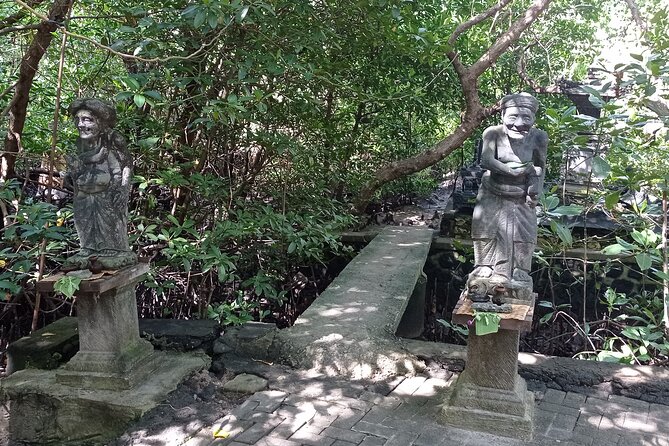
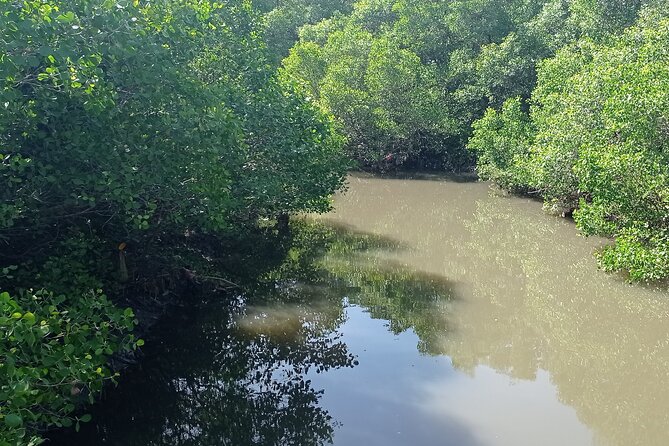
The first section takes you toward the mangroves. This is a welcome change from Sanur’s built-up center. You can expect a quieter setting, with coastal vegetation and, in places, crabs moving around the muddy edges.
The route also includes a temple that many short visits to Sanur would skip. Your guide explains some of its role and significance, giving the stop more meaning than a quick photo break. You do not need to be an expert in Balinese religion to appreciate the visit. The useful part is hearing how a local place fits into community life.
The mangrove and temple stops are especially good early in the day, before the heat becomes stronger. Take your time with photos, but stay aware of the group and the bike route. This is a guided ride, not an open-ended walk through each area.
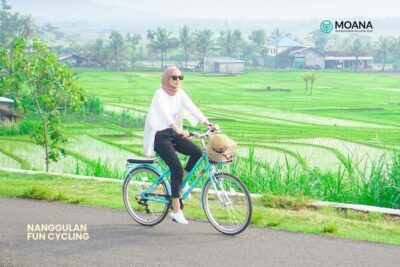
Rice and watermelon fields on the quieter side of town
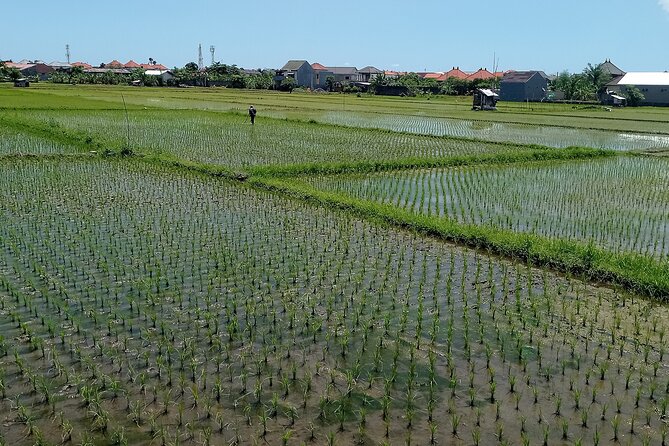
From the coast, the route moves through agricultural areas. Rice fields are one of the most attractive parts of the ride, but the watermelon fields add a detail you might not expect around Sanur.
Guides explain crop rotation and how different plants are grown in the area. That short explanation changes the way you see the fields. They are not simply pretty green spaces beside the road. They are working land, shaped by planting cycles and local needs.
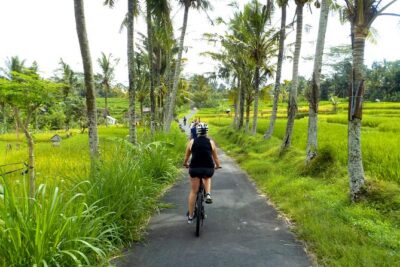
This is where the e-bike works well. You can move through the countryside without arriving exhausted, and the guide can stop when there is something worth seeing. One guide was praised for letting the group pause whenever needed, which matters when the scenery is more interesting than the schedule.
The roads here may be quieter than the main routes, but do not expect a completely traffic-free ride. Bali is busy in places, and you should remain alert. Your guide rides with the group and helps manage crossings, but you still need to follow instructions and keep a safe distance.
More E-Bike Tours in Indonesia
- Ubud eBikes Tour to Tegallalang Rice Terrace
★ 5.0 · 507 reviews - Electric Bike Tour in Ubud
★ 5.0 · 281 reviews
A traditional market where the tour feels most local
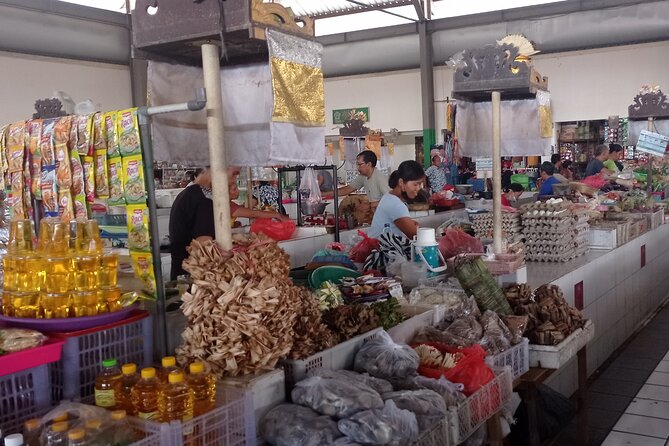
The market is one of the strongest stops for understanding everyday Sanur. Instead of browsing a tourist shopping strip, you see stalls with fresh produce and local goods. Depending on what is available that morning, you might find unfamiliar fruit, vegetables, and small crafts.
This is a good place to ask questions. Guides have helped riders identify fruit and check what is suitable to try. If you buy something, your spending goes directly into the local economy rather than only supporting a large resort area.
The market can also be more crowded and less tidy than the streets around your hotel. That is part of its purpose, not a flaw. Wear comfortable clothes, keep your belongings secure, and be ready for strong smells, narrow passages, and a faster pace than you may find in Sanur’s beach district.
I like that the market is not treated as a quick shopping stop. The guide gives context and helps you understand what you are seeing. For many people, this will be more useful than another polished attraction.
Turtle conservation by the beach
The ride continues to the coast and a turtle conservation site. Here, sick and wounded turtles are cared for, and you learn about the stages of turtle growth and local conservation work.
For families, this may be the most memorable part of the morning. A child can see the animals up close and learn why protection matters. At certain times, you may also be able to release a hatchling into the sea. This costs an additional 50,000 Indonesian rupiah and is not guaranteed on every visit.
That last point is worth keeping in mind. One person enjoyed the release, while another was disappointed that it was not available during the visit. Treat it as an optional opportunity, not the central promise of the tour.
The conservation stop has emotional weight without requiring a long lecture. You see animals that need care, learn about their development, and finish near the water. It gives the tour a clear purpose beyond sightseeing.
Lunch, coconut, and a finish before noon
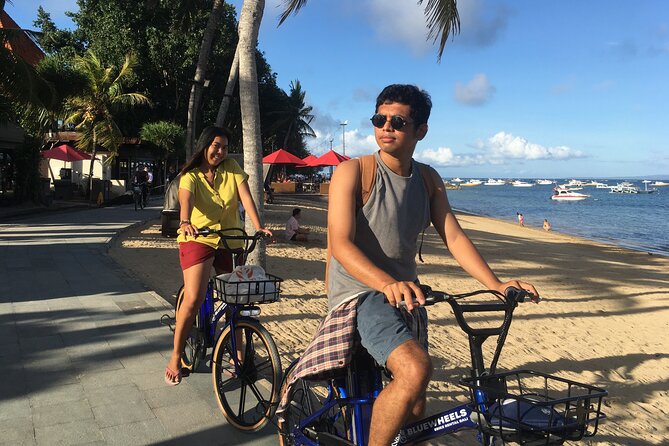
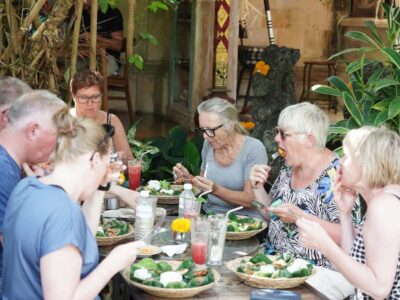
The tour ends on the beach, where Indonesian lunch is served. A fresh young coconut is also included. After riding through fields and local streets, sitting near the shore makes a pleasant finish.
The exact food is not specified, so you should not book this expecting a particular dish. The important point is that lunch is included and served at the end of the route. You can then return to your hotel, often before midday, which leaves the afternoon open for the beach, a nap, or another activity.
The full duration is listed as 150 minutes. Some rides may run a little longer, especially if the guide adds stops or takes extra care with the group. Still, plan around two and a half hours and allow some flexibility afterward.
How hard is the cycling?
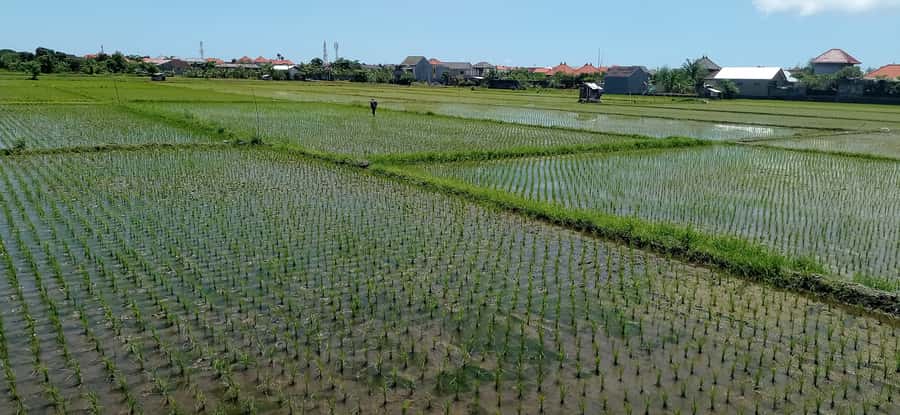
This is a gentle ride by normal cycling standards, thanks to the motor assistance. Several riders who had not cycled for years found the format manageable, and one described the route as a good length, neither too short nor too long.
You still need to be comfortable on a bicycle. The tour is not designed for non-riders, and traffic can be the hardest part. Main road crossings may feel daunting, particularly if you are not used to Bali’s road habits.
This is where the small group makes a real difference. With no more than seven participants, the guide can watch individual riders and stop to check on them. Guides such as Rika and Erika received particular praise for staying close and making safety a priority.
The bikes themselves are the weakest part of the package. Some riders found the seats uncomfortable, and others noticed noises or said the bikes could be cleaner and better maintained. One bike lost power during a ride but was replaced within about ten minutes. That suggests the operator can respond to problems, but regular servicing would improve the experience.
Bring sunscreen and a sun hat. The route includes open fields and exposed roads, and the tropical sun can be strong even during a morning ride. Water is provided, but carrying a small bottle is still sensible.
What the guides add to the morning
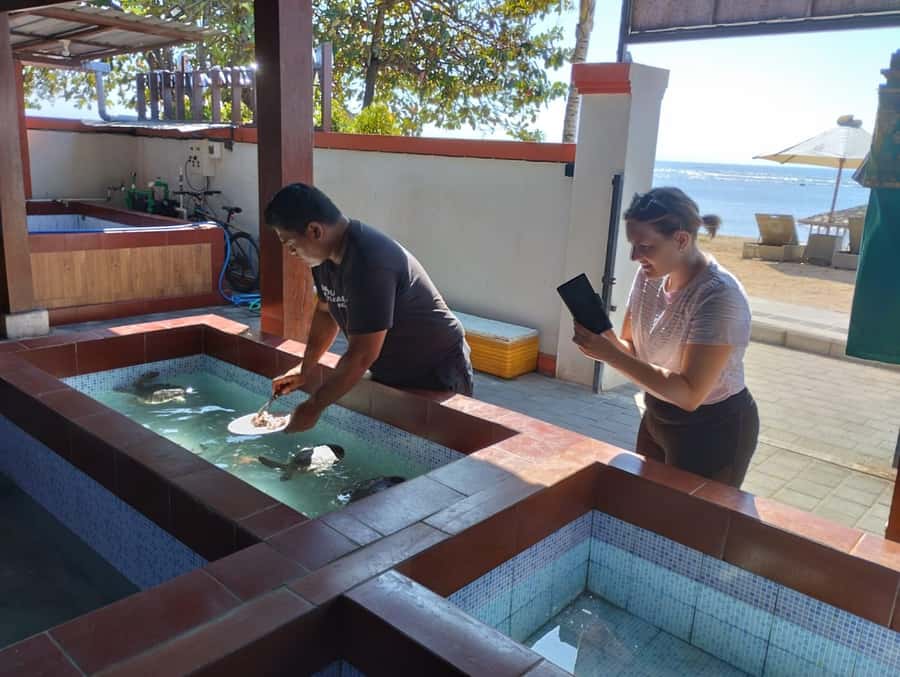
The guide is central to the experience. Without local direction, the route would be much harder to follow and the stops would have less meaning.
Rika was praised for answering questions, explaining the area, and checking that riders were doing well. Erika was described as calm and helpful in traffic. Rickard was singled out for being attentive to safety and pleasant company. Other guides have also adjusted the pace and commentary to suit the group.
The language options are English and Indonesian. English commentary is available, but the amount of explanation can vary with the guide and the group. The strongest part is not a formal speech. It is the quick information shared at a field, market, temple, or roadside stop.
You may even end up with a private ride if no one else books your departure. That gives you more time to ask questions and set the pace, although the normal format is a small shared group.
Who should book this Sanur tour?
I would recommend it to families with children who can ride, couples, solo visitors, and anyone who wants more than a resort view of Sanur. It works particularly well near the start of a Bali stay, when you want a gentle introduction to local customs, food, farming, and conservation.
It is also a smart choice if you have only one morning available. The central start and finish make the schedule easy to fit around hotel plans.
You should think twice if you dislike road traffic, feel unsteady on a bike, or want a polished sightseeing experience with no rough edges. The market is local rather than staged, the roads can be hectic, and the bicycles may show signs of use.
The tour runs rain or shine. Pack sun protection and accept that weather can change the feel of the ride. Free cancellation is available up to 24 hours before departure, and the reserve now, pay later option gives you some flexibility when planning.
Is the $47 price fair?
At $47, I consider the tour reasonably priced for what is included. You are paying for more than bike rental. The guide, helmet, water, coconut, lunch, entrance fees, insurance, and route planning are all part of the package.
The value is strongest when you take time to appreciate the variety. In one morning, you can see mangroves, a temple, fields, a market, turtle conservation, and the beach. Recreating that route alone would take more planning, and renting a bike without local help would make the traffic and village roads harder to manage.
The price is less attractive if you mainly want a beach ride or a short bicycle outing. In that case, you may not need the guided stops. For an active cultural morning with several distinct places, the cost is fair.
Should you book it?
Book this Sanur e-bike tour if you want a practical, family-friendly way to see the town beyond its hotel zone. The strongest reasons are the local market, the rice and watermelon fields, the turtle center, and the guides’ careful handling of traffic.
Go with realistic expectations about the bikes and roads. You may encounter an uncomfortable seat, a noisy motor, or a busy crossing. But the electric assistance keeps the ride gentle, and the small group lets the guide give personal attention.
For me, the tour earns its place because it connects several ordinary parts of Sanur in a short morning. You see where food is sold, where crops are grown, how temples fit into community life, and why turtle care matters. That is a better introduction to Sanur than staying on the main street.
FAQ
How long does the Sanur e-bike tour last?
The tour lasts 150 minutes, or about two and a half hours. It begins and ends in central Sanur, and the schedule usually allows you to return to your hotel before noon.
How much does the tour cost?
The listed price is $47 per person. The package includes the e-bike, helmet, English-speaking guide, water, a young coconut, entrance fees, lunch, and insurance.
Is hotel pickup available?
Hotel or villa pickup and drop-off are available if you select the option that includes transportation. The meeting point for the standard option is the Bluewheels E-bike Tours and Rental shop near Padang restaurant.
How many people are in each group?
The tour is a small-group experience with a maximum of seven participants.
What languages are available?
Live guiding is available in English and Indonesian.
Do I need to be an experienced cyclist?
You do not need to be an experienced cyclist, but you must be able to ride a bicycle. The electric assistance reduces the effort, though you still need to steer, brake, and manage the bike in traffic.
Is the turtle release included?
The turtle conservation visit is included, but releasing a baby turtle costs an additional 50,000 Indonesian rupiah. A release may not be available on every visit.
What should I bring?
Bring a sun hat and sunscreen. The tour takes place rain or shine.
Can I cancel the booking?
You can cancel up to 24 hours in advance for a full refund. The reserve now and pay later option is also available.
More Family Bike Tours in Indonesia
- Paris Sightseeing Family Friendly Guided Electric Bike Tour
★ 5.0 · 405 reviews - Hoa Lu – Tam Coc – Ninh Binh Day Tour: Biking, Visit Local Family
★ 5.0 · 166 reviews - Chicago Family Food and Bike Tour with Top Attractions
★ 5.0 · 98 reviews
Just added around Indonesia
- Ubud: Downhill Cycling with Volcano, Rice Terraces, and Meal★ 4.9 · 189 reviews
- Bali: Kintamani Downhill Bike Tour, Jungle and Waterfalls★ 4.9 · 20 reviews
- Bali Downhill Cultural Cycling Tour★ 4.8 · 42 reviews
- Kotagede Royal Route – Cycling Tour★ 5.0 · 207 reviews
- Authentic Yogya Bicycle Tour★ 5.0 · 232 reviews
- Authentic Yogya Bicycle Tour★ 4.9 · 230 reviews
- Bali Downhill Cultural Cycling Tour★ 5.0 · 224 reviews
- Electric Bike Tour in Ubud★ 5.0 · 281 reviews
Indonesia Bike Tours, compared.
Electric Cycling Tour of Ubud with Free Hotel Transfer and Lunch
Read our review →
Rice Terraces & Villages Half-Day Fat Tire E-Bike Tour
Read our review →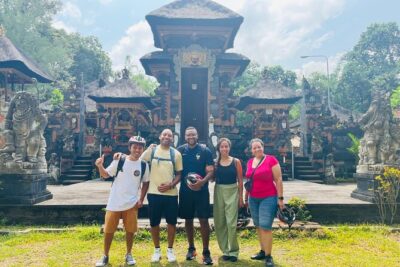
Half-Day Ubud Electric Cycling Tour to Tirta Empul Water Temple
Read our review →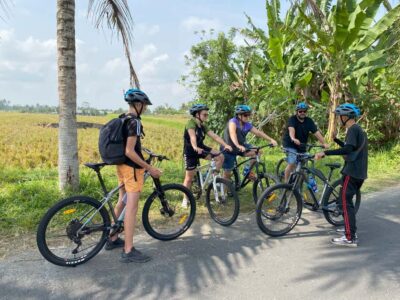
Downhill Bike Tour with Rice Fields, Volcano and Meal
Read our review →Browse the lists this tour appears in