
REVIEW · SIEM REAP
From Siem Reap: Angkor Wat Sunrise and Temples E-Bike Tour
Angkor Wat at sunrise is the headline, but the e-bike route is what gives this nine-hour outing its character. After the temple opens its doors to the morning light, you ride forest tracks, village roads, and quieter entrances that buses and large tuk-tuks cannot reach. Guides such as August, Raman, Ho, Sa, Jan, and Makara have been praised for their temple knowledge, photography, and care with the route.
I especially like two things here: the stop for Khmer rice noodles, palm cake, and rice dumplings at Preah Dak village, and the way the support tuk-tuk follows the bikes with water, cool towels, fruit, and a safety buffer on busier roads. The trade-off is the very early start, plus a long morning in heat and on uneven surfaces. You also pay the $37 Angkor Pass separately.
Key points to know before booking
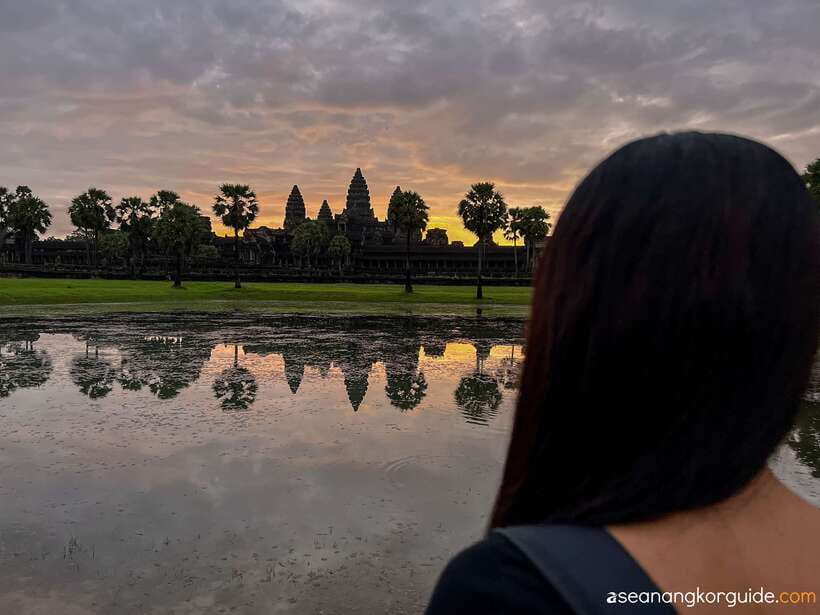
- Sunrise begins with a 4:40 am pickup, followed by a short tuk-tuk ride and a walk to the Angkor Wat reflecting pool.
- The e-bikes reach quieter temple approaches, including forest routes and less-used entrances around Ta Prohm and Ta Nei.
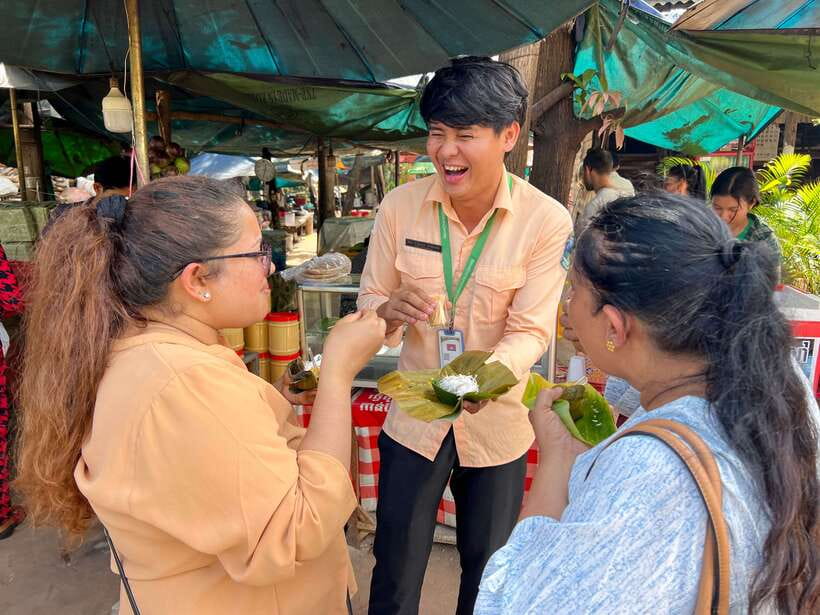
- Breakfast is local rather than hotel-style, with Khmer rice noodles, fish green curry soup, palm cakes, and steamed rice dumplings.
- The tuk-tuk stays with the group, carrying bags and supplying cold water, coconut, seasonal fruit, and towels.
- The temple circuit includes Angkor Wat, Ta Prohm, Ta Nei, Bayon, and Angkor Thom’s Victory Gate, plus a village and local market stop.
- The $85 price excludes the one-day Angkor Pass, which costs $37 per person, along with lunch and other beverages.
Sunrise at Angkor Wat requires an early, patient start
Pickup is scheduled for 4:40 am at your hotel lobby. The tuk-tuk ride from central Siem Reap takes roughly 20 to 30 minutes, depending on the route and traffic, then you walk through the entrance area toward the reflecting pool.
Do not expect the sky to brighten the moment you arrive. One morning, the group waited from about 5 am until sunrise around 6:30 am. That wait is part of the deal, especially if you want a good position near the water. Bring patience, a light layer, and something to occupy you quietly while the darkness lifts.
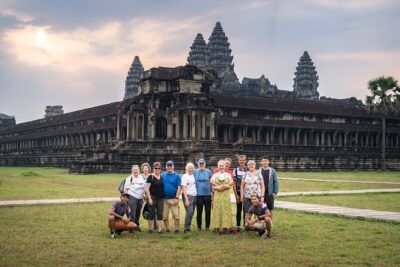
The famous view is simple but powerful: Angkor Wat’s towers appear behind the pool as the sky changes color. Clouds can soften or obscure the sunrise, so there is no guarantee of a dramatic red sky. Even on a cloudy morning, the silhouette, water, and first light make this a worthwhile opening to the day.
After sunrise, allow about an hour and a half to explore Angkor Wat itself. Your guide can point out the building’s layout, carved galleries, religious imagery, and engineering features. This is much better than treating the temple as a quick photo stop. The site is large, and a good guide helps you understand how the spaces connect.
Several guides have been singled out for clear explanations and thoughtful pacing. August has been praised for adapting the order of stops to reduce crowds. Raman has been noted for detailed explanations and finding strong photo positions. Ho and Makara have also been praised for their temple knowledge and friendly manner. Your guide will depend on the date and availability, so do not book solely for a particular name.
More E-Bike Tours in Cambodia:
- Siem Reap Countryside Bike Tour / E-Bike or Tuk Tuk
★ 5.0 · 935 reviews - Angkor Sunrise Bike Tour / E-Bike or Tuk Tuk
★ 5.0 · 615 reviews - Phnom Penh Silk Island Bike Tour/ E-Bike or Tuk Tuk
★ 5.0 · 495 reviews
The e-bike changes how you see Angkor Park
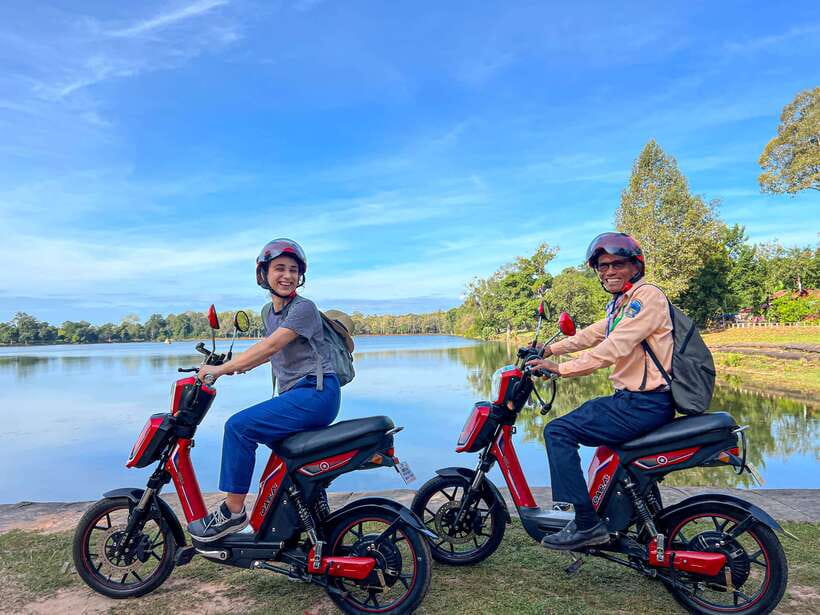
After Angkor Wat, you begin the main riding portion. The supplied e-bikes are easy to operate, though one description says they feel more like electric scooters than traditional pedal-assisted bicycles. That distinction matters if you are expecting a sporty cycling tour.
You still need to steer, balance, brake, and pay attention to the road. Several routes are rocky or sandy, and some paths pass through forested areas. If you are comfortable on a bicycle or scooter, you should find the bikes manageable. If you are nervous on two wheels, ask about using the tuk-tuk for part of the route before committing.
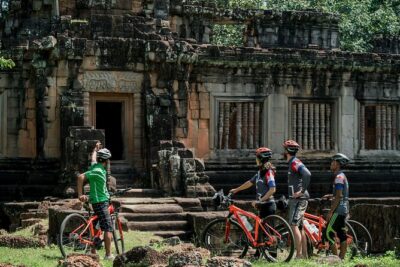
The advantage is access. You can approach some ruins from quieter sides and ride closer to entrances that would require a longer walk from a coach or standard parking area. The route may take you through jungle corridors, small roads, fields, and village areas. That movement is part of the experience, not simply transportation between monuments.
Safety support is a real benefit. The tuk-tuk driver follows the riders where possible, carrying backpacks and supplying water. On busier roads, the driver has been described as riding behind the group to help shield it from traffic. The tuk-tuk cannot follow into every narrow forest track, but it meets the group at the next practical stop.
You will need to follow local traffic conditions and listen to your guide. The road surface is not uniformly smooth, and the heat can build quickly after sunrise. Wear sunscreen, use insect repellent, and take the riding seriously even though the bikes require little physical effort.
Preah Dak breakfast brings local food into the morning
The breakfast stop is in or near Preah Dak village, rather than a standard tourist restaurant. You can expect Khmer rice noodles served with fish green curry soup, along with local sweets such as palm cake and steamed rice dumplings filled with palm sugar.
This is one of the most useful parts of the schedule because it gives you a taste of everyday Cambodian food early in the day. The breakfast is included, but lunch is not, so eat well here. You also receive seasonal fruit, coconut, and repeated water refills during the morning.
Food preferences may need to be explained clearly to the guide. The supplied information does not give a vegetarian menu or list allergy options. If that matters to you, ask before booking rather than assuming the breakfast can be changed.
The village setting also gives the guide a chance to explain local life beyond the temple walls. One stop may include watching or learning about the making of rice cakes. These small moments help break up the stone-and-photo rhythm of a major ruin circuit.
Local markets add a practical taste of Cambodia
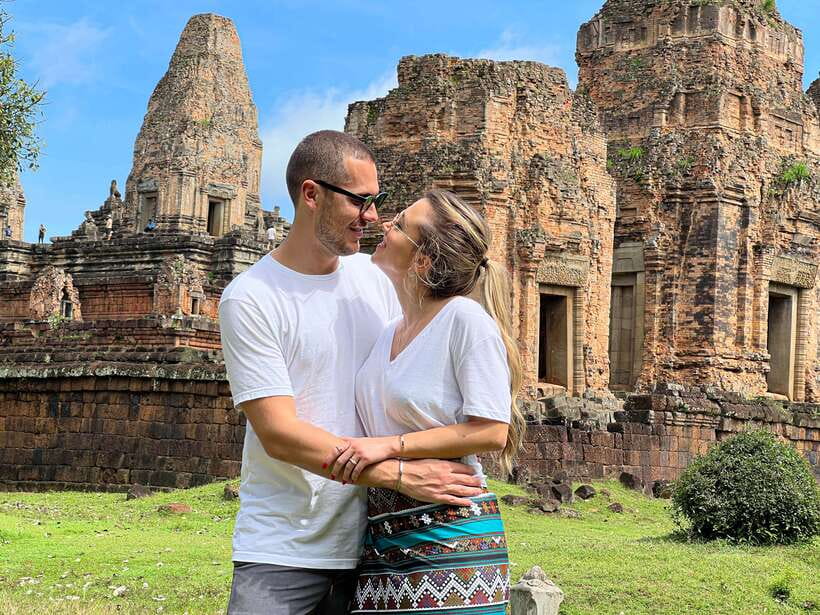
The route includes a local market in Siem Reap, with food stalls selling items such as sticky rice, cakes, fruit, and egg noodles. More adventurous eaters may also see fried spiders and scorpions.
You are not required to try anything unusual. The market works just as well as a short walk between stalls, where you can see what people buy and how food is prepared. If you do sample something, start with familiar items such as fruit, cakes, sticky rice, or noodles.
This stop is less polished than the temples, which is precisely its value. It puts daily food and shopping beside the grand monuments. Keep in mind that markets can be hot, crowded, and visually intense, and the tour does not include a separate lunch here.
More Night and Sunset Bike Tours in Cambodia:
- Siem Reap: Angkor Wat Sunrise Bike Tour & Jungle Breakfast
★ 5.0 · 415 reviews - Siem Reap: Angkor Wat Sunrise Bike Tour & Jungle Breakfast
★ 4.9 · 141 reviews - Angkor Wat: Guided Sunrise Bike Tour w/ Breakfast and Lunch
★ 4.8 · 48 reviews - Small Group Countryside Sunset Bike Tours
★ 5.0 · 39 reviews
Ta Prohm shows nature pressing through the ruins
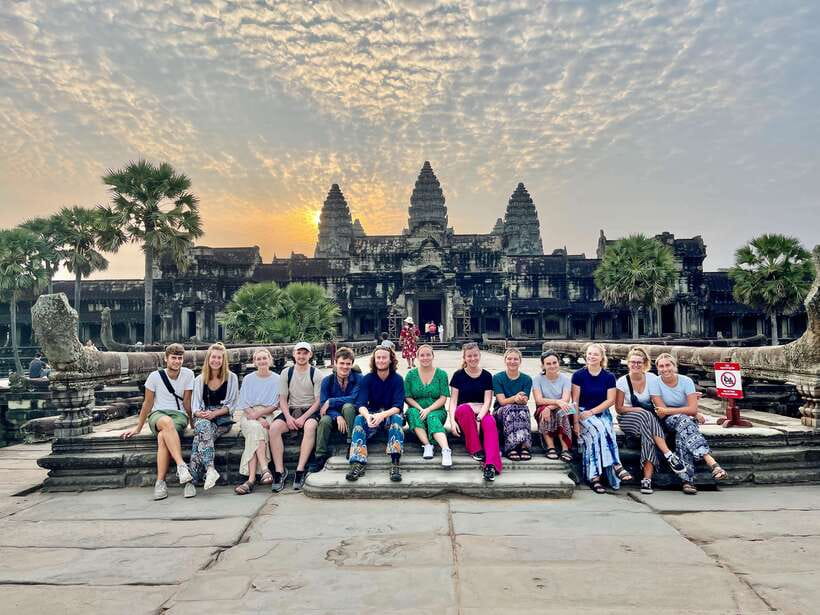
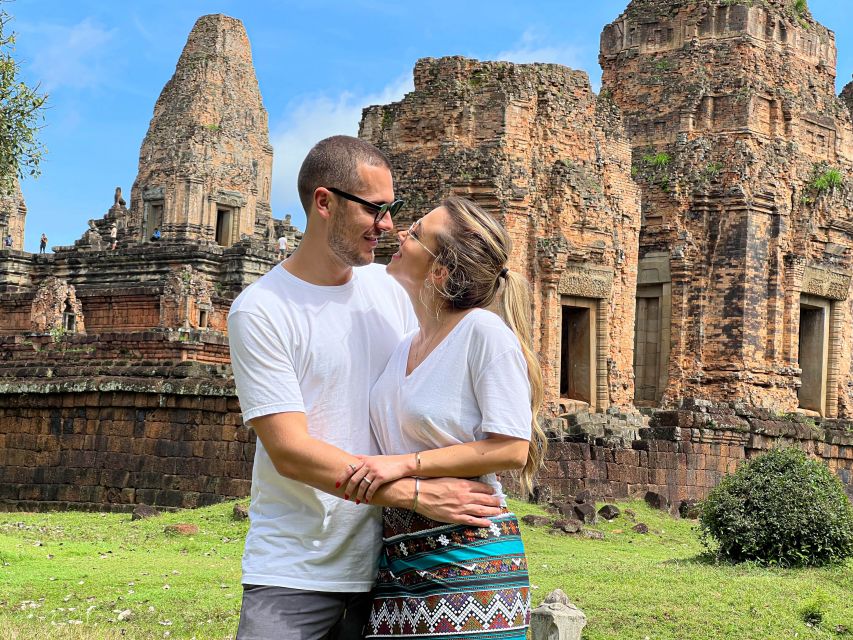
Ta Prohm is the most atmospheric temple on the route. Trees and huge roots have grown over parts of the stone, and the structure has been left in a comparatively original, overgrown condition.
The attraction is not only the famous root-covered galleries. You also see how the temple feels when stone and vegetation compete for space. Narrow passages, carved surfaces, fallen blocks, and shaded corners make Ta Prohm very different from the broad, formal approach to Angkor Wat.
The e-bikes are especially useful here. They can take you toward less-used entrances and forest approaches, helping you avoid some of the long walks associated with large tour buses. Crowd levels vary, and there is no promise of an empty temple, but the route gives your group more ways to move around the site.
Watch your footing once you leave the bike. Roots, broken stone, and steps are part of the setting. One participant needed help with temple steps after falling from an e-bike elsewhere on the route, so do not treat the ride as entirely risk-free.
Ta Nei offers a quieter forest stop
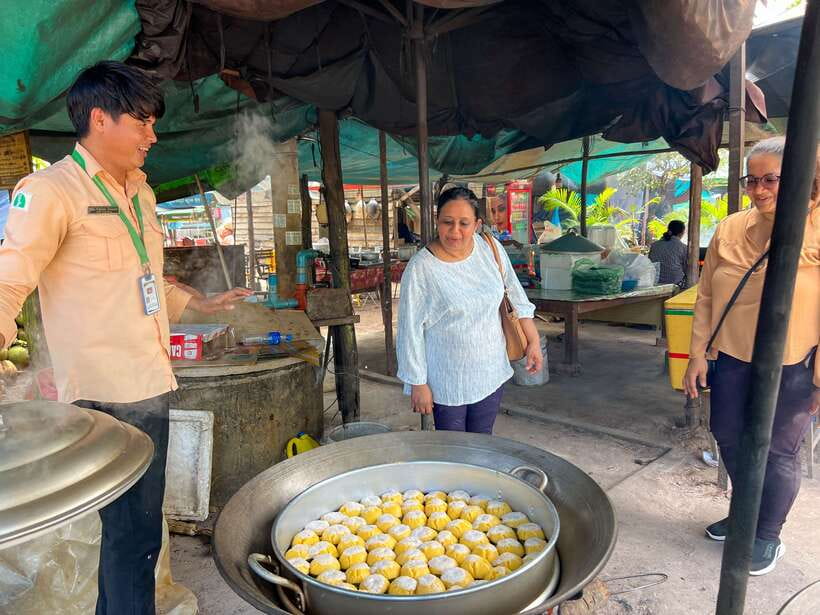
Ta Nei is smaller and more secluded than the main headline temples. It is partly overgrown and reached through a more wooded setting, making the approach feel like part of the visit.
This is where the e-bike route earns much of its price. You are not simply being driven from one major monument to another. You travel through the trees and arrive at a ruin with a more remote feel. The supplied details do not promise a fixed amount of time at Ta Nei, so the exact stop can depend on the group, weather, crowds, and the guide’s judgment.
Your guide may also point out smaller ruins, gates, carvings, and engineering details along the way. That is useful if you have already seen the main Angkor circuit and want something less predictable. If this is your first visit, Ta Nei gives you a quieter contrast before the grand scale of Angkor Thom.
Bayon and the Victory Gate finish the temple circuit
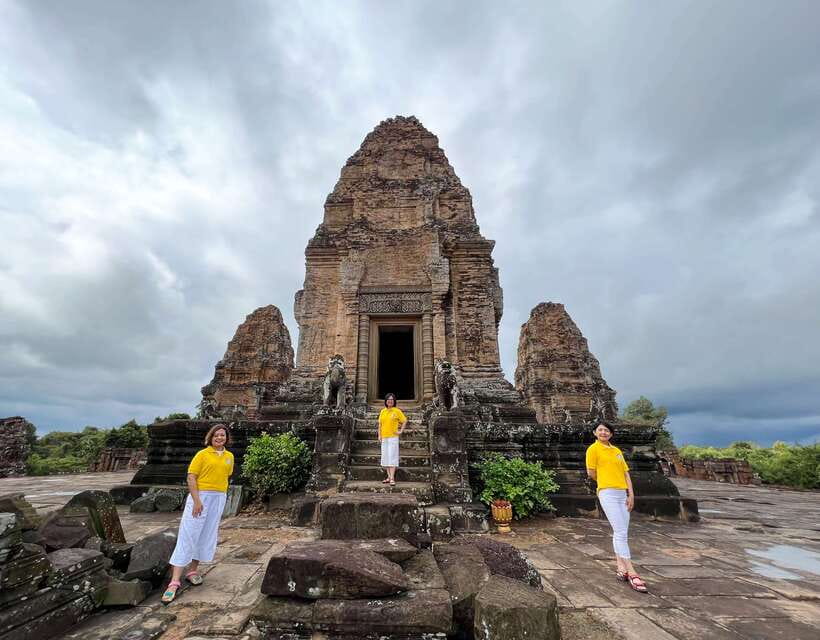
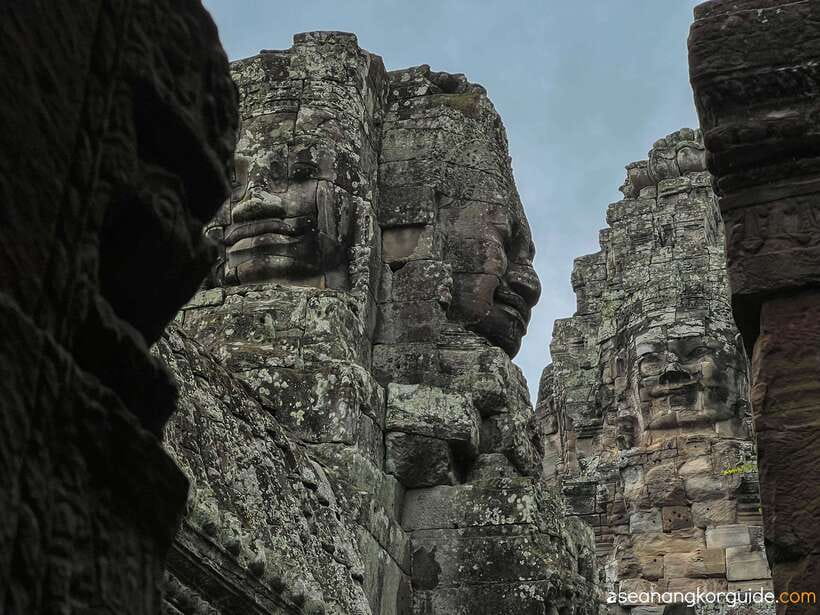
Bayon is known for its large carved faces with calm smiles. The temple was built under King Jayavarman VII, a Mahayana Buddhist ruler, and served religious, educational, and administrative purposes.
The faces are the visual reason most people remember Bayon, but look beyond the towers. Your guide can help you read the reliefs and explain how the temple functioned. The tight arrangement of towers makes Bayon feel more enclosed and complex than Angkor Wat.
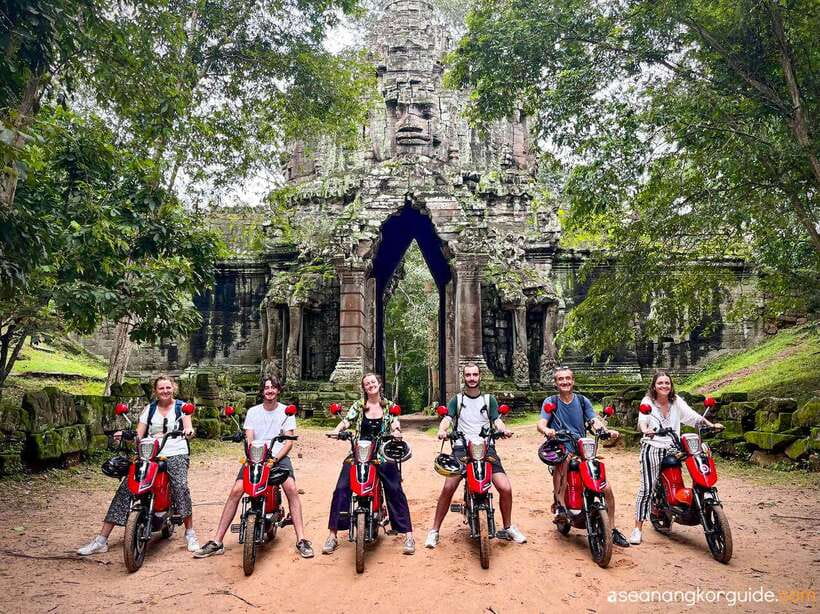
The route also includes the Victory Gate of Angkor Thom. This adds a sense of scale because you are seeing part of the larger fortified city rather than only an isolated temple. The timing is helpful: after the forest temples, Bayon gives you another major landmark before the return to Siem Reap.
Temple steps and uneven ground appear throughout the day. The tour information says it is not suitable for pregnant women or people over 70. That restriction, combined with the e-bike riding and walking, makes this a poor match for anyone with serious mobility concerns.
What the $85 price really includes
The listed cost is $85 per person. Add the required one-day Angkor Pass at $37, and your basic cost becomes $122 per person before lunch and drinks not included in the tour.
That is more than a basic bus or group temple circuit. The value comes from the combination of a private or small-group format, an English-speaking guide, e-bikes, tuk-tuk transfers, breakfast, local snacks, cold water, towels, coconut, fruit, and hotel pickup and drop-off.
The support vehicle matters more than it may seem. It gives you somewhere to leave bags, provides refreshments in the heat, and offers a backup if the bike route becomes tiring. Several guides have also taken photos throughout the day and sent them afterward, though photography should be treated as a helpful extra rather than a guaranteed service.
I would not choose this tour simply to save money. I would choose it if you want more movement, fewer standard vehicle transfers, and access to smaller paths around the temples. If you are happy with a coach, a fixed route, and minimal riding, a cheaper option may suit you better.
Timing, clothing, and what to bring
Wear clothing that covers your shoulders. Sleeveless shirts are not allowed at the temple sites. Comfortable shoes are important because the day combines riding, walking, steps, and uneven ground.
Pack sunscreen, insect repellent, and a camera. A light layer for the pre-dawn tuk-tuk ride can help, but you will likely want breathable clothing once the sun is up. Bring your own lunch money because lunch and extra beverages are not included.
The tour lasts nine hours and begins before dawn. That makes the first day in Siem Reap a good choice if you want an early orientation to Angkor, but it may be a poor choice after a late arrival or a night of little sleep.
Free cancellation is available up to 24 hours in advance for a full refund, and you can reserve while paying later. Pickup is included, but you should wait in the hotel lobby 10 minutes before the scheduled time.
Is this Angkor e-bike tour right for you?
I would book this for a first Angkor visit if you want the major monuments without spending the entire day inside a bus. The combination of sunrise, local breakfast, forest riding, Ta Prohm, Ta Nei, Bayon, and a market gives you both famous sights and ordinary Cambodian settings.
It is also a strong choice for families with older children and teenagers. One group with children aged 14, 15, and 17 found the bikes easy and enjoyable, but younger riders still need to manage traffic, sand, rough surfaces, and temple steps.
Choose another format if you dislike pre-dawn starts, have difficulty on uneven ground, are pregnant, are over 70, or do not feel safe on an e-bike. For everyone else, the extra cost is sensible when you value personal guiding, local food, quieter approaches, and the safety net of a tuk-tuk following nearby.
FAQ
What time does the tour start?
Pickup is scheduled for 4:40 am. You should wait in your hotel lobby 10 minutes before pickup.
Is the Angkor Pass included?
No. The one-day Angkor Pass costs $37 per person and is paid separately.
What food is included?
Breakfast includes local Cambodian food such as Khmer rice noodles with fish green curry soup, palm cake, steamed rice dumplings with palm sugar, seasonal fruit, and coconut. Lunch and other beverages are not included.
Which temples are visited?
The route includes Angkor Wat, Ta Prohm, Ta Nei, Bayon, and the Victory Gate of Angkor Thom. It also includes a local market and a breakfast stop in or near Preah Dak village.
Are e-bikes provided?
Yes. An e-bike is included for the temple park portion of the tour. The route can include roads, forest paths, rocky surfaces, and sandy sections.
Is hotel transportation included?
Yes. Hotel pickup and drop-off are included by tuk-tuk. The support tuk-tuk also carries supplies and follows the riders where the route allows.
More Morning Rides in Cambodia
- Explore the Village &Countryside By Bicycle-Half Day Morning
★ 4.8 · 13 reviews - 3-Hour Morning Bike Tour of Jaipur
★ 5.0 · 1,253 reviews - Haleakala Sunrise Best Self-Guided Bike Tour
★ 4.5 · 745 reviews - Hoi An Countryside: Guided Morning or Afternoon Bicycle Tour
★ 4.9 · 686 reviews
Just added around Cambodia
- Phnom Penh: Mekong Islands Sunset Bike Tour include drinks★ 4.8 · 19 reviews
- Phnom Penh: Mekong Islands & Silk Islands Guided Bike Tour★ 4.9 · 48 reviews
- Cycle Angkor Backroad Bike Tour / E-Bike or Tuk Tuk★ 4.9 · 16 reviews
- Ho Chi Minh City: 2-Day Bike & Kayak Mekong Delta Tour★ 4.9 · 64 reviews
- Explore the Village &Countryside By Bicycle-Half Day Morning★ 4.8 · 13 reviews
- Small Group Countryside Sunset Bike Tours★ 5.0 · 39 reviews
- Angkor Wat: Guided Sunrise Bike Tour w/ Breakfast and Lunch★ 4.8 · 48 reviews
- Siem Reap: Angkor Wat Sunrise Bike Tour & Jungle Breakfast★ 4.9 · 141 reviews
Siem Reap Bike Tours, compared.
Siem Reap Countryside Bike Tour / E-Bike or Tuk Tuk
Read our review →
Angkor Wat Sunrise Bike Tour & Jungle Breakfast
Read our review →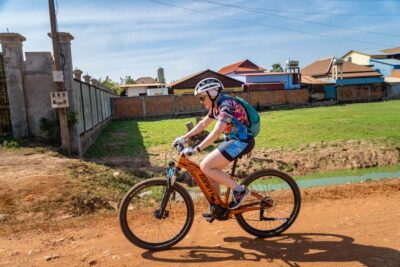
Angkor Wat Sunrise Bike Tour & Jungle Breakfast
Read our review →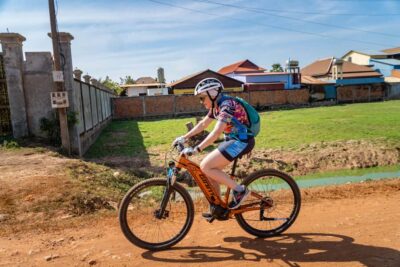
Angkor Wat: Guided Sunrise Bike Tour w/ Breakfast and Lunch
Read our review →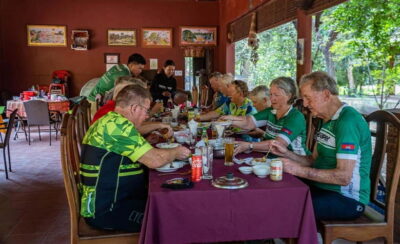
Cycle Angkor Backroad Bike Tour / E-Bike or Tuk Tuk
Read our review →Browse the lists this tour appears in