
REVIEW · MEXICO CITY
Explore Chapultepec & Mexico City sights by Bike
Mexico City makes sense from a bicycle seat. On this four-hour ride, you move from the grand sweep of Paseo de la Reforma to the trees, lakes, monuments, and castle of Chapultepec Park, with a local guide filling in the stories as you go. Pablo, Ivan, Alberto, and Gabby are among the guides associated with this experience, and the small group keeps the ride personal.
I like two things in particular: the protected bike lanes and gentle pace make a huge avenue feel manageable, and the included street food turns a history tour into a taste of daily Mexico City life. Tacos, quekas, tlacoyos, gorditas, and chilaquiles may all appear, with options for different dietary needs.
The main caution is practical rather than dramatic: the meeting point can be difficult to spot, and one outing was delayed when a replacement guide had to step in. The tour is also best for anyone comfortable on a bicycle for several hours, even though the route is generally easy and flat.
Key points at a glance

- Reforma by bike: Follow Mexico City’s grand central avenue in a marked bike lane and stop at major monuments.
- Chapultepec beyond the castle: Ride through sections of one of the city’s largest public parks, with nature, sculptures, fountains, museums, and historic sites.
- Street food included: Sample Mexican snacks such as tacos, gorditas, tlacoyos, quekas, and chilaquiles.
- Small group size: The tour accepts at least two people and no more than 10, a useful balance for city riding.
- Local storytelling: Guides explain El Grito de Independencia, the Revolution Monument, Chapultepec, and the legends connected to Reforma.
- Good first-day activity: The route gives you a quick sense of the city’s layout before you return to explore individual sights on foot.
Why a bicycle is a smart way to see Mexico City

Mexico City is too large to understand from a single museum or plaza. A bicycle lets you connect its parts. You see how the grand monuments of Reforma lead toward Chapultepec, then how the formal boulevard gives way to trees, paths, lakes, and museums.
This is not a race. The guide sets the pace, gives safety advice, and helps the group manage intersections and city traffic. Several guides have been praised for staying alert to the group, riding beside slower participants, and helping people feel secure in the bike lanes.
The route is especially useful early in your visit. You get a basic map in your head: downtown, Reforma, the Angel of Independence, the Revolution Monument, and Chapultepec. Later, you can return to the National Museum of Anthropology, Chapultepec Castle, or the park’s other sights with a better sense of where everything fits.
The ride also gives you a view of Mexico City that a bus cannot. You can stop beside a sculpture, hear the guide without headphones, and pull over for a quick look at a detail you might otherwise miss. One past participant even described riding through buildings and finding less obvious corners of the city, though the exact route can vary with the guide and conditions.
More City Tours in Mexico:
- Mexico City: 19 City Highlights Bicycle Tour
★ 5.0 · 425 reviews - Mexico City: 19 City Highlights Bicycle Tour
★ 5.0 · 302 reviews - Mexico City E-Bike Tour with a taco and churros stop
★ 5.0 · 292 reviews
Starting at Av. Paseo de la Reforma 24
You meet at Av. P.º de la Reforma 24 in Colonia Centro, near Hotel Fontan. The tour begins at Poray’s downtown bicycle location, where the team helps you choose a bicycle and adjust to the saddle. The useful detail is that the bike lane begins right outside, so you are not pushed into heavy traffic before you get your bearings.
Listen closely to the safety briefing. Your guide explains how to ride as a group and how to handle city crossings. The group limit is 10 people, with a minimum of two required for a booking. That size is small enough for the guide to keep an eye on everyone, yet large enough to give the ride some social energy.
The meeting point deserves extra attention. One person missed the start because the location was not clear enough. Look for the address on Reforma 24 and allow time to identify the bicycle office before the scheduled departure. The activity ends back at this same meeting point, and hotel pickup is not included.
You can choose a morning or afternoon departure. A morning ride may offer cooler conditions and a calmer start, while an afternoon option may suit a later arrival or a slower morning. The supplied information does not promise a specific weather pattern or traffic level, so choose the time that fits your day rather than expecting the route to feel identical each time.
Paseo de la Reforma and the Emperor route
Once the group leaves the office, the ride follows the Emperor route along Reforma. The boulevard is one of Mexico City’s grandest public spaces, lined with monuments and sculptures tied to the country’s political past, battles, legends, and national identity.
The guide’s job here is not simply to name statues. You hear the stories behind them and learn how the avenue reflects Mexico’s changing ideas about power, independence, and public memory. The route works best when you slow down at the stops instead of treating Reforma as a straight run from one attraction to the next.
The bicycle lane is a major reason this experience feels approachable. You are still riding in a large capital city, so you need to pay attention, but the marked cycling space gives the group a clear path. Past riders have described the route as peaceful and easy, with traffic behaving calmly around the bicycles. That should reassure newer city cyclists, though it does not remove the need to follow the guide carefully.
This opening section also provides good photo chances. Reforma’s wide views, sculptures, and formal monuments contrast sharply with the leafy park ahead. You may find the transition itself more interesting than any single stop.
El Ángel and the meaning of El Grito

The first major stop is El Ángel de la Independencia, usually called El Ángel by locals. You spend about 20 minutes here learning why Mexico celebrates El Grito de Independencia, the cry associated with the start of the independence movement.
That context matters because the monument is more than a popular meeting point or a handsome column. It represents a national story that still shapes public celebrations and civic life. A guide can connect the monument to the annual ceremony and help you understand why independence is marked with such feeling across Mexico.
You should have time to take photographs and listen without standing through a long formal lecture. The bicycle makes it easy to continue afterward, with no need to search for parking or gather everyone back onto a bus.
A few more bike tours around Mexico worth a look
- Electric Bike Beach Adventure with Tequila Tasting and Lunch
★ 5.0 · 1,162 reviews - Frida Kahlo VIP [Museum Tickets Included] Bike, Markets & Churros
★ 5.0 · 1,072 reviews - UTV Adventure with Free Camel Ride and Sky Bikes
★ 4.5 · 435 reviews - Mexico bike tour
★ 5.0 · 407 reviews
The Revolution Monument and its surprising first design

The ride continues toward Monumento y Museo de la Revolución. The stop lasts about 15 minutes, and the unusual detail here is the building’s original design. You learn that the landmark was not first intended to become the monument you see today.
That small piece of architectural backstory gives the stop its appeal. Instead of looking at a finished structure as if it appeared fully formed, you begin to see how major public projects can change with politics, money, and events. The guide also places the Revolution Monument within Mexico’s wider story of upheaval and national change.
This is a short stop, so think of it as an introduction rather than a museum visit. Admission to the tour’s listed stops is free, but the experience does not promise extended indoor time or a full museum tour. If you want to explore the Revolution Museum in detail, plan a separate visit.
Chapultepec Park, the real centerpiece

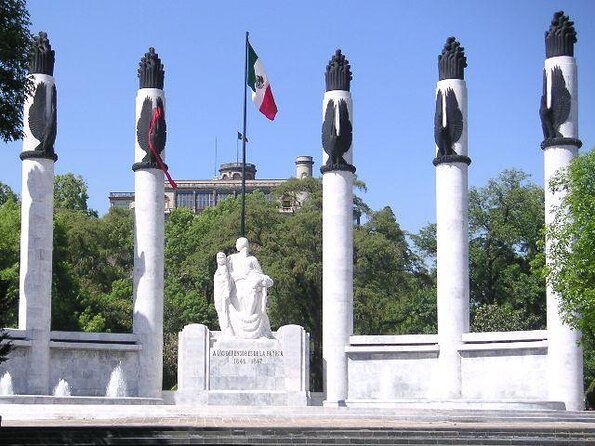
Chapultepec is the heart of the ride. You spend about 20 minutes at the listed stop, but the cycling portion through the park can feel like the main event. The park includes nature, archaeological sites, museums, fountains, sculptures, lakes, and Chapultepec Castle, described here as the only true castle in the Americas.
The park is large enough to change your sense of Mexico City. After the broad avenue and city traffic, you move into trees and open space. One route described by the operator includes sections one and two of the park, with time around squares, sculptures, and less obvious spots. A hidden cave was also part of one guide’s route, but you should not assume every departure follows exactly the same path.
This flexibility is a strength. A local guide can adjust the ride to the group’s pace and point out details that are easy to miss alone. It can also mean that the precise sequence or length of stops varies. If the castle or a particular museum is your top priority, ask the guide how much time the tour will allow. The ride is designed to show you the park, not replace a full day of visiting its institutions.
The park is also where the food break makes the most sense. You may stop for juice or another refreshment, then try street-food snacks. Past offerings have included tacos, quekas, tlacoyos, gorditas, and chilaquiles, with choices intended to accommodate dietary restrictions. The selection can vary, so treat this as a tasting opportunity rather than a fixed menu.
Street food that adds real value

Food is not an afterthought here. A bicycle ride through famous monuments can become a little formal, but a bite of street food brings you back to ordinary Mexico City. You get to try familiar local staples in a casual setting instead of spending the whole morning listening and posing for photographs.
The included choices are substantial enough to matter. Tacos, gorditas, tlacoyos, and chilaquiles are not identical snacks, so the guide can introduce you to different textures and styles of Mexican cooking. Quekas offer another easy option, and the provider says it can offer choices for dietary restrictions.
You should still tell the guide about your needs early. The information confirms that options are available, but it does not specify every allergy, vegetarian, vegan, or gluten-free choice. Bottled water is included, and the food stop helps break up the four-hour ride.
How difficult is the ride?

The route is described in past accounts as easy, flat, and relaxed. The marked lanes on Reforma are a help, and the guide leads the group through intersections. Most people can participate, but you should be comfortable riding a bicycle and remaining active for roughly four hours, including stops.
The tour supplies the bicycle and helmet. Bikes have been described as being in good condition, though the exact model and fit will depend on what is available that day. Take the adjustment period seriously. A saddle that feels fine for five minutes can feel different after several hours.
Bring clothing suited to cycling, shoes that stay secure, and sun protection. These are sensible choices for any outdoor activity, but the tour information does not promise a particular temperature or shade level. You should also keep your pace realistic. The guide can support a relaxed group, but a person looking for a hard workout may find the ride too gentle.
One past outing involved a minor bicycle mishap and basic first aid. That does not suggest the route is unsafe, but it is a reminder to follow instructions and keep enough space between bicycles.
Guide quality and the value of a small group
The guide can shape this experience more than any individual monument. Pablo has been praised for combining detailed history with a friendly, relaxed manner and for taking the group to less familiar places. Ivan has led riders through special parts of Chapultepec, while Alberto has been singled out for patient guidance, strong English, and pride in his city.
Gabby or Gabbi has also guided the ride, with an emphasis on Mexican culture and history. Timon has worked alongside Ivan on a family outing. Since the assigned guide can change, you should not book expecting one particular person unless the operator confirms that in advance.
The best guides do more than recite dates. They answer questions about architecture, archaeology, society, and current city life, then adjust the detail to the group. That makes the ride useful for both a first-time visitor and someone returning to Mexico City.
The small group limit of 10 supports that style. You are less likely to be lost at a crossing, and the guide can notice if someone falls behind. The tradeoff is that a replacement guide or a late start can affect the entire group. One outing began nearly an hour late after the scheduled guide was unable to arrive, so punctuality has not been perfect every time.
Is $78.86 a fair price?
At $78.86 per person, this is not the cheapest way to rent a bicycle. You are paying for more than the wheels: a local English-speaking guide, helmet, bottled water, safety support, historical interpretation, and street-food tastings.
The value is strongest if you are new to Mexico City, want help handling the city streets, or prefer a guided introduction to Chapultepec rather than navigating it alone. The food and guide also make the price easier to justify than a basic bike hire.
If you are already confident cycling in the city and only want to reach Chapultepec, renting a bicycle independently may cost less. You would give up the historical stories, group support, planned route, and food tastings. For many people, those are the parts that turn a simple ride into a worthwhile half-day activity.
The tour is recommended by 98 percent of its bookers and carries a 4.9 rating from 85 reviews. Those figures suggest a strong overall record, but they do not erase the two practical weaknesses: finding the office and the possibility of a guide delay.
Who should book this ride?
I would choose this for couples, solo visitors, families with older children, and active first-time visitors who want an easy introduction to the city. It is particularly useful on your first full day, when a broad orientation can help you decide where to return later.
You should also choose it if you enjoy learning through stories rather than spending the entire morning inside museums. The route combines public monuments, park scenery, food, and local commentary in one outing.
I would hesitate if you dislike bicycles, need a fully fixed schedule, or want long visits inside Chapultepec’s museums and castle. This is a moving overview, not a museum tour. Someone with limited cycling confidence can still manage it, but should speak up during the bike fitting and safety briefing.
Free cancellation is available up to 24 hours before the start time. Changes or cancellations inside that window are not accepted for a refund. The activity is offered in English, though the guide may be multilingual.
Should you book the Emperor route?
Book it if you want to get your bearings by bicycle, learn the stories behind Reforma’s monuments, and taste several Mexican snacks without planning every turn yourself. The mix of bike lanes, a small group, Chapultepec scenery, and strong local guides gives you a lot in four hours.
Skip it if your main goal is an in-depth visit to Chapultepec Castle or the Revolution Museum, since neither receives a long indoor visit on this route. Confirm the meeting point carefully, arrive ready to ride, and allow some flexibility around the guide. With those conditions in mind, this is a well-priced, useful introduction to Mexico City.
FAQ
How long does the bicycle tour last?
The tour lasts approximately four hours, including cycling, monument stops, food tastings, and time in Chapultepec Park.
Where does the tour begin?
It begins at Av. P.º de la Reforma 24, Colonia Centro, Cuauhtémoc, 06040 Ciudad de México, near Hotel Fontan.
Where does the tour end?
The activity ends back at the same meeting point.
Is hotel pickup included?
No. Hotel pickup and drop-off are not included.
What is included in the price?
The price includes a local guide, bicycle use, helmet use, bottled water, and street-food snacks.
What food may be offered?
Possible choices include tacos, quekas, tlacoyos, gorditas, and chilaquiles. Options are available for different dietary restrictions, though the exact selection can vary.
Is the tour offered in English?
Yes. The experience is offered in English, and the guide may be multilingual.
How many people can join the group?
A booking requires at least two people, and the maximum group size is 10.
Is the tour suitable for most people?
Most people can participate, and the route is described as generally easy and flat. You should still be comfortable riding a bicycle for several hours.
Can I cancel for a full refund?
Yes, if you cancel at least 24 hours before the experience starts. Cancellations or changes made less than 24 hours before the start time are not refunded or accepted.
Just added around Mexico
- Bike tour in the Chapultepec Forest and Roma Condesa★ 4.5 · 20 reviews
- Michelin Taco Bike Tour: Roma Norte & Condesa /All-Inclusive.★ 5.0 · 100 reviews
- The best of Mexico City Bike Experience EXPRESS★ 5.0 · 22 reviews
- Bike Tour in Mexico City★ 5.0 · 45 reviews
- Teotihuacán plus Bike Tour★ 5.0 · 114 reviews
- Teotihuacan Hot Air Balloon Ride with Optional Bike or Walking Tour★ 5.0 · 144 reviews
- Mexico Off the Beaten Track: Street Food & Bikes — All Inclusive★ 5.0 · 14 reviews
- Private Ebike Tour in Chapultepec Forest in CDMX★ 5.0 · 14 reviews
Mexico City Bike Tours, compared.
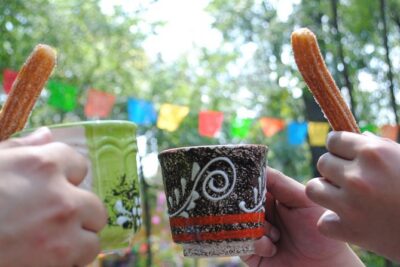
Frida Kahlo VIP [Museum Tickets Included] Bike, Markets & Churros
Read our review →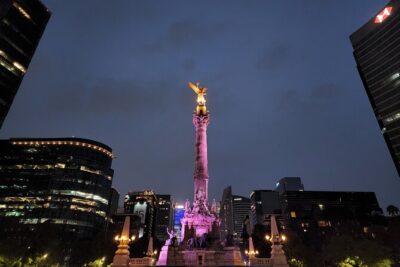
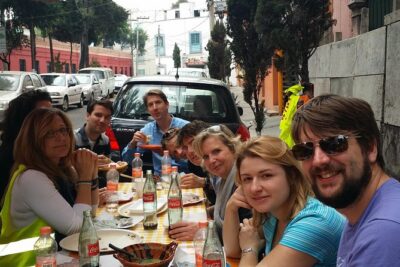
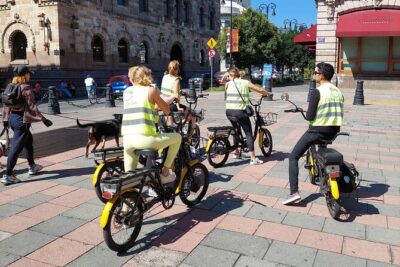
Mexico City E-Bike Tour with a taco and churros stop
Read our review →
Mexico City; ART NACO : Murals & Street Art Bike Tour
Read our review →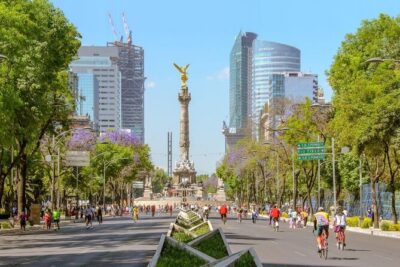
Mexico City Highlights E-Bike Tour With Foodie Stops
Read our review →
Street Food Bike Tour / Mexico is not only Tacos / All Inclusive
Read our review →Browse the lists this tour appears in