
REVIEW · MARRAKECH
Marrakech: Cycling Tour in Palm Groove with Local Breakfast
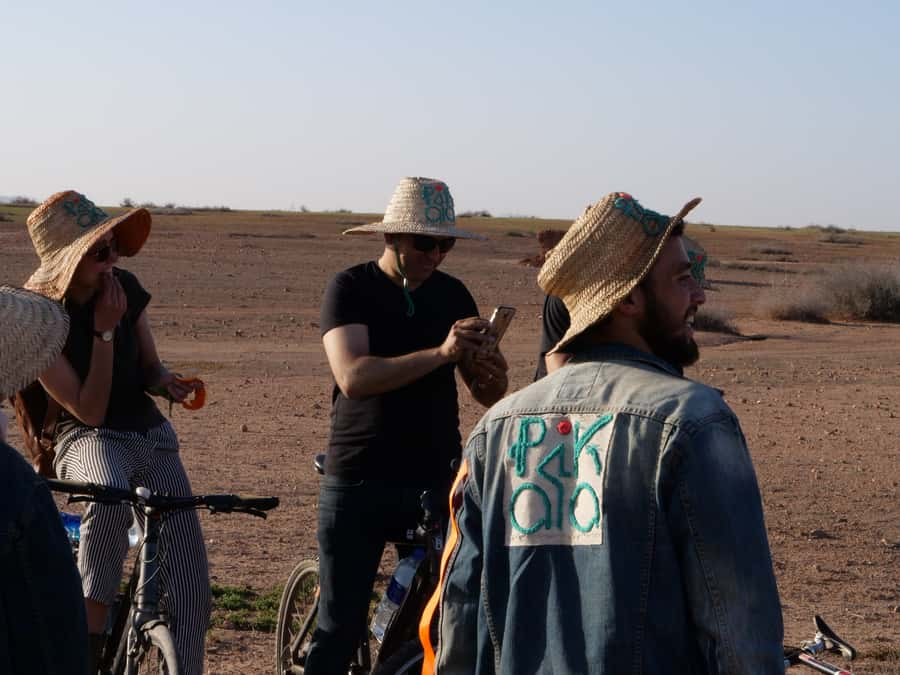
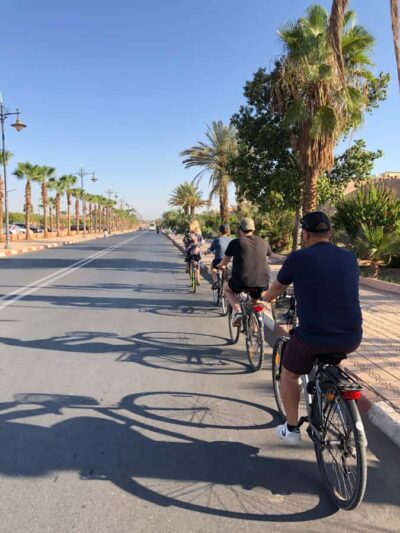
Marrakech’s palm oasis is best understood from a bicycle seat. This 150-minute ride takes you from the Pikala Bikes headquarters through the city and out toward the Palmeraie, where luxury villas give way to village lanes, palm trees, workshops, and old water channels. It is a pleasant way to see a side of Marrakech that is easy to miss by taxi.
I like two things especially. First, the young guides, including Ahmed, Yassim, Ayoub, and Khawla, bring the area to life with practical stories about local culture and daily life. Second, the stop with Aziz combines tea, Moroccan bread, butter, olive oil, olives, and pastries with a look at village traditions. You get a meal, a conversation, and a setting that feels far removed from the city center.
The main consideration is the cycling in and out of the Medina. The ride itself is described as gentle, flat, and about 17 kilometers, but the narrow streets can feel challenging at first. A guide such as Ahmed or Yassim will help you manage the traffic and stay safe, but you should be comfortable riding a bicycle before booking.
Key points to know before you book
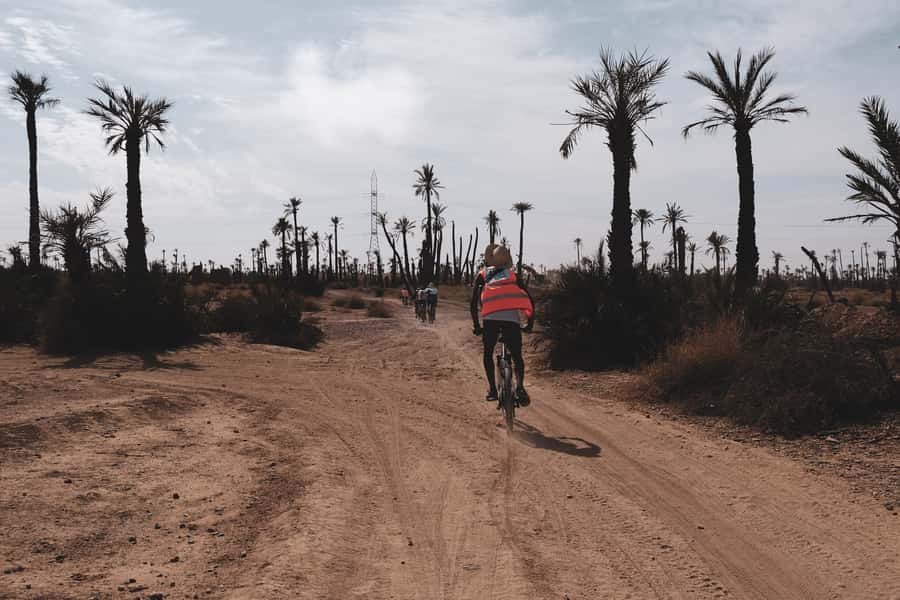
- The ride reaches the Palmeraie by bicycle: You leave from Pikala Bikes and pedal through Marrakech before reaching quieter village roads and palm groves.
- The route is gentle but not entirely effortless: It is broadly flat, yet cycling through narrow Medina streets can be the hardest part.
- Aziz’s breakfast is a real part of the visit: Expect fresh bread, butter, olive oil, olives, tea or juice, and Moroccan pastries in a peaceful local setting.
- You see working traditions, not just scenery: Stops may include a village bread oven, zellige tile workshops, and an old irrigation system.
- The guides add much of the value: English and French-speaking guides explain water use, palm trees, architecture, and local life.
- The price covers useful basics: At $34 per person, the tour includes a bike, water, suncream, the food stop, and guiding, but not transport from your riad.
From Pikala Bikes to the palm oasis
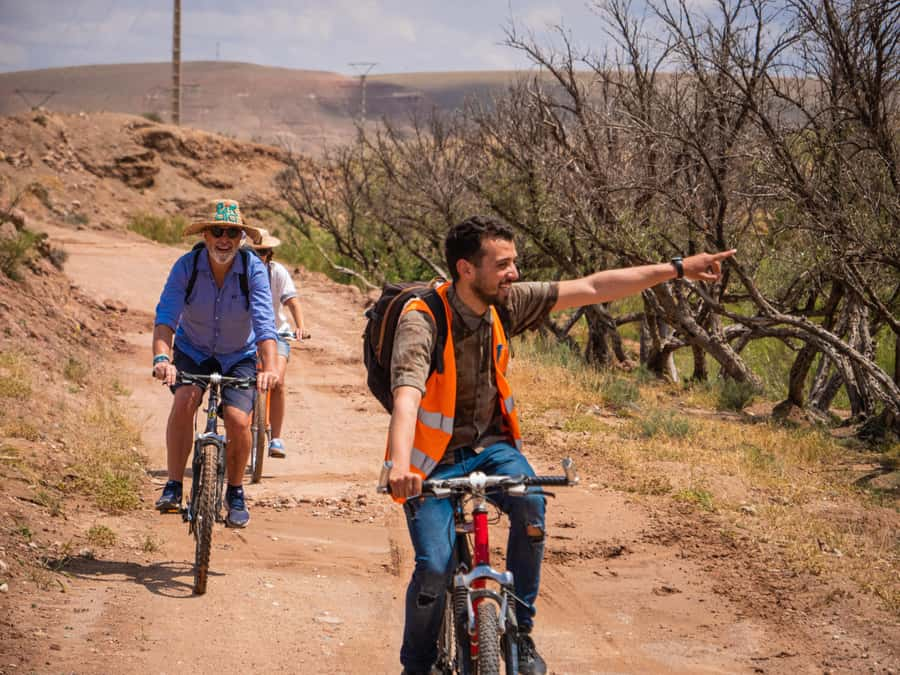
Your meeting point is the Pikala Bikes headquarters. Hotel or riad pickup is not included, so you need to make your own way there. That extra step is worth noting in Marrakech, where a riad may be tucked into a lane that a taxi cannot reach directly.
The ride begins in or near the city center and heads toward the Palmeraie. The route takes roughly 150 minutes in total, with the exact start time depending on availability. One useful detail from the ride reports is the approximate distance: around 17 kilometers on mostly flat ground.
The first part is likely to feel the least relaxed. Marrakech’s Medina has narrow streets, pedestrians, bicycles, and changing traffic. If you are nervous about cycling there, you are not alone. One parent and daughter found the beginning and end challenging but soon felt more in control with their guide’s help.
I would not book this as a carefree ride for someone who has not cycled in years. You need to steer, brake, and pay attention around other road users. Still, the guides are trained young locals, and safety is treated seriously. Ahmed is praised for being patient and attentive, while Yassim is noted for offering practical tips to experienced cyclists.
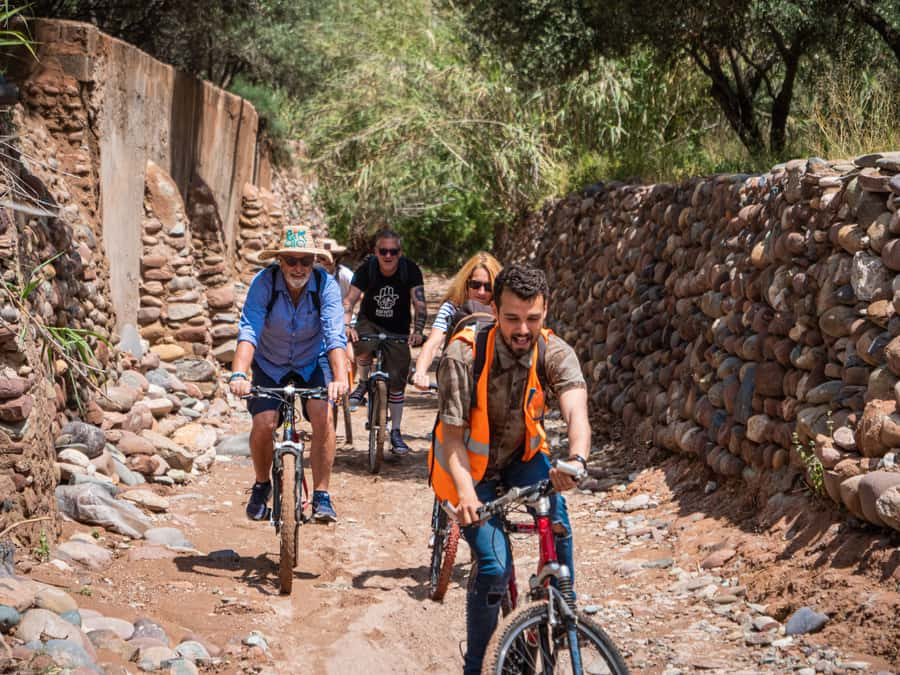
Once you are beyond the most crowded streets, the ride becomes easier. The route leaves the dense city behind and moves toward the Palmeraie, Marrakech’s historic palm oasis. The change happens gradually, which is part of the appeal. You see the city thin out rather than simply being driven to a finished sightseeing stop.
A few more bike tours around Marrakech worth a look
- Marrakech: Cultural Bicycle Tour with Pastry and Tea
★ 4.8 · 583 reviews - Marrakech: Bicycle Tour with a Local Guide
★ 4.7 · 495 reviews - Marrakech : Electric Bicycle City Tour
★ 4.8 · 363 reviews
Villas, castles, and village lanes
One of the most revealing parts of the route is the contrast between grand private properties and traditional village life. Large villas and what the tour describes as huge castles appear alongside small homes, workshops, agricultural areas, and narrow tracks.
That contrast helps you understand modern Marrakech. The Palmeraie is not only a postcard of palm trees. It is also a place where old village life continues beside luxury development. A bicycle lets you move slowly enough to notice both.
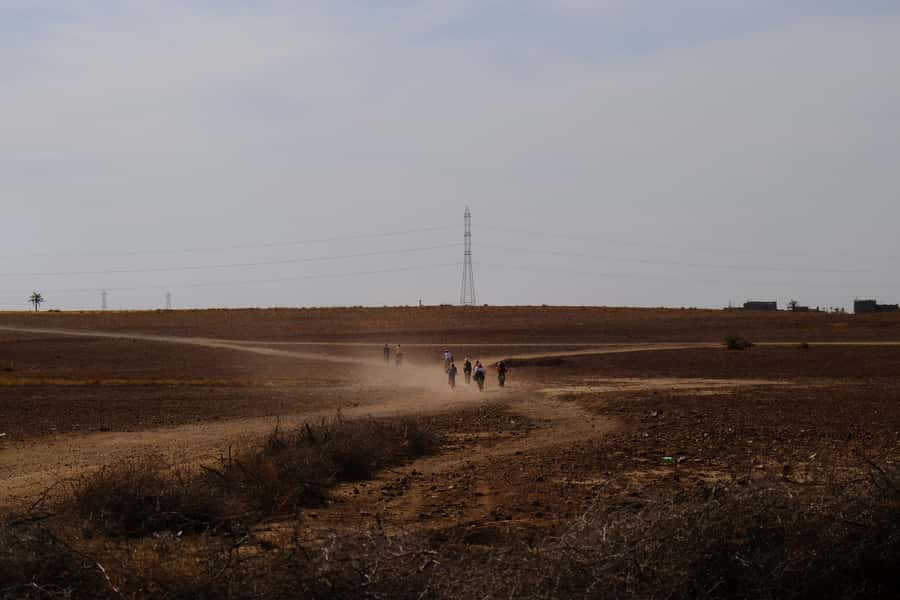
The route uses off-track roads in the heart of the oasis. You should not picture a polished cycle path or a fully rural ride from the first minute. Conditions change as you go, and the group moves through ordinary local spaces rather than a purpose-built attraction.
That is a strength if you want to see how people live. It can be less appealing if you want smooth pavement, fast riding, or a tightly controlled sightseeing route. The pace is set by the guide and the stops, not by athletic cycling.
The guides also explain the importance of palm trees to the oasis. Their value is cultural as well as practical. The palms are closely tied to the identity of the area and to the difficult work of maintaining life in a dry setting.
Water channels and the work of keeping an oasis alive
Water is one of the most useful subjects covered on the ride. Your guide explains how local communities have managed irrigation in difficult geographic conditions and takes you to an old irrigation water system.
This stop gives the palm oasis context. Without managed water, palms, gardens, and village life could not continue in the same way. You are not simply looking at a green patch outside Marrakech. You are seeing the result of systems, labor, and careful use of a scarce resource.
The water system visit is included as part of the route, but entry to the Water Museum is not. That distinction matters. If you want a formal museum visit, you would need to arrange and pay for that separately. The bicycle tour focuses on seeing the old system in its local setting and learning from the guide.
I like this part because it connects the scenery to real life. It also gives the guides room to explain local customs and their own experience of growing up in Morocco. Yassim, in particular, is praised for sharing details about the area, culture, and his life as a young Moroccan man.
The lesson is simple without being shallow: water shapes settlement, farming, architecture, and the survival of the oasis. That makes the ride more than a pleasant trip through palm trees.
Tea and breakfast with Aziz
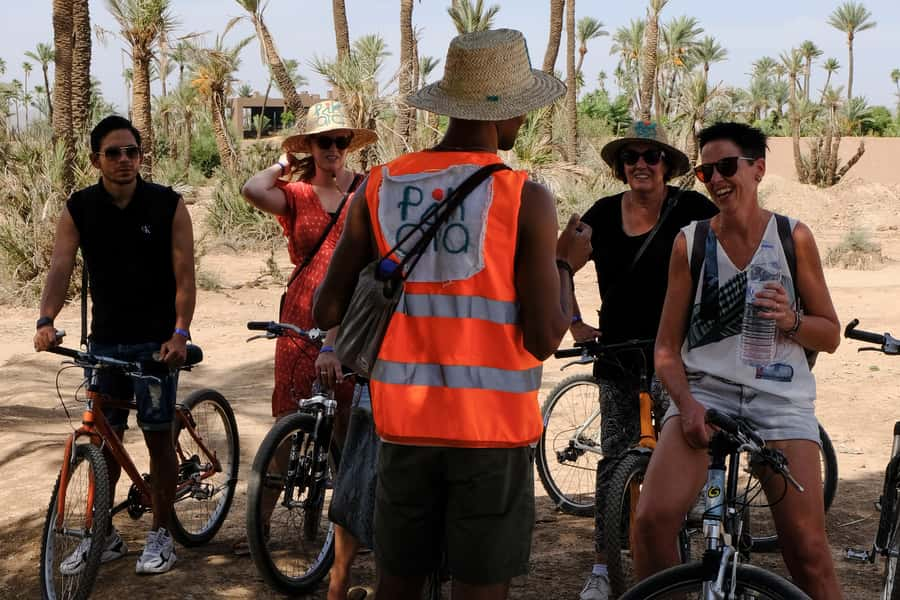
The food stop is hosted by Aziz, a local contact who welcomes the group into his atelier. Here you sit down for tea or juice with Moroccan pastries and fresh bread served with butter and olive oil. Olives may also be part of the spread.
This is not a formal restaurant meal. It is closer to a generous local break, with time to talk, listen, and learn. The setting is peaceful, which makes it a welcome change after cycling through the city.
The word breakfast can set different expectations. You should think of it as bread, tea, pastries, and simple local accompaniments rather than a large hotel-style buffet. For most people, it is enough for a mid-ride refreshment, especially with water also provided.
Aziz’s stories are part of the value. The stop is not just a chance to eat. It gives you a direct connection with someone who lives and works in the oasis, and it helps explain why the village remains important.
This is also where the tour feels most personal. A guide can point out buildings and irrigation channels, but sharing bread and tea creates a more human connection. You are given time to pause instead of rushing from one sight to the next.
If you have food restrictions, the supplied details do not specify whether alternatives are available. Ask before booking if this matters to you. The listed food centers on bread, butter, olive oil, olives, tea or juice, and Moroccan pastries.
Same city, a different ride:
- Cycling Adventure in Marrakech
★ 5.0 · 289 reviews - Dutch Bike Tour in Marrakech with Local Guide
★ 4.7 · 269 reviews - Marrakech:Guided City Cycling Tour – Culture, Colors & Charm
★ 4.7 · 231 reviews - Marrakech’s Best Cycling Tour: Culture, Colors, and Charm
★ 5.0 · 154 reviews
A village oven and the meaning of bread
The bread oven stop adds a useful piece of everyday culture. You visit a local oven where villagers bake bread and learn about the place of bread in Moroccan life.
This may be a short stop, but it carries more meaning than its size suggests. Bread is a basic food, yet baking it in a shared village oven connects households, work, and community routines. Seeing the process in person helps you understand an ordinary part of life that can disappear behind the polished surfaces of Marrakech’s tourist center.
The visit is also a reminder that the tour is not built around famous monuments. You are looking at working traditions. The experience may vary in pace depending on what is happening at the oven, but the point is to learn how local people use the space and why bread matters.
You should show the same respect here that you would at any working home or workshop. Listen to the guide, avoid treating people’s daily routines as a performance, and follow instructions about where to stand or when to take photographs.
Zellige tiles and small artisan workshops
Several stops introduce Moroccan handcraft, including zellige tile work. Zellige is the familiar Moroccan style of small geometric tiles arranged into detailed patterns. The tour takes you to tiny ateliers where you can see this craft in a more local setting.
The value here is in seeing the skill behind the finished decoration. In palaces, riads, mosques, and restaurants, tilework can look effortless. At a small workshop, you get a better sense of the care, repetition, and precision involved.
The tour description does not promise a hands-on tile-making class or a purchase. Treat these as short cultural visits rather than a shopping trip. If you like architecture and decorative arts, they will add depth to what you see elsewhere in Marrakech.
Khawla is especially noted for explaining culture and architecture with enthusiasm. A guide with that kind of interest can help you read patterns and buildings more carefully for the rest of your stay.
What is included for $34
At $34 per person, this is a strong value if you want several kinds of activity in one outing. You receive a bicycle, water, suncream, a live guide in English or French, and the tea or juice stop with Moroccan pastries and local breakfast items.
The price is not paying only for a bike rental. It covers route planning, help through the Medina, local interpretation, the village stops, and food along the way. A private taxi trip to the Palmeraie might get you there, but it would not provide the same connected explanation of irrigation, bread ovens, or tile workshops.
The value is strongest for first-time visitors who want an introduction to the oasis without arranging several separate visits. It is also appealing if you care about supporting a local organization with a social purpose. One rider specifically liked Pikala Bikes’ ethos and felt the tour contributed to a worthwhile cause.
There are limits. Pickup and drop-off are not included, and the Water Museum costs extra if you want to visit it. You also need to reach the Pikala Bikes headquarters yourself. Factor in that short transfer when planning your day.
Free cancellation is available up to 24 hours before the tour for a full refund, and you can reserve now and pay later. Those terms are useful if your Marrakech plans are still shifting.
Who will enjoy this ride most
I would recommend this tour to curious first-time visitors, couples, families with older children who can cycle confidently, and anyone who wants to see beyond Marrakech’s central sights.
It suits you particularly well if you enjoy meeting local people, asking questions, and stopping often. The guides are a major part of the outing, so your experience will be best when you engage with their stories rather than treating the ride as exercise alone.
It also works for regular cyclists. One experienced cyclist found the bicycles to be good quality and described the route as a gentle, flat 17-kilometer ride. Even then, the Medina requires more concentration than a quiet cycle path.
I would think twice if you dislike city cycling, have trouble on narrow streets, or want a fast, sporty ride. The route is designed for cultural discovery, not speed. Some sections may also feel less polished than a standard sightseeing excursion because you are entering ordinary village spaces.
The tour is offered in English and French. If you need another language, the supplied details do not confirm availability.
A practical way to plan your morning
Wear comfortable clothing and shoes that work for cycling. The tour includes suncream and water, but you should still prepare for sun and warm conditions, especially because much of the outing takes place outdoors.
Allow time to reach Pikala Bikes. Since pickup is not included, check the meeting point carefully and avoid arriving at the last minute. The ride begins with the city streets, so a calm start helps.
If you are worried about the Medina, tell your guide before setting off. The experience of one nervous rider shows that the first section can become manageable with patient instruction and support. You do not need to be a competitive cyclist, but you do need basic control of the bike.
The food stop is part of the ride, not a separate restaurant booking. If you need a full meal, plan another meal before or after the tour. The listed breakfast is simple and traditional.
Pikala Bikes receives a rating of 4.7 from 73 reviews, with repeated praise for the guides’ patience, safety care, local knowledge, and friendly manner. That pattern matters because the route itself is only half the product. The people leading it determine how comfortable you feel in the city and how much you take away from the village visits.
Should you book the Palmeraie cycling tour?
Book it if you want a reasonably priced, active way to connect Marrakech’s city streets with the Palmeraie’s village life. The combination of palm groves, irrigation, bread baking, zellige tiles, and breakfast with Aziz gives the two-and-a-half-hour ride a clear sense of place.
The strongest reason to choose it is the guide-led access to ordinary local settings. Ahmed, Yassim, Ayoub, and Khawla are among the guides associated with the experience, and the feedback consistently points to careful, friendly help on the road.
Skip it if cycling through the Medina sounds stressful, if you want hotel pickup, or if you prefer a polished vehicle tour. For everyone else, $34 buys more than a bicycle ride. It gives you a practical introduction to how water, craft, food, and village life shape the palm oasis beyond central Marrakech.
FAQ
Where does the cycling tour meet?
The tour meets at the Pikala Bikes headquarters.
Is hotel or riad pickup included?
No. Hotel or riad pickup and drop-off are not included.
How long does the tour last?
The tour lasts 150 minutes, or two and a half hours.
What languages are available?
Live guiding is available in English and French.
How far do you cycle?
The route is described in a review as approximately 17 kilometers. It is generally gentle and flat.
What food is included?
The stop with Aziz includes tea or juice, Moroccan pastries, fresh bread, butter, olive oil, and other local items such as olives.
Are bicycles provided?
Yes. Bikes are included in the price.
Is the Water Museum included?
No. A visit to the Water Museum is not included.
Can I cancel the booking?
Yes. You can cancel up to 24 hours in advance for a full refund. You can also reserve now and pay later.
Just added around Marrakech
- Marrakech Food Tasting Tour by Bike★ 5.0 · 50 reviews
- Rental Bike at Marrakech by: Go Green★ 5.0 · 24 reviews
- Marrakech by city bike tur★ 4.0 · 13 reviews
- From Marrakech: Biking Day trip Atlas Mountain & Berber villages★ 5.0 · 21 reviews
- Half-Day Highlights of Marrakesh Bike Tour★ 5.0 · 84 reviews
- E-Bike Day Trip From Marrakech To the Atlas Mountains★ 5.0 · 27 reviews
- Marrakech’s Best Cycling Tour: Culture, Colors, and Charm★ 5.0 · 154 reviews
- Biking day trip Atlas Mountains★ 5.0 · 32 reviews
Marrakech Bike Tours, compared.
Guided City Cycling Tour – Culture, Colors & Charm
Read our review →
Marrakech’s Best Cycling Tour: Culture, Colors, and Charm
Read our review →
Browse the lists this tour appears in