
REVIEW · ROME
Rome: E-Bike Tour of Appia Antica, Aqueducts, and Caffarella
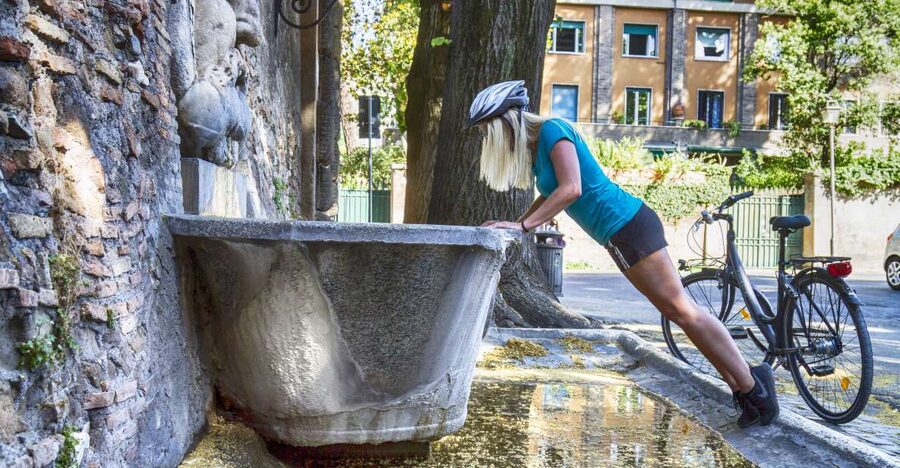
Rome’s best ancient sights are not all in the city center. This four-hour e-bike ride along the Appian Way takes you from Circus Maximus past Roman baths, tombs, catacombs, aqueducts, and open countryside where sheep and horses graze near the city. It is a fine change from queues and crowded streets.
I especially like the route’s two-sided character: Roman monuments first, quiet parks later. The small group, limited to eight people, also gives your guide room to explain details and help with road crossings. The main catch is the rough, uneven surface of parts of the ancient Appian Way, so you need to be comfortable riding a bicycle and willing to get a little dusty.
Key points at a glance
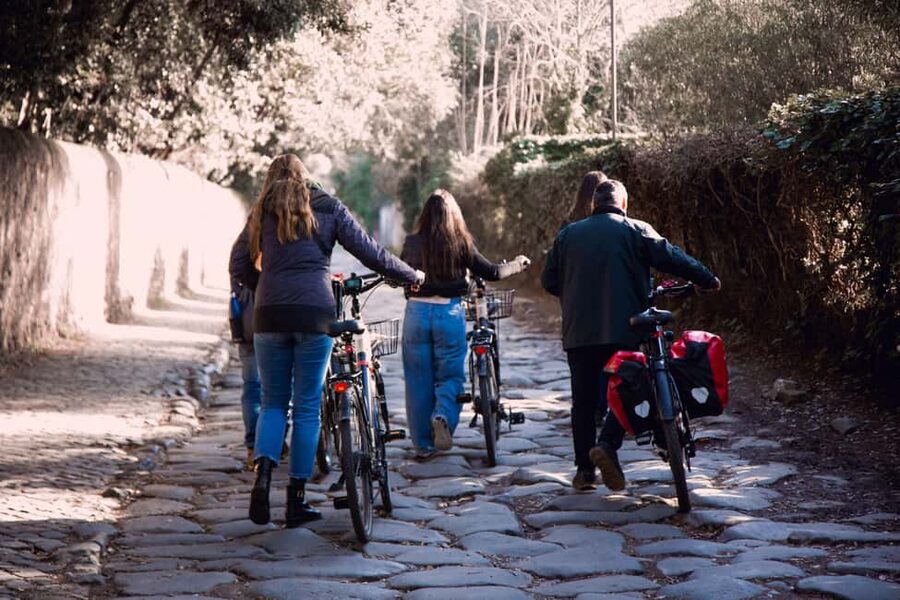
- The Appian Way by e-bike: Ride on one of Europe’s oldest major roads, begun in 312 BC.
- A strong guide team: Monica, Adriana, Frederick, Martin, and Alannah have all led tours praised for clear explanations and careful riding.
- Aqueducts without a long walk: Reach Parco degli Acquedotti with electric assistance, then continue through Caffarella Valley.
- A small group of up to eight: The format allows for questions, traffic guidance, and occasional adjustments to the pace.
- A useful city escape: After ancient streets and monuments, the route turns green and rural near the Almone River.
- Practical limitation: You must know how to ride a bicycle, and the tour runs rain or shine.
Why this Rome bike tour is different
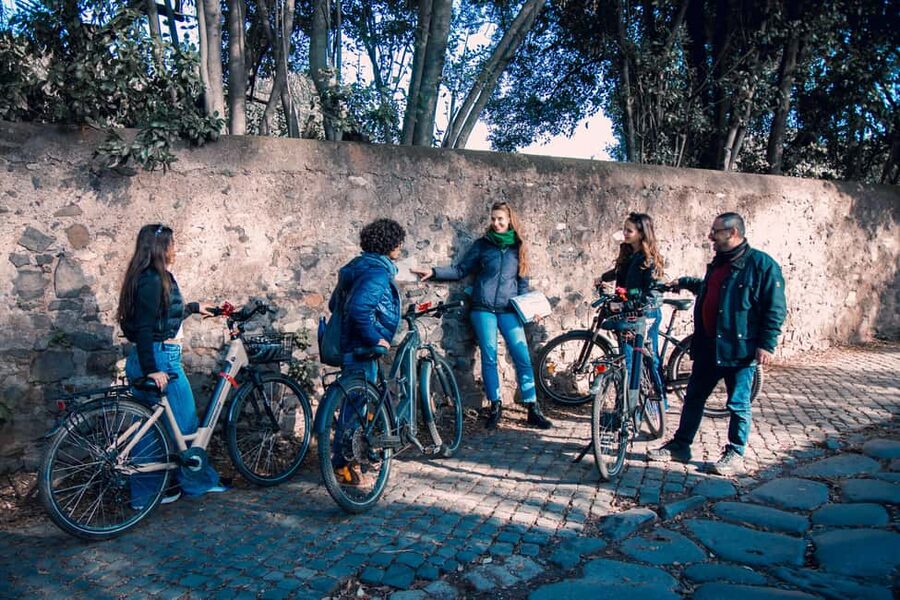
The Appian Way, or Via Appia Antica, was Rome’s great southern road. Construction began in 312 BC under the censor Appius Claudius Caecus, and the road eventually linked Rome with Brindisi in southern Italy. Today, its surviving stones pass through a curious mix of archaeology, farmland, parkland, and modern city edges.
That mixture is the appeal. You are not simply stopping at one famous monument, taking a photo, and moving on. You ride between sites and see how the ancient road fits into modern Rome. One moment you are beside the Aurelian Walls. Soon after, you are pedaling past fields and farm animals.
The route also carries a modern conservation story. In the years after the Second World War, Rome’s rapid building boom threatened the countryside around the center. Antonio Cederna, an archaeologist, urban planner, journalist, and politician, fought to protect the Appian Way from uncontrolled development. The archaeological park exists in part because of that campaign.
That context matters when you ride here. The open spaces are not accidental leftovers. They are protected pieces of Rome that could easily have disappeared under apartment blocks and roads.
More E-Bike Tours in Italy
- Rome EBike Tour: Appian Way, Catacombs & Roman Aqueducts
★ 5.0 · 1,766 reviews - Rome: Top Highlights & Hidden Gems Tour by Cannondale E-Bike
★ 4.9 · 1,760 reviews - Rome: Appian Way & Aqueducts E-Bike Tour (Catacombs & Food)
★ 4.9 · 1,498 reviews
Starting beside Circus Maximus
The tour begins at the Rome in a Day Tours bicycle shop near Circus Maximus. Arrive 15 minutes early for bike fitting, a short introduction, and paperwork. This is useful time, not dead time. An e-bike that fits properly will make the rougher sections far more comfortable.
Circus Maximus was Rome’s enormous chariot-racing stadium, capable of holding roughly 300,000 spectators. The site is now an open archaeological area, so your guide uses it as a quick orientation point rather than a long formal visit. From here, the route moves toward the ancient southern edge of the city.
The starting location is one of the tour’s practical strengths. You avoid beginning in one of Rome’s most chaotic traffic zones. The ride still includes roads and crossings, but guides have been praised for choosing quieter stretches, stopping traffic when needed, and keeping the group together.
Caracalla Baths and Rome’s water supply
The Baths of Caracalla make an impressive early stop. These were not just bathing pools. Roman bath complexes included exercise areas, social spaces, libraries, and grand halls, all supplied by an extensive water system.
You have about 20 minutes for a photo stop here. That is enough to appreciate the scale from outside and hear how the baths fit into Roman engineering. If you want a full interior visit, this tour does not provide that. Its strength is the broad route and the number of places covered, not long admissions at each monument.
The baths also prepare you for the aqueduct section later. Roman water systems were not an isolated technical trick. They supported daily life, public bathing, fountains, sanitation, and the growth of the city. Your guide connects the early monument with the later aqueduct views, which helps the route feel like one story rather than a string of unrelated stops.
Porta San Sebastiano and the old city walls
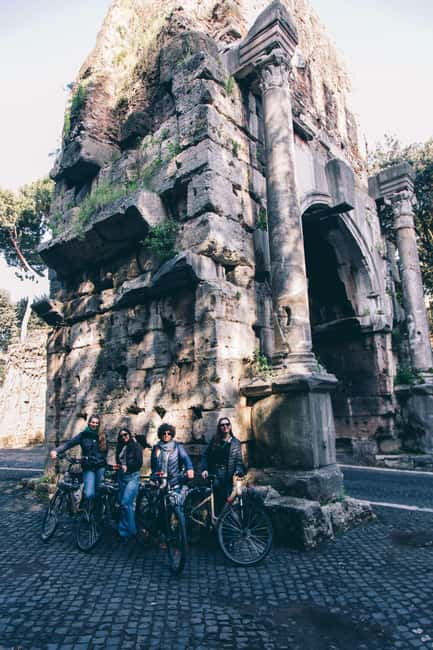
At Porta San Sebastiano, you see one of the gateways in Rome’s Aurelian Walls. The walls were built in the third century AD to protect the expanding capital, and the gate controlled movement toward the Appian Way.
The stop lasts around 20 minutes, enough for photographs and an explanation of Rome’s defenses. This is a good place to watch how the city changes. Inside the walls, Rome feels dense and urban. Beyond them, the Appian Way quickly becomes more open.
The guide’s role matters here. A wall and gate can look like another pile of old stone if you do not know what you are seeing. The point is not simply that the walls are ancient. They show how Rome had grown large enough to need a huge defensive ring around its center.
More E-Bike Tours in Rome
- Rome: Appian Way, Catacombs, & Roman Aqueducts E-bike Tour
★ 4.9 · 1,421 reviews - Rome City Small Group Bike Tour with quality Cannondale EBike
★ 5.0 · 1,380 reviews - Rome by Night – Ebike Small Group Tour – Food and Wine (Option)
★ 5.0 · 1,275 reviews - Rome by Night: E-bike Small Group Tour -Food & Wine (Option)
★ 4.9 · 1,233 reviews
The Quo Vadis church and the catacombs
The Church of Domine Quo Vadis is a short visit with a memorable connection to the Appian Way. The name refers to the Christian story of Peter meeting Jesus on the road and asking, Domine, quo vadis?, or Lord, where are you going?
You spend roughly 20 minutes here. The church is modest compared with Rome’s major basilicas, but its location gives it meaning. You are standing on the very road that carried soldiers, merchants, officials, and early Christians south from Rome.
The tour then passes by the Catacombs of Saint Callistus and other Roman catacombs. This is an important distinction: you pass the catacombs rather than take an underground guided visit. If entering the catacombs is a priority, you will need to arrange a separate visit.
Still, seeing them along the Appian route helps explain why this road became important to early Christian communities. Your guide can add the setting and context without turning the bike ride into a series of indoor tours.
Villa of Maxentius and Cecilia Metella
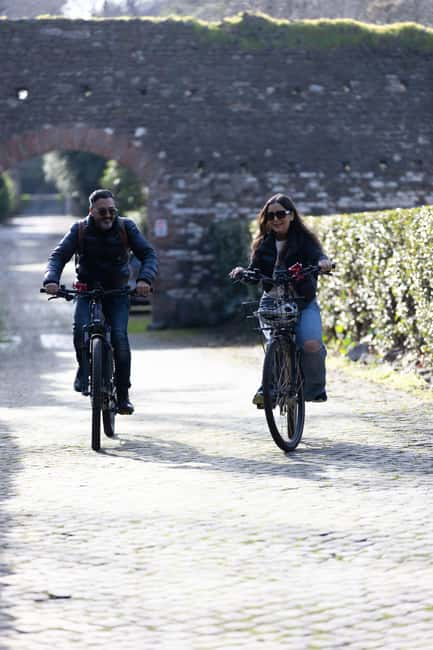
The Villa of Maxentius is another major archaeological stop along the first miles of the Appian Way. The complex is linked to Emperor Maxentius and includes the remains of an imperial residence, a circus, and a mausoleum. The setting helps you picture how powerful Romans used the road for villas and monumental burial sites outside the city center.
Next comes the Tomb of Cecilia Metella, one of the Appian Way’s most recognizable monuments. Its round stone form resembles a fortress, and it has dominated this stretch of road for centuries. The tomb shows how Roman families used grand memorials to advertise status long after death.
The itinerary allows about 20 minutes at each of these places for photos and explanation. That pace works well for a first visit, but it may feel quick if you want to study every ruin or enter every site. This is a moving tour, not a specialist archaeological survey.
You will also pass the Tumulus of the Curiazi and Villa dei Quintili. These add to the sense that the Appian Way was lined with estates, tombs, and large public or private complexes. The guide fills in the gaps between the visible remains, which is especially helpful when only foundations survive.
A coffee break before the open parks
A 20-minute stop at a local bar breaks up the ride. You can have a coffee or a small snack, although the price does not include food or drinks. This pause is well placed. By this point, you have covered the first ancient road section and may appreciate a seat, a drink, and a chance to regroup.
Bring some spending money and do not count on this being a full meal. Comfortable clothing is wise, and clothes that can get dirty are specifically recommended. The Appian Way includes uneven stones, and the bike route is not the place for delicate shoes or formal clothes.
Parco degli Acquedotti and Roman engineering
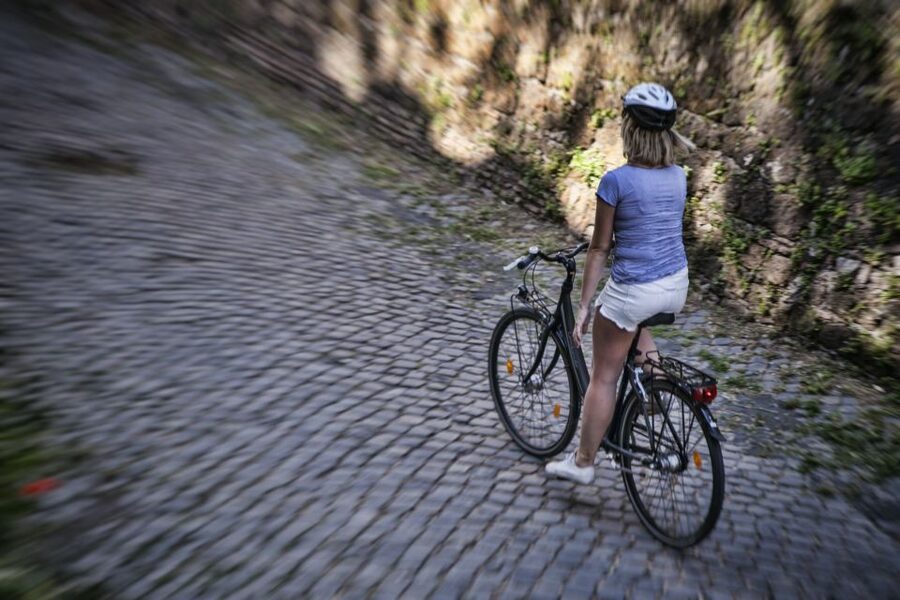
The Aqueducts Park is the visual high point for many people. Here, long lines of ancient arches cross broad open ground, giving you a clear sense of the scale of Rome’s water network.
The Romans built aqueducts to carry water by carefully controlled gradients from distant springs into the city. The surviving arches are only part of the system, but they make the engineering easy to grasp. This is one place where arriving by e-bike is especially useful. You can cover more ground than on foot and see the aqueducts from changing angles.
The planned visit lasts around 30 minutes. You have time for photographs and a focused explanation, but the tour will not cover every aqueduct or every corner of the park. The reward is perspective: Rome’s monumental center is not the only place where the empire’s scale can be seen.
The park also provides a welcome shift in pace. There are fewer buildings, more sky, and long stretches of grass. After several stops along the old road, the aqueducts give you room to simply look around.
Caffarella Valley and the Almone River
From the aqueducts, the ride continues toward Caffarella Park and follows the Almone River into the Caffarella Valley. This is where the tour feels least like a standard city excursion.
The valley sits remarkably close to central Rome, yet the setting can feel rural. You might see horses, sheep, goats, and pigs near the path. The Nymphaeum of Egeria is another highlight. It is traditionally linked with the villa of Herodes Atticus and adds a more atmospheric stop to the final section.
The route combines archaeology with ordinary countryside rather than separating the two. Ancient ruins sit beside paths, fields, and working land. That contrast is one of the most valuable parts of the experience because it shows how Rome’s past remains tied to its present surroundings.
The e-bike helps here, but it does not remove all effort. The ride is described as cross-country, and some surfaces are bumpy. Electric assistance is useful on inclines and longer stretches, though you still need balance, steering control, and confidence on uneven ground.
How the bikes and guides affect the experience
The bicycles are company-owned electric models described as modern, well maintained, and fully charged. Several guides also take time to adjust the bikes and explain the controls before departure. One useful detail from the feedback is that fit can vary for smaller riders, so tell the staff immediately if the frame or saddle does not feel right.
The guide can make or break a route with this much ground to cover. Monica has been praised for combining detailed Roman explanations with careful riding and frequent breaks in hot weather. Adriana has received strong praise for traffic management, bike handling, and adapting the route for a competent family group.
Frederick has been described as personable and willing to spend extra time on questions. Martin has helped with both historical details and practical matters such as camera tips. Alannah has also been singled out for kindness and clear explanations.
Names and assignments can change, so you cannot book a specific guide unless the operator confirms it. The consistent point is the value of having a live guide here. The Appian Way, aqueducts, and Caffarella paths are much easier to understand when someone explains what you are seeing and helps you ride safely between stops.
Is $88 a fair price?
At $88 per person, the tour costs more than renting a bicycle and following a map. You are paying for the electric bike, a four-hour route, a guide, bike setup, and a small group capped at eight people.
I think the price is reasonable if you want to cover the Appian Way, aqueducts, and Caffarella in one half-day. Doing the same route independently would require planning, navigation, bike rental, and a good understanding of which paths are suitable. Public transport will not provide the same continuous access to the archaeological park and countryside.
The value is strongest for a first Rome visit when you want a break from indoor museums and crowded central streets. It is less compelling if you prefer long visits inside individual monuments or if you already know the Appian area well.
Who should book this ride?
I would recommend it to confident cyclists, active couples, families with children aged 12 and older, and anyone who wants a different side of Rome. The e-bike makes the distance manageable, but it is not a passive sightseeing vehicle.
You should be comfortable braking, steering, starting, and riding on imperfect surfaces. The tour is not suitable for people who cannot ride a bicycle, people with mobility impairments, or pregnant women. Children under 12 cannot join.
Choose closed-toe shoes and clothes that can handle dust or dirt. The tour operates rain or shine, so check the forecast and dress sensibly. The route can be hot in summer, though guides have added water and shade breaks during warm rides.
Should you book the Appian Way e-bike tour?
Book it if you want Roman monuments, open countryside, and a bit of exercise in one well-planned outing. The strongest reasons are the access to the ancient road, the aqueducts, the protected Caffarella Valley, and the help of a small-group guide.
Skip it if rough paths make you uneasy, if you want a slow indoor archaeology tour, or if you cannot ride a bicycle. For everyone else, this is one of the more useful ways to leave central Rome without losing the city’s ancient story.
FAQ
How long does the e-bike tour last?
The tour lasts four hours, including stops at archaeological sites, the aqueducts, Caffarella Park, and a local bar.
Where does the tour begin?
It begins at Rome in a Day Tours, Electric Bike and Vespa Excursions, near Circus Maximus, and returns to the same location.
What languages does the guide speak?
Live guides are available in English and Dutch.
How many people can join the group?
The group is limited to eight participants.
Do I need to know how to ride a bicycle?
Yes. You need to know how to ride a bicycle to join the e-bike tour.
What should I wear?
Wear comfortable clothes, clothing that can get dirty, and closed-toe shoes.
Does the tour operate in bad weather?
Yes. The tour takes place rain or shine.
Just added around Rome
- Rome: Guided eBike Evening Tour with italian Aperitif★ 5.0 · 16 reviews
- Rome: Appian Way, Aqueducts, & Catacombs E-Bike Guided Tour★ 4.9 · 54 reviews
- Sunrise in Rome: Small Group E-Bike Tour & Italian breakfast★ 4.9 · 177 reviews
- Rome: Villa Borghese, Villa Ada, and Coppedè E-Bike Tour★ 4.8 · 78 reviews
- Rome: Top 10 Highlights Guided Tour by Bike or E-Bike★ 4.4 · 15 reviews
- Rome: Taste of Rome by quality Cannondale E-Bike★ 5.0 · 12 reviews
- Rome: Full-Day Guided Tour by E-Bike with Lunch Included★ 4.9 · 36 reviews
- Rome: Villa Borghese E-Bike Tour (Small Group or Private)★ 4.9 · 92 reviews
Rome Bike Tours, compared.
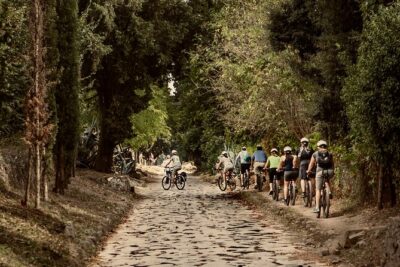
Rome EBike Tour: Appian Way, Catacombs & Roman Aqueducts
Read our review →
Top Highlights & Hidden Gems Tour by Cannondale E-Bike
Read our review →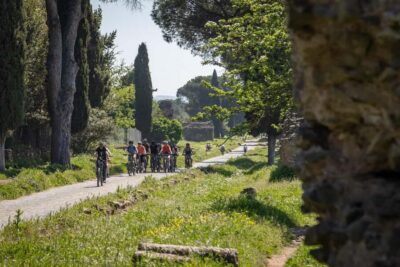
Appian Way & Aqueducts E-Bike Tour (Catacombs & Food)
Read our review →
Appian Way, Catacombs, & Roman Aqueducts E-bike Tour
Read our review →
Rome City Small Group Bike Tour with quality Cannondale EBike
Read our review →
Rome by Night – Ebike Small Group Tour – Food and Wine (Option)
Read our review →
Rome by Night: E-bike Small Group Tour -Food & Wine (Option)
Read our review →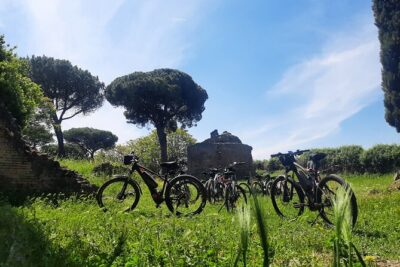
Appian Way Aqueducts Bike Tour (Catacombs & Lunch Option)
Read our review →Browse the lists this tour appears in