REVIEW · MARRAKECH
Marrakech: Bicycle Tour with a Local Guide
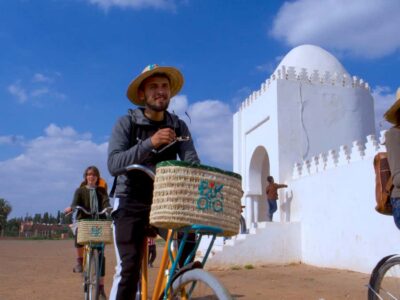
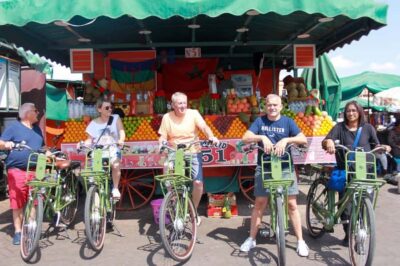
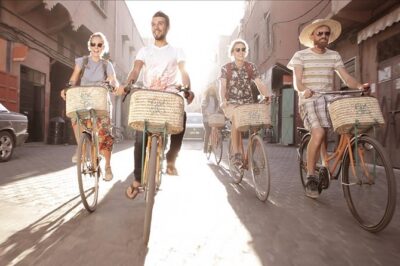
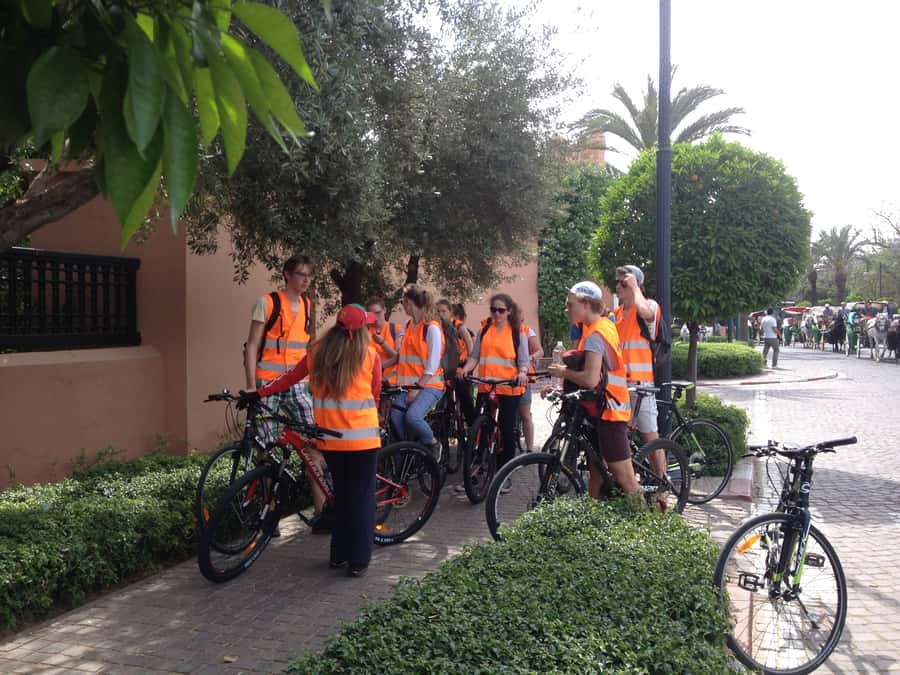
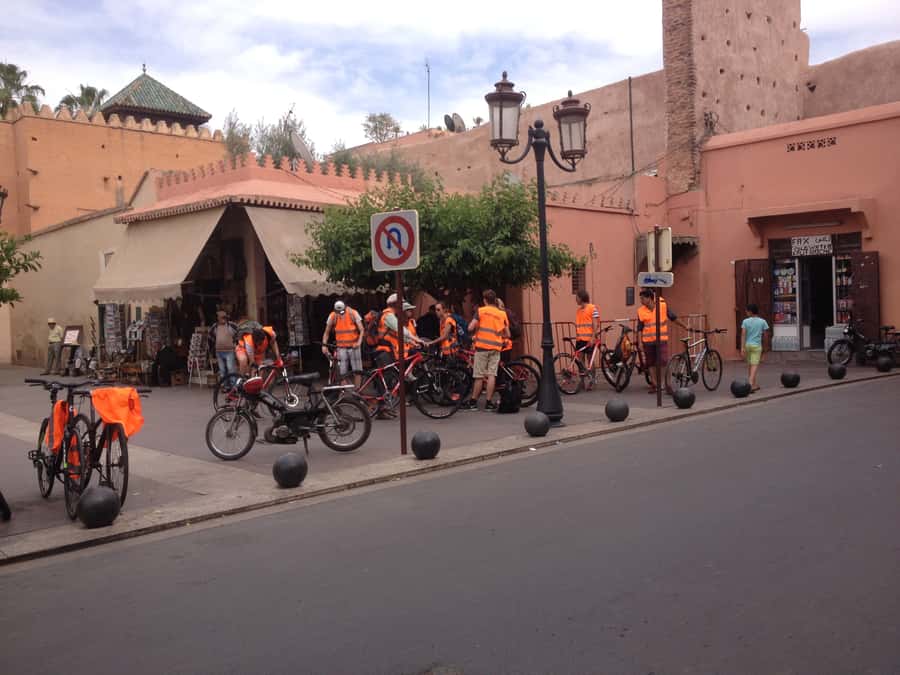
Marrakech makes far more sense from a bicycle seat. In three hours, you can move from modern Gueliz to the red city walls, thread through Medina lanes, and see how the Kasbah, Jewish Quarter, palaces, and main square fit together. The ride is lively, direct, and at times nerve-racking.
I like the way this tour gives you a fast sense of the city’s layout, especially if you take it early in your stay. I also like the local touches, such as visits connected with bread making, mosaic work, spices, or argan oil when the route and guide allow. The main drawback is traffic: some crossings and Medina sections demand close attention and steady bike control.
Key points to know before you pedal away
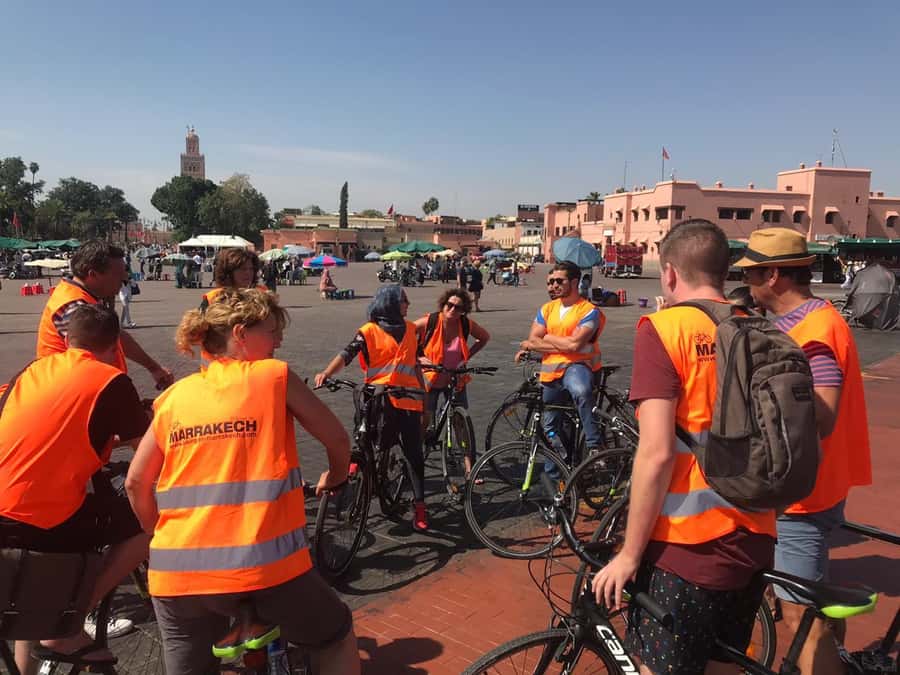
- A useful first-day orientation: Cover old and new Marrakech in three hours, then return to places that catch your eye.
- Real city riding: Expect cars, motorbikes, donkey carts, horse carriages, pedestrians, and bicycles in the same tight streets.
- Strong local guiding: Ziad, Salma, Tarik, Hanan, Miriam, and other guides have been praised for clear explanations, humor, and care in busy sections.
- Historic stops from the saddle: The route includes Koutoubia Mosque, the Saadian Tombs, Bahia Palace, Jemaa el Fnaa, the Kasbah, and Jewish Quarter.
- Bring your own small bag: Bikes do not have baskets, and you should carry water and personal items in a backpack.
- Check helmet arrangements: Helmet availability has not been consistent, so ask before setting out if one is important to you.
Why a bicycle is a smart way to meet Marrakech
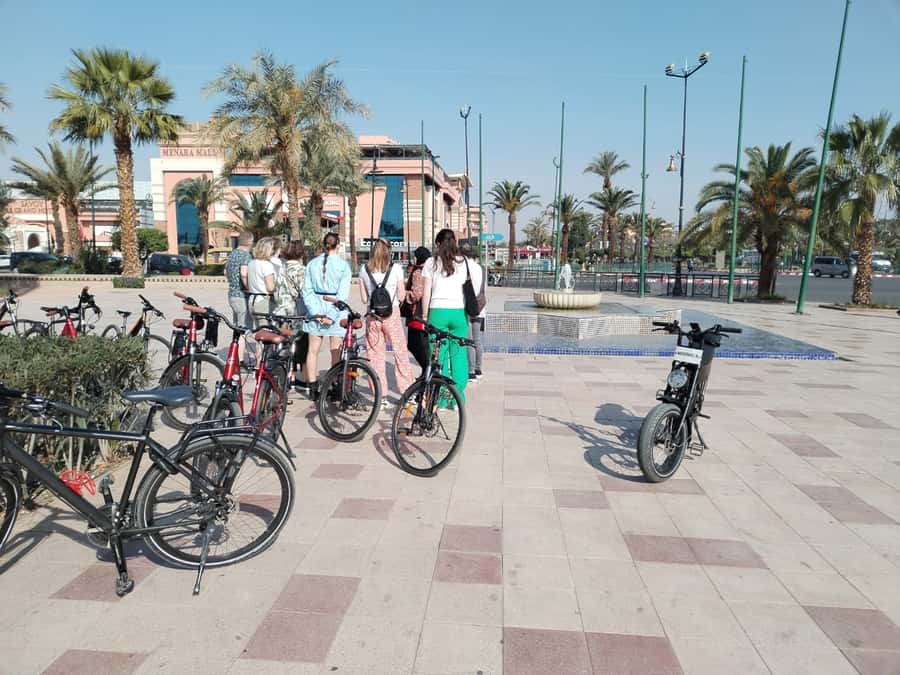
Walking is the best way to study a souk stall or pause beside a carved doorway. But Marrakech is spread across more ground than the Medina alone, and a bicycle lets you connect its different faces without spending the morning on foot.
You will ride through Gueliz and Hivernage, the newer parts of town, before reaching the old imperial districts. That contrast is one of the tour’s chief rewards. One moment you are on a broader city street. Soon you are beside ochre walls or easing through a lane where the traffic is measured in people, carts, scooters, and bicycles.
I especially like this format for your first or second day. The guide can point out useful landmarks and help you understand where the old city sits in relation to the newer quarters. Later, you can return to the palace, garden, bakery, market, or square that made you curious.
The $34 price is fair for a three-hour guided ride because it includes the bicycle and a local guide, and it covers much more ground than a walking tour. It is not an all-inclusive sightseeing ticket. Monument entrance fees and drinks cost extra, and the value depends on your comfort with road traffic. If you want a calm, slow tour with long talks at each sight, this may feel brisk. If you want a broad first look at Marrakech, it is a good use of a morning.
More Guided Tours in the world:
- 3-Hour Porto Highlights on a Electric Bike Guided Tour
★ 5.0 · 4,392 reviews - Small Group Guided Bike Tour of Amsterdam’s Hidden Gems
★ 5.0 · 3,936 reviews - Porto: City Highlights 3-Hour Guided Electric Bike Tour
★ 4.8 · 3,092 reviews
Starting in Gueliz and Hivernage
The ride begins at the Morocco Toubkal Adventure shop, with the listed meeting point at 22 Rue Oum Errabia. The activity also gives Atlas Sport Bike Shop as a possible return point, so check the exact start and finish details when you book.
The opening section takes you through Gueliz and Hivernage. These districts help explain the city beyond the Medina. You get a feel for the newer urban side of Marrakech before the route turns toward the old red-walled city.
Gueliz is also a useful place to get comfortable with the bicycle. You can settle into the pace, listen to the guide’s instructions, and get used to riding in city traffic before the route narrows. The guide usually keeps the group moving rather than stopping at every building, so do not expect a formal walking-style lecture here.
Morning timing matters. The ride is listed at three hours, and a 9:30 start has been useful because streets can be quieter early in the day. From November 1 through March 31, the morning tour begins at 10:00, with a 9:45 meeting time. Winter mornings can feel chilly, so bring an extra layer.
Koutoubia Mosque and the gardens behind it
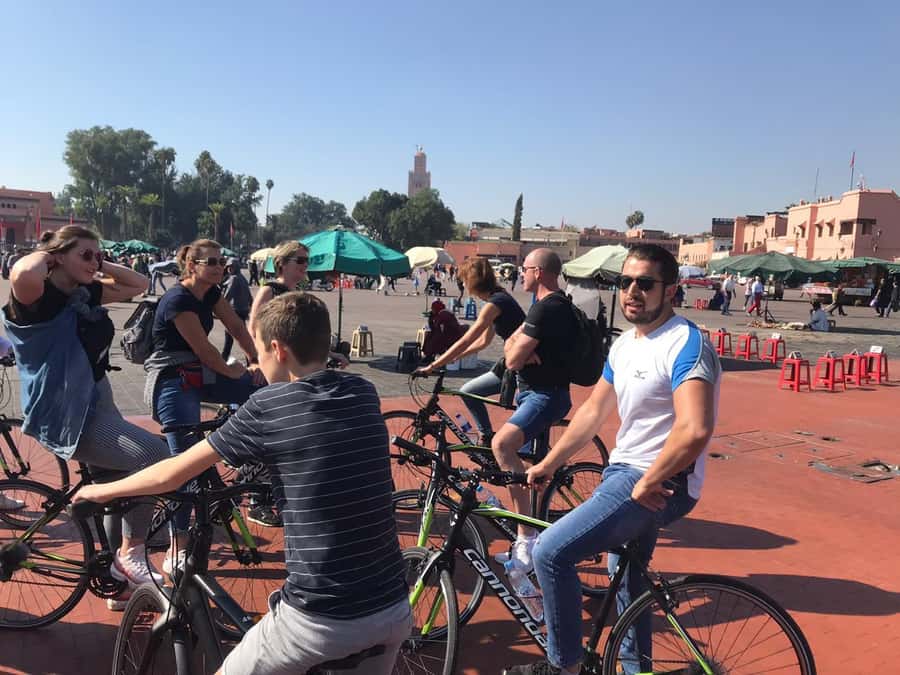
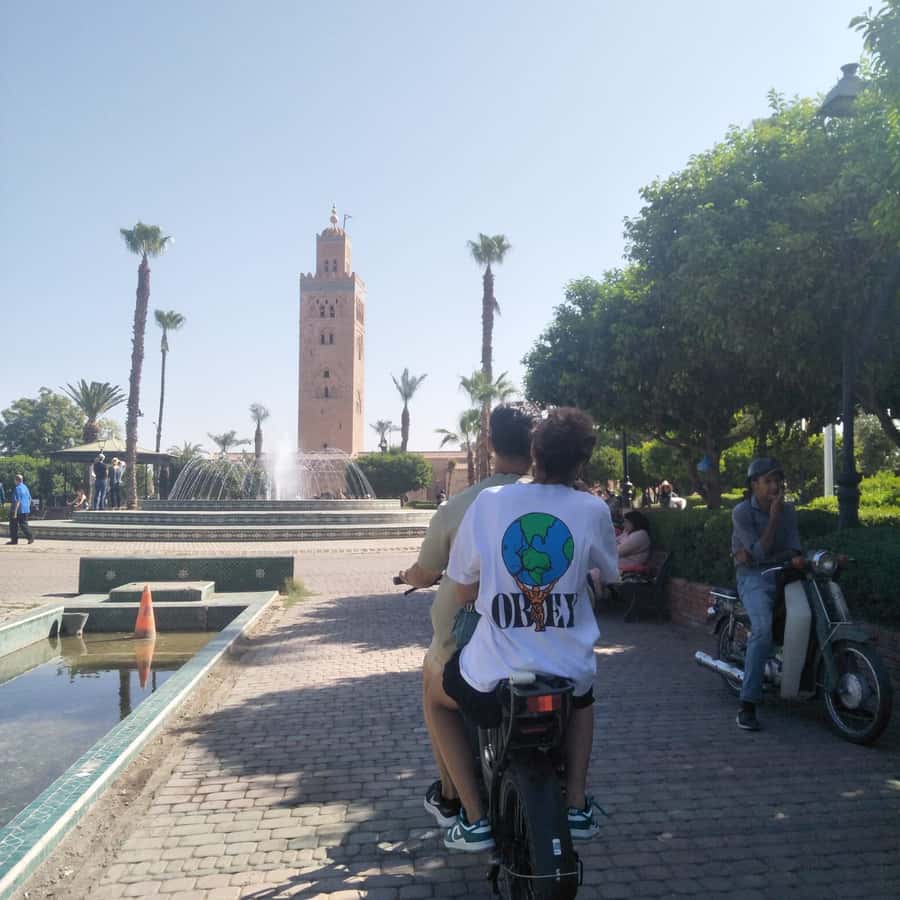
Koutoubia is one of Marrakech’s easiest landmarks to recognize. Its tall minaret helps you orient yourself when the Medina’s lanes begin to feel like a puzzle. The bicycle gives you a practical sense of how the mosque relates to the main square, city walls, and nearby gardens.
The gardens behind Koutoubia provide a welcome change from tight streets and moving traffic. This is a natural photo stop and a place to pause while the guide explains the monument and the city around it.
You should not plan on entering every major monument during this tour. Entrance fees are not included, and the schedule is built around riding and short stops. Think of Koutoubia as an outside visit and orientation point, with time to return later if you want a closer look.
Through the Kasbah to the Saadian Tombs
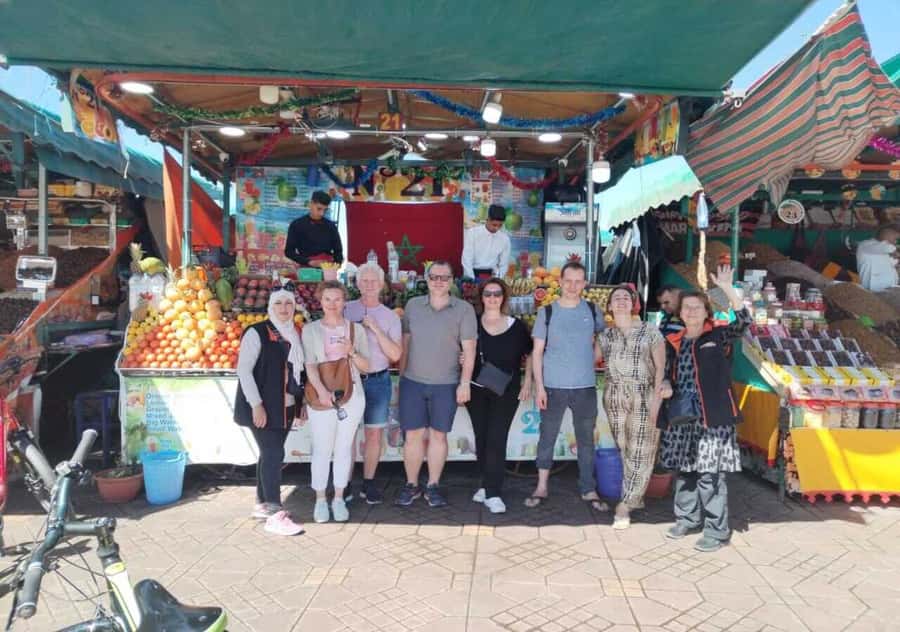
The Kasbah section brings you into one of the old city’s most atmospheric areas. Its lanes feel more local and less like a single market corridor, though you still need to watch closely for pedestrians, scooters, and other vehicles.
The Saadian Tombs are one of the route’s named stops. The site is important enough to deserve a separate visit if you have time, but on the bicycle tour you should expect to see the area and receive an introduction rather than a full monument visit. The entrance fee is not included.
This is where the tour’s design becomes clear. You are not spending forty minutes at one attraction. Instead, you are building a mental map of Marrakech. The guide gives you enough background to decide which places deserve a longer visit later.
That approach worked well for people who used the ride to get their bearings fast. It can feel rushed if you want detailed architectural discussion at each stop. Ask questions when the group pauses, but remember that the route must keep moving.
A few more bike tours around the world worth a look
- Lion City Bike Tour of Singapore
★ 5.0 · 6,211 reviews - Big Bike tour Amsterdam – See all in 3 unforgettable hours
★ 4.7 · 4,929 reviews - Ninh Binh Full-Day Tour from Hanoi to Hoa Lu, Tam Coc & Mua Cave Via Boat & Bike
★ 5.0 · 4,384 reviews - 3-hour Complete Prague Bike Tour
★ 5.0 · 3,674 reviews
Bahia Palace and the Jewish Quarter
The route continues toward Bahia Palace and the old Jewish Quarter, also known as the Mellah. This part of Marrakech adds another layer to the city’s story and gives you more than the standard route between the souks and Jemaa el Fnaa.
Bahia Palace is a strong outside stop, with its courtyards, decorative details, and connection to the city’s political past. Since admission is not part of the bicycle tour, you can note it as a place to revisit. That is useful if you have limited time and want to choose your paid entries carefully.
The Jewish Quarter is valuable because it shows a side of the Medina that can be easy to miss when you focus only on shops and food stalls. The streets and buildings are part of a broader urban story, and a local guide can point out details you might otherwise cycle past.
Several guides have also added small working-life stops when possible. You might see a traditional bread maker at a local furnace, a mosaic craftsman, a spice seller, or a place connected with argan oil production. These moments often give more practical insight than another quick photo stop. They show how everyday Moroccan skills remain part of the city’s life.
Do not assume every ride includes every craft visit. The exact route can change with timing, access, and the guide. Treat these stops as a welcome bonus rather than a guaranteed part of the advertised sequence.
Riding the Medina and souks
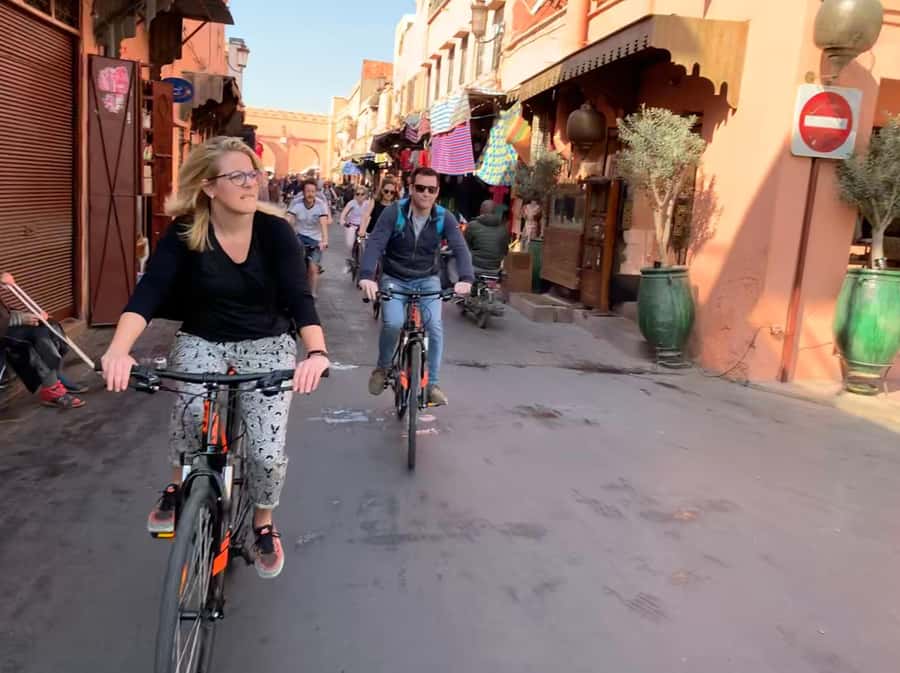
The Medina is the tour’s most memorable and demanding section. You will use small lanes where walking groups, scooters, bicycles, donkey carts, and pedestrians all share limited space. The guide leads the way, but you must stay alert and keep close.
This is not a protected cycle path. You may need to stop suddenly, move around people, or wait at a crowded junction. Some riders describe the experience as exciting, while others find certain crossings genuinely frightening. Both reactions make sense.
The best advice is simple: ride at a pace you can control, follow the guide’s signals, and do not spread out. In a larger group, staying together becomes harder in narrow lanes. One group was around 14 people, which made intersections and tight Medina passages more difficult, especially with a younger child.
The guides have generally been praised for helping riders through the tricky parts. Ziad, Salma, Tarik, Hanan, and Miriam are among the names associated with especially friendly and attentive tours. Ziad has been singled out for humor, local explanations, and patience with questions, while Salma has been praised for looking after riders and keeping the mood light.
Still, guide quality cannot remove the traffic risk. Some riders felt a colored vest would make the leader easier to follow. A front and rear guide would also help keep a larger group together, though that arrangement is not promised. If you are nervous, tell the guide at the start and stay near the front.
Jemaa el Fnaa and the final stretch
Jemaa el Fnaa is the natural climax of the route. This famous square is a useful reference point and a good place to understand how the Medina’s lanes open into a larger public space.
The tour lists a bike stop here, not a long meal or market session. You may have time for photos and a short explanation before continuing or returning to the finish point. If you want a fresh fruit drink, food, or a closer look at the square, plan to do that after the ride. Beverages are not included.
The final stretch returns you to the starting area or the stated drop-off point. This is when the route pays off: streets that seemed confusing earlier now have a place in your mental map. You may find yourself recognizing the direction of the Koutoubia, the Medina walls, Gueliz, and the main square.
Bikes, safety, and what to carry
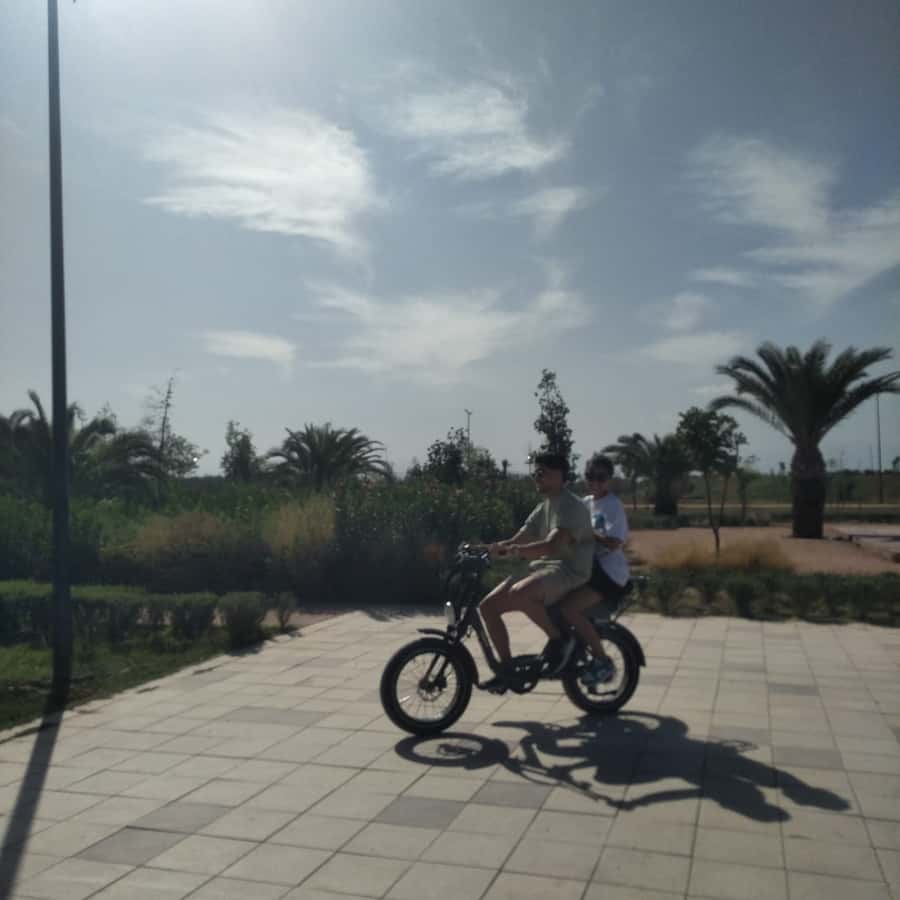
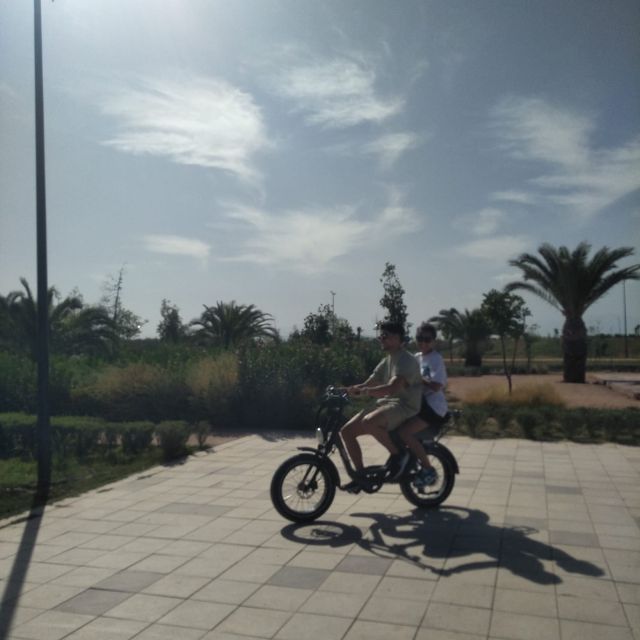
The bicycles have been described as good and easy to ride, with some riders specifically praising the Cannondale bikes. You should still take a moment to check your seat, brakes, and riding position before leaving the shop.
Helmet arrangements need clarification. Some riders used helmets, while others said helmets were not offered. The supplied tour information does not promise a helmet, so ask the operator directly if you want one. A bell has also been suggested as a useful addition in crowded streets, but it is not listed as included.
Bring a small backpack because the bikes do not have baskets. Pack water, sunscreen, and a light layer. In winter, mornings can be cold at first. Dress respectfully for the city and avoid short skirts, which are specifically not allowed.
You must be able to ride a bicycle. This is not suitable for anyone who cannot cycle, and it is not the best choice if you dislike traffic or lose confidence when vehicles pass close by.
Families can make it work. An eight-year-old had a good time with clear safety instructions, but the parent needs to judge the child’s road sense and stamina. The route lasts three hours and includes busy sections, so a confident young rider is a better fit than a child who only rides in quiet parks.
Languages, group feel, and guide style
Guiding is available in Dutch, English, French, Spanish, and German. A Dutch-speaking guide has been useful for Dutch-language groups, and English-language guides such as Ziad, Salma, and Tarik have received particularly warm praise for their friendliness and local insight.
The tour’s information level can vary with the guide and the pace of the group. Some rides offer strong cultural context without overwhelming you. Other riders have wanted more detail about Marrakech’s past. You should see this as a city orientation with commentary, not as a specialist history seminar.
The group size can affect the experience. Small groups feel easier in the souks and allow more questions. A group of about 14 can still work, but you need to keep sight of the guide and move through intersections promptly.
Booking value and cancellation flexibility
At $34 per person, the tour is priced below many private sightseeing experiences and gives you a bicycle, a guide, and three hours of coverage across several districts. You are paying mainly for access, route planning, and the guide’s ability to lead you through places that can be confusing on foot.
It offers particularly good value if you want to see both modern and old Marrakech in one morning. It is less useful if you only want to visit monuments from the inside, since entrance fees are extra and the stops are short.
You can cancel up to 24 hours ahead for a full refund, and you can reserve now and pay later. That helps if your first day depends on weather, arrival time, or how confident you feel after reaching Marrakech.
Who should book this Marrakech bicycle tour?
I would choose this tour early in a Marrakech stay if you are a confident cyclist and want a lively introduction to the city. It suits couples, friends, solo riders, and families with older children who can handle traffic and remain close to the guide.
It is a strong fit for you if:
- You want to cover Gueliz, Hivernage, the Medina, Kasbah, Mellah, and Jemaa el Fnaa in one outing.
- You enjoy local working-life details as much as famous monuments.
- You prefer a moving tour with short stops rather than a long indoor lecture.
- You are comfortable riding among scooters, carts, pedestrians, and cars.
I would skip it if you cannot ride confidently, want a quiet outing, or feel uneasy around chaotic traffic. For everyone else, the ride offers a practical and memorable look at Marrakech, with enough local guidance to make the city feel less confusing afterward.
FAQ
How long is the Marrakech bicycle tour?
The tour lasts three hours. It includes riding through several city districts and short guided or photo stops.
Where do I meet the guide?
Meet the guide at the Morocco Toubkal Adventure shop. The listed address is 22 Rue Oum Errabia. Confirm the exact starting point when booking because the activity also lists two possible start locations.
Which languages are available?
Guides are available in Dutch, English, French, Spanish, and German.
Are monument entrance fees included?
No. Entrance fees for historical monuments are not included in the price.
Are drinks included?
No. Beverages are not included. Bring water in a backpack because the bikes do not have baskets.
What should I wear in winter?
Morning temperatures can be chilly from November through March, so dress in layers. The morning tour starts at 10:00 from November 1 to March 31, with a 9:45 meeting time. Short skirts are not allowed.
Is the tour suitable for people who cannot ride a bicycle?
No. The activity is not suitable for people who cannot ride a bike. You should also be comfortable cycling in busy city streets and narrow Medina lanes.
Just added around the world
- Barcelona: Bike Rental for 2 – 24 Hours★ 4.7 · 33 reviews
- Barcelona: 3-Hour Bike Tour with Spanish Tapas★ 4.9 · 14 reviews
- Barcelona: 4-Hour Off-the-Beaten-Track Small Group Bike Tour★ 4.8 · 63 reviews
- Barcelona: Private 5 Neighborhoods Tour by Electric Bike★ 4.9 · 17 reviews
- Barcelona: 4-Hour E-Bike Photography Tour★ 4.8 · 36 reviews
- Barcelona: 3.5-Hour Street Art Tour by Bamboo Bike★ 5.0 · 56 reviews
- Barcelona Beach 3-Hour Bike Tour★ 4.8 · 65 reviews
- Thai culture and Bangkok local life guided bike tour★ 4.9 · 32 reviews
Marrakech Bike Tours, compared.