
REVIEW · MOUNTAIN
La Paz: Mountain Bike Down the World’s Most Dangerous Road
Death Road earns its fearsome name with narrow dirt track, cliff edges, mist, and a huge drop into Bolivia’s Yungas. Yet this Gravity Bolivia tour is less about reckless speed than careful control, good equipment, and a full day of changing scenery. You start among snowy Andean peaks and finish in hot, humid forest.
I like the excellent bikes and regular safety checks, plus the support vehicle that follows the group. I also like the finish at La Senda Verde Animal Refuge, where lunch, showers, and rescued animals give the day a useful purpose beyond a thrill ride. The main drawback is the price, $145 per person, plus a 50-boliviano road tax, and the long drive back to La Paz.
Key points to know before booking
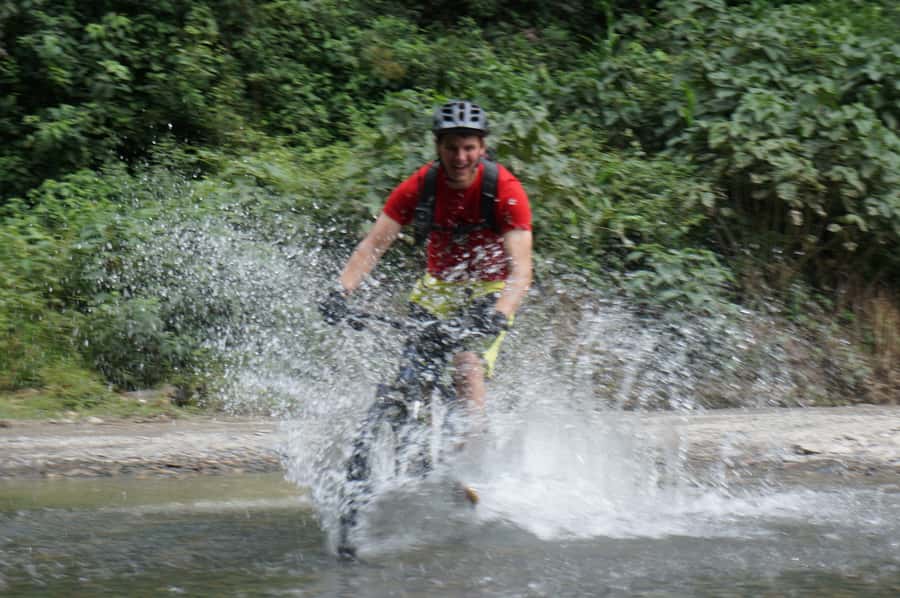
- The ride drops 3,500 meters: You begin at wind-swept La Cumbre at 4,700 meters and finish in the warmer Yungas near Yolosa.
- The dangerous section is not the whole route: Much of the opening descent is paved, while the famous narrow dirt road comes later.
- Safety is built into the day: Each group has a guide, mechanic, private safety vehicle, helmets, pads, gloves, and a bus you can board at any point.
- The equipment is a real advantage: Full-suspension downhill bikes with hydraulic disc brakes are maintained after every tour and checked along the route.
- The finish is more than a meal: La Senda Verde includes lunch and access to a refuge for rescued monkeys, birds, capybaras, and an Andean spectacled bear.
- Plan for a long day: The ride, sanctuary visit, and return to La Paz can keep you out until around 8:30 p.m.
Starting above the clouds at La Cumbre
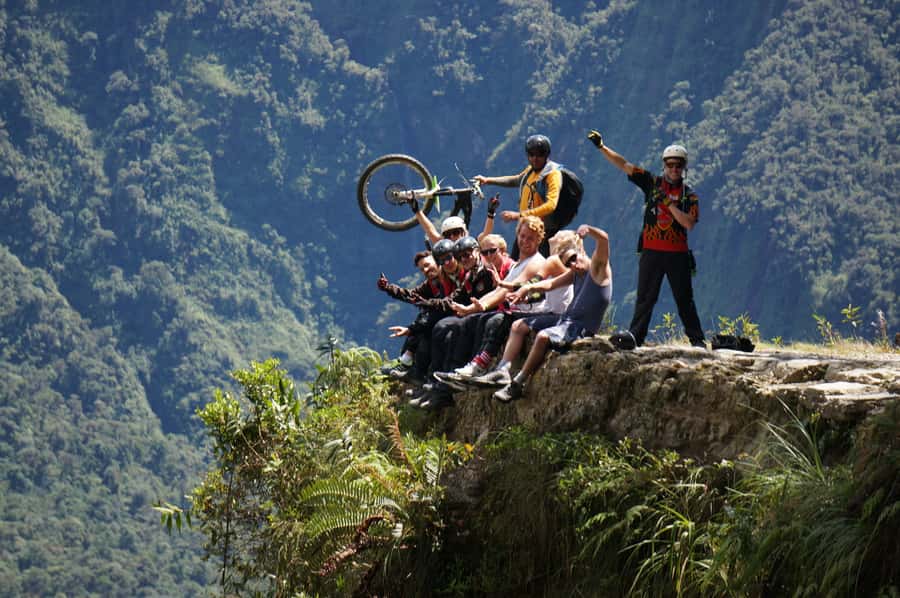
Your day begins outside Café del Mundo, a central meeting point in La Paz. Breakfast is included, with meat, eggs, ham and cheese, vegetarian, and vegan choices. That hot meal matters because the morning starts high and cold, and you will want something solid before getting on the bike.
The transfer takes you up to La Cumbre, at about 4,700 meters. This is a serious altitude jump, even if you have already spent time in La Paz. Warm clothing is essential here. Bring sunglasses too, since the high-altitude light can be sharp, and keep your passport or identity card with you.
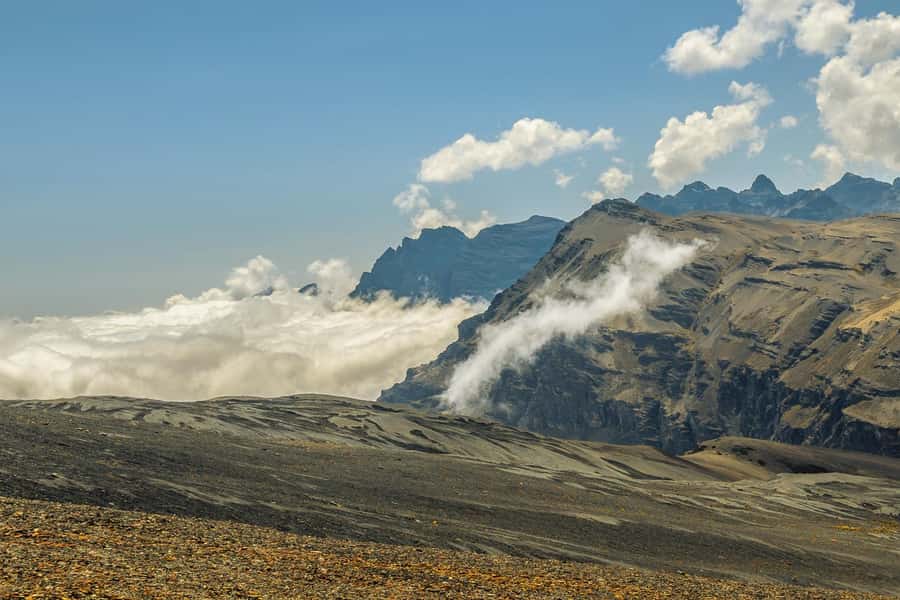
At the top, the mood is stark and open. Snow-covered peaks rise around the road, llamas and alpacas graze near the route, and small settlements appear far below. You are not yet on the most notorious part of Death Road. The first section gives you time to learn the bike, settle your nerves, and understand how the guide communicates with the group.
Gravity uses groups of no more than 14 people. Each group has one guide, one mechanic, and a private support vehicle. The guides have more than 20 years of experience riding this road, and the team includes English and Spanish speakers. Names you may hear on the day include Damien, Kenny, Noel, Ruben, Kenneth, and Abel.
More Mountain Bike Tours in the world:
- From Ubud: Downhill Bike Tour with Rice Terraces and Meal
★ 4.9 · 664 reviews - Waimea Canyon Downhill Bike Ride
★ 5.0 · 650 reviews - Ubud: Downhill Cycling with Volcano, Rice Terraces and Meal
★ 5.0 · 536 reviews
The first 32 kilometers: fast, open, and easier to read
The opening descent follows twisting asphalt through high mountain country. It is a quick change from the cold start, with sweeping views, grazing animals, and sharp bends. You will gain speed easily, so the early instruction about braking and cornering is not filler. Pay attention.
This section is also where you can decide how hard you want to ride. The trip is not meant to be a race. You can choose a comfortable pace, stop when asked, and use the support vehicle if you are tired, cold, wet, or simply ready for a break.
The guides stop for drinks, photographs, snacks, and rest. During those breaks, the mechanic checks tires, brakes, and other parts of the bikes. This is one of the strongest features of the tour. You are not left to discover a brake problem halfway down a rough track.
Two snacks and unlimited water are included. The crew also provides a buff, which you keep, and takes hundreds of photographs during the day. The photo service is useful because the road demands your attention. You can ride instead of trying to manage a phone while bouncing over rocks.
The support bus follows the group and can pick you up at any point. The guide can also put you on the bus if continuing would put you or someone else at risk. That is worth remembering: getting off the bike is not failure. It is a sensible option on a road where fatigue can affect judgment.
Entering the famous dirt road
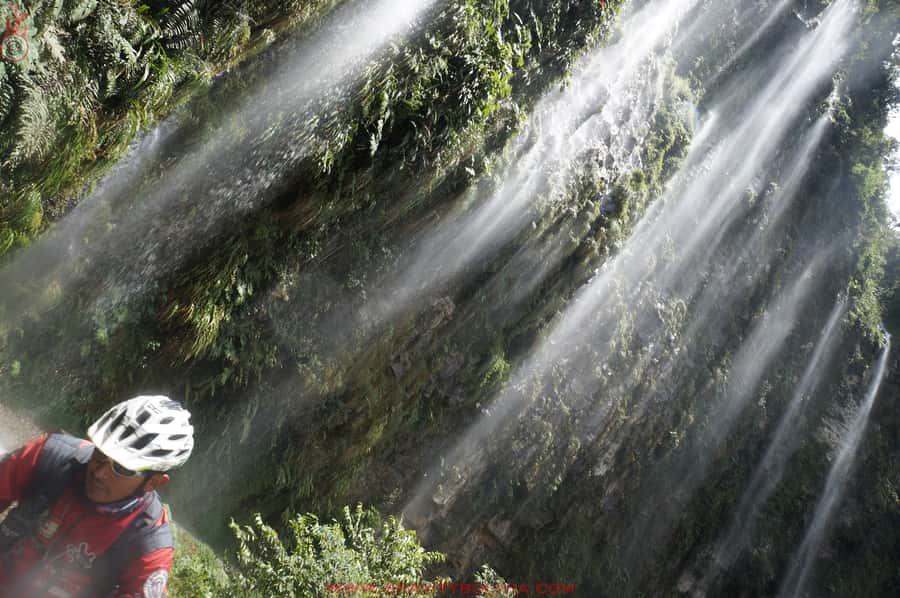
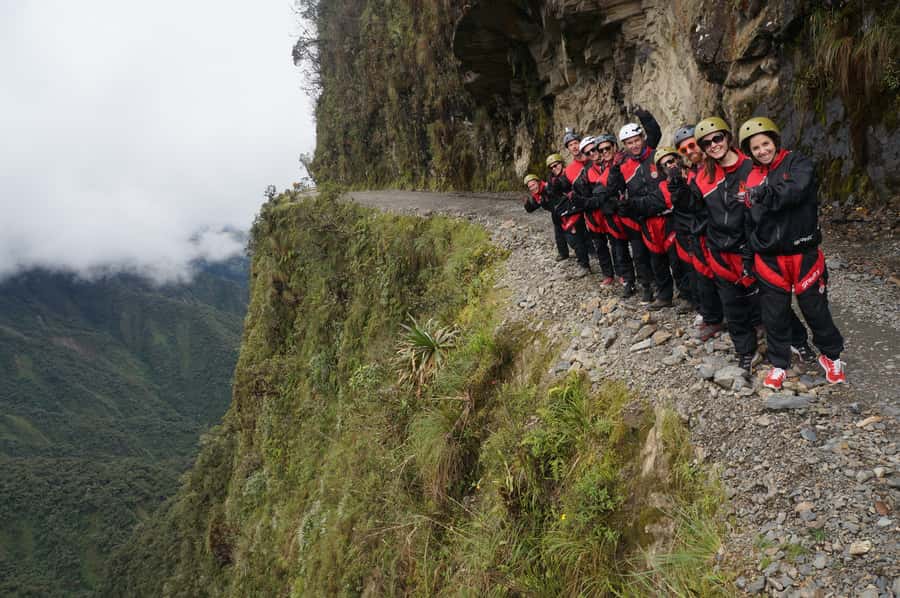
After the paved descent, there is a short undulating section before the ride reaches the part most people have come to Bolivia to see. Here, the route narrows and is cut into the side of the mountain. The surface is dirt and stone, the drops are dramatic, and mist or low cloud can reduce visibility.
This is the section that gives Death Road its reputation. You may ride through dust, damp air, and changing weather while the road falls about 2,000 meters toward the Yungas. The setting feels raw and exposed, but the guides break the route into manageable sections and explain what is ahead before you ride it.
The most useful advice is simple: control your speed. Several people find the ride exciting without pushing hard, while confident mountain bikers can move faster where conditions allow. You should leave space, follow instructions, and never treat another rider’s pace as a challenge.
The bikes help here. Full suspension takes some of the sting out of rough ground, while hydraulic disc brakes give you stronger braking control than basic rental bikes. That does not make the road safe by itself. It gives you better tools, provided you use them properly.
Gravity supplies a normal helmet or full-face helmet, jacket and trousers for cold or wet weather, elbow and knee pads, gloves, and the bike. Hiking shoes or sturdy footwear are sensible. You should also pack a complete change of clothes because the lower part of the ride becomes hot, dusty, and humid.
How safe does Death Road feel?
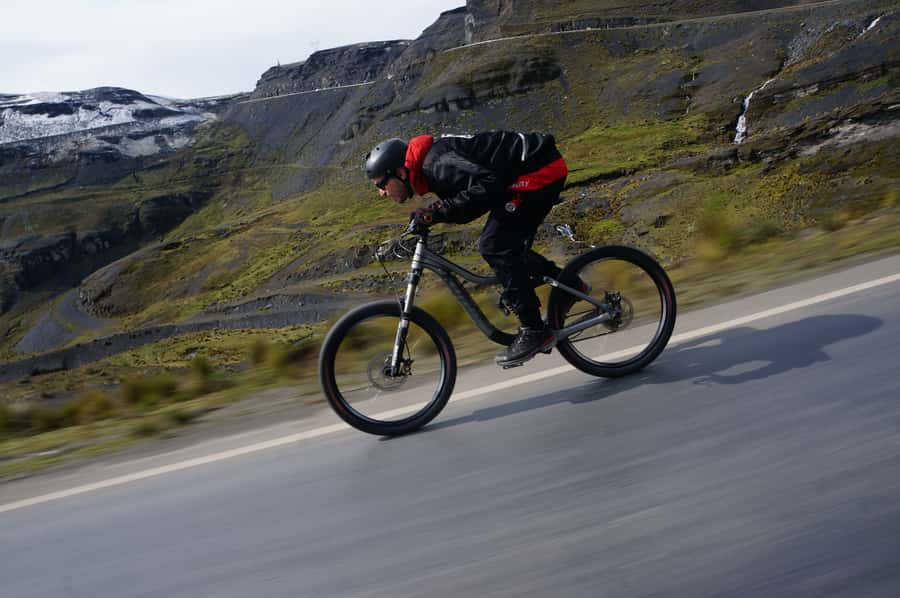
No operator can remove the risk from a steep mountain road. The fair question is how the risk is managed. Here, the arrangements are reassuring: trained guides, a mechanic on every tour, a private vehicle behind the riders, regular bike checks, protective equipment, and the option to board the bus.
The guide stays involved rather than simply pointing you downhill. At stops, you receive advice about the next section, road conditions, and what to watch for. The guide also checks how the group is coping. That personal attention is especially helpful if this is your first mountain bike tour.
Some participants have only limited mountain biking experience, and the guides provide coaching along the way. Still, you need to be able to ride a bike and handle a full day of physical activity. You do not need to be an expert downhill rider, but you should be honest about your comfort level.
Weather can change the character of the ride. Snow and rain are possible near the high start, while heat and dust build lower down. Cloud can hide some views, but wet conditions may also make the dirt road more demanding. Pack for both ends of the route, not just the warm finish.
A few more bike tours around the world worth a look
- Lion City Bike Tour of Singapore
★ 5.0 · 6,211 reviews - Big Bike tour Amsterdam – See all in 3 unforgettable hours
★ 4.7 · 4,929 reviews - 3-Hour Porto Highlights on a Electric Bike Guided Tour
★ 5.0 · 4,392 reviews - Ninh Binh Full-Day Tour from Hanoi to Hoa Lu, Tam Coc & Mua Cave Via Boat & Bike
★ 5.0 · 4,384 reviews
Reaching Yolosa hot, dusty, and pleased
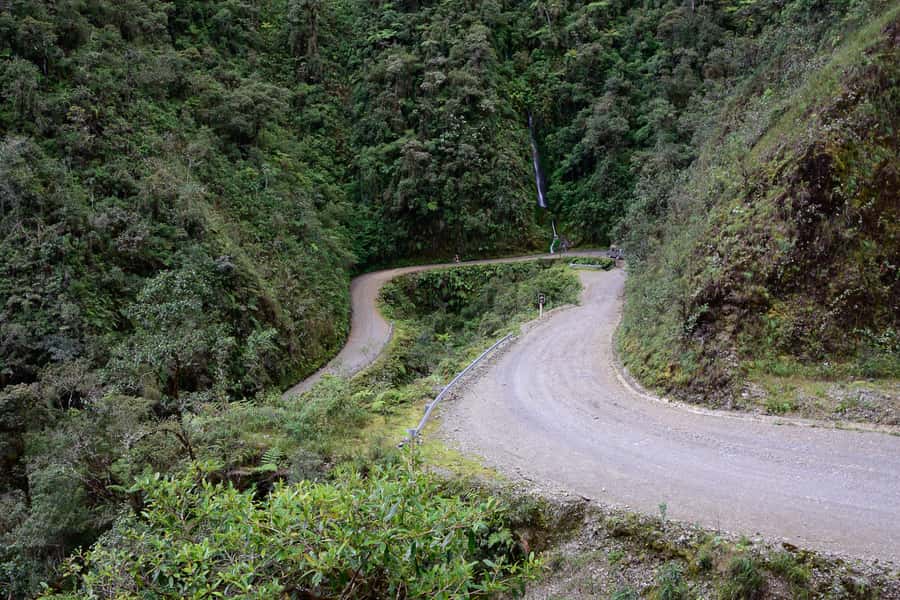
The route ends at Yolosa, roughly 3,500 meters below the starting point. By then, your clothes may be dusty, your hands may feel tired, and your body will know it has spent hours on a bike. That is part of the satisfaction. The ride offers a clear beginning, a difficult middle, and a proper finish.
The support team does not simply leave you at the bottom. You head to La Senda Verde Animal Refuge for food and time to recover. A buffet lunch is included, along with water and, according to the experience details, a beer at the finish. Hot showers, towels, and shampoo have also been available, which is a welcome touch after the dirt road.
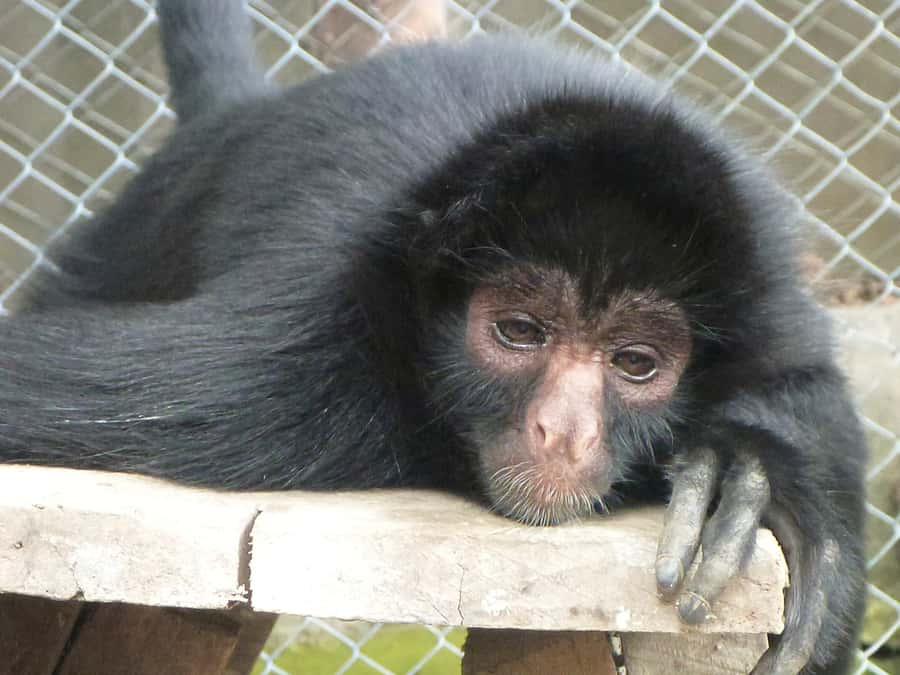
The refuge houses animals rescued from the black market and illegal pet trade. You may see hundreds of monkeys, birds, capybaras, and an Andean spectacled bear. The animals give the end of the day a different tone. You have had your adrenaline, and now you can see where part of your entrance fee helps support a working rescue center.
The refuge is not a quick photo stop. It adds time to the day, and some riders would rather return to La Paz sooner. I think it improves the trip, especially if you care about responsible tourism, but you should know that it makes the day longer.
What the $145 price really covers
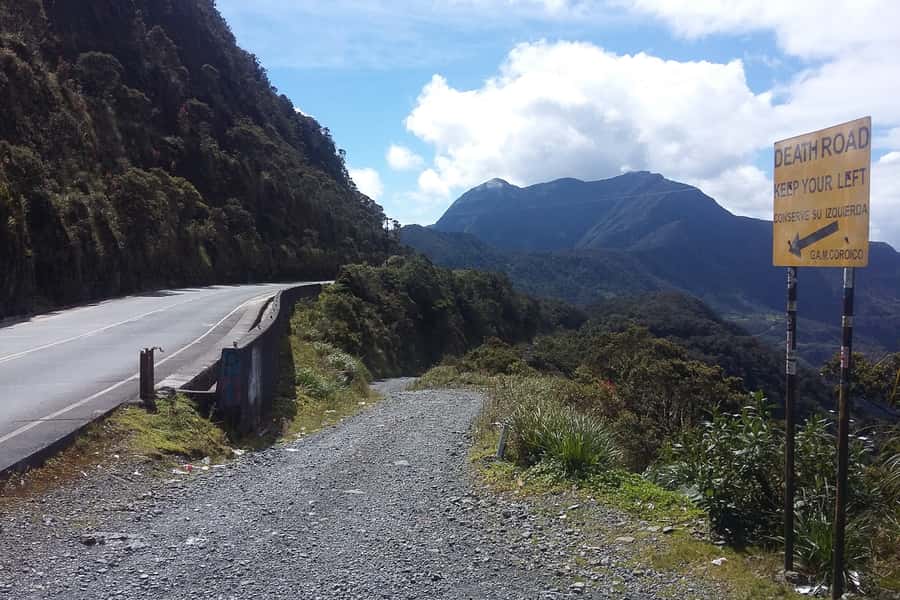
At $145, this is one of the pricier Death Road options. You are paying for more than a bike and a ride down the mountain. The price includes La Paz transport, breakfast, lunch, snacks, unlimited water, protective clothing, pads, gloves, helmets, a full-suspension bike, the mechanic, the support vehicle, the guide, the refuge entrance, and photos.
That list changes the value calculation. A cheaper tour may look tempting, but bike condition and staff support matter more here than they would on a gentle cycle path. If a brake, tire, or suspension issue appears, a mechanic and vehicle can make the difference between a small interruption and a miserable day.
The photo package is another practical saving. You receive many images from the day rather than having to risk your phone on the trail or pay a photographer separately. You also keep the buff, and some departures have included a souvenir shirt or made an effort to deliver one later when the right size was not available.
You still need cash for the 50-boliviano road tax. A zipline is available for an extra charge, but it is not part of the main price. Bring money for that only if you want the add-on.
The long ride back to La Paz
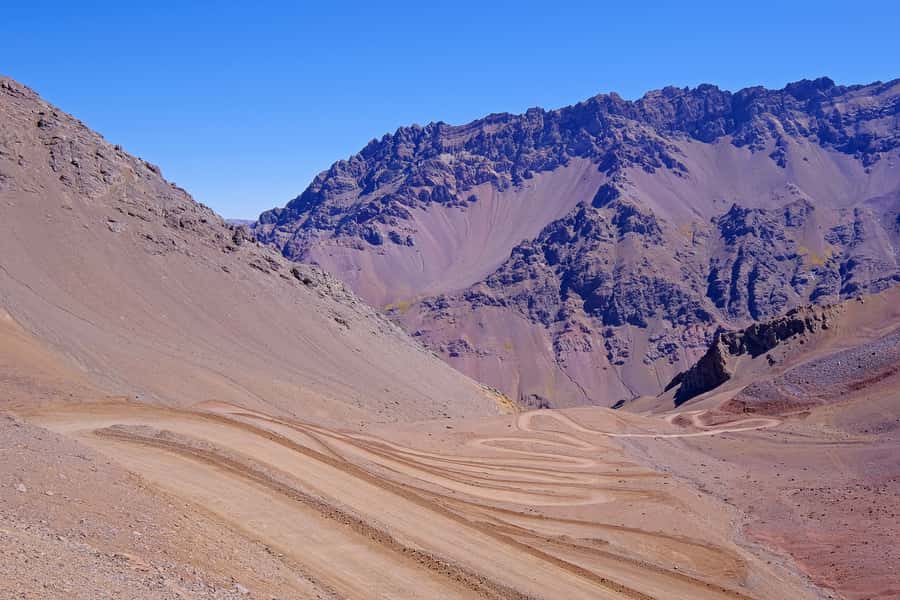
The return journey is easy to underestimate. After the sanctuary, the vehicle takes you back toward La Paz, and the drive can last about three hours. Some people find this a tiring end to an already full day, especially after lunch and a shower have made them ready for bed.
The upside is that transport is arranged from start to finish, with drop-off close to hotels reported on some departures. You do not need to solve the return journey yourself after riding 64 kilometers. The downside is that you should not schedule an evening flight, a late dinner reservation, or an early next-morning activity that requires a long night’s sleep.
A realistic plan is to treat this as your main activity for the day. The route, stops, food, animal refuge, and return transfer all take time. The payoff is a complete experience rather than a short downhill run.
Who should book this ride?
You should consider it if you want an active, dramatic day and can ride a bicycle confidently. It suits people who want scenery as much as speed, because the best parts include the high Andean start, changing vegetation, villages, cliff walls, mist, and the hot forest finish.
It also suits cautious riders. The staff support means you can go at your own pace, take breaks, and use the bus if needed. Several guides, including Damien, Noel, Kenny, and Ruben, are praised for clear instructions, humor, encouragement, and close attention to safety. That matters when nerves arrive at the edge of the dirt road.
It is not suitable for anyone who cannot ride a bike, has major mobility limits, uses a wheelchair, is pregnant, or is under 120 centimeters tall. You should also think twice if steep drops make you freeze, since no amount of equipment can make you enjoy a route that frightens you throughout.
Book it if the higher price fits your budget and you value strong equipment, a mechanic, photos, meals, and a carefully managed day. Skip it if you mainly want a cheap thrill, dislike long transfers, or prefer to avoid exposed mountain roads.
Practical packing advice
Bring warm layers for La Cumbre and clothes that can get wet or dirty later. A change of clothes is one of the most useful items in your daypack.
Sunglasses, sunscreen, insect repellent, and hiking shoes belong in your bag. The first protects you from high-altitude glare, the second from strong sun, and the third becomes useful as you reach the warmer Yungas.
Keep cash for the road tax and any zipline purchase. Carry your passport or identity card, but use a secure daypack and keep it light. The tour provides water, food, clothing layers, pads, gloves, helmets, and bikes, so you do not need to carry much equipment.
Should you book Gravity Bolivia?
I would book this tour if you want to ride Death Road but do not want to bargain away the basics that make the day safer and more comfortable. The bikes, mechanic, frequent checks, support vehicle, trained guides, food, photos, and animal refuge justify much of the extra cost.
The key tradeoff is time and money. You pay $145 plus the road tax, then spend a full day riding and several more hours returning to La Paz. In exchange, you get a well-supported route with room to slow down, change clothes, rest, and leave the bike if necessary.
For a first Death Road experience, Gravity Bolivia is a sensible pick. Go in ready for real physical effort, changing weather, and a long return. If you do, the day can deliver the rare combination of mountain scenery, controlled adrenaline, and a worthwhile final stop at La Senda Verde.
FAQ
How long is the Death Road bike tour?
It lasts one day. The cycling route covers about 64 kilometers, followed by a visit to La Senda Verde Animal Refuge and the return journey to La Paz.
How much does the tour cost?
The listed price is $145 per person. A 50-boliviano road tax is not included.
Where does the tour meet?
Meet outside Café del Mundo in La Paz.
What languages are available?
The tour is available in English and Spanish.
How large is the group?
The group is limited to 14 participants.
What equipment is included?
You receive a full-suspension downhill mountain bike with hydraulic disc brakes, a normal or full-face helmet, cold and wet weather clothing, elbow and knee pads, and gloves.
Is food included?
Yes. Breakfast at the start, two snacks during the ride, unlimited water, and a box lunch at La Senda Verde Animal Refuge are included.
Can I stop riding during the route?
Yes. The bus follows the group and you can get on it at any point. The guide may also place you on the bus for your safety or the safety of the group.
Is the zipline included?
No. The zipline is an optional extra that you can purchase on the day.
What should I bring?
Bring your passport or identity card, warm and weather-appropriate clothing, sunglasses, a change of clothes, hiking shoes, sunscreen, insect repellent, cash, and a daypack.
Can I cancel the booking?
You can cancel up to 24 hours in advance for a full refund. The reserve-now, pay-later option is also available.
Just added around the world
- Barcelona: Bike Rental for 2 – 24 Hours★ 4.7 · 33 reviews
- Barcelona: 3-Hour Bike Tour with Spanish Tapas★ 4.9 · 14 reviews
- Barcelona: 4-Hour Off-the-Beaten-Track Small Group Bike Tour★ 4.8 · 63 reviews
- Barcelona: Private 5 Neighborhoods Tour by Electric Bike★ 4.9 · 17 reviews
- Barcelona: 4-Hour E-Bike Photography Tour★ 4.8 · 36 reviews
- Barcelona: 3.5-Hour Street Art Tour by Bamboo Bike★ 5.0 · 56 reviews
- Thai culture and Bangkok local life guided bike tour★ 4.9 · 32 reviews
- Barcelona Beach 3-Hour Bike Tour★ 4.8 · 65 reviews
Mountain Bike Tours, compared.
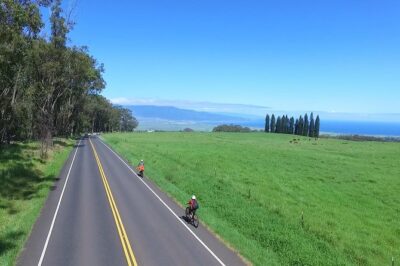
Best Haleakala Downhill Self-Guided Bike Tour with Maui Sunriders
Read our review →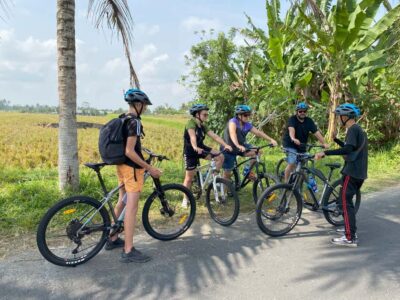
Downhill Bike Tour with Rice Fields, Volcano and Meal
Read our review →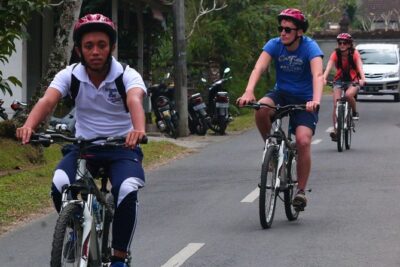
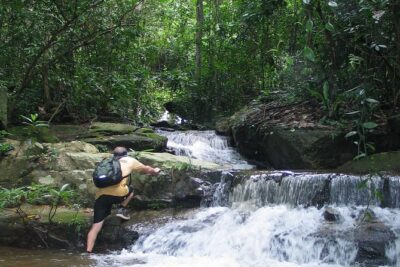
Chiang mai Hike & Downhill Bike Adventure –Suthep National Park
Read our review →
Downhill Cycling with Volcano, Rice Terraces, and Meal
Read our review →
Guided Mountain Bike Tour of Mustang Trail in Red Rock Canyon
Read our review →Browse the lists this tour appears in