
REVIEW · SOUTH AFRICA
Soweto: Guided Bicycle Tour with Lunch
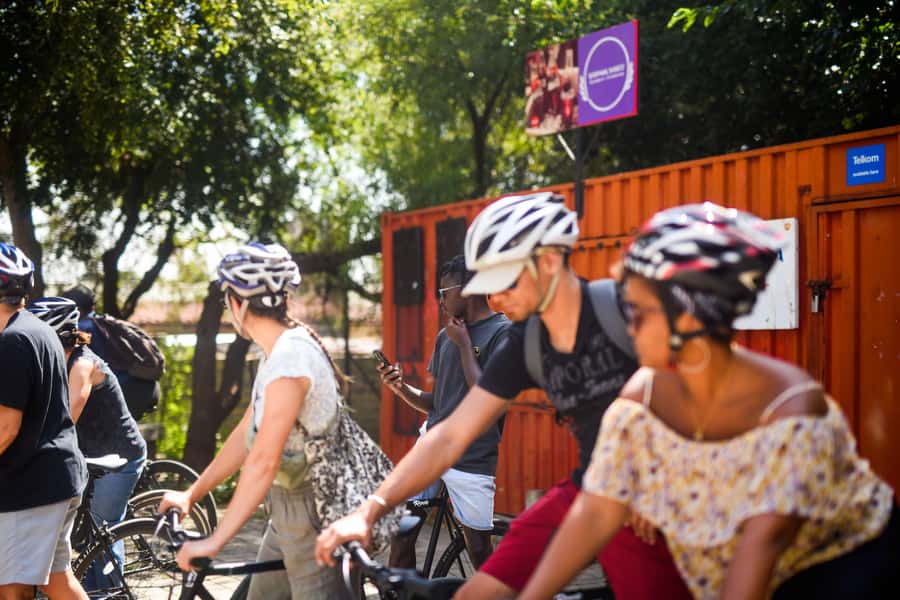
Soweto’s story comes into sharper focus when you move through it at bicycle speed. This four-hour ride links Hector Pietersen Museum, Mandela House, and Tutu House with ordinary streets, community spaces, hostels, and neighborhoods that are easy to miss from a car. I like the route because it covers a lot of ground without feeling like a bus tour, and I like the local guides, especially Thabo and Themba, who explain both the apartheid years and present-day Soweto in clear, personal terms. The main catch is physical: the ride covers about 11 kilometers and includes uphill stretches.
You’ll also get a local lunch, usually a kota, a South African sandwich packed with fillings. That adds real value to the $52 price, which includes the bicycle, guide, food, and drinks. Bring sunscreen, rain gear, and cash, and expect an active outing rather than a slow sightseeing walk.
Key points to know before you book
- Hector Pietersen Museum puts Soweto’s 1976 uprising in context: This is the tour’s most important historical stop, with time to walk, listen, and ask questions.
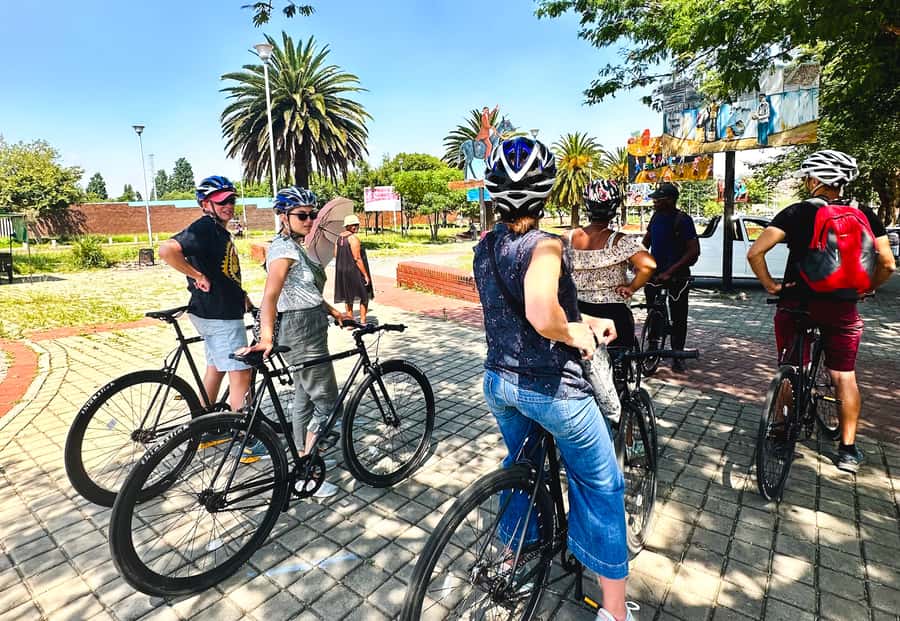
- The bicycle route covers several sides of Soweto: You pass through Orlando West, Orlando East, Mzimhlophe, community areas, and streets near Orlando Stadium.
- Vilakazi Street links two Nobel Peace Prize figures: Mandela House and Tutu House sit on the same famous street.
- The guides are a major part of the experience: Thabo, Teboho, Themba, and other local guides are praised for clear storytelling, humor, and careful cycling support.
- Lunch is a kota, not a formal restaurant meal: It is filling, local, and part of the township experience.
- You need basic cycling fitness: Most people find the ride manageable, but hills, altitude, and bikes without gears can make it harder than expected.
Why a bicycle gives you a better feel for Soweto
Soweto is too large to understand from one landmark. A quick stop at Mandela House can tell you where Nelson Mandela lived, but it cannot show you the broader mix of neighborhoods, stadiums, hostels, streets, and community facilities that make up this part of Gauteng.
The bicycle helps bridge that gap. You travel slowly enough to hear the guide, stop often, and notice how the surroundings change. You also cover more ground than you would on foot. The route is not built only around famous political sites. It includes everyday parts of Soweto, which gives the tour a wider frame.
I like this balance. You get the major names, but the experience is not reduced to a checklist of museum doors and photo stops. The guide explains how Soweto was created in 1904 and how different neighborhoods developed. You can ask about the past, but also about how people live in the area now.
The ride is often described as about 11 kilometers. That is not a serious cycling challenge for a fit rider, but it is enough to matter. You will encounter uphill sections, and altitude can make the effort feel greater than the distance suggests. Some bicycles do not have gears, so riders who dislike hills should take that seriously.
More Bike Tours with Lunch in the world:
- Versailles Full Day Bike Tour with Palace, Gardens, & Picnic
★ 5.0 · 2,217 reviews - Electric Cycling Tour of Ubud with Free Hotel Transfer and Lunch
★ 5.0 · 1,397 reviews - Bangkok: Bike and Canal Boat Tour with Lunch
★ 4.9 · 1,350 reviews
Starting at Vilakazi Espresso
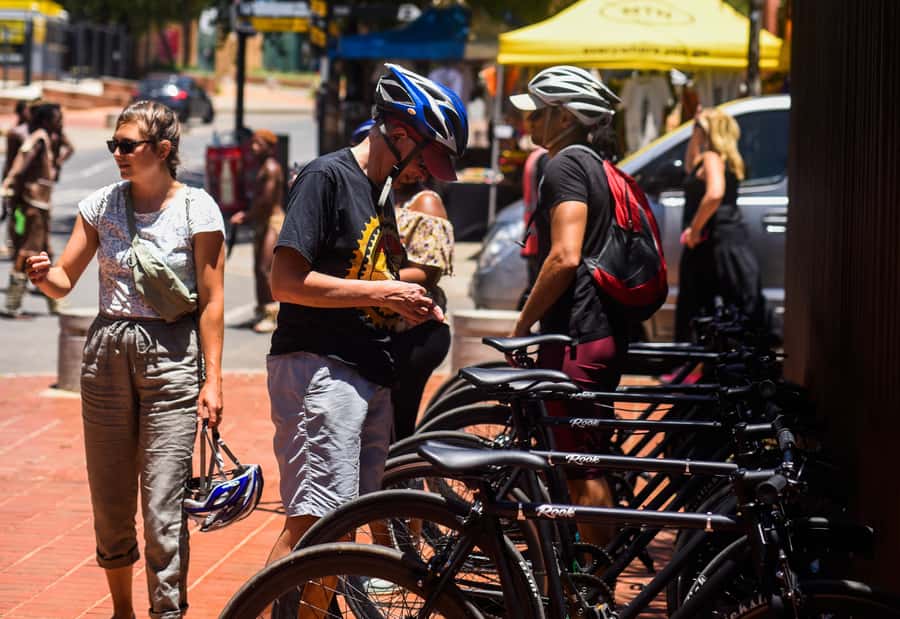
The meeting point is Vilakazi Espresso, on or near the well-known Vilakazi Street area in Orlando West. This is a practical starting point because you are already close to some of Soweto’s best-known political landmarks.
You receive a bicycle and meet your English-speaking guide before setting off. Guides have included Thabo, Teboho, and Themba, with Thabo receiving especially warm praise for his humor, clear explanations, local knowledge, and attention to safety. Themba has also been singled out for helping riders get comfortable with the bikes and handling a flat tire quickly.
The first few minutes matter. Use them to check the seat height, brakes, and general comfort. If you are not used to riding in a group, ask how the route works before leaving. The guide adjusts the pace for different fitness levels, but you should still be honest about your cycling ability.
This is not suitable for people who cannot ride a bicycle, pregnant women, or wheelchair users. If you have some cycling experience but are unsure about hills, the tour may still work, though you should expect exercise rather than a purely relaxed ride.
Mzimhlophe and the women’s hostel
One early section takes you toward Mzimhlophe. The route includes a stop near Mzimhlophe Internet Cafe and a visit to the Mzimhlophe Women’s Hostel.
These stops help widen the story beyond famous men and famous houses. You hear about the structure of township life and the role of women in communities shaped by apartheid-era policies. The guide provides the context, so this part is best treated as a listening and question-asking stop rather than a major museum visit.
You may also visit an informal settlement with a local guide during the tour. This can be a meaningful part of the experience because it brings you closer to present-day life, but you should approach it with care and respect. Do not treat people’s homes as scenery or photograph anyone without permission.
A gratuity of R20 to R50, or more if you wish, may be appropriate during or after this visit. Carry some South African rand for that purpose, as well as for any personal purchases.
Mama Lilian Ngoyi’s house and the political story
The route continues to Mama Lilian Ngoyi’s house. Lilian Ngoyi was an anti-apartheid activist, and her home gives the guide another way to explain the political networks that challenged the regime.
I value stops like this because they prevent the tour from becoming only a Nelson Mandela story. Mandela is central to South Africa’s public memory, but the struggle against apartheid involved many people, including women such as Ngoyi. Your guide can connect these figures to the wider resistance movement and explain why Soweto became such an important center of political action.
The stop is short, so you should not expect a long formal museum visit at every location. Much of the value comes from the guide’s narration and your ability to ask questions while standing in the places being discussed.
More Tours with Lunch in the world:
- Cat Ba: Lan Ha, HaLong bay full day- biking, kayaking, lunch
★ 4.8 · 1,166 reviews - Electric Bike Beach Adventure with Tequila Tasting and Lunch
★ 5.0 · 1,162 reviews - Bike Tour Exploring North Kyoto plus Lunch
★ 5.0 · 1,087 reviews - Appian Way Aqueducts Bike Tour (Catacombs & Lunch Option)
★ 5.0 · 975 reviews
Hector Pietersen Museum and the 1976 uprising
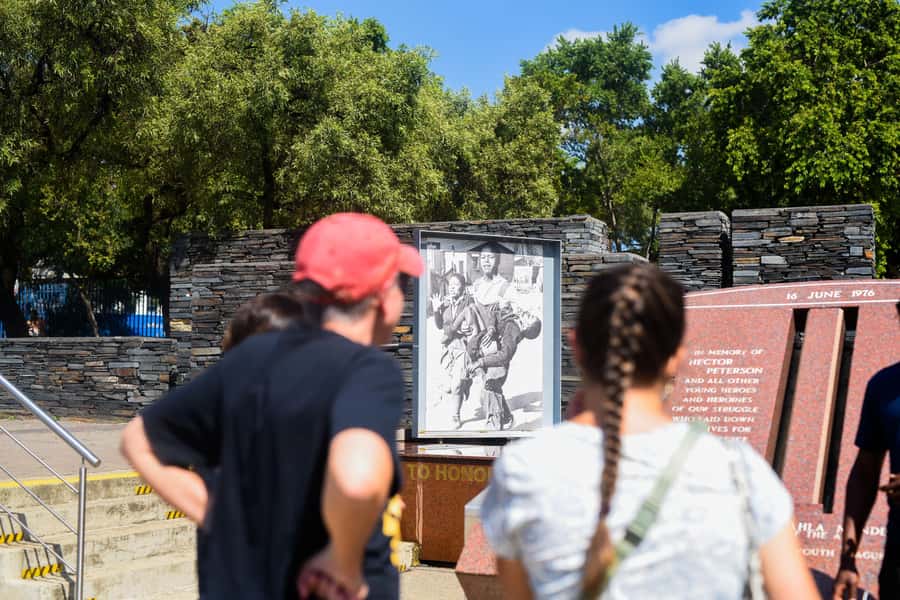
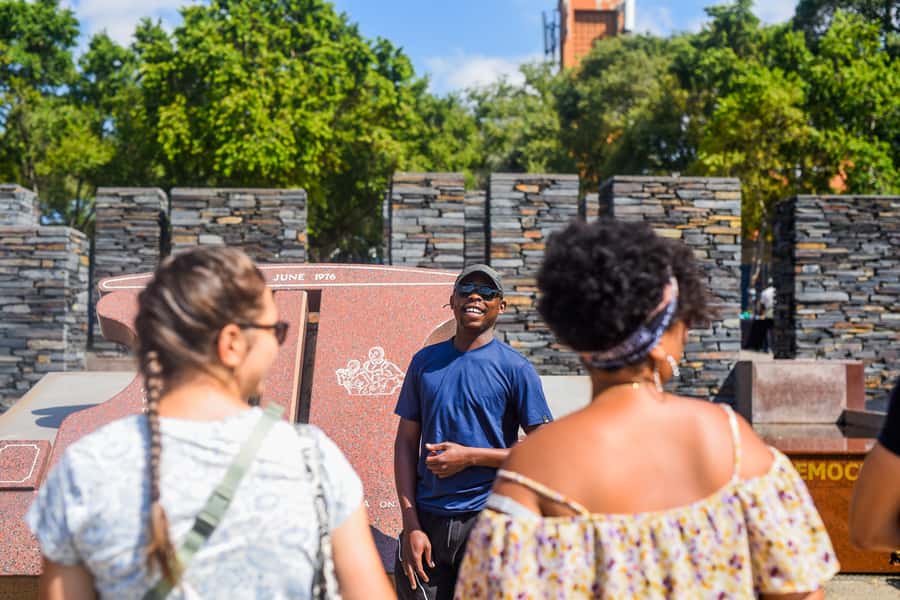
The most serious stop is Hector Pietersen Museum and Memorial. You receive around 20 minutes here for a visit, guided explanation, walking, and photographs, though the pace can vary.
The museum and nearby memorial focus on the Soweto uprising of June 16, 1976. School students protesting against the compulsory use of Afrikaans in education were met with police violence, and the death of Hector Pieterson became an international symbol of the brutality of apartheid.
This is not a light sightseeing stop. Give it your full attention. The guide explains what happened and why the uprising became a turning point. The memorial area also offers a chance to pause and think about how a local protest became part of the global campaign against apartheid.
The tour does not leave you to piece the history together alone. Guides such as Thabo are praised for making difficult subjects understandable without turning the talk into a dry lecture. You can ask about the uprising, the people involved, and how it is remembered today.
Orlando East, Orlando Stadium, and the community center
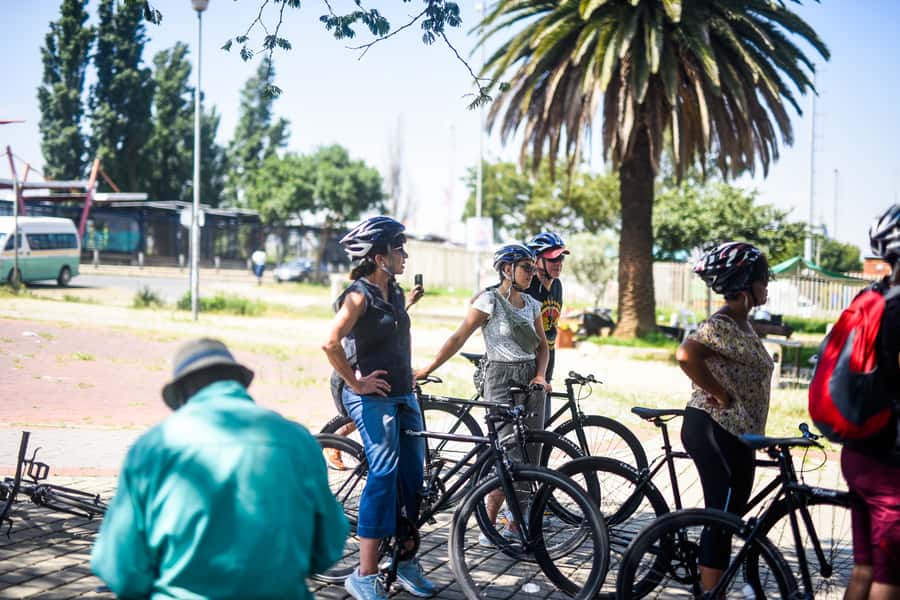
After Hector Pietersen, the bicycle route moves through Orlando East, past Orlando Stadium, and toward Orlando Community Centre. These are shorter stops, usually around five to ten minutes each, but they add useful local detail.
Orlando Stadium is a familiar Soweto landmark and an important sports venue. Passing it by bicycle gives you a sense of scale and location that a brief drive-by does not. The Orlando Community Centre helps show how public facilities fit into daily township life.
This stretch is also where the active nature of the tour becomes most obvious. You are not simply moving between air-conditioned stops. You are riding through the area, climbing some slopes, and getting a physical sense of the distance between neighborhoods.
The guide leads the group and watches the traffic and pace. Several guides are praised for helping riders feel safe, including small groups of women and mixed-age groups with parents in their 60s and 70s. Still, safety is a shared responsibility. Follow the guide’s instructions, stay with the group, and wear suitable clothing for cycling.
Vilakazi Street, Mandela House, and Tutu House
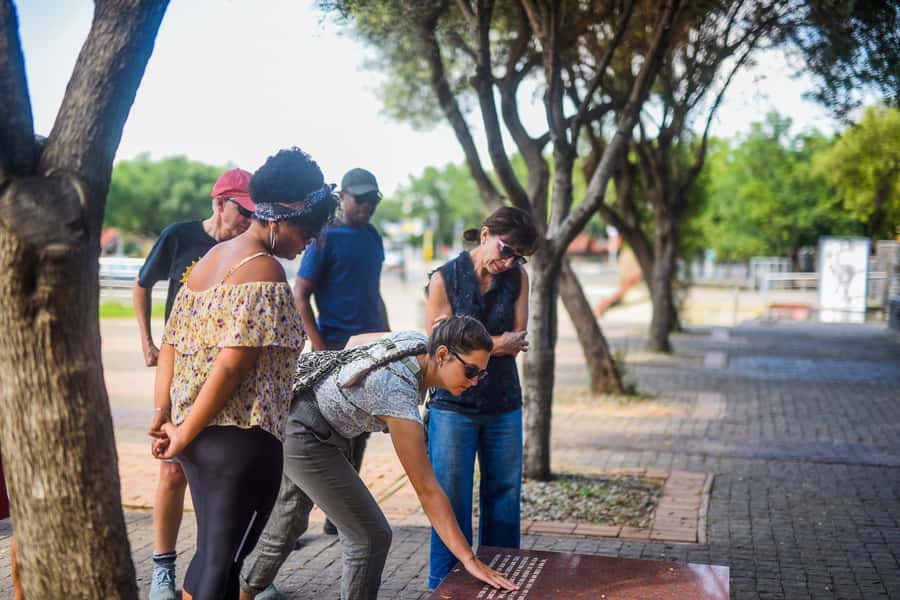
Vilakazi Street is the star section of the route. It is famous for being associated with two Nobel Peace Prize winners, Nelson Mandela and Archbishop Desmond Tutu.
At Mandela House, you learn about the period when Mandela lived there, from 1946 to 1962. The house connects the global figure to an ordinary residential street and to the years when his political work was intensifying. The visit is brief, around 15 minutes, so expect a focused stop rather than a long museum session.
Tutu House is passed on the same street. Archbishop Desmond Tutu and his family once lived there, and the guide explains his contribution to the fight against apartheid. Having both homes on one street is a striking detail, and it gives Vilakazi Street unusual historical weight.
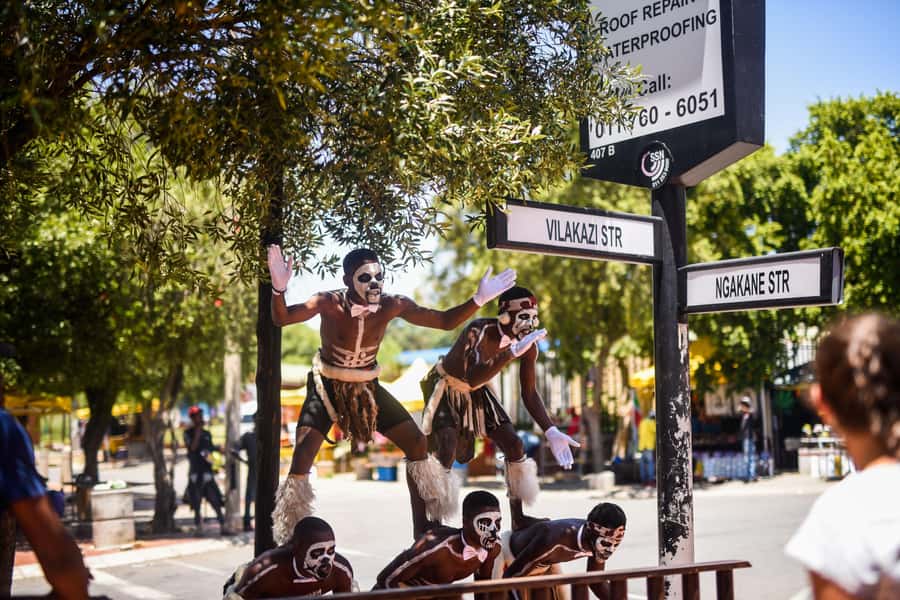
The route may also include a traditional dance show at Mandela House. Since the activity schedule lists this as part of the stop, ask your guide how it will fit into the day when you arrive. The program may vary with timing and local conditions.
Vilakazi Street can feel more visitor-oriented than other parts of the ride. That is not a flaw, but it is worth knowing. The street is the best place for major landmarks and photographs, while the earlier cycling sections offer a broader look at daily life.
Kota lunch on Vilakazi Street
The lunch stop lasts about 25 minutes and includes food tasting on Vilakazi Street. You can expect a kota, a popular South African township sandwich. It is filling, informal, and much more local in character than a standard tour lunch.
The meal is included along with drinks, which helps justify the $52 cost. Food alone is not the reason to book the tour, but it completes the experience nicely. You get a chance to sit down, rest your legs, and talk with the guide while trying something associated with township food culture.
Do not expect a long restaurant meal. Twenty-five minutes is enough for a substantial break, but the schedule keeps moving. If you have dietary restrictions, ask about the food before booking or at the start of the tour. The provided details do not specify vegetarian, vegan, halal, or allergy options.
What the $52 price gets you
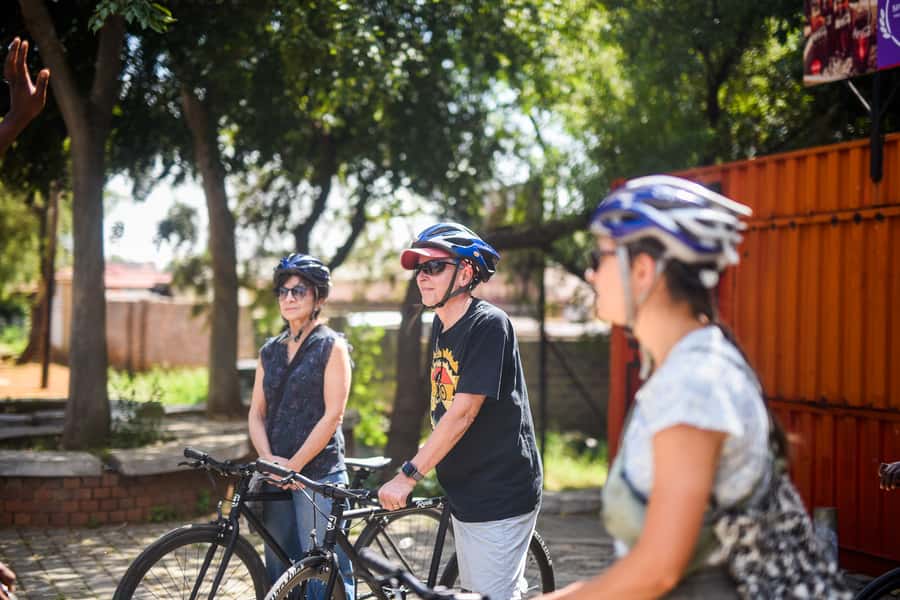
At $52 per person, this is good value if you want history, local context, exercise, and food in one half-day activity. You receive the bicycle, an English-speaking guide, food, and drinks. You also avoid the need to arrange separate visits to Hector Pietersen Museum, Mandela House, and the other stops.
The strongest part of the value is the guide. A bicycle rental alone would not tell you why Mzimhlophe matters, how the 1976 uprising changed South Africa, or what role Tutu played in the anti-apartheid movement. The local guide turns a ride into a connected story.
Hotel pickup and drop-off are not included. You must make your own way to Vilakazi Espresso, so add transport time and cost when comparing this tour with options that collect you from your accommodation.
The activity also offers free cancellation up to 24 hours in advance and a reserve-now, pay-later option. Those policies are useful if your Johannesburg plans are still shifting, but the practical details of getting to the meeting point remain your responsibility.
Who should book this bicycle tour?
I would choose this outing if you want to see more of Soweto than the best-known houses. It suits visitors who enjoy asking questions, learning through conversation, and doing some exercise between historical stops.
It is also a good fit for:
- First-time visitors to Soweto who want an organized introduction
- Riders who can manage roughly 11 kilometers and some hills
- People interested in apartheid history and present-day township life
- Small groups, couples, solo riders, and families with fit older children
- Visitors who prefer local food and community contact to a standard sightseeing bus
I would think twice if you want a slow, fully vehicle-based tour, have trouble riding uphill, or need wheelchair access. Riders who prefer gears may also find the bicycles less comfortable on climbs. One practical improvement would be carrying your own water, since a past participant specifically wished for a bottle of water. Sunscreen and rain gear are wise, since the tour runs outdoors.
Should you book the Soweto bicycle tour?
Yes, if you want an active and respectful introduction to Soweto and can handle the hills. The route gives you far more than a quick photo at Mandela House, linking major political sites with neighborhoods, public spaces, and local food.
The guide makes the difference. If you are paired with Thabo, Teboho, or Themba, expect clear historical explanations, humor, and help with the cycling. You should still book with realistic expectations: this is a four-hour ride, not a gentle stroll, and some stops are brief.
For $52, the combination of bicycle, guide, historical sites, and kota lunch is strong. Bring sunscreen, rain gear, water if you prefer to carry your own, and cash for a possible informal-settlement gratuity. If that sounds like your kind of half-day, this is one of the better ways to see several sides of Soweto in one outing.
FAQ
Where does the Soweto bicycle tour start?
The meeting point is Vilakazi Espresso.
How long does the tour last?
The tour lasts four hours.
What language is the tour conducted in?
The live tour guide speaks English.
What is included in the price?
The price includes a bicycle, a local guide, food, and drinks.
Is hotel pickup included?
No. Hotel pickup and drop-off are not included, so you need to arrange your own transport to and from Vilakazi Espresso.
What food is served?
Lunch is a kota, a South African township sandwich. The lunch stop takes place on Vilakazi Street.
Is the tour suitable for people who cannot ride a bicycle?
No. The activity is not suitable for people who cannot ride a bicycle. It is also not suitable for pregnant women or wheelchair users.
Just added around the world
- Barcelona: Bike Rental for 2 – 24 Hours★ 4.7 · 33 reviews
- Barcelona: 3-Hour Bike Tour with Spanish Tapas★ 4.9 · 14 reviews
- Barcelona: 4-Hour Off-the-Beaten-Track Small Group Bike Tour★ 4.8 · 63 reviews
- Barcelona: Private 5 Neighborhoods Tour by Electric Bike★ 4.9 · 17 reviews
- Barcelona: 4-Hour E-Bike Photography Tour★ 4.8 · 36 reviews
- Barcelona: 3.5-Hour Street Art Tour by Bamboo Bike★ 5.0 · 56 reviews
- Thai culture and Bangkok local life guided bike tour★ 4.9 · 32 reviews
- Barcelona Beach 3-Hour Bike Tour★ 4.8 · 65 reviews
South Africa Bike Tours, compared.

Guided eBike Tour with Signal Hill and Clifton …
Read our review →
Franschhoek: E-bike Tour with Wine Tasting and Lunch
Read our review →Browse the lists this tour appears in