REVIEW · TOURS
Express Bamboo Bike Tour inside Intramuros
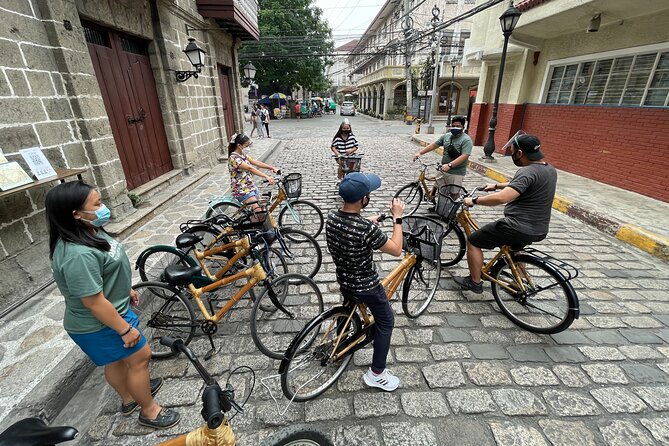
Intramuros is best understood at street level, and this bamboo bike tour gives you a quick, active way to see its old walls, gates, churches, and wartime reminders. You ride from Bambike’s Casa Manila base with a local guide, stopping often for short stories rather than simply circling the neighborhood.
I like the personal bike fitting and small-group format, with a maximum of 15 people. I also like the thoughtful extras: helmets, sunscreen or rain ponchos when needed, drinking water, mosquito repellent, and a cool towel with non-dairy ice cream mentioned after one outing. The main drawback is pace: this is an express look at Intramuros, so you will not have much time at every sight.
Key points to know before booking
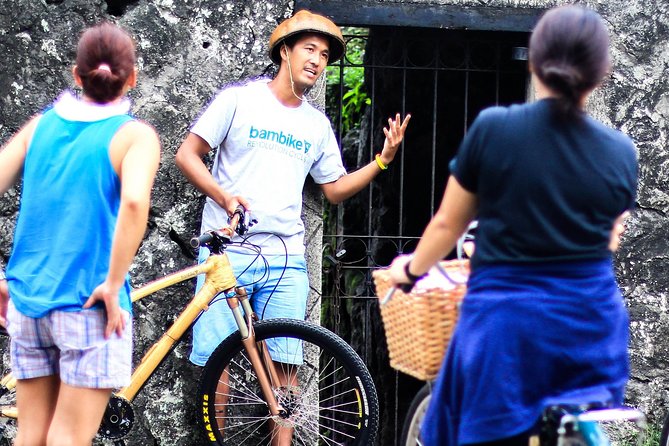
- Bamboo bikes are chosen for your comfort: You select your bicycle at Bambike HQ after completing a waiver, then receive a helmet before setting out.
- The route covers major Intramuros landmarks: Casa Manila, the Japanese Cannon, Puerta Real Gardens, Puerta del Parian, Aduana Building, Plaza Roma, and Manila Cathedral all feature.
- Guides make a real difference: Anj is described as friendly and informative, while Josh uses jokes and trivia to explain Philippine history.
- It is short but active: Plan on about two hours overall, with riding between stops and several brief visits.
- Weather matters: The tour operates in all weather conditions, though poor weather can lead to a new date or full refund.
- The price is reasonable for a guided introduction: At $22.40 per person, the bike, helmet, guide, and small-group attention are included.
Why a bamboo bike works well in Intramuros
Intramuros is a compact district, but its sights are spread across streets, plazas, gates, and church grounds. Walking is possible, yet Manila’s heat can make even a short route feel long. A bicycle lets you cover more ground while keeping the outing active.
The bamboo frame gives the ride a clear local identity. You are not simply being driven past the walls in a vehicle. You pedal through the district, stop beside historic structures, and hear the guide explain what happened there. The workout is mild to moderate rather than an athletic challenge, but you should still expect to ride for much of the tour.
At the start, you fill out a waiver and choose a bike according to your preference. That small step matters. A comfortable bicycle makes the two-hour outing much more pleasant, especially if you are not used to cycling in warm weather. A helmet is included, and the tour provider supplies sunscreen or rain ponchos when needed.
The group limit is 15 people. That is not a private tour, but it is small enough for a guide to keep an eye on the group and answer questions. If you prefer a quiet, individual visit to each site, this will feel structured. If you want a social outing with an escort and a clear route, the format works well.
A few more bike tours around the world worth a look
- Lion City Bike Tour of Singapore
★ 5.0 · 6,211 reviews - Big Bike tour Amsterdam – See all in 3 unforgettable hours
★ 4.7 · 4,929 reviews - 3-Hour Porto Highlights on a Electric Bike Guided Tour
★ 5.0 · 4,392 reviews
Starting at Casa Manila
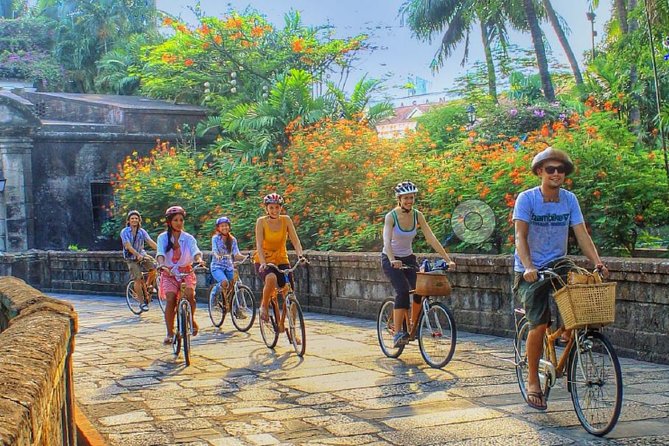
The tour begins at Bambike Ecotours Intramuros, at Real Street in the Casa Manila area. The first 10 minutes are used for waivers, bike selection, and preparation.
Casa Manila itself is part of the early sightseeing. The building is a copy of a traditional house influenced by Spanish Colonial Period architecture. It gives you a visual introduction to the type of domestic setting connected with the colonial era before the route moves toward gates, roads, and public spaces.
This opening stop is short, so do not expect a long museum visit. Its value is in giving you a reference point. You begin with architecture and daily life, then move toward military defense, trade, religion, and war.
The meeting point is near public transportation, and the activity ends back there. That makes it easier to fit into a day of exploring Manila. You are not left at a different part of the district trying to find your way back.
The Japanese Cannon and the cost of wartime history
Along Muralla, the bicycle pauses at a Japanese cannon. Here the guide explains the Japanese Occupation of the Philippines and the Second World War.
This stop gives the route a needed change of focus. Intramuros is often associated with Spanish colonial Manila, but its story does not end there. The cannon points you toward the more recent and painful parts of the city’s past.
You spend about 10 minutes here, so the stop is about context rather than a full military history lesson. Listen closely to the guide’s explanation, because this is the sort of place that can look like a simple roadside object if you pass it alone.
The bicycle is useful at this point. You can move from colonial architecture to a wartime reminder without spending much of your limited time walking between distant sites.
Puerta Real Gardens and the city behind the walls
Puerta Real Gardens takes about 15 minutes and introduces one of Intramuros’s main gates. The guide also explains the defensive plan beyond the walls, helping you see the district as a fortified settlement rather than a collection of old buildings.
This is one of the better stops for understanding how the area worked. Gates were practical points of entry and control, while the walls shaped how people and goods moved. You get more from the site when you pay attention to its position and purpose, not just its appearance.
The garden setting may offer a gentler pause after cycling along the streets. Still, the visit is timed, so you should expect a guided explanation and a chance to look around, not an extended stroll.
Same city, a different ride:
- Ninh Binh Full-Day Tour from Hanoi to Hoa Lu, Tam Coc & Mua Cave Via Boat & Bike
★ 5.0 · 4,384 reviews - Small Group Guided Bike Tour of Amsterdam’s Hidden Gems
★ 5.0 · 3,936 reviews - 3-hour Complete Prague Bike Tour
★ 5.0 · 3,674 reviews - Party Bike Private Party Up To 14 People in Old Town Scottsdale
★ 5.0 · 3,541 reviews
Puerta del Parian and Chinese influence
At Puerta del Parian, the focus shifts to one of Intramuros’s main gates and public plazas. The guide discusses the importance of Chinese people and Chinese influence in Philippine history.
This stop is especially useful because it broadens the story beyond a simple Spanish-versus-Filipino account. Manila’s past also includes trade, migration, commerce, and cultural exchange. The gate becomes a starting point for that wider discussion.
You have about 15 minutes here. The amount of time is enough to hear the main explanation and take in the surroundings, but not enough for a long historical discussion. If this subject interests you, note down questions while the guide is speaking and ask them during the ride to the next stop.
Aduana Building and the working side of colonial Manila
The Aduana Building, also called the Intendencia, is a Spanish colonial structure that housed government offices over the years. The planned stop is only about five minutes, making it one of the quicker viewing points.
That short timing tells you how this tour works. You see many landmarks, but the guide chooses one main idea for each. At Aduana, the idea is administration and the government machinery that operated inside Intramuros.
You may find this stop less immediately dramatic than a gate or cathedral. Its importance comes from the role it played, not from a long visit. If you like architecture and civic history, keep it in view as you pass through the district.
Plaza Roma and the Manila Cathedral
Plaza Roma gets another brief stop of about five minutes. The guide explains the plaza’s history and the buildings around it, including Manila Cathedral.
The plaza helps connect several parts of Intramuros at once. It is a public space, a meeting point, and a setting for important religious and civic buildings. From here, the route turns toward the cathedral, which receives a longer 15-minute visit.
Manila Cathedral is described as the heart of Christianity in the Philippines. You will have time to see the church’s interior and hear about its fascinating history. The cathedral is likely to be one of the most memorable stops for visitors who want both architecture and religious history.
The 15-minute visit is still compact. You should not expect a full service, museum-style tour, or a long period for quiet reflection. It is best treated as a focused introduction within a larger route.
What the guides add to the ride
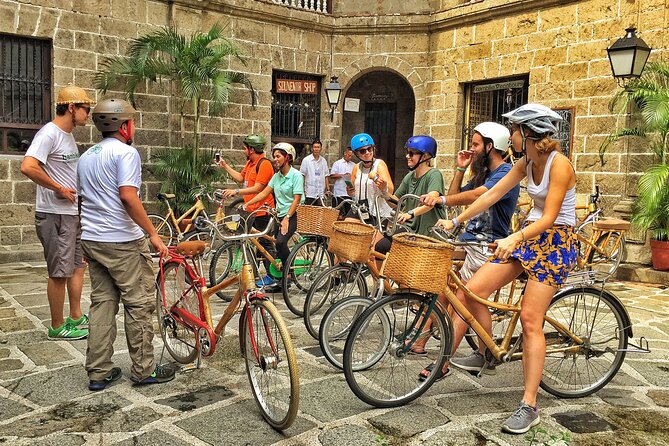
A good guide is important on a short tour, since the route has little time for wandering. Anj is described as friendly and informative, and Josh brings jokes and trivia into his explanation of Philippine history.
That style suits a bicycle ride. You are moving, stopping, and looking around in open streets, so a clear spoken story works better than a long formal lecture. Josh’s use of humor can make dates and events easier to remember, while Anj’s friendly approach may help the tour feel more personal.
The guide is also your practical point of contact. You can ask about the sights, the route, or the bike while the group moves between stops. With a maximum of 15 people, you have a fair chance of receiving attention without paying private-tour prices.
The tour includes an escort or host as well as a local guide. The supplied information does not promise a particular guide, so Anj or Josh may not lead your departure. Still, their names show the kind of presentation you can expect: informative, relaxed, and willing to use humor.
What is included for $22.40
At $22.40 per person, the price is fair for a short guided outing that includes equipment. You are paying for the bamboo bicycle, helmet, local guide, escort, and access to a planned route through several key places.
Sunscreen or rain ponchos are provided when needed. One account also describes drinking water, mosquito repellent, a cool towel, and non-dairy ice cream at the end. These details may not be guaranteed on every departure, but they show practical attention to comfort.
The price does not include food or drinks unless specifically stated, and alcoholic drinks are available to buy separately. Plan to eat before or after the ride rather than counting on a meal during it.
The value is strongest if you have only a short time in Manila or want a first orientation to Intramuros. If you already know the district well and want long visits inside every building, the express format may feel limited.
Timing, weather, and personal comfort
The overall duration is approximately two hours. The listed stops add up to about 90 minutes, with the remaining time used for preparation, cycling, and moving through the district. The promotional description also refers to an hour-long express ride, so the exact riding time may vary. Allow the full two hours rather than scheduling a tight connection afterward.
The activity runs in all weather conditions, and you should dress appropriately. Sunscreen is sensible even when the sky looks mild. Rain ponchos are supplied when needed, but comfortable clothing and footwear still matter.
The tour requires enough mobility to ride a bicycle and stop at several places. Most people can participate, and children must be accompanied by an adult. Service animals are allowed.
Because the route is outdoors and active, think about your own energy and Manila’s heat. The ride is not presented as a demanding sporting event, but it is more physical than a bus or walking commentary. If you want the easiest possible sightseeing day, this may not be your best choice.
Who should book this Intramuros ride
I would choose this tour if you have limited time and want an efficient introduction to Intramuros. It combines transport, sightseeing, and local explanation in one compact outing.
It also suits active couples, families with older children, and solo visitors who want company without booking a private guide. The small-group limit keeps the ride more personal than a large coach tour.
You should consider another format if your main goal is extended time inside museums, churches, or historic buildings. The route pauses at many places, but several stops last only five or 10 minutes. You will see more sites than you could comfortably cover on foot in the same period, yet you will not study each one at length.
The tour is also a good fit for people who like history presented with humor. Josh’s jokes and trivia show how the experience can make serious subjects easier to follow. If you prefer a formal academic lecture, the relaxed style may not suit you as well.
Booking and cancellation details
You receive confirmation at the time of booking, and the mobile ticket is convenient for keeping the details on your phone. The meeting point is Real Street in Intramuros, and the ride returns there.
Free cancellation is available up to 24 hours before the start time. Cancellations made within 24 hours are not refunded, and changes in that period are not accepted. If poor weather causes the operator to cancel, you can take another date or receive a full refund.
Those rules make it wise to check the weather and your Manila schedule before the final day. The tour is designed to operate outdoors, so weather can affect the plan.
Should you book the Bambike Express Tour?
Book it if you want a friendly, active introduction to Intramuros at a reasonable price. The bamboo bicycle, helmet, guide, historic gates, wartime stop, and Manila Cathedral give you a broad look at the district without taking up an entire day.
I especially like the combination of personal bike selection and a small group capped at 15 people. The practical extras, along with guides such as Anj and Josh, add comfort and character.
Skip it if you need long, quiet visits at each landmark or dislike cycling in warm, changeable weather. For everyone else, this is a smart way to cover the essentials, hear the story behind them, and get a little exercise along the way.
FAQ
How long does the Bambike Intramuros tour take?
The tour lasts approximately two hours. This includes bike preparation, cycling between stops, and visits to the listed sites.
What landmarks are visited?
The route includes Casa Manila, the Japanese Cannon, Puerta Real Gardens, Puerta del Parian, the Aduana Building, Plaza Roma, and Manila Cathedral.
Is the bamboo bicycle included?
Yes. The tour includes use of a bamboo bicycle, and you choose your bike at Bambike HQ according to your preference before the ride.
Is a helmet provided?
Yes. A helmet is included with the bicycle.
What happens if it rains?
The tour operates in all weather conditions, so you should dress appropriately. Sunscreen or rain ponchos are provided when needed. If the activity is canceled because of poor weather, you can receive a full refund or choose another date.
How many people can join the tour?
The group can have a maximum of 15 people.
Can children join the tour?
Yes, but children must be accompanied by an adult. Most people can participate, and service animals are allowed.
Just added around the world
- Napier: Cycle to Wineries – Half Day, self-guided★ 4.0 · 12 reviews
- Napier Bike Hire★ 5.0 · 40 reviews
- Guided Bike Tour – Downtown Naples Florida★ 4.5 · 22 reviews
- Independent Hassle-free Bike Rental in Sonoma★ 5.0 · 62 reviews
- Healdsburg Cycling Wine Tour★ 4.5 · 14 reviews
- Full-Day Electric Bike Rental★ 5.0 · 38 reviews
- Sonoma Valley Pedal Assist Bike Tour★ 5.0 · 32 reviews
- Bike Tour at Hell’s Gate National Park, Boat Ride at L. Naivasha★ 5.0 · 27 reviews
Tours, compared.
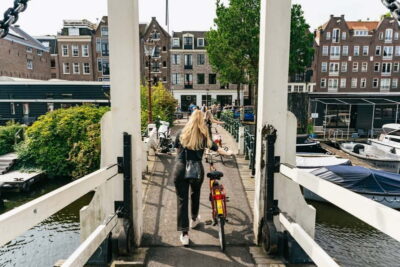
Big Bike tour Amsterdam – See all in 3 unforgettable hours
Read our review →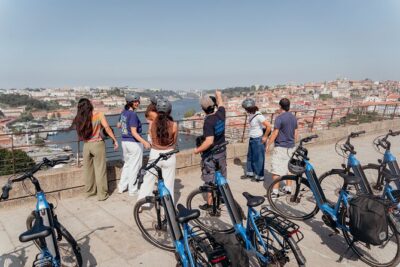
3-Hour Porto Highlights on a Electric Bike Guided Tour
Read our review →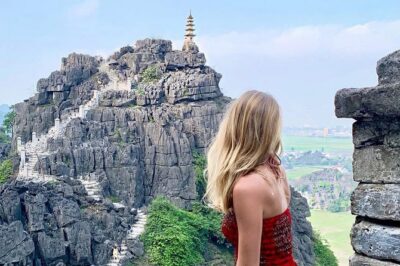
Ninh Binh Full-Day Tour from Hanoi to Hoa Lu, Tam Coc & Mua Cave Via Boat & Bike
Read our review →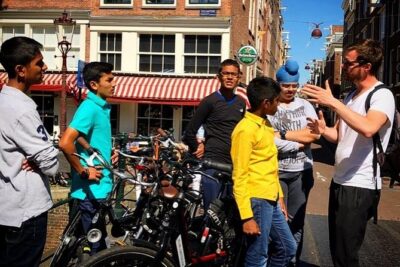
Small Group Guided Bike Tour of Amsterdam’s Hidden Gems
Read our review →