
REVIEW · AUSTRIA
Vienna by Bike 3-Hour All-In-One City Bike Tour in English
Vienna is easier to understand from a bicycle. In three hours, you can connect the grand Ringstrasse, imperial buildings, the Danube Canal, Hundertwasserhaus, and Prater without spending the day underground or on a bus. The route covers a lot of ground, yet keeps a relaxed pace with regular stops.
I especially like the mix of famous sights and odd corners, from the Opera House and Rathaus to Vienna’s wonderfully eccentric Hundertwasserhaus. I also like the guides’ personal approach. Lisa, Marco, Jan, Horst, Robert, and Karl have all led memorable outings, adding history, humor, and local details. The main tradeoff is that this is centered on the Ringstrasse and surrounding districts, so you do not spend much time inside Vienna’s oldest lanes.
Key points to know
- Three hours on mostly easy routes: The ride is designed for sightseeing, not racing, with comfortable city bikes and a safe, leisurely pace.
- A strong first-day introduction: You cover major buildings, parks, canals, and neighborhoods in one outing.
- Imperial Vienna is the main theme: The Ringstrasse, Hofburg area, Parliament, City Hall, Opera House, and Heroes’ Square anchor the route.
- The ride reaches beyond the center: You continue to Hundertwasserhaus, the Danube Canal, and Prater Park.
- Guides add more than memorized dates: Expect stories about politics, war, architecture, local life, and small details such as the meaning of numbers on trees.
- Weather does not automatically cancel the ride: The tour runs in all weather, and rain ponchos are supplied when needed.
Why a bicycle works so well in Vienna
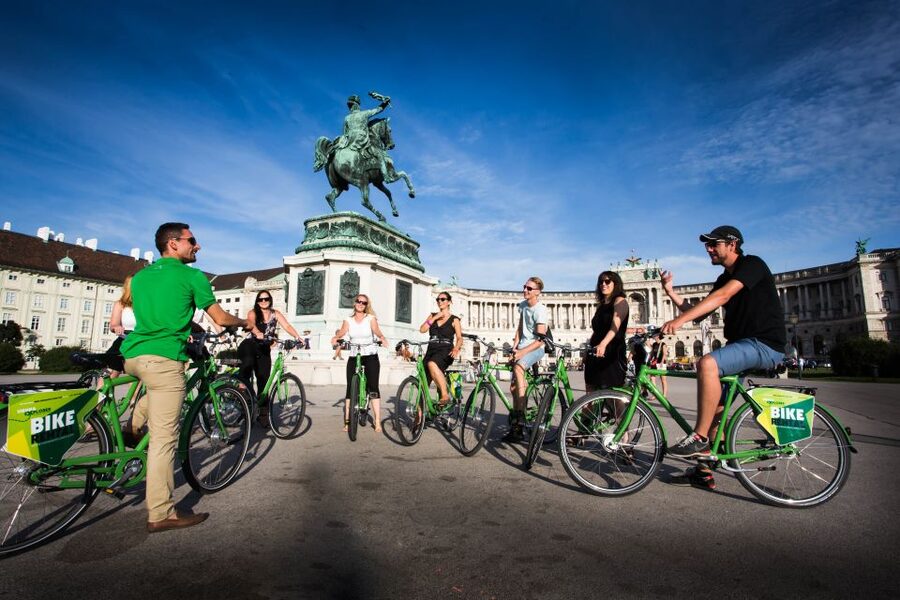
Vienna’s grand center can feel spread out when you walk from one major building to the next. A bicycle fixes that problem. You can see the Opera House, Parliament, Rathaus, Hofburg, Karlsplatz, Prater, and the Danube Canal in one continuous outing, with enough time to stop and listen.
The ride is not built around a constant speech while you pedal. Your guide stops at important places, gives context, and lets you take photos. That balance matters. You get genuine cycling time, but you are not left guessing why a building matters.
The route is also a useful first look at Vienna’s shape. The Ringstrasse forms a grand belt around the old imperial center, while the route toward Prater and the canal shows a less ceremonial side of the city. You will see where monumental government buildings give way to parks, apartment blocks, waterways, and modern city life.
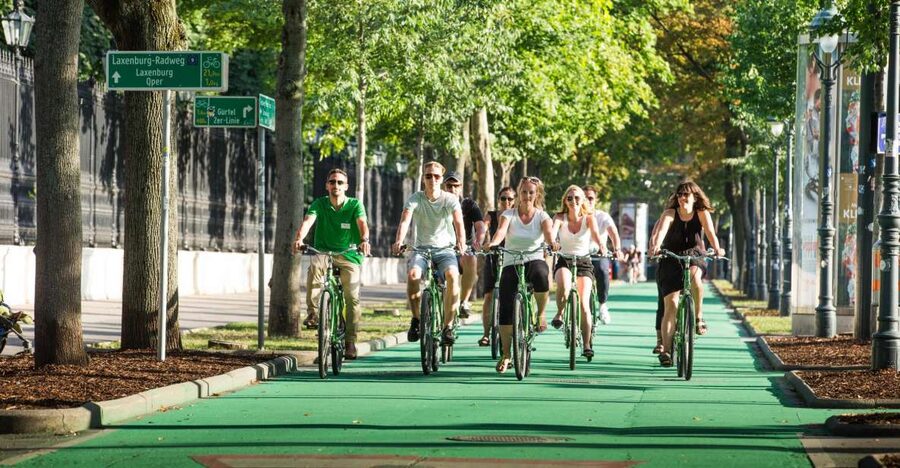
Most of the ride is described as easy, with good cycle paths and a mostly flat route. You still need to be comfortable handling a bicycle around traffic and intersections. Guides such as Jan and Horst have been praised for watching over both older and younger riders, but this remains an active tour, not a sightseeing bus with wheels.
More City Highlights Bike Tours in the world:
- Lion City Bike Tour of Singapore
★ 5.0 · 6,211 reviews - 3-Hour Porto Highlights on a Electric Bike Guided Tour
★ 5.0 · 4,392 reviews - Porto: City Highlights 3-Hour Guided Electric Bike Tour
★ 4.8 · 3,092 reviews
Franz Josefs Kai to the Ringstrasse
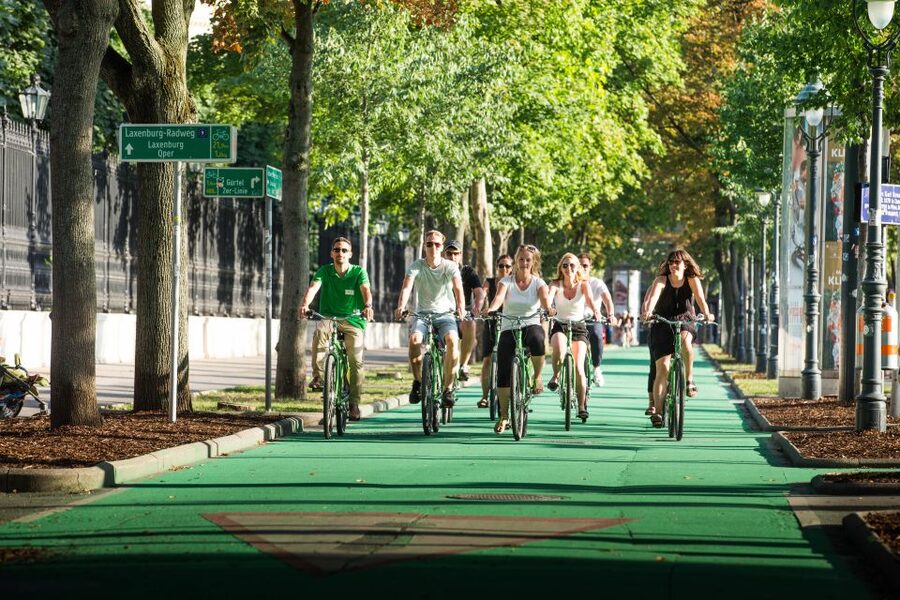
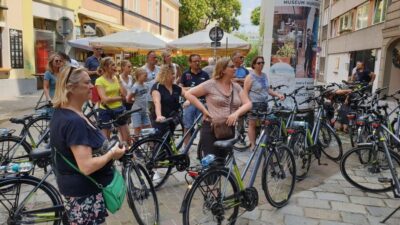
The meeting point is at Franz Josefs Kai, 45, in Vienna’s first district. Schottenring station, served by the U2 and U4, is the nearest subway stop. After choosing a bike and getting set up, you begin near the canal before heading toward the city’s grand central sights.
The canal setting gives you an early sense of how Vienna mixes old and new. From there, the ride moves into the ceremonial heart of the city. The exact order can vary, but the main focus is the Ringstrasse and its monumental buildings.
The bikes are modern city bikes, described as comfortable and easy to handle. Helmets are available, and riders have praised the condition of the bikes and the comfort of the seats. Some outings have also included e-bikes for people who wanted extra help, though the supplied tour details specifically promise city bikes rather than an e-bike for every departure.
The Ringstrasse and imperial Vienna
The Ringstrasse is the backbone of this tour. Built around the historic center, it became a grand showcase for the Austro-Hungarian Empire. Cycling along it gives you a better sense of scale than walking from one isolated building to another.
You pass the Neo-Renaissance Vienna Opera House, one of the city’s most recognizable buildings. The guide explains how the great boulevard and its architecture reflected imperial ambition. You also see the Rathaus, with its Gothic façade, and the University of Vienna.
The Parliament buildings bring the political story into focus. Their 19th-century design reflects the empire’s effort to present itself as a modern constitutional state, even as power remained concentrated in the Habsburg system. A good guide can connect architecture to politics without turning the stop into a lecture, and that has been a strong feature of guides such as Robert, Marco, and Jan.
The route also passes the Hofburg and other buildings linked to imperial rule. Do not expect a palace interior visit. This is an exterior sightseeing tour, with time to stop, look, photograph, and hear the story before moving on.
That approach suits you if you want orientation before visiting museums on your own. It is less suitable if your main goal is detailed time inside the Hofburg, the Opera House, or the city’s art collections. You will see the setting, not tour every interior.
Heroes’ Square and the harder chapters
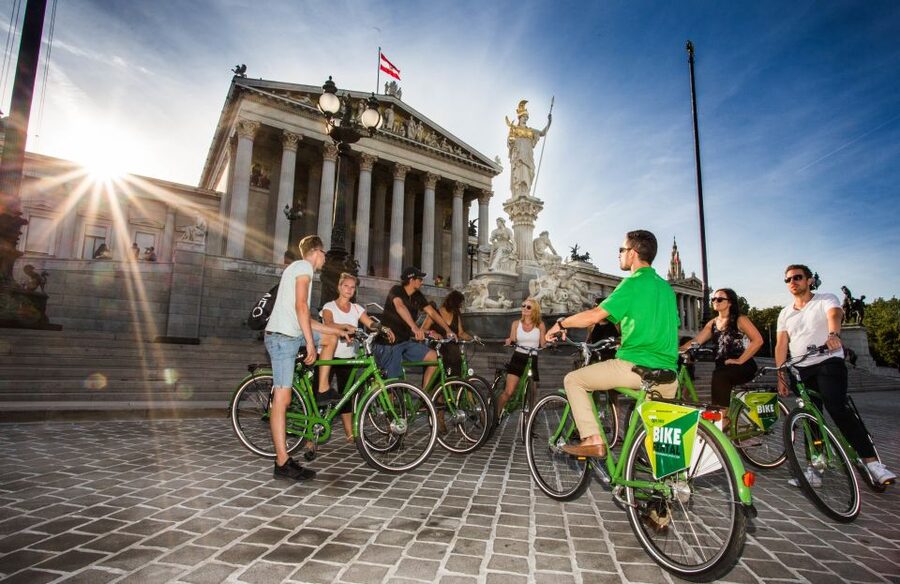
Heroes’ Square, or Heldenplatz, adds an important political layer. The space is tied to Austria’s imperial past, but it also carries the memory of Hitler’s 1938 Anschluss speech. A responsible guide places that event within Austria’s wider political and wartime story rather than treating the square as a pretty photo stop.
Several guides have handled difficult subjects with care, including family experiences connected to the war and Austria’s politics, past and present. The level of detail depends on the guide and the questions asked, but the tour does not reduce Vienna to palaces and composers.
This is one of the ride’s strengths. You see polished façades, then learn about the power struggles and painful events behind them. If you enjoy history, listen closely at these stops. If you prefer a light architectural tour, the subject matter may feel more serious than expected.
More Three-Hour Bike Tours in the world:
- 3-hour Complete Prague Bike Tour
★ 5.0 · 3,674 reviews - Copenhagen: Highlights 3 Hour Bike Tour with a Local Guide
★ 4.8 · 2,312 reviews - Classic Vienna: 3-Hour Guided Bike Tour
★ 4.7 · 2,146 reviews - Munich 3-Hour Guided Bike Tour
★ 4.5 · 1,731 reviews
Karlskirche and Karlsplatz
The route includes Karlsplatz and the Karlskirche, with its large columns and domes. The church provides a change of scale from the long Ringstrasse façades. Its design is theatrical and easy to appreciate from outside, especially when your guide points out how its classical forms differ from Vienna’s Gothic and Neo-Renaissance buildings.
You should think of this as a viewing stop rather than a formal church tour. The ride gives you a chance to understand the building’s place in the city and take photographs, but the supplied details do not promise an interior visit.
Karlsplatz also helps connect the historic center with Vienna’s later development. It is a busy urban setting, so your guide may choose a safe place for the talk before leading the group onward. The stop is short enough to keep the ride moving, but useful for comparing several architectural styles in one morning or afternoon.
Hundertwasserhaus, Vienna’s playful side
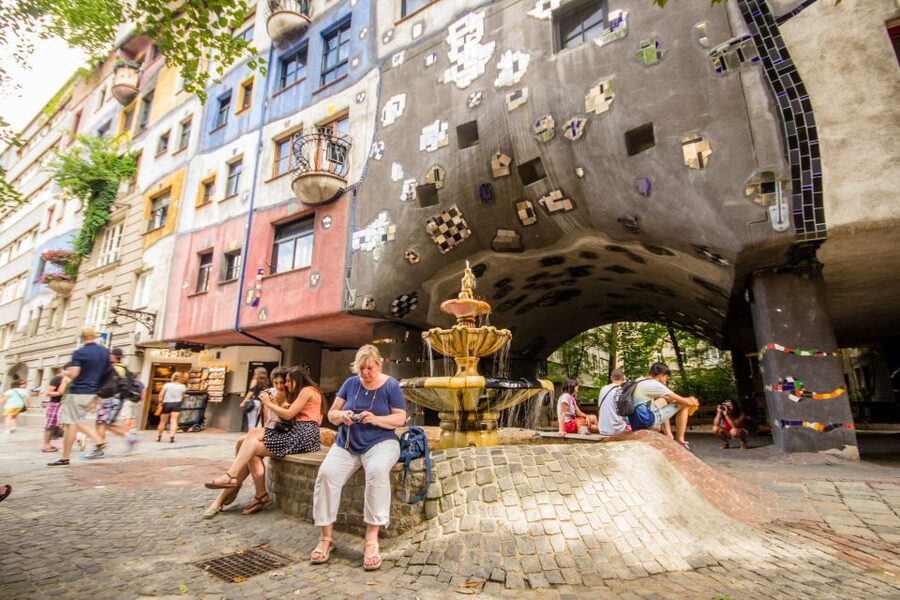
Hundertwasserhaus is the sharpest break from imperial Vienna. Its irregular forms, bright colors, and unusual surfaces make it one of the city’s most memorable buildings. It is a residential complex, so you view it from outside rather than treating it like a normal museum stop.
This is where the tour earns its all-in-one name. You are not seeing only the formal city of emperors, ministries, and opera. You are also seeing the playful, unconventional Vienna that appears in its modern architecture.
Allow time for photos here, but do not expect a long architectural seminar. The stop works best when the guide explains what makes the building unusual and gives you a few minutes to look around. The contrast with the Ringstrasse is the point.
Along the Danube Canal to Prater Park
The Danube Canal portion changes the mood again. You ride beside the water on the way toward Prater, with fewer grand government façades and more space to watch the city pass by. It is also one of the places where the bicycle feels most useful, since you can cover distance without losing the open-air experience.
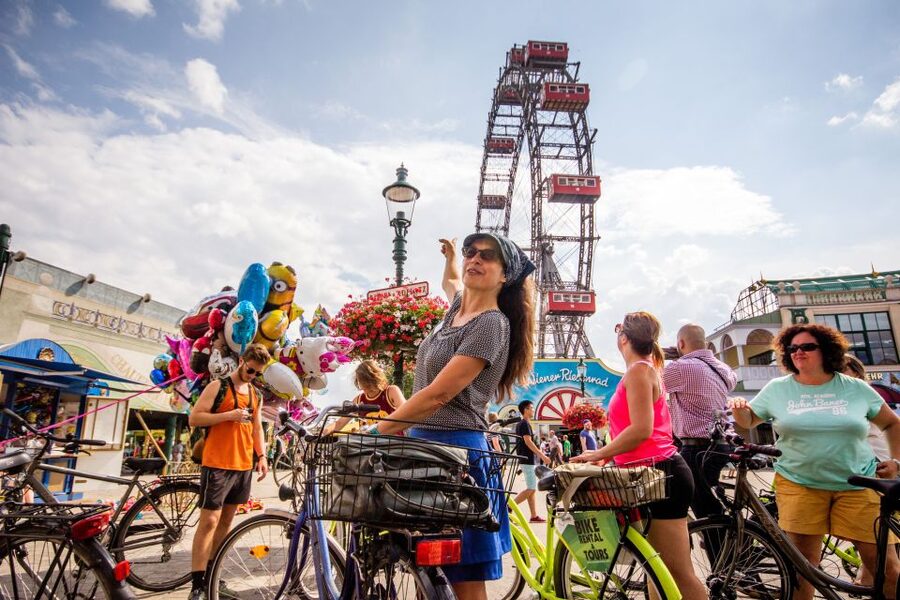
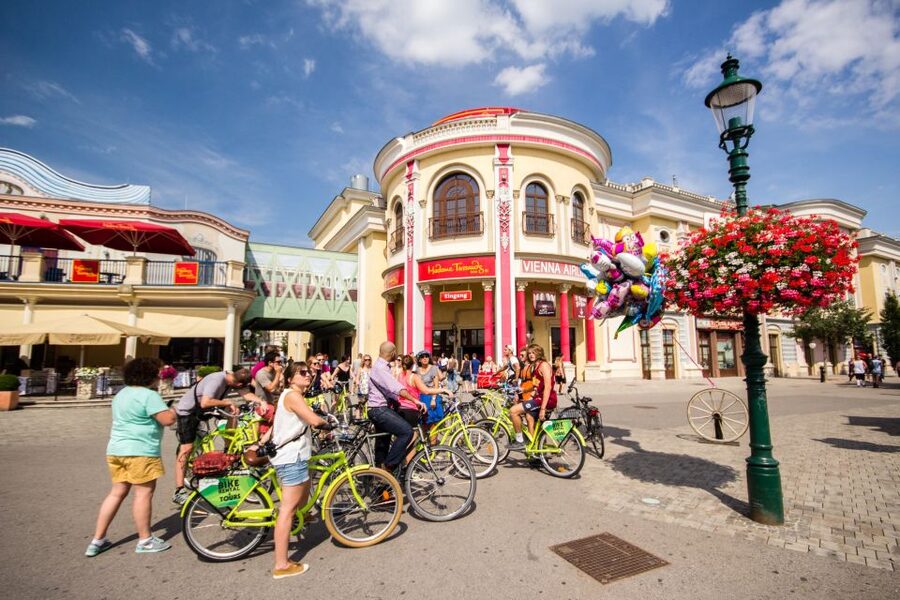
Prater Park is best known for its giant Ferris wheel, the Riesenrad. The tour takes you there to see the landmark, not for a Ferris wheel ride. You get the classic view and hear why Prater matters to Vienna’s leisure culture before turning back.
One especially memorable local detail concerns the park’s trees and the lack of bushes. That kind of observation is easy to miss if you rush through on your own. It gives the stop some character beyond the standard Ferris wheel photograph.
The return follows the canal or nearby routes toward the starting area. A three-hour ride needs to keep moving, and the itinerary does. You see a wide spread of Vienna without spending too long at any one sight.
The pace, group size, and guide quality
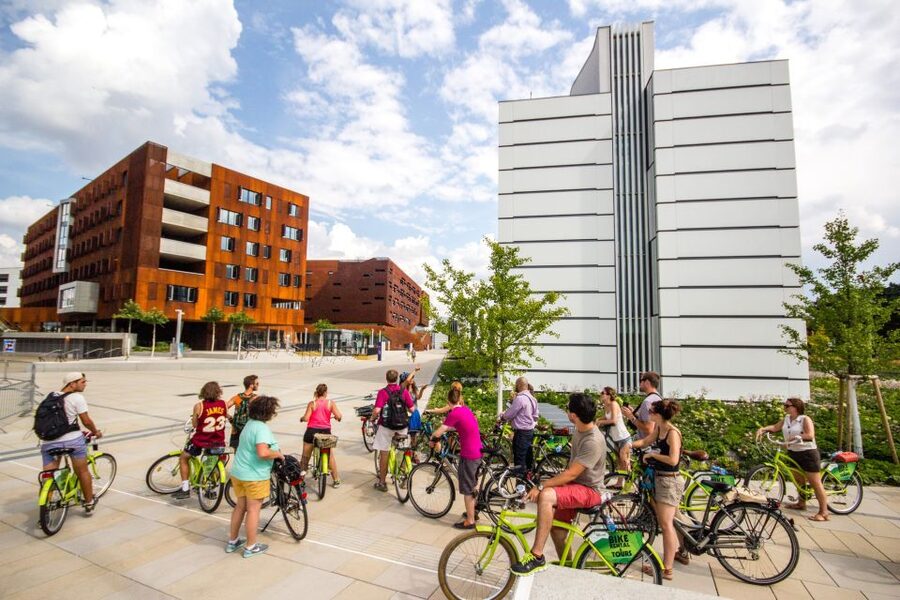
The pace is one of the tour’s strongest features. Guides have been praised for riding slowly enough for the group while still allowing plenty of time on the bikes. One outing covered more than 10 kilometers, but the route remained manageable because it was largely flat and included safe cycle paths.
Group size can matter. One reported group had 14 people, which is workable but not intimate. A larger group may mean you wait at intersections and have fewer chances to ask private questions. On the other hand, guides have made a point of introductions and group interaction, which helps strangers settle in quickly.
The guide can shape the experience more than the route. Jan has been praised for turning complex history into clear stories. Horst is known for humor and local details. Marco has handled questions about politics, daily life, and small city features with care. Lisa has been described as energetic and fun, while Robert has offered a thoughtful account of Austria’s political and family history.
Names and assignments change, so you cannot book a particular personality unless the operator confirms it. Still, the repeated pattern is encouraging: the guides are not simply leading from the front. They are answering questions, watching the group, and adding recommendations for food, drinks, shopping, or the next two days of sightseeing.
Is $55 a fair price?
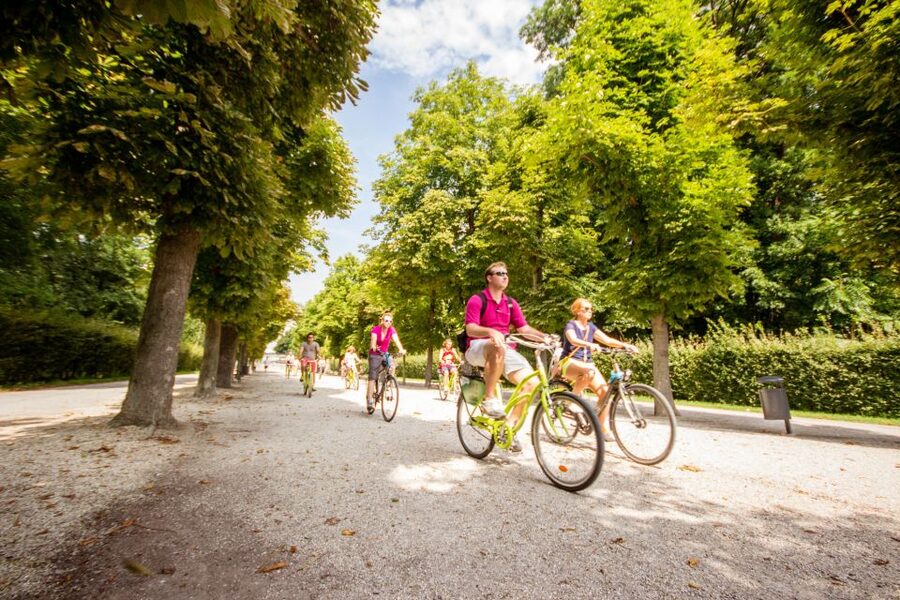
At $55 per person, this is not the cheapest way to look at Vienna. You can walk around the Ringstrasse for free, and public transport costs less. The value comes from the amount of ground covered, the bike rental, the guide, and the time saved connecting sights.
I think the price makes sense if you have only a few days in Vienna or want a strong orientation on your first day. You see more than you likely would on foot, while receiving context that a self-guided ride may lack. The tour also saves you from planning a route through several districts and figuring out where cycling feels comfortable.
The value is weaker if you already know the center well, dislike group tours, or want long interior visits. You are paying for breadth and interpretation, not museum admission or a private guide. The ride is also more satisfying when you view the bicycle as part of the experience, not just a faster taxi.
Weather, clothing, and practical preparation
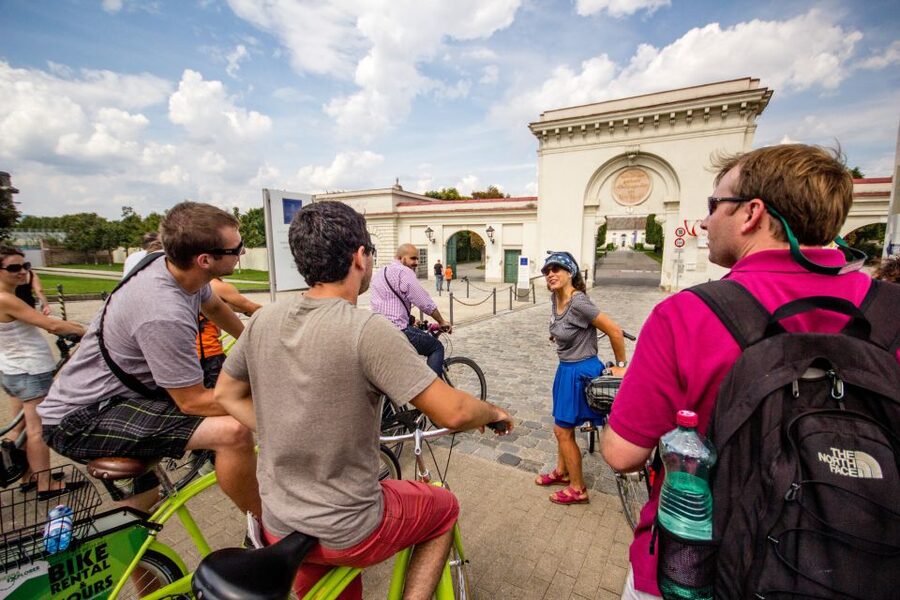
Wear comfortable clothes that let you pedal easily. The tour runs in all weather, and ponchos are provided when rain arrives. That is useful, but rain can still affect visibility, photographs, and comfort, so check the forecast before choosing between a morning and afternoon departure if options are available.
Arrive at Franz Josefs Kai with enough time to find the meeting point and get fitted to a bike. The nearest subway stop is Schottenring. Since the ride includes several stops but no stated meal break, eat beforehand and bring water if you normally need it during three hours of activity.
A past rider suggested that another comfort stop could help on a three-hour outing. That is worth noting. The tour is active, and the schedule focuses on sights, so do not expect a café break built into the route.
Who should book this Vienna bike tour?
I would choose this for a first or second day in Vienna, especially if you want to understand how the imperial center connects to Prater and the canal. It suits adults, families with cycling children, history fans, and anyone who prefers movement to sitting in a coach.
It also works well for visitors who want both headline sights and less formal parts of the city. You get the Opera House, Rathaus, Parliament, Hofburg area, and Karlskirche, then Hundertwasserhaus, the canal, and Prater.
I would think twice if you are uncomfortable on a bicycle, need a very private experience, or want extensive time inside monuments. The tour is easy by cycling standards, but it still requires balance, attention, and comfort around city streets.
Book it if you want a lively introduction, broad coverage, and a guide who can connect architecture with politics and daily life. Skip it if your ideal Vienna day means moving slowly between museums and cafés. At $55, the tour earns its price through coverage, safe routing, and strong guiding rather than luxury.
FAQ
How long is the Vienna bike tour?
The tour lasts three hours.
What language is the tour conducted in?
The live tour guide speaks English. The experience information also notes that guides may speak German.
Where does the tour meet?
Meet at Franz Josefs Kai, 45, 1010 Vienna.
Which subway station is closest to the meeting point?
Schottenring is the nearest subway station, served by lines U4 and U2.
What sights does the bike tour include?
The route includes the Ringstrasse, Vienna Opera House, Rathaus, University of Vienna, Parliament, Hofburg area, Heroes’ Square, Hundertwasserhaus, Karlskirche, Danube Canal, and Prater Park with its giant Ferris wheel.
Are bikes provided?
Yes. Comfortable, modern city bikes are included.
Are helmets included?
The experience information and rider details indicate that safety helmets are available.
Does the tour operate in the rain?
Yes. The tour operates in all weather conditions, and rain ponchos are provided in wet weather.
Can I cancel the booking?
You can cancel up to 24 hours in advance for a full refund. The booking option also allows you to reserve now and pay later.
Just added around the world
- Barcelona: 3-Hour Bike Tour with Spanish Tapas★ 4.9 · 14 reviews
- Barcelona: Bike Rental for 2 – 24 Hours★ 4.7 · 33 reviews
- Barcelona: 4-Hour Off-the-Beaten-Track Small Group Bike Tour★ 4.8 · 63 reviews
- Barcelona: Private 5 Neighborhoods Tour by Electric Bike★ 4.9 · 17 reviews
- Barcelona: 4-Hour E-Bike Photography Tour★ 4.8 · 36 reviews
- Barcelona: 3.5-Hour Street Art Tour by Bamboo Bike★ 5.0 · 56 reviews
- Thai culture and Bangkok local life guided bike tour★ 4.9 · 32 reviews
- Barcelona Beach 3-Hour Bike Tour★ 4.8 · 65 reviews
Austria Bike Tours, compared.
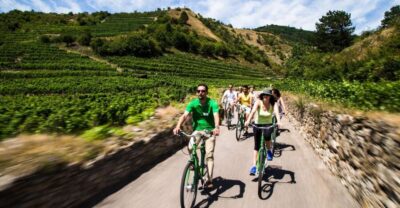
Wachau Valley Wine Tasting Bike Tour from Vienna
Read our review →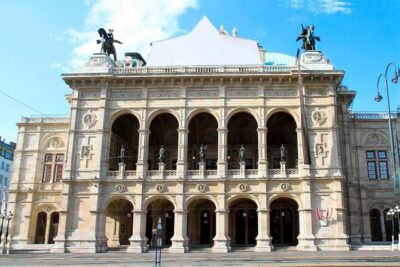
Grape Grazing: Wachau Valley Winery Biking Tour
Read our review →
Browse the lists this tour appears in