
REVIEW · MALAYSIA
Best of Kuching: Heritage & Kampong Bike Tour
Kuching makes the most sense from a bicycle seat. On this 4.5-hour ride, you move from old lanes and famous sights to Malay kampongs, wooden bridges, and country paths that most city tours skip. The short sampan crossing adds a fine local touch, and the route covers about 85 percent of the Kuching sights listed by Lonely Planet.
I especially like the small group of no more than 10 people, which makes street crossings, questions, and food stops easier to manage. I also like the mix of cycling and tasting, from local fruit and drinks to Sarawak favourites such as kola mee. The main consideration is the weather: this tour runs rain or shine, and Kuching heat can make four and a half hours of riding feel long if you are not used to cycling.
At a glance
- A broad Kuching route: Combine the heritage zone, city sights, riverside villages, rural paths, and Kubah Ria market in one morning.
- A real river crossing: Ride onto a traditional sampan for a 10-minute trip across the Sarawak River.
- Local food along the way: Sample fruit, snacks, drinks, and desserts, with kola mee among the memorable tastes to look for.
- Family equipment available: Adult mountain bikes, children’s bikes, tag-along bikes, rear-mounted baby seats, and child trailers can be arranged.
- Guides who matter: Ayra is noted for making less confident cyclists feel safe, while Farah has also led the route.
- Simple, practical setup: Bikes, helmets, water, boat fees, food samples, and rain ponchos are included. Hotel transport is not.
Why a bicycle is the right way to see Kuching
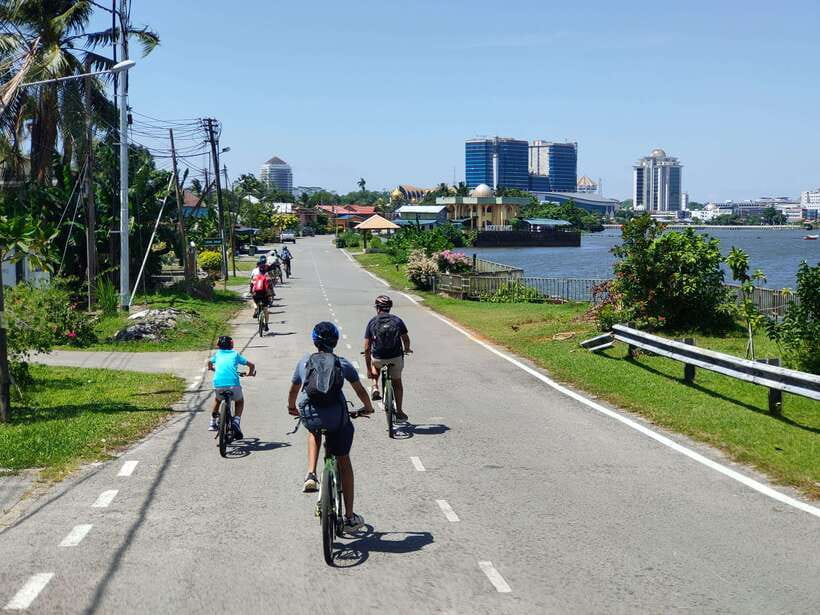
Kuching’s center is compact, but its character changes quickly. One minute you are near the waterfront and old streets; soon after, you are on a narrow lane beside wooden houses or rolling over a bridge in a kampong. A coach can show you the big points, but it cannot make these small transitions feel personal.
This tour is built around that change of pace. You begin near Wayang Street, close to the Kuching Waterfront, then receive a safety briefing and equipment check before setting off. The route is not simply a long ride with a few photo stops. It links city history, food, river life, and rural Sarawak in one continuous outing.
The advertised route reaches about 85 percent of Kuching’s sights listed by Lonely Planet. That does not mean you stop at every attraction for a full visit. It means the ride gives you a useful first look at much of the city, while adding places that are not usually part of a standard sightseeing circuit.
The limited group size is important here. With up to 10 participants, your guide can keep an eye on the road, adjust the pace, and answer questions without turning the tour into a public lecture. If you are not a confident cyclist, mention that at the start. Ayra, one of the guides, is specifically praised for helping a nervous rider feel safe.
More Historic and Landmark Bike Tours in Malaysia:
- Penang George Town All-In-One Heritage Tour By Bicycle & Trishaw (Metro Bike)
★ 5.0 · 168 reviews - Half-Day Heritage Bike Tour in Kuching
★ 5.0 · 162 reviews - Party Bike Private Party Up To 14 People in Old Town Scottsdale
★ 5.0 · 3,541 reviews
From Wayang Street into Kuching’s heritage zone
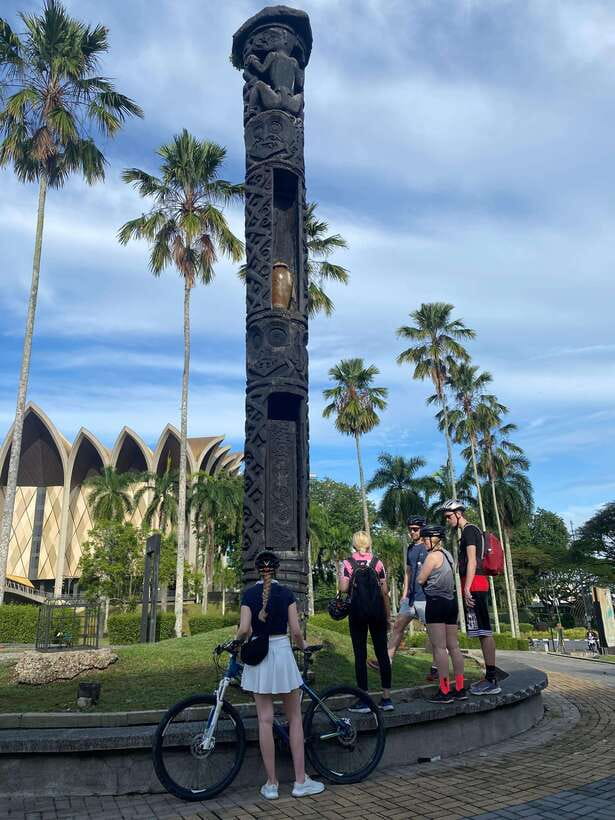
The meeting point is Paradesa Borneo on Wayang Street, near the waterfront. You return to the same place at the end, so you do not need to arrange a second pickup across town. Hotel transport is not included, and you will need to make your own way to the starting point.
The tour begins with a bike fitting, helmet check, and safety briefing. The operator has adult mountain bikes in sizes from XS through XL, along with children’s bikes and several child-carrying options. No helmet means no ride, which is a sensible rule in a city where road conditions and traffic can change from block to block.
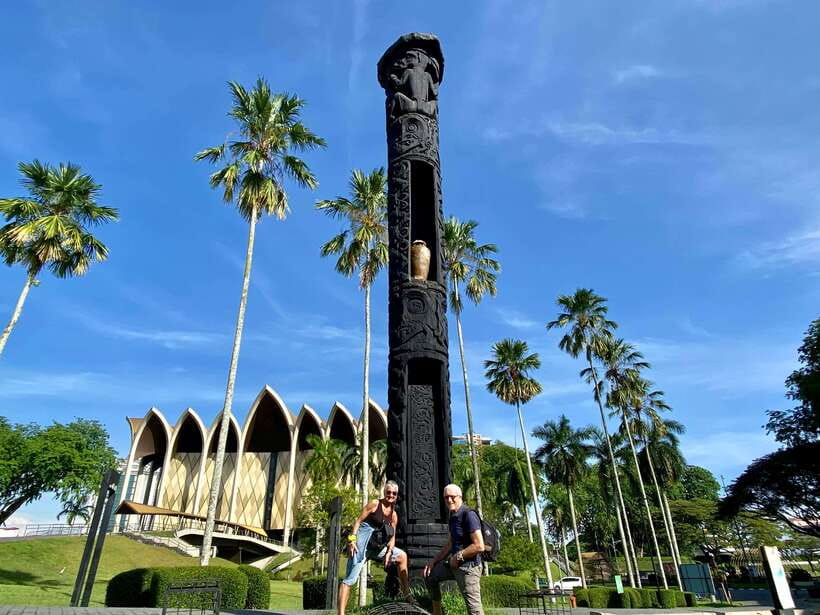
The first riding section takes you through Kuching’s heritage zone and its narrower lanes. This is where a bike gives you an advantage. You can move slowly, look up at older buildings, and stop without the fuss of parking a vehicle. Your guide provides the context, explaining Sarawak’s past and the people who shaped Kuching.
Expect a guided overview rather than a deep visit inside every building. The strength of this portion is its range. You see familiar city sights, then turn into less obvious lanes where the rhythm becomes quieter. Keep your camera ready, but do not let it distract you from the road.
Food stops that explain Sarawak better than a lecture
Food is one of the tour’s best reasons to book. Along the route, you receive local snacks, fruit samples, a drink or refreshment, and tastes of Sarawak street food. You may encounter wild ferns, unusual vegetables, tropical produce, and other ingredients that are hard to identify if you are shopping on your own.
Kola mee is one specific dish worth trying. It made a strong impression on one rider, who found it fabulous, and it gives you a direct taste of everyday Kuching rather than a meal designed only for sightseeing groups. The tour also includes local desserts and drinks, so the food element is broader than a single snack.
These tastings are small, informal stops rather than a full restaurant meal. Eat breakfast before you arrive, especially if you need substantial food during the morning. The samples are there to introduce you to local flavours, not replace lunch.
You will also want some cash. It is listed among the things to bring, and it is useful if you decide to buy produce, handicrafts, or other market items. A reusable bottle is a good idea too. A 500ml bottle is supplied, but the operator encourages you to refill your own bottle and reduce single-use plastic.
Crossing the Sarawak River by traditional sampan
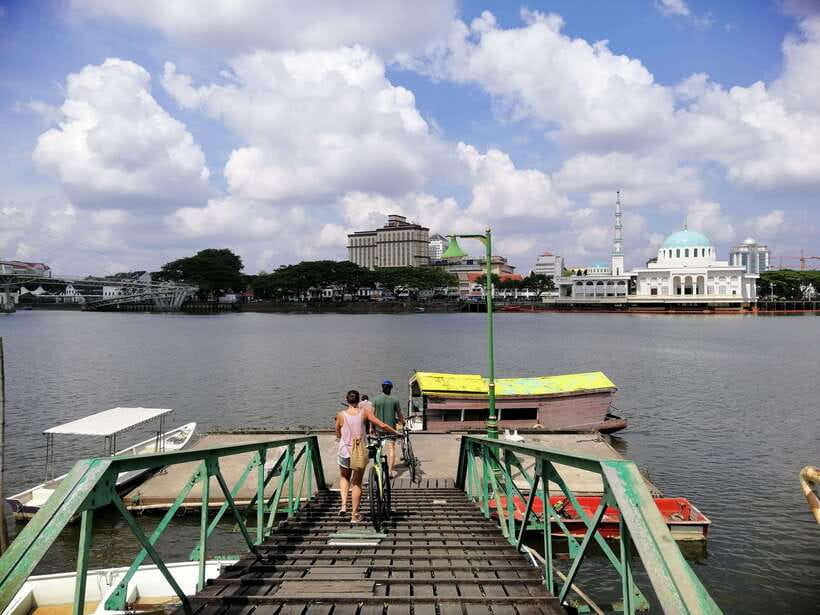
After the city portion, you reach the river boat. The crossing takes about 10 minutes, but it changes the feel of the morning. Instead of viewing the Sarawak River from the waterfront, you move across it in a traditional sampan and see the city from the water.
This is not a long cruise or a sightseeing boat excursion. It is a practical crossing that links the two sides of the route. That is part of its charm. The boat ride breaks up the cycling, gives your legs a rest, and makes the day feel tied to the river rather than merely arranged around it.
Keep personal belongings secure during the crossing. A small waterproof backpack or dry bag is recommended, especially in wet weather. You do not need to bring much, but your phone, passport, and cash should be protected.
More History Tours in Malaysia:
- Historical Singapore Bike Tour on Full-Sized Bicycles
★ 5.0 · 1,421 reviews - Barcelona: 2.5-Hour Bike or E-Bike Historical Tour
★ 4.5 · 1,262 reviews - Asheville Historic Downtown Guided Electric Bike Tour with Scenic Views
★ 5.0 · 1,234 reviews - Historic Athens: Small Group Electric Bike Tour
★ 4.9 · 966 reviews
Malay stilt houses and rural kampong paths
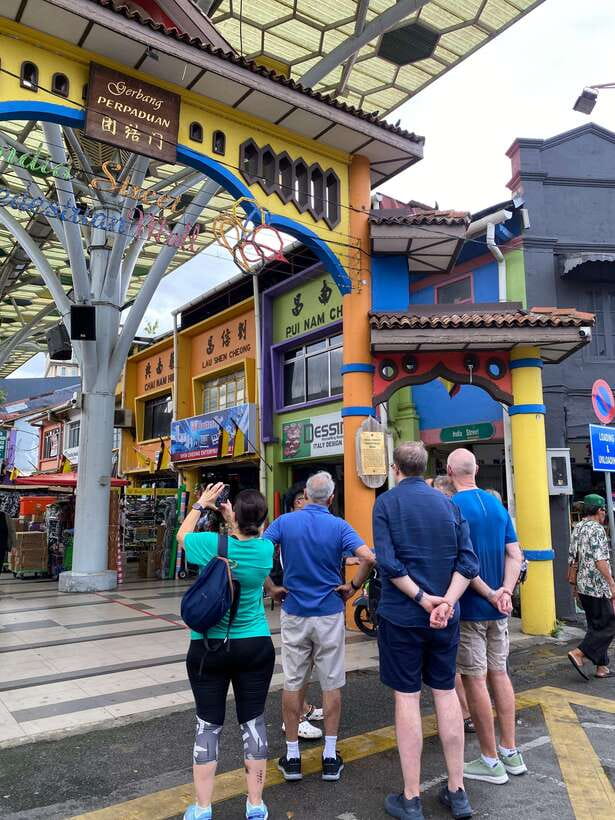
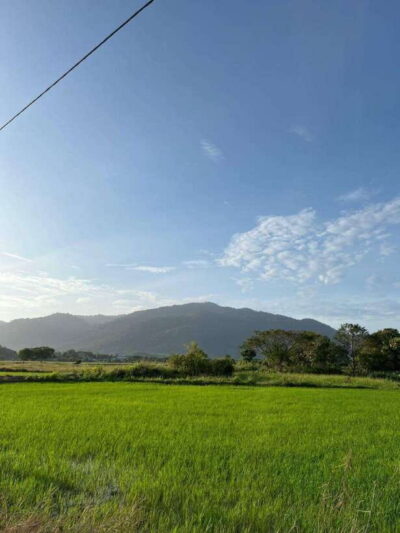
On the far side, the route moves into rural Malay kampongs. You ride past traditional stilt houses and along country paths beside the Sarawak River. Wooden bridges line parts of the route, adding a distinctly local setting that you would not get from a city-center walking tour.
This section is less about ticking off landmarks and more about seeing how communities are arranged along the river. Your guide explains Sarawak and its people as you ride, helping connect the houses, paths, river, and market produce to local life.
The roads and paths are described as off the beaten track, so do not expect a perfectly smooth urban cycleway. That is part of the appeal, but it also means you should be comfortable handling a bike at a relaxed pace over changing surfaces. The guide leads the way and the safety briefing comes first, yet you still need normal balance and road awareness.
The route is suitable for families who are used to cycling, with children’s bikes, tag-along bikes, baby seats, and child trailers available. The minimum height listed is 90 centimeters, and babies under one year are not suitable for the tour. A rear-mounted baby seat is available for children over nine months, according to the supplied guidance, so confirm the right setup when booking.
Kubah Ria market and the produce of Sarawak
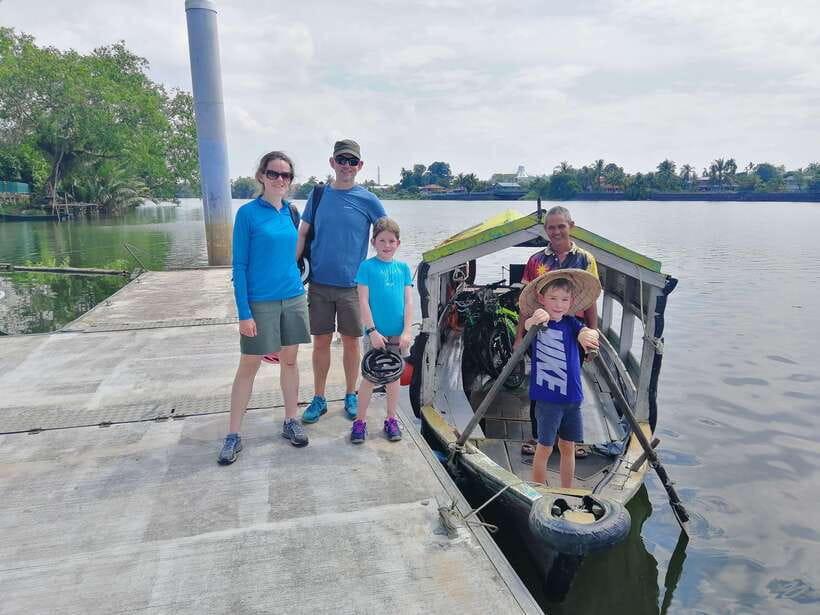
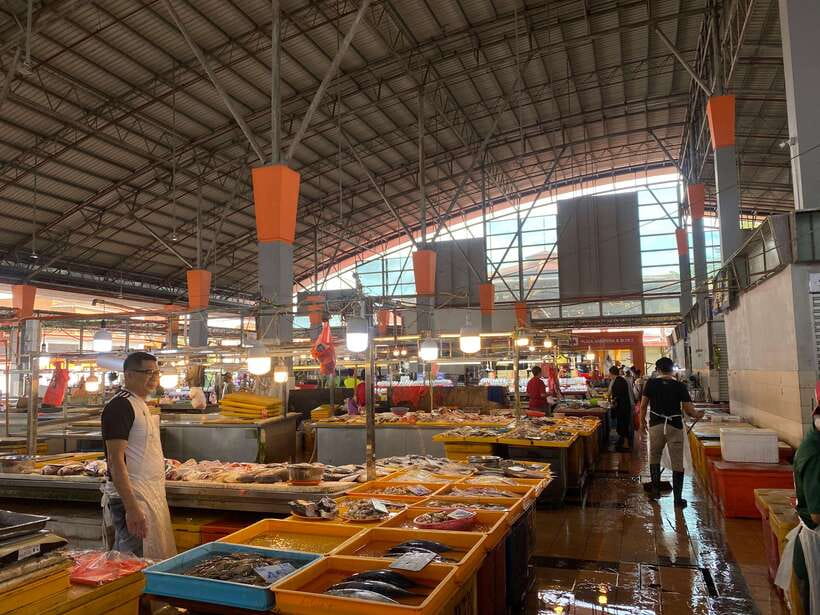
Kubah Ria is one of the morning’s most useful stops. This open-air market offers a look at the ingredients of Sarawak, not just its prepared dishes. You can see tropical fruit and vegetables, wild ferns, jungle produce, and plants that may be unfamiliar even if you already know Southeast Asian markets.
The market also sells local handicrafts at non-tourist prices. That does not guarantee every item will suit your taste or budget, but it gives you a chance to shop in a more ordinary setting. Bring cash if you hope to buy something, and remember that your purchases must fit safely on a bicycle.
This stop works best when you stay curious. Ask your guide what an unfamiliar fern is used for, how a fruit is eaten, or which items are common in local cooking. The value here is not only the shopping. It is the chance to connect the food samples from earlier in the morning with the raw ingredients on display.
A market is also a place where the pace can feel less controlled. You may need to wait while the group gathers, and the stop will not feel like a polished attraction. That is a fair trade for seeing a working food market rather than a staged display.
What the $60 price includes
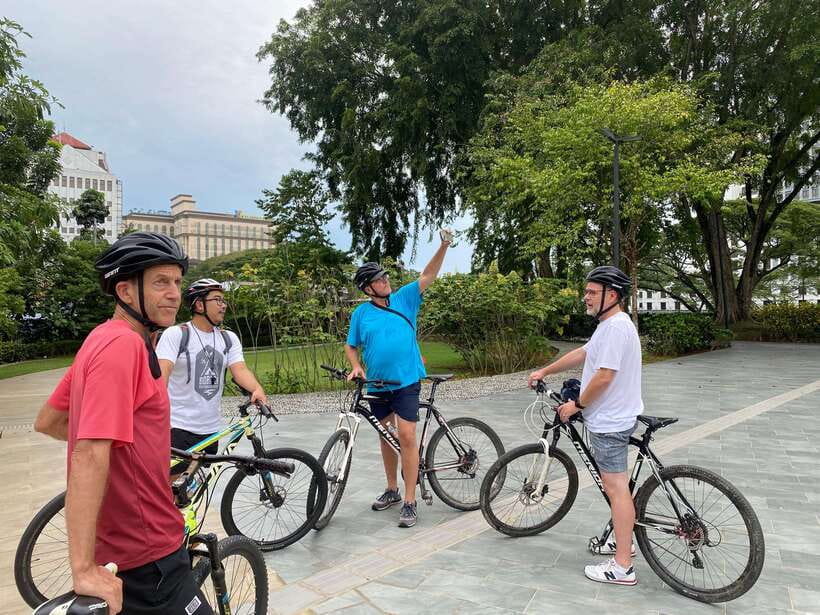
At $60 per person, the tour sits above a basic city bike rental, but you are paying for much more than a bicycle. The fee includes the English-speaking guide, bike, helmet, boat crossing, food and fruit samples, a refreshment, and rain ponchos if the weather turns wet.
The guide is the main part of the value. You could cycle around Kuching independently, but you would need to plan a route linking the heritage zone, river crossing, kampongs, wooden bridges, and Kubah Ria. You would also miss much of the explanation about Sarawak’s people and food.
The small group adds practical value. A maximum of 10 participants is easier to manage than a large cycling procession, especially through city lanes and market areas. You also receive equipment suited to a wide range of riders, including children.
The price does not include transport from your hotel. Since the start is near the Kuching Waterfront, that is less of a burden if you are staying in or near the center. Budget separately for anything you buy at the market and bring some cash for this reason.
Weather, fitness, and what to bring
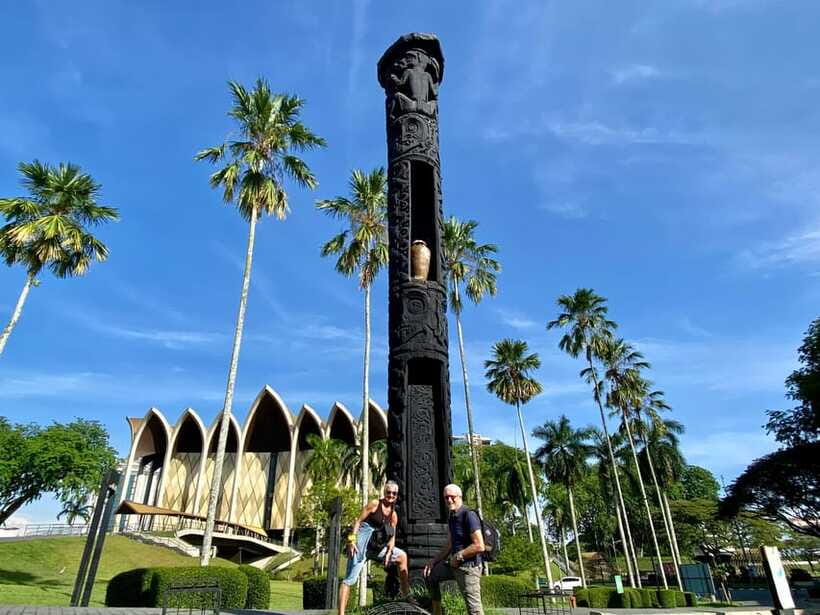
Kuching’s weather can be hot, wet, or both. The tour operates in rain or sunshine, and rain ponchos are provided, but a poncho will not make a wet ride completely dry. Wear light clothing that can handle heat and rain, and protect your phone and other valuables in a waterproof bag.
You should also bring:
- Insect repellent
- Cash
- A passport, or an accepted copy
- A reusable water bottle
- A small dry bag or waterproof backpack
The passport requirement is worth noting. The information allows a copy, which is easier to protect during a bike ride than the original. Keep any document secure and follow the guide’s instructions.
You do not need to be a serious cyclist, but you should be comfortable riding for several hours with breaks. The route includes city streets, village paths, bridges, and market access. If you have had recent surgery, use a wheelchair, have significant hearing impairment, or are over 95, this activity is not considered suitable.
A good choice for families and cautious cyclists
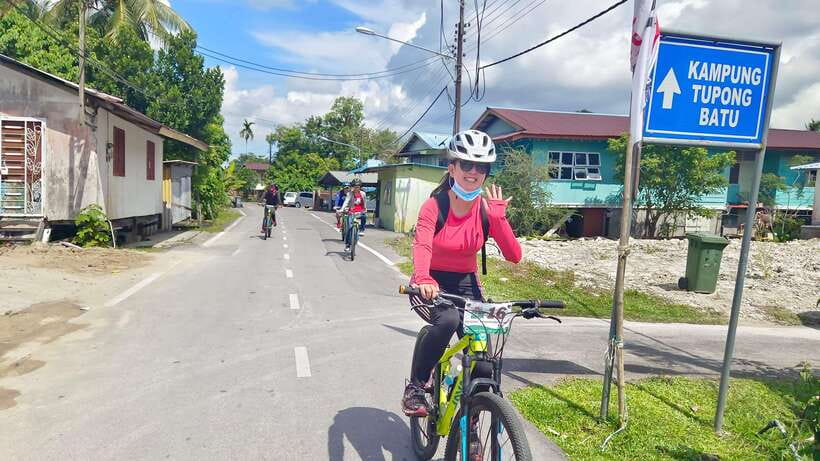
This is one of the more family-friendly ways to see Kuching because the operator carries equipment for different ages and sizes. Children’s bikes, tag-along bikes, baby seats, and trailers are available, although children must be at least 90 centimeters tall and babies under one year cannot join.
It also suits adults who want a guided ride without racing. Ayra’s calm support for a less confident cyclist is a useful sign that the experience is not aimed only at strong riders. Still, tell the guide if you are nervous, and do not assume that child equipment or a particular bike size will be available without reserving it.
The tour is less suitable if you want a slow, indoor history tour with guaranteed shelter. You will be outside for most of the morning, and the ride continues in poor weather. It is also not ideal if you dislike market visits, local food samples, or uneven village routes.
Booking and practical details
Reservations are recommended, especially if you need a child trailer, baby seat, or a particular bike size. The activity lasts 4.5 hours, with starting times shown when you check availability. English is the tour language.
You can cancel up to 24 hours before the activity for a full refund, and the reserve-now-pay-later option allows you to hold a place without paying immediately. These policies are useful when your Kuching schedule is still shifting.
The tour ends back at Paradesa Borneo on Wayang Street. That makes it easy to continue exploring the waterfront afterward or return to your hotel, but you must arrange your own transport to the starting point.
Should you book the Best of Kuching Bike Tour?
Book it if you want one morning that combines Kuching’s well-known sights with local lanes, a river crossing, rural Malay villages, and a working market. The route gives you a wider picture of the city than a standard heritage walk, while the food samples and kola mee add flavour to the history.
I would choose it early in a Kuching visit. It gives you orientation, introduces foods and neighbourhoods you may want to revisit, and shows how quickly the city gives way to river communities and kampongs.
Skip it if you are not comfortable on a bike, need guaranteed dry conditions, or want a short sightseeing outing with little physical effort. For families and curious cyclists who can handle the heat, $60 is a fair price for the guide, equipment, boat ride, tastings, and access to places you would be unlikely to connect on your own.
FAQ
Where does the Best of Kuching Bike Tour start?
It starts at Paradesa Borneo on Wayang Street, near the Kuching Waterfront.
Where does the tour finish?
The activity ends back at the same meeting point, Paradesa Borneo.
How long does the tour last?
The tour lasts 4.5 hours. Starting times depend on availability.
Is hotel transportation included?
No. Transportation from your hotel to the starting point is not included.
What language is the tour conducted in?
The live tour guide speaks English.
Is the boat ride included?
Yes. Boat fees are included, and the sampan crossing takes about 10 minutes.
Are bikes and helmets provided?
Yes. Adult mountain bikes, children’s bikes, and helmets are provided. A safety briefing and equipment check take place before riding.
Can children join the tour?
Children can join if they are at least 90 centimeters tall. Children’s bikes, tag-along bikes, baby seats, and child trailers are available. Babies under one year are not suitable for the activity.
What happens if it rains?
The tour operates in rain or sunshine. Rain ponchos are provided if it rains, and you should bring a waterproof bag for valuables.
Just added around Malaysia
- Countryside Biking Tour in Langkawi★ 4.5 · 39 reviews
- Cycling Through the Heart of Kuala Lumpur with Hotel Pickup★ 5.0 · 16 reviews
- Langkawi Cycling Culture half day Tour★ 4.9 · 19 reviews
- Langkawi: Countryside Bike Tour, Waterfall Swim & Dessert★ 4.9 · 28 reviews
- Kuala Lumpur: Evening Food Tour by Bike★ 5.0 · 13 reviews
- Hidden Kuala Lumpur: 4-Hour Bike Tour★ 4.7 · 26 reviews
- George Town: Balik Pulau Countryside Morning Cycling Tour★ 4.9 · 95 reviews
- Back of the Bike Street Food Experience – Real Penang!★ 5.0 · 17 reviews
Malaysia Bike Tours, compared.
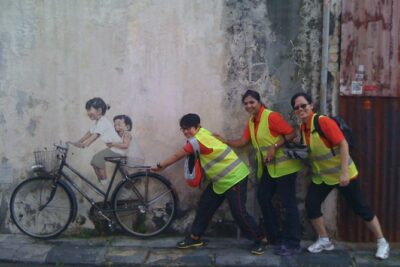
Penang George Town All-In-One Heritage Tour By Bicycle & Trishaw (Metro Bike)
Read our review →
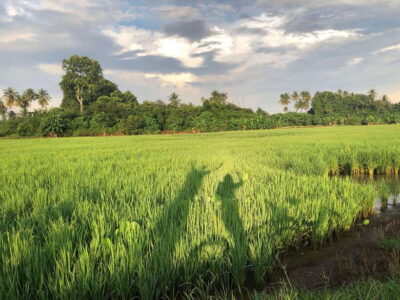
George Town: Balik Pulau Countryside Morning Cycling Tour
Read our review →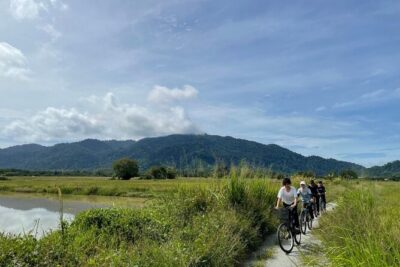
Langkawi: Countryside Bike Tour, Waterfall Swim & Dessert
Read our review →
Browse the lists this tour appears in